Search from 500+ procedures across top NABH & JCI accredited hospitals of India
Assistance
Consultation
Services
Opinion
Care Coordination
What will your treatment cost?

| Surgery Name | Cost | Room | Hospitalization |
|---|---|---|---|
| CABG Surgery cost in India | 5000-5500 USD | twin sharing | 5 Days in ward |
✓ Inclusion
1.Room Rent
2.Cost of Surgery
3.Consultation by Primary Team in Package days
4. Basic Investigations
5. Routine Pharmacy and Consumables
6.Patient Food
✗ Exclusion
1.Overstay more than package days
2. Any other Speciality Consultations
3. Special Equipment
4. Additional Procedure/Surgery
Know More About Procedure & Surgery
🇮🇳 Medical Package — India
Coronary artery bypass grafting(CABG) Surgery cost in India
World-class treatment • NABH & JCI Accredited Hospitals • Save up to 80% vs USA/UK
What is Coronary Artery Bypass Grafting (CABG) or Open Heart Surgery?
Coronary Artery Bypass Grafting or Open Heart Surgery is the most commonly performed procedure for treatment of patients with coronary heart diseases. A Cardiothoracic surgeon performs the procedure to bypass blockages or obstructions of the coronary arteries. The coronary arteries are the blood vessels that supply blood to the heart with oxygen and nutrients. The heart relies on these fuels as it works constantly to pump blood through the body. The heart never rests like the other muscles in the body, and it demands a constant supply of fuel day and night. The term ischemic heart disease refers to the condition when the heart does not get these fuels. When the heart is sufficiently ischemic (when the shortage of fuel is critical enough), the muscle begins to die. This condition may cause a "heart attack" or myocardial infarctio.
Coronary Heart Disease & Symptoms:
Coronary heart disease (CHD) is a narrowing of the blood vessels that supply blood and oxygen to the heart. The most common symptom of coronary artery disease is angina, or chest pain. Angina can be described as a discomfort, heaviness, pressure, aching, burning, fullness, squeezing, or painful feeling in your chest. It can be mistaken for indigestion or heartburn. Angina may also be felt in the shoulders, arms, neck, throat, jaw, or back. Some other symptoms of coronary artery disease include:
Shortness of breath :
- ✓Palpitations (irregular heartbeats)
- ✓A faster heartbeat.
- ✓Weakness or dizziness.
- ✓Nausea.
- ✓Sweating
Risk factors for Coronary Heart Disease:
- ✓Smoking
- ✓High blood pressure (hypertension)
- ✓High cholesterol
- ✓Diabetes
- ✓Family history
- ✓Peripheral artery disease
- ✓Diagnosis of Coronary Artery Disease:
Investigation like electrocardiogram (EKG), stress tests, ultrasound imaging of the heart muscle, coronary angiography, high speed CT scan are done to diagnose this disease.
What is Angiography?
An angiography helps diagnose conditions that affect blood vessels and flow of blood through them. The image on an angiogram is used to plan surgeries involving the blood vessels, such as Coronary Artery Bypass Grafting (CABG) or Open Heart Surgery & coronary angioplasty (PTCA), which are performed to treat coronary heart disease.
How does coronary artery disease develop?
- ✓Coronary artery disease (CAD) occurs when plaque (accumulated by fats and cholesterols) builds up in the walls of the arteries.
- ✓When coronary arteries narrows more than 50 to 70%, the blood supply beyond the blockage becomes inadequate to meet the increased Oxygen demand.
- ✓The heart muscle becomes starved of oxygen (ischemic) and patients often experience chest pain when the blood oxygen supply cannot keep up with demand.
- ✓When a blood clot (thrombus) forms on top of this plaque, the artery becomes completely blocked causing a heart attack.
Before the procedure
If your coronary bypass surgery isn't performed as emergency surgery, you'll likely be admitted to the hospital the morning of the surgery.
During the procedure
Coronary bypass surgery generally takes between three and six hours and requires general anesthesia. The number of bypasses you need depends on where in your heart and how severe your blockages are. For general anesthesia, a breathing tube is inserted through your mouth. This tube attaches to a ventilator, which breathes for you during and immediately after the surgery. Most coronary bypass surgeries are done through a long incision in the chest while a heart-lung machine keeps blood and oxygen flowing through your body. This is called on-pump coronary bypass surgery. The surgeon cuts down the center of the chest along the breastbone and spreads open the rib cage to expose the heart. After the chest is opened, the heart is temporarily stopped with medication and a heart-lung machine takes over to circulate blood to the body.
The surgeon takes a section of healthy blood vessel, often from inside the chest wall or from the lower leg, and attaches the ends above and below the blocked artery so that blood flow is redirected around the narrowed part of the diseased artery. Other surgical techniques your surgeon might use include:
- ✓Off-pump or beating-heart surgery. This procedure involves doing surgery on the beating heart using special equipment to stabilize the area of the heart the surgeon is working on. This type of surgery is challenging because the heart is still moving. It's not an option for everyone.
- ✓Minimally invasive surgery. A surgeon performs coronary bypass through small incisions in the chest, often with the use of robotics and video imaging that help the surgeon operate in a small area. Variations of minimally invasive surgery might be called port-access or keyhole surgery.
After completing the graft, the surgeon will restore your heartbeat, disconnect you from the heart-lung machine and use wire to close your chest bone. The wire will remain in your body after the bone heals.

How do patients recover after CABG surgery?
After the surgery, Sutures are removed from the chest prior to discharge and from the leg (if the saphenous vein is used) after 7 to 10 day. Patients are advised not to lift heavy weight or drive for the first four weeks to avoid any injury to the chest. Exercise stress testing is routinely done four to six weeks after CABG. Patients are also counseled to stop smoking, reducing weight and dietary fat, controlling blood pressure and diabetes, and lowering blood cholesterol levels.
We strive to restore your smile
For more information, medical assessment and medical quotesend
your medical history and medical reports at Email : query@satyughealthcare.com
Telephone/video consultation with a leading Indian doctor
International patient HelpDesk WhatsAPP/Call: +91 8882424372 | +919910655125
Free Medical Opinion
Expert review in 48 hours
Best Surgeon
Top specialists in India
Hospital Booking
NABH / JCI accredited
Visa Assistance
Invitation letter provided
Airport Transfer
Safe pickup & drop
Tele-Consultation
Video consult before travel
Hotel Booking
Near hospital, affordable
Multilingual Support
Arabic, French, English
📞 Get Started Today — It Is Free
Ready to Plan Your Treatment in India?
Send your medical reports and get a free expert opinion within 48 hours. Our coordinators speak Arabic, French and English.
Frequently Asked Questions
During coronary artery bypass graft (CABG) surgery, your surgeon will use a healthy blood vessel from another part of your body to create an alternate route, or bypass, around narrowed or blocked sections of your coronary arteries. This bypass surgery allows more blood to reach your heart muscle.
Top heart surgeon in India , Top Surgeon for CABG surgery in Delhi , Top Cardiologist in Pune , Top Cardic Surgeon in Mumbai , Coronary artery bypass surgery cost in India, cost of cabg surgery in india, cost of bypass surgery in delhi , cost of open heart surgery in india,


![Subroto Kumar Datta [MBBS, MD - Medicine, DNB - Medicine, DM - Cardiology, DNB - Cardiology] - Doctor at Satyug Healthcare](https://satyughealthcare.com/uploads/doctors/13509618eb493a00d6c4e84e7b551a2b.webp)
TOP HOSPITALS
Special High-quality Hospitals


HAPPY PATIENTS
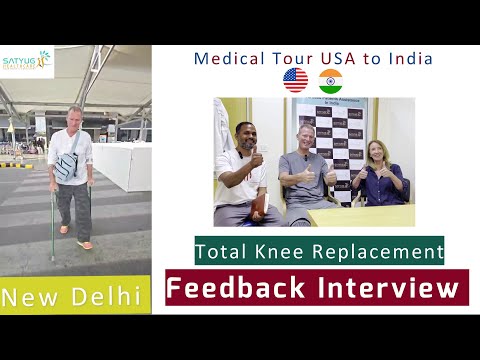
What Our Patients Are Saying
















Our Gallery