Standard Microvascular Decompression (MVD)
Assistance
Consultation
Services
Opinion
Care Coordination
What will your treatment cost?
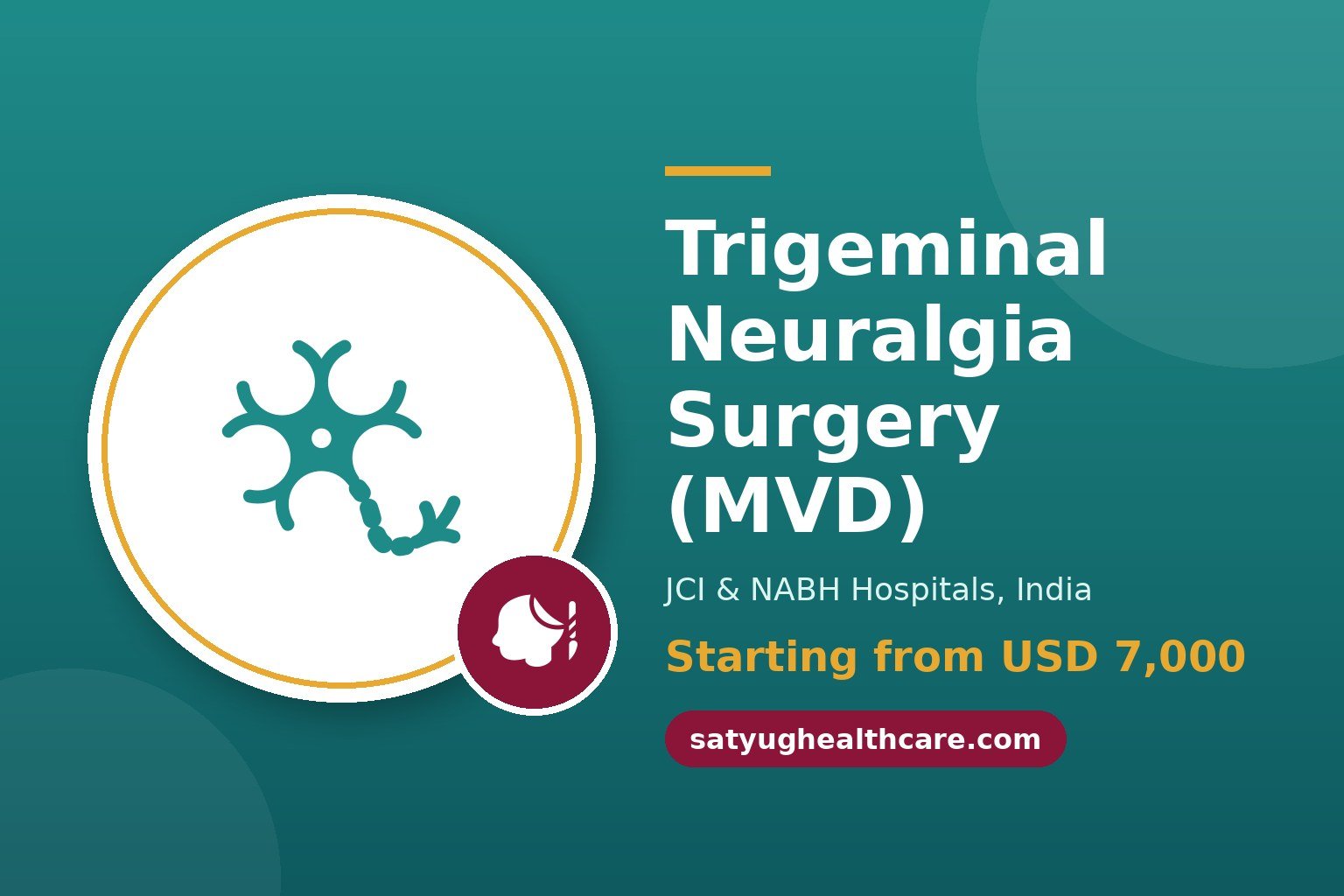
| Surgery Name | Cost | Room | Hospitalization |
|---|---|---|---|
| Standard Microvascular Decompression (MVD) | 7000 USD | Twin Sharing / Private Room | 5-7 days in hospital (1-2 days in ICU); total stay in India about 2-3 weeks |
| Standard Microvascular Decompression (MVD) | 7000 USD | Twin Sharing | 5-6 days hospital (incl. 1 day ICU) |
| Endoscope-Assisted MVD | 8000 USD | Twin Sharing | 5-6 days hospital (incl. 1 day ICU) |
| MVD with Premium Private Room | 9500 USD | Private Room | 6-7 days hospital (incl. 1-2 days ICU) |
✓ Inclusion
- Hospital stay for the package duration in the chosen room category, including ICU stay as per protocol.
- Neurosurgeon, assistant surgeon and anaesthetist fees.
- Operation theatre charges, operating microscope, neuro-endoscope (where included) and intra-operative neuromonitoring.
- Teflon felt implant, routine consumables and standard medicines during the hospital stay.
- Routine pre-operative blood tests, ECG and chest X-ray done at the hospital.
- Nursing care, physiotherapy and meals for the patient (and one attendant where the room allows).
- Airport pick-up and drop, visa invitation letter and dedicated Satyug Healthcare coordinator.
- Post-discharge follow-up consultation before flying home.
✗ Exclusion
- Flights, visa fees and travel insurance
- Hotel / guest-house stay outside the hospital and food for attendants
- Pre-existing illness treatment, additional procedures or devices not mentioned in inclusions
- Extra hospital days, ICU stay or complications beyond the package
- Blood and blood products, special high-cost drugs and medicines after discharge
- Pre-procedure investigations done outside the package (if any)
Know More About Procedure & Surgery
Trigeminal Neuralgia Surgery (Microvascular Decompression) in India
Trigeminal neuralgia causes sudden, severe, electric-shock-like pain in the face, often set off by touching the face, chewing, talking or brushing the teeth. Many patients are helped by medicines such as carbamazepine at first, but over time the drugs can stop working or cause side effects that make daily life difficult. Microvascular decompression (MVD) treats the most common cause of the condition: a blood vessel pressing on the trigeminal nerve where it leaves the brainstem. By gently moving the vessel away and placing a small cushion between it and the nerve, MVD aims for long-lasting pain relief while keeping normal facial feeling. Leading neurosurgery centres in Delhi and Gurgaon perform this surgery regularly for international patients at a fraction of the cost in Western countries.
Cost of microvascular decompression for trigeminal neuralgia in India starts from USD 7000 at leading JCI / NABH accredited hospitals. 5-7 days in hospital (1-2 days in ICU); total stay in India about 2-3 weeks.
| Package | Cost (USD) | Room | Hospital stay |
|---|---|---|---|
| Standard Microvascular Decompression (MVD) | 7000 USD | Twin Sharing | 5-6 days hospital (incl. 1 day ICU) |
| Endoscope-Assisted MVD | 8000 USD | Twin Sharing | 5-6 days hospital (incl. 1 day ICU) |
| MVD with Premium Private Room | 9500 USD | Private Room | 6-7 days hospital (incl. 1-2 days ICU) |
Final cost depends on the hospital, room category, doctor, implants/medicines used and the patient's medical condition. Share your reports with Satyug Healthcare for a free written estimate.
About the Procedure
- MVD is a non-destructive operation: unlike rhizotomy or radiosurgery, it does not damage the nerve on purpose, so most patients keep normal sensation in the face after surgery.
- The surgeon makes a small opening (about the size of a large coin) in the skull behind the ear, known as a retrosigmoid craniotomy, and works under an operating microscope.
- The offending artery (most often the superior cerebellar artery) or vein is lifted away from the nerve root and kept apart with a small pad of Teflon felt that stays in place permanently.
- Many Indian centres now use a neuro-endoscope alongside the microscope to see vessel contacts that are hidden behind the nerve, and continuous neuromonitoring to protect hearing and facial nerve function.
- MVD is generally recommended for medically fit patients with classical trigeminal neuralgia whose MRI shows a vessel touching or compressing the nerve, especially younger and middle-aged patients who want the most durable result.
- For older patients or those with high surgical risk, the team may discuss less invasive alternatives such as percutaneous radiofrequency rhizotomy, balloon compression or Gamma Knife radiosurgery.
Purpose of the Procedure
- To remove the cause of the pain, the pressure of a blood vessel on the trigeminal nerve, rather than just masking the symptoms.
- To give long-term or permanent relief from attacks of facial pain in patients whose medicines no longer control them.
- To allow patients to reduce or stop anti-epileptic medicines that cause drowsiness, dizziness, memory problems or other side effects.
- To preserve normal facial sensation, which is a key advantage over destructive procedures.
- To restore normal eating, speaking, sleeping and social life, which are often severely restricted by trigeminal neuralgia.
- To provide a durable solution for younger patients who would otherwise face decades of medication or repeated procedures.
Diagnosis and Tests Before the Procedure
- Detailed consultation with a neurosurgeon to confirm the typical pattern of trigeminal neuralgia pain, triggers and response to medicines.
- Neurological examination of facial sensation, jaw muscles, hearing and other cranial nerves.
- High-resolution MRI of the brain with special sequences (such as FIESTA/CISS and MR angiography) to show whether a blood vessel is touching or compressing the trigeminal nerve.
- MRI is also used to rule out other causes of facial pain such as multiple sclerosis plaques or tumours near the nerve.
- Hearing test (audiometry) as a baseline, because the operation is performed close to the hearing nerve.
- Routine blood tests including complete blood count, kidney and liver function, blood sugar, clotting profile and viral markers.
- ECG, chest X-ray and, where needed, echocardiography and a physician or cardiology review for fitness for general anaesthesia.
- Review of current medicines, especially blood thinners, which may need to be stopped before surgery.
Step-by-Step Procedure
- Admission: the patient is admitted a day before or on the morning of surgery after reports are reviewed and consent is taken.
- Anaesthesia: the operation is done under general anaesthesia; neuromonitoring electrodes are placed to watch hearing and facial nerve function throughout.
- Positioning and incision: the patient lies on the side, and a small incision is made behind the ear on the side of the pain.
- Craniotomy: a small window of bone is removed and the covering of the brain is opened to reach the space where the trigeminal nerve leaves the brainstem.
- Decompression: under the microscope (and endoscope if used), the surgeon finds the vessel pressing on the nerve, gently separates it and places a Teflon felt pad between them.
- Closure: the brain covering is closed watertight, the bone window is repaired and the skin is stitched; the surgery usually takes 2-4 hours.
- ICU care: the patient spends about 24 hours in the neuro-ICU for close monitoring before moving to the ward.
- Ward recovery: the patient starts walking within 1-2 days; pain medicines are adjusted and anti-epileptic drugs are tapered as advised by the surgeon.
- Discharge: most patients go home 5-7 days after surgery with a written plan for medicines, wound care and follow-up.
Risks and Possible Complications
- Headache, neck stiffness, nausea and dizziness in the first days after surgery, which usually settle with medicines.
- Leak of cerebrospinal fluid (CSF) from the wound or nose, which may need extra stitches, a lumbar drain or, rarely, another operation.
- Hearing loss on the operated side, which is uncommon when neuromonitoring is used.
- Numbness or altered sensation in part of the face, usually mild and often temporary.
- Temporary weakness of the facial muscles or double vision from irritation of nearby nerves.
- Wound infection or meningitis, which are treated with antibiotics.
- Rare but serious complications such as bleeding, stroke or injury to the cerebellum, as with any brain surgery.
- Recurrence of pain in a minority of patients over the years, which may need further treatment.
Your specialist will explain the risks specific to your condition. Choosing an experienced, high-volume hospital keeps complication rates low.
Recovery and Aftercare
- Many patients notice relief from the typical shock-like pain as soon as they wake up, although in some it fades gradually over a few weeks.
- Most patients spend 5-7 days in hospital and are then advised to stay in India for about 10-14 more days for wound review and stitch removal.
- Light daily activities can usually be resumed within 2-3 weeks; heavy lifting and strenuous exercise should be avoided for about 6 weeks.
- Anti-epileptic medicines are reduced step by step under the surgeon's guidance and should never be stopped suddenly.
- Patients are usually fit to fly 10-14 days after surgery once the neurosurgeon confirms the wound is healed and there is no CSF leak.
- Desk work can often be resumed in 4-6 weeks, depending on energy levels and the nature of the job.
- Follow-up is arranged by video consultation after return home, with a review MRI only if new symptoms appear.
Why Choose India for Microvascular decompression for trigeminal neuralgia?
- JCI and NABH accredited hospitals with the latest medical technology
- Highly experienced specialists, many trained in the USA, UK and Europe
- Cost 60-80% lower than the USA, UK, Gulf countries and Singapore, with the same international-standard care
- No waiting lists - treatment can usually be scheduled within days of arrival
- Free end-to-end support from Satyug Healthcare: opinions, visa letter, airport pickup, interpreter and accommodation
Step-by-Step Process to Travel to India for Treatment
- Share your reports - send your latest reports, scans/CD, angiography or echo films and passport copy to Satyug Healthcare on WhatsApp (+91-8860606766 / +91-9910655125) or email.
- Free medical opinion & cost estimate - within 24-72 hours we share opinions and written cost estimates from 2-3 JCI/NABH-accredited hospitals and specialists.
- Choose hospital & doctor - compare doctor experience, hospital, room category and total cost; we help you decide with no extra charge.
- Visa Invitation Letter (VIL) - the hospital issues a VIL for the patient and up to two attendants; we arrange it within 24-48 hours.
- Apply for Indian e-Medical Visa - apply online for the e-Medical Visa (patient) and e-Medical Attendant Visa (family) using the VIL; most approvals come in 3-5 working days.
- Book flights & accommodation - we suggest flights and arrange a guest house, service apartment or hotel near the hospital to suit your budget.
- Free airport pickup - our representative receives you at the airport and takes you to your hotel or directly to the hospital.
- Hospital admission & treatment - a dedicated coordinator and language interpreter stay with you for registration, tests, doctor consultations, the procedure and billing.
- Discharge & follow-up - you receive the discharge summary, prescriptions and fitness-to-fly certificate; follow-up checks are done before you fly.
- Return home & tele-follow-up - we arrange airport drop and stay connected for online follow-up consultations with your doctor in India.
Contact Satyug Healthcare - International Patient Helpdesk: +91-8860606766 | +91-9910655125 (WhatsApp available) for a free medical opinion and cost estimate.
Frequently Asked Questions
The cost of microvascular decompression for trigeminal neuralgia in India starts from USD 7000. Standard Microvascular Decompression (MVD): USD 7000; Endoscope-Assisted MVD: USD 8000; MVD with Premium Private Room: USD 9500. The final cost depends on the hospital, room category and medical condition.
Trigeminal Neuralgia Surgery (Microvascular Decompression) Cost in India starts from USD 7000 at JCI/NABH hospitals. Procedure, purpose, tests, risks, recovery and travel steps. Free opinion from Satyug Healthcare.









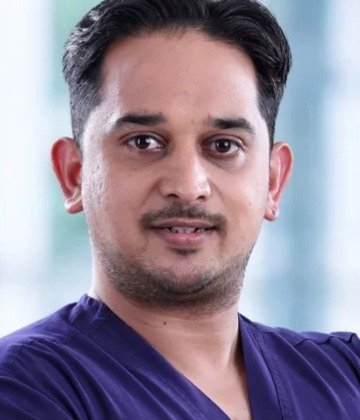




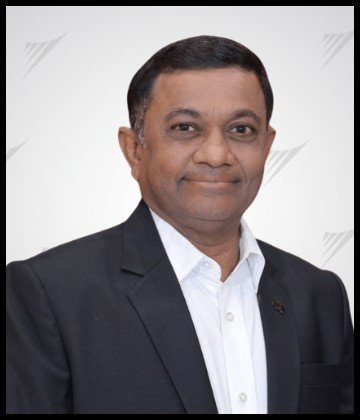
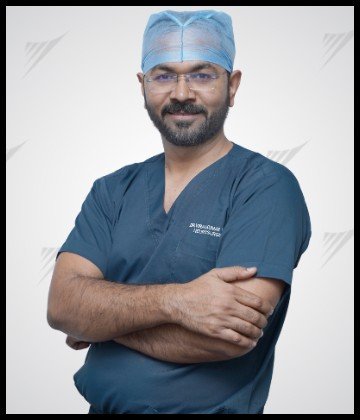
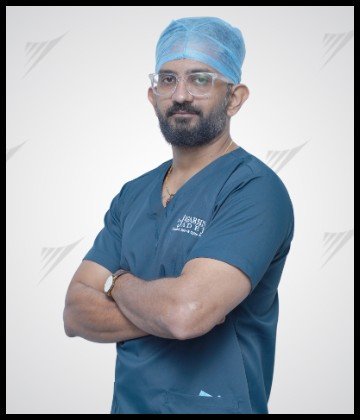
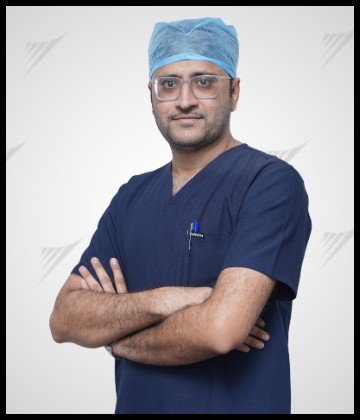
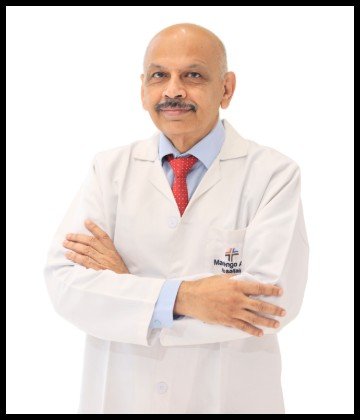


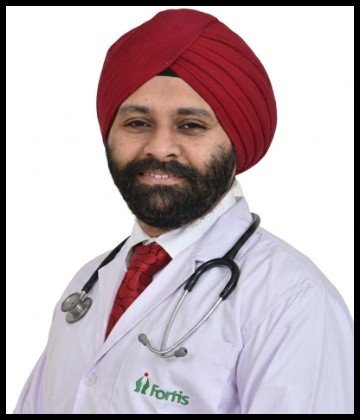
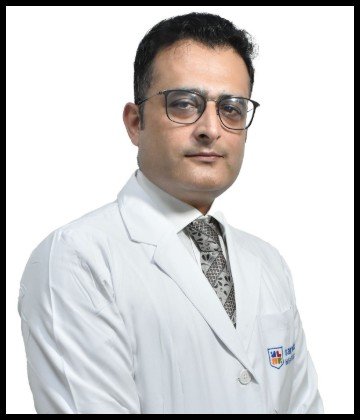

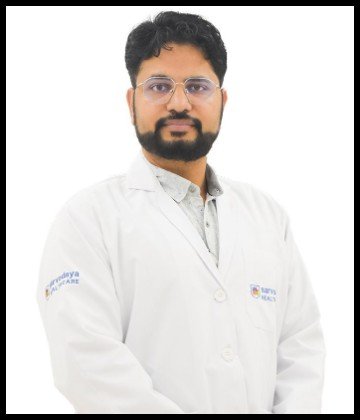
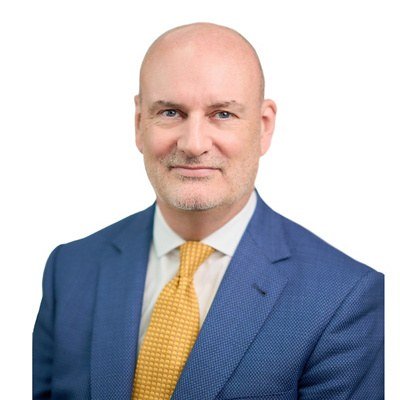
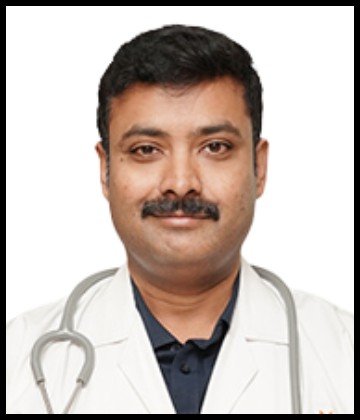
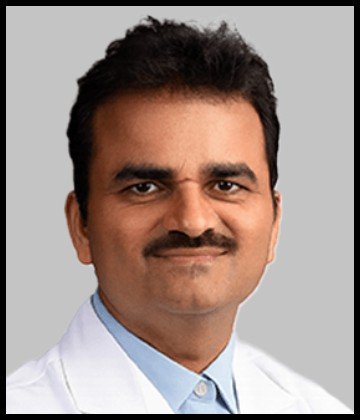
![Dr. Vishal Mangla [MBBS, MS, MCh - Neurosurgery] - Doctor at Satyug Healthcare](https://satyughealthcare.com/uploads/doctors/eb87f4dc09d95b25819f063d4aefb674.jpg)






































TOP HOSPITALS
Special High-quality Hospitals


HAPPY PATIENTS
What Our Patients Are Saying



























Our Gallery