Assistance
Consultation
Services
Opinion
Care Coordination
What will your treatment cost?
Astrocytoma Treatment in India
Released Date: 2021-02-08

What is Astrocytoma?
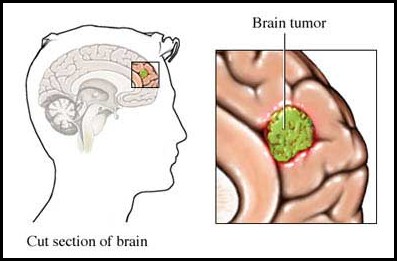
Astrocytoma is a type of cancer that forms in the brain or spinal cord. Astrocytoma begins in cells called astrocytes that support nerve cells. Astrocytomas that occur in the brain can cause seizures, headaches and nausea. Astrocytomas that occur in the spinal cord can cause weakness and disability in the area affected by the growing tumor. Astrocytoma can be a slow-growing tumor, or it can be an aggressive cancer that grows quickly. The aggressiveness (grade) of your astrocytoma determines your prognosis and treatment options.
Symptoms
Common symptoms of astrocytomas are the following:
- Persistent headaches
- Headaches which are worse in the morning or cause awakening from sleep
- Double or blurred vision
- Speech problems
- Decreased cognitive abilities
- Grasp or limb weakness
- New seizures
Diagnosis
- Neurological exam. Doctor may check your vision, hearing, balance, coordination, strength and reflexes. Problems in one or more of these areas may provide clues about the part of your brain that could be affected by a brain tumor.
- Imaging tests. Imaging tests can help your doctor determine the location and size of your brain tumor. MRI is often used to diagnose brain tumors, and it may be used along with specialized MRI imaging, such as functional MRI, perfusion MRI and magnetic resonance spectroscopy. Other imaging tests may include CT and positron emission tomography (PET).
- Removing a sample of tissue for testing (biopsy). A biopsy can be done with a needle before surgery or during surgery to remove your astrocytoma, depending on your particular situation and the location of your tumor. The sample of suspicious tissue is analyzed in a laboratory to determine the types of cells and their level of aggressiveness.
Treatment
Surgery
Surgery is usually the first step in treating an astrocytoma. In some cases, your doctor may be able to remove all or most of the tumor. However, anaplastic astrocytomas grow quickly, so your doctor may only be able to safely remove part of the tumor.
Chemotherapy and radiation therapy
If your tumor can’t be removed with surgery, or only part of it was removed, you may need radiation therapy. Radiation therapy destroys rapidly dividing cells, which tend to be cancerous. This will help to shrink the tumor or destroy any parts that weren’t removed during surgery. You may also be given chemotherapy medication, such as temozolomide (Temodar), during or after radiation therapy. Chemotherapy is often used after surgery to kill any cancer cells that might remain. It can be combined with radiation therapy for aggressive cancers.
Frequently asked questions
Q.Is an astrocytoma malignant or benign?
An astrocytoma is a type of brain tumor that develops in astrocytes. These are the star-shaped cells in the brain that hold nerve cells in place. An astrocytoma can be harmless (benign) or cancerous (malignant). Astrocytomas are most common in middle-aged men, but they can occur in children, too.
Q.Is astrocytoma deadly?
Grade 1 and grade 2 astrocytomas grow slowly and are benign, meaning they're not cancerous. Grade 3 and grade 4 astrocytomas grow faster and are malignant, which means they're cancerous. An anaplastic astrocytoma is a grade 3 astrocytoma. While they're rare, they can be very serious if left untreated.
Q.Is astrocytoma inherited?
Inheritance. Anaplastic astrocytomas are usually not inherited . These tumors typically occur sporadically, in people with no family history of astrocytomas. In most cases, the exact cause is unknown.
Q.How does astrocytoma affect the body?
Astrocytomas increase the pressure in the brain (intracranial pressure), which causes headaches, nausea, and vomiting. Other symptoms experienced may depend on the type and location of the tumor. You may experience seizures, neck pain, or dizziness. You may lose your appetite.
Q.How long does it take to recover after surgery?
It can take some time to recover from your brain tumor operation. Everyone takes a different amount of time to recover. You might stay in hospital for around 3 to 10 days after surgery. How long you stay in hospital depends on your operation and how long you take to recover.
Q.What are the side effects after brain tumor surgery?
- Cataracts
- Problems with thinking, memory, language or judgment
- Epilepsy
- Hearing loss
- Infertility
- Migraine attacks
- A tumor developing somewhere else.
- Numbness, pain, weakness or loss of vision resulting from nerve damage (but these complications are rare)
Related Blogs
HAPPY PATIENTS
What Our Patients Are Saying



























Our Gallery