Assistance
Consultation
Services
Opinion
Care Coordination
What will your treatment cost?
Pott's Spine or Spinal tuberculous spondylitis Treatment in India
Released Date: 2025-03-04

Pott's Spine (Spinal Tuberculous Spondylitis): Causes, Symptoms, Diagnosis, and Treatment
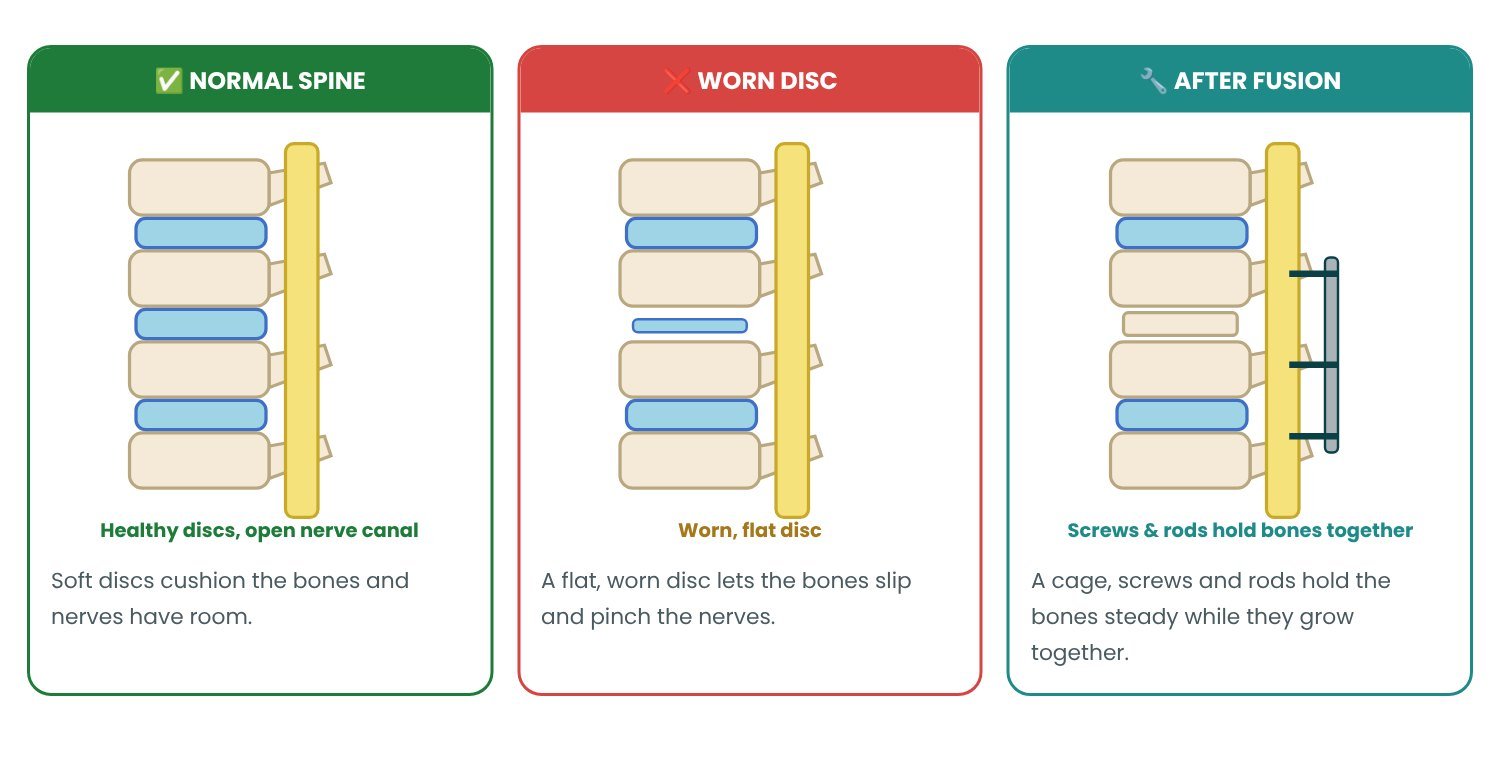
🖼️ Understand It in Pictures
Normal vs worn spine disc
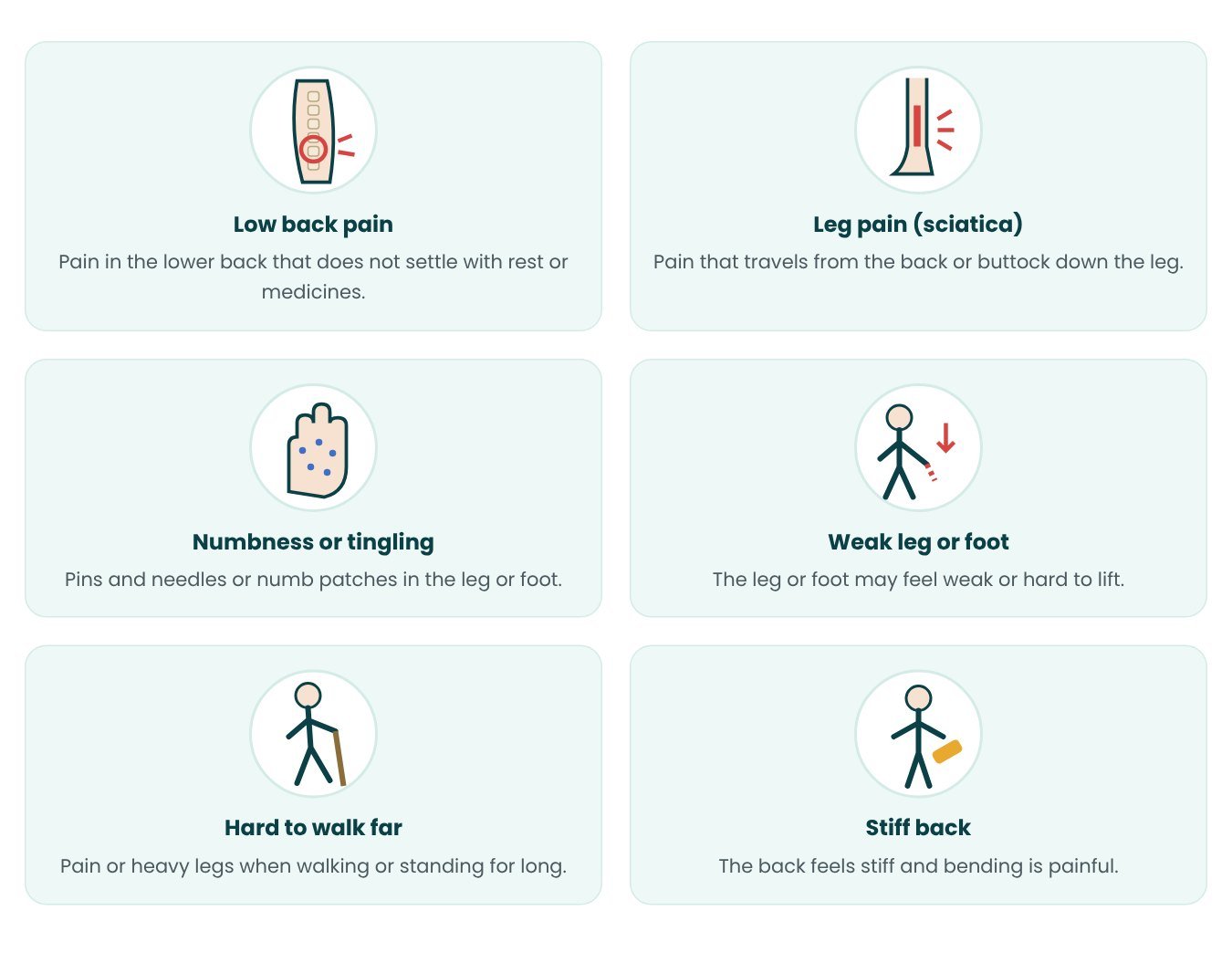
👀 Symptoms in Pictures
🩻 Scans & Tests — What Doctors See


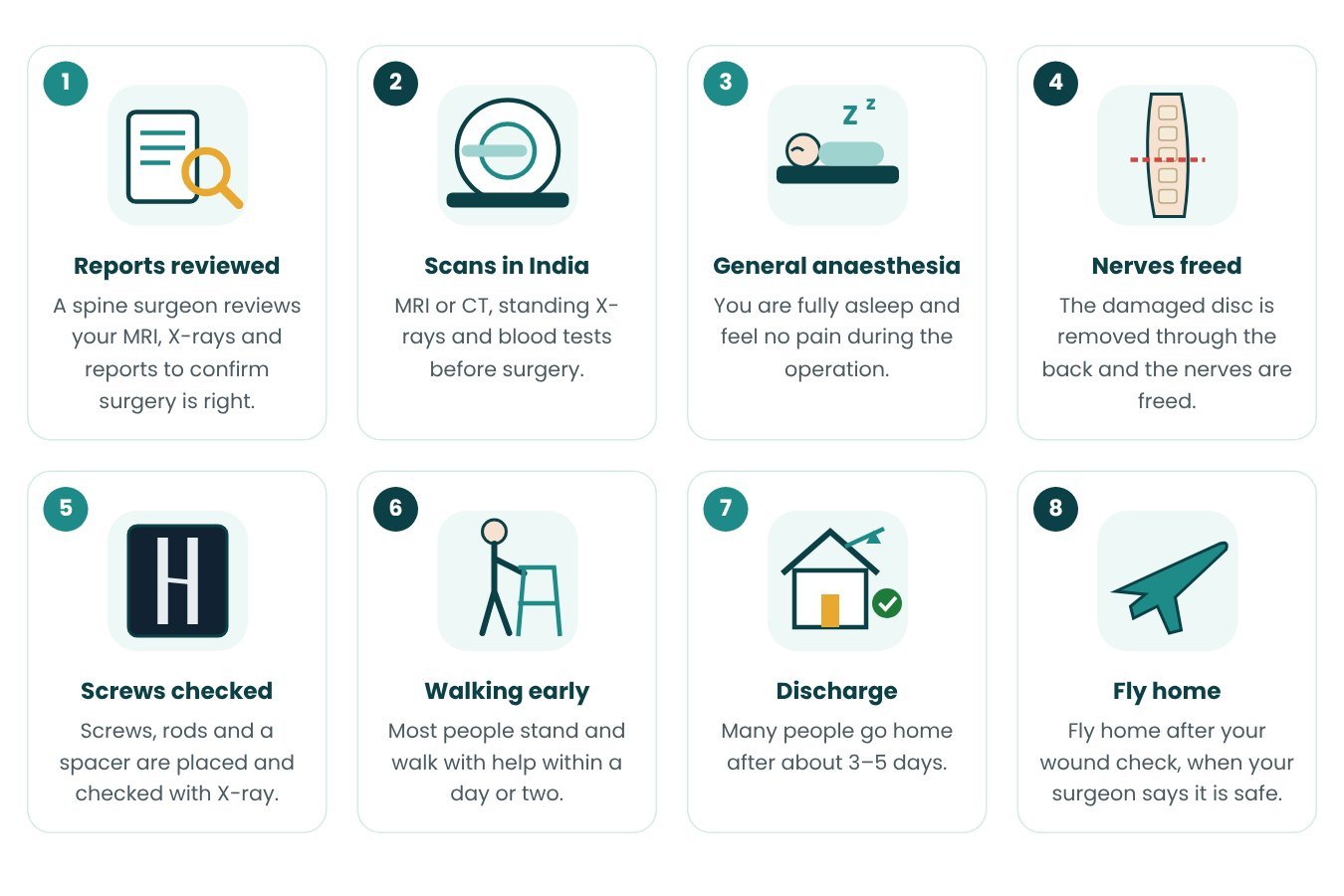
🎬 The Treatment Journey in Pictures

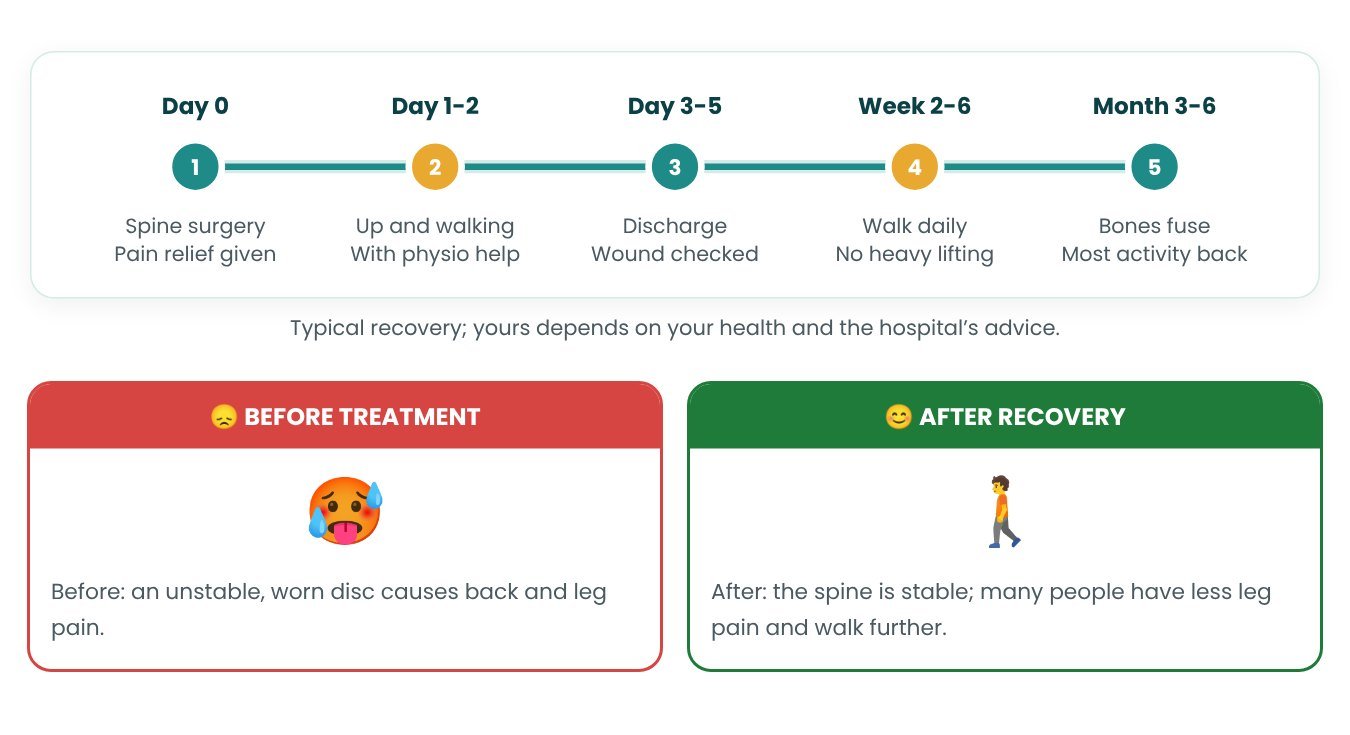
📅 Recovery at a Glance
Drawings: Satyug Healthcare (simplified, not to scale). Photos: Wikimedia Commons; author and licence under each photo.
1. What is Pott's Spine (Spinal Tuberculous Spondylitis)?
Pott's Spine, also known as Spinal Tuberculous Spondylitis, is a form of tuberculosis that affects the spine. It is caused by the Mycobacterium tuberculosis bacteria and can destroy the spinal bones (vertebrae), causing a severe curve in the spine (deformity) and nerve problems.
2. Types of Pott's Spine (Spinal Tuberculous Spondylitis)
- Cervical Pott’s Spine – Affects the neck region.
- Thoracic Pott’s Spine – Commonly affects the mid-back (thoracic spine).
- Lumbar Pott’s Spine – Involves the lower back (lumbar vertebrae).
- Multifocal Pott’s Disease – Affects multiple areas of the spine.

3. Causes of Pott's Spine (Spinal Tuberculous Spondylitis)
- Infection by Mycobacterium tuberculosis.
- Weakened immune system (HIV/AIDS, diabetes, malnutrition).
- Poor hygiene and living conditions.
- Close contact with tuberculosis patients.
- Untreated pulmonary tuberculosis spreading to the spine.
4. Symptoms of Pott's Spine (Spinal Tuberculous Spondylitis)
- Chronic back pain.
- Stiffness and difficulty in movement.
- Spinal deformity (kyphosis/hunchback).
- Neurological symptoms like weakness, numbness, or paralysis.
- Unexplained weight loss and fever.
- Formation of cold abscesses near the spine.
5. Diagnosis of Pott's Spine (Spinal Tuberculous Spondylitis)
- X-ray & MRI scans – To detect spinal deformities and abscesses.
- CT scan – Provides detailed imaging of the affected vertebrae.
- TB tests (Mantoux skin test, IGRA blood test) – To check for TB infection.
- Blood tests (ESR, CRP) – To check for inflammation.
- Biopsy – A small sample of the affected bone or pus is tested to confirm the presence of Mycobacterium tuberculosis.
- Sputum test – If pulmonary TB is suspected.
6. Prevention of Pott's Spine (Spinal Tuberculous Spondylitis)
- Early detection and treatment of tuberculosis.
- Maintaining a healthy immune system through proper nutrition.
- Vaccination with BCG vaccine.
- Avoiding close contact with TB-infected individuals.
7. Risks of Untreated Pott's Spine (Spinal Tuberculous Spondylitis)
- Permanent spinal deformity.
- Paralysis due to spinal cord compression.
- Chronic pain and disability.
- Spread of TB to other organs (lungs, brain, kidneys).
- Severe neurological complications.
8. Treatment Methods for Pott's Spine (Spinal Tuberculous Spondylitis)
1. Medications
- Anti-Tuberculosis Therapy (ATT): A combination of antibiotics (Isoniazid, Rifampicin, Pyrazinamide, Ethambutol) for 6-12 months, or longer if the doctor advises. This is the main treatment, and many patients need no surgery.
- Pain relievers to control pain; steroids only in selected cases, as advised by the doctor.
2. Surgical Treatment
Surgery is needed only for some patients, for example when there is pressure on the spinal cord or nerves, an unstable spine, a large abscess or a severe deformity.
- Spinal decompression surgery – To relieve pressure on nerves and spinal cord.
- Spinal fusion – To stabilize the affected vertebrae.
- Abscess drainage – Removal of pus or infected tissue.
3. Physiotherapy and Rehabilitation
- Helps improve movement and muscle strength after treatment.
- Helps prevent long-term spinal problems.
9. FAQs About Pott’s Spine (Spinal Tuberculous Spondylitis)
- Q1. Is Pott’s disease curable? A: Yes. When it is caught early, Pott's disease can usually be cured with anti-tuberculosis medicines, with surgery when needed. Early treatment lowers the risk of deformity and serious nerve damage.
- Q2. Can Pott’s disease cause permanent disability? A: If left untreated, it can lead to spinal deformity and paralysis. Early treatment prevents complications.
- Q3. How long does treatment take? A: Medicine treatment usually lasts 6-12 months, sometimes longer, depending on severity.
- Q4. Can Pott’s Spine recur after treatment? A: Recurrence is rare if the full anti-TB treatment is completed and proper follow-up care is maintained.
- Q5. Can Pott’s Spine affect children? A: Yes, children with weak immune systems or TB exposure are at risk.
10. How Satyug Healthcare Helps International Patients Get Pott's Spine Treatment in India
Satyug Healthcare is a leading medical tourism company assisting international patients with Pott’s Spine treatment in India. Our services include:
- Consultation with top spine surgeons and neurosurgeons.
- Medical visa assistance and travel planning.
- Treatment at leading hospitals in India.
- Affordable treatment packages.
- Post-treatment care, follow-up, and rehabilitation support.
Why Choose India for Pott’s Spine Treatment?
- Cost-effective treatment compared to Western countries.
- Advanced surgical techniques and medical expertise.
- Internationally accredited hospitals providing world-class care.
- No long waiting periods for surgery and treatment.
If you or a loved one is seeking Pott’s Spine treatment in India, Satyug Healthcare helps you with every step, from diagnosis to recovery.
For more details, visit Satyug Healthcare or contact our support team for personalized assistance.
Related Blogs



HAPPY PATIENTS
What Our Patients Are Saying



























Our Gallery