Assistance
Consultation
Services
Opinion
Care Coordination
What will your treatment cost?
Glioblastoma treatment in India
Released Date: 2021-02-26

What is Glioblastoma?
Glioblastoma is a type of very aggressive brain tumor. Glioblastoma is one of a group of tumors called astrocytomas. These tumors start in astrocytes — star-shaped cells that nourish and support nerve cells (neurons) in your brain. However, a glioblastoma can contain many different types of brain cells — including dead brain cells. This type of tumor grows very fast inside the brain. Its cells copy themselves quickly, and it has a lot of blood vessels to feed it. However, it rarely spreads to other parts of the body.
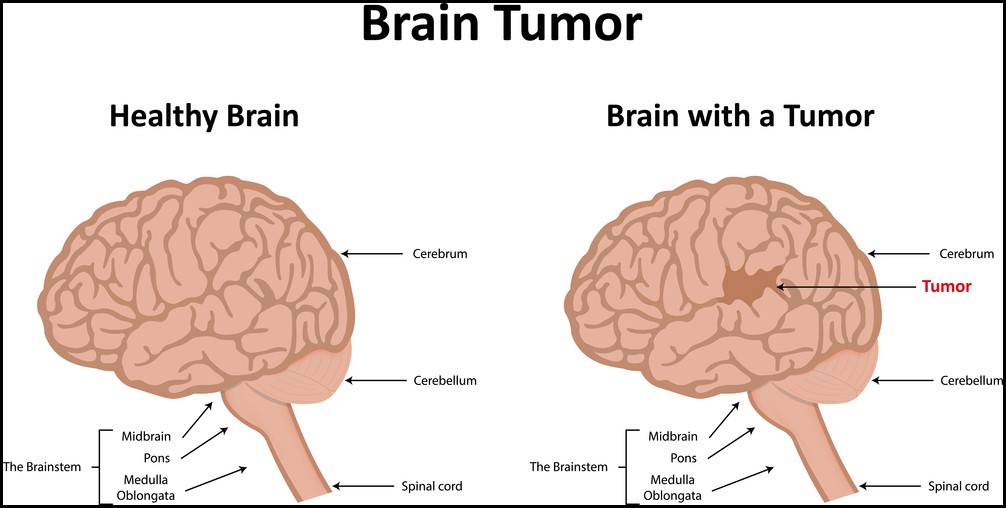
Types of Glioblastoma
There are two types of glioblastoma:
- Primary (de novo) is the most common type of glioblastoma. It’s also the most aggressive form.
- Secondary glioblastoma Secondary glioblastoma is less common and slower growing. It usually starts from a lower-grade, less aggressive astrocytoma. It affects about 10 percent of people with this type of brain cancer. Most people who get this form of cancer are age 45 or younger.
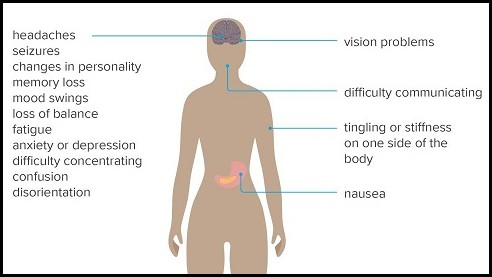
Symptoms
The symptoms of glioma vary by tumor type as well as the tumor's size, location and rate of growth.
Causes/Risk factors
Like most primary brain tumors, the exact cause of gliomas is not known. But there are some factors that may increase your risk of a brain tumor. Risk factors include:
- Your age. Your risk of a brain tumor increases as you age. Gliomas are most common in adults between ages 45 and 65 years old. However, a brain tumor can occur at any age. Certain types of gliomas, such as ependymomas and pilocytic astrocytomas, are more common in children and young adults.
- Exposure to radiation. People who have been exposed to a type of radiation called ionizing radiation have an increased risk of brain tumor. Examples of ionizing radiation include radiation therapy used to treat cancer and radiation exposure caused by atomic bombs. More-common forms of radiation, such as electromagnetic fields from power lines and radiofrequency radiation from microwave ovens have not been shown to increase the risk of glioma. It isn't clear whether cellphone use increases the risk of brain cancer. Some studies have found a possible association between cellphone use and a type of brain cancer called acoustic neuroma. Many other studies have found no association. Because cellphones are a relatively new factor, more long-term research is needed to understand the potential impact on cancer risk.
- Family history of glioma. It's rare for glioma to run in families. But having a family history of glioma can double the risk of developing it. Some genes have been weakly associated with glioma, but more study is needed to confirm a link between these genetic variations and brain tumors.
Diagnosis
Tests and procedures used to diagnose glioblastoma include:
- Neurological exam. Doctor may check your vision, hearing, balance, coordination, strength and reflexes. Problems in one or more of these areas may provide clues about the part of your brain that could be affected by a brain tumor.
- Imaging tests. Imaging tests can help your doctor determine the location and size of your brain tumor. MRI is often used to diagnose brain tumors, and it may be used along with specialized MRI imaging, such as functional MRI and magnetic resonance spectroscopy. Other imaging tests may include CT and positron emission tomography (PET).
- Removing a sample of tissue for testing (biopsy). A biopsy can be done with a needle before surgery or during surgery to remove your glioblastoma, depending on your particular situation and the location of your tumor. The sample of suspicious tissue is analyzed in a laboratory to determine the types of cells and their level of aggressiveness.
Treatment
Glioblastoma treatment options include:
- Surgery to remove the glioblastoma. Brain surgeon (neurosurgeon) will work to remove the glioblastoma. The goal is to remove as much of the tumor as possible. But because glioblastoma grows into the normal brain tissue, complete removal isn't possible. For this reason, most people receive additional treatments after surgery to target the remaining cells.
- Radiation therapy. Radiation therapy uses high-energy beams, such as X-rays or protons, to kill cancer cells. During radiation therapy, you lie on a table while a machine moves around you, directing beams to precise points in your brain. Radiation therapy is usually recommended after surgery and may be combined with chemotherapy. For people who can't undergo surgery, radiation therapy and chemotherapy may be used as a primary treatment.
- Chemotherapy. Chemotherapy uses drugs to kill cancer cells. In some cases, thin, circular wafers containing chemotherapy medicine may be placed in your brain during surgery. The wafers dissolve slowly, releasing the medicine and killing cancer cells. Other types of chemotherapy may be recommended if your glioblastoma recurs. These other types of chemotherapy are often administered through a vein in your arm.
- Tumor treating fields (TTF) therapy. TTF uses an electrical field to disrupt the tumor cells' ability to multiply. TTF involves applying adhesive pads to your scalp. The pads are connected to a portable device that generates the electrical field. TTF is combined with chemotherapy and may be recommended after radiation therapy.
- Targeted drug therapy. Targeted drugs focus on specific abnormalities in cancer cells that allow them to grow and thrive. The drugs attack those abnormalities, causing the cancer cells to die. Bevacizumab (Avastin) targets the signals that glioblastoma cells send to the body that cause new blood vessels to form and deliver blood and nutrients to cancer cells. Bevacizumab may be an option if your glioblastoma recurs or doesn't respond to other treatments.
- Supportive (palliative) care. Palliative care is specialized medical care that focuses on providing relief from pain and other symptoms of a serious illness. Palliative care specialists work with you, your family and your other doctors to provide an extra layer of support that complements your ongoing care. Palliative care can be used while undergoing other aggressive treatments, such as surgery, chemotherapy or radiation therapy.
If you have any related query, you can send us your report on below mention email address or you can call us or whatsApp for any second opinion.
Video/tele consultation also available
E-mail address- query@satyughealthcare.com
Phone number- +91888-242-4372, +91991-065-5125
Frequently asked questions
Q.How long can you have glioblastoma before symptoms?
At the moment, don't have any way to detect the tumors until patients have symptoms, which is typically three months before diagnosis.
Q.What does a glioblastoma headache feel like?
If you have a glioblastoma headache, you will likely start experiencing pain shortly after waking up. The pain is persistent and tends to get worse whenever you cough, change positions or exercise. You may also experience throbbing—although this depends on where the tumor is located—as well as vomiting.
Q.What are the final stages of glioblastoma?
The most commonly reported symptoms in the last phase of our cohort of HGG patients were drowsiness, dysphagia, progressive neurological deficits, seizures, incontinence, progressive cognitive deficits, and headaches.
Q.How fast does glioblastoma progress?
The cancerous cells of GBM spread quickly. The tumor spreads insidiously through the brain without a clear border, making it difficult if not impossible to completely remove surgically. The average time from first symptoms to death is approximately 14 to 16 months, though this varies somewhat between individuals.
Q.Is glioblastoma cancer curable?
Although there is no cure for glioblastoma, patients with this malignancy have many treatment options available to them.
Q.What are the chances of surviving glioblastoma?
The average survival time is 12-18 months - only 25% of glioblastoma patients survive more than one year, and only 5% of patients survive more than five years.
Related Blogs
HAPPY PATIENTS
What Our Patients Are Saying






























Our Gallery