Spine scoliosis deformity correction surgery cost in India
Assistance
Consultation
Services
Opinion
Care Coordination
What will your treatment cost?

| Surgery Name | Cost | Room | Hospitalization |
|---|---|---|---|
| Spine scoliosis deformity correction surgery cost in India | $12000-$14000 | Single | 4 days ward + 1 ICU |
✓ Inclusion
1.Room Rent,
2.Cost of Surgery
3.Consultation by Primary Team in Package days
4. Basic Investigations
5. Routine Pharmacy and Consumables
6.Patient Food.
✗ Exclusion
1.Overstay more than package days
2. Any other Speciality Consultations
3. Special Equipment
4. Additional Procedure/Surgery
5. Blood Components
Know More About Procedure & Surgery
🇮🇳 Medical Package — India
scoliosis deformity correction surgery cost in India
World-class treatment • NABH & JCI Accredited Hospitals • Save up to 80% vs USA/UK
What is Scoliosis?
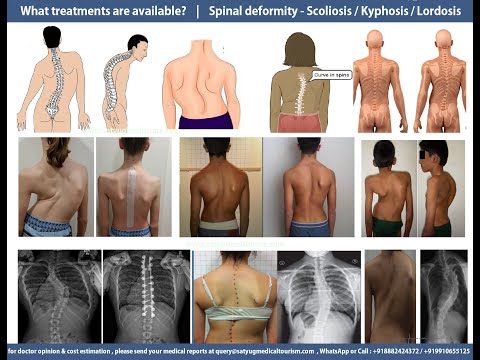
Scoliosis is a sideways curvature of the spine that occurs most often during the growth spurt just before puberty. While scoliosis can be caused by conditions such as cerebral palsy and muscular dystrophy, the cause of most scoliosis is unknown. About 3% of adolescents have scoliosis. Most cases of scoliosis are mild, but some spine deformities continue to get more severe as children grow. Severe scoliosis can be disabling. An especially severe spinal curve can reduce the amount of space within the chest, making it difficult for the lungs to function properly.
Symptoms
- ✓Uneven shoulders
- ✓One shoulder blade that appears more prominent than the other
- ✓Uneven waist
- ✓One hip higher than the other
Causes
- ✓Neuromuscular conditions, such as cerebral palsy or muscular dystrophy
- ✓Birth defects affecting the development of the bones of the spine
- ✓Injuries to or infections of the spine
Risk factors for developing the most common type of scoliosis include:
- ✓Age. Signs and symptoms typically begin during the growth spurt that occurs just prior to puberty.
- ✓Sex. Although both boys and girls develop mild scoliosis at about the same rate, girls have a much higher risk of the curve worsening and requiring treatment.
- ✓Family history. Scoliosis can run in families, but most children with scoliosis don't have a family history of the disease.
Diagnosis
During the physical exam, your doctor may have your child stand and then bend forward from the waist, with arms hanging loosely, to see if one side of the rib cage is more prominent than the other.
Your doctor may also perform a neurological exam to check for:
- ✓Muscle weakness
- ✓Numbness
- ✓Abnormal reflexes
🔎 Imaging tests
Plain X-rays can confirm the diagnosis of scoliosis and reveal the severity of the spinal curvature. If a doctor suspects that an underlying condition — such as a tumor — is causing the scoliosis, he or she may recommend additional imaging tests, such as an MRI.
Treatment
Most children with scoliosis have mild curves and probably won't need treatment with a brace or surgery. Children who have mild scoliosis may need regular checkups to see if there have been changes in the curvature of their spines as they grow. While there are guidelines for mild, moderate and severe curves, the decision to begin treatment is always made on an individual basis. Factors to be considered include:
- ✓Sex. Girls have a much higher risk of progression than do boys.
- ✓Severity of curve. Larger curves are more likely to worsen with time.
- ✓Curve pattern. Double curves, also known as S-shaped curves, tend to worsen more often than do C-shaped curves.
- ✓Location of curve. Curves located in the center (thoracic) section of the spine worsen more often than do curves in the upper or lower sections of the spine.
- ✓Maturity. If a child's bones have stopped growing, the risk of curve progression is low. That also means that braces have the most effect in children whose bones are still growing.
Braces
If your child's bones are still growing and he or she has moderate scoliosis, your doctor may recommend a brace. Wearing a brace won't cure scoliosis or reverse the curve, but it usually prevents further progression of the curve. The most common type of brace is made of plastic and is contoured to conform to the body. This brace is almost invisible under the clothes, as it fits under the arms and around the rib cage, lower back and hips. Braces are discontinued after the bones stop growing. This typically occurs:
- ✓About two years after girls begin to menstruate
- ✓When boys need to shave daily
- ✓When there are no further changes in height
Surgery
Severe scoliosis typically progresses with time, so your doctor might suggest scoliosis surgery to reduce the severity of the spinal curve and to prevent it from getting worse. The most common type of scoliosis surgery is called spinal fusion. In spinal fusion, surgeons connect two or more of the bones in the spine (vertebrae) together, so they can't move independently. Pieces of bone or a bone-like material are placed between the vertebrae. Metal rods, hooks, screws or wires typically hold that part of the spine straight and still while the old and new bone material fuses together. If the scoliosis is progressing rapidly at a young age, surgeons can install a rod that can adjust in length as the child grows. This growing rod is attached to the top and bottom sections of the spinal curvature, and is usually lengthened every six months.
Benefits of Scoliosis Surgery
- 1Stop the curve’s progression :- When scoliosis requires surgery, it is usually because the deformity is continuing to worsen. Therefore, scoliosis surgery should at the very least prevent the curve from getting any worse.
- 2Reduce the deformity :- Depending on how much flexibility is still in the spine, scoliosis surgery can often de-rotate the abnormal spinal twisting in addition to correcting the lateral curve by about 50% to 70%. These changes can help the person stand up straighter and reduce the rib hump in the back.
- 3Maintain trunk balance :- For any changes made to the spine’s positioning, the surgeon will also take into account overall trunk balance by trying to maintain as much of the spine’s natural front/back (lordosis/kyphosis) curvature while also keeping the hips and legs as even as possible.
for more details about medical visa, treatment plan , doctor profile and quotation kindly write us at query@satyughealthcare.com , Overseas Patient Helpdesk Call/WhatsApp: +91-8882424372,+91-9910655125
Free Medical Opinion
Expert review in 48 hours
Best Surgeon
Top specialists in India
Hospital Booking
NABH / JCI accredited
Visa Assistance
Invitation letter provided
Airport Transfer
Safe pickup & drop
Tele-Consultation
Video consult before travel
Hotel Booking
Near hospital, affordable
Multilingual Support
Arabic, French, English
📞 Get Started Today — It Is Free
Ready to Plan Your Treatment in India?
Send your medical reports and get a free expert opinion within 48 hours. Our coordinators speak Arabic, French and English.
Frequently Asked Questions
Scoliosis is a sideways curvature of the spine that occurs most often during the growth spurt just before puberty. While scoliosis can be caused by conditions such as cerebral palsy and muscular dystrophy, the cause of most scoliosis is unknown.
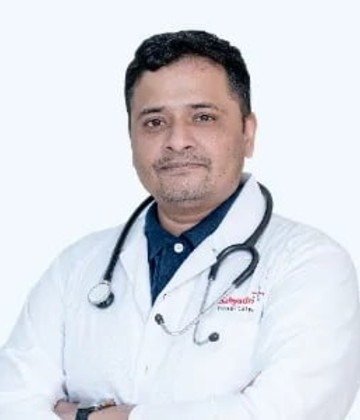
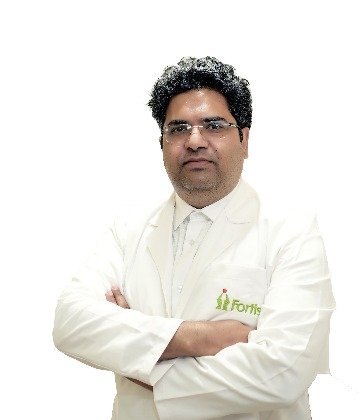
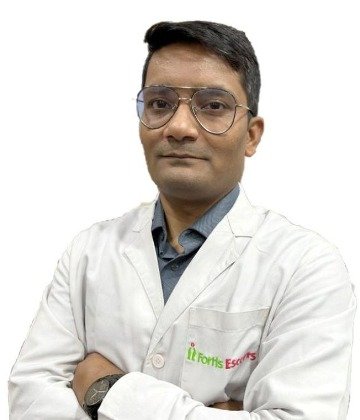
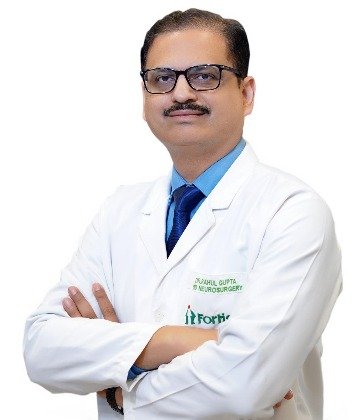
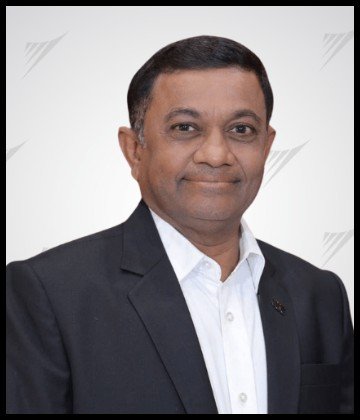
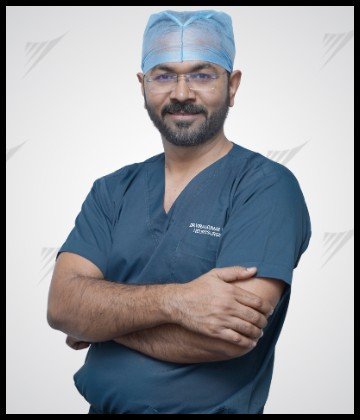
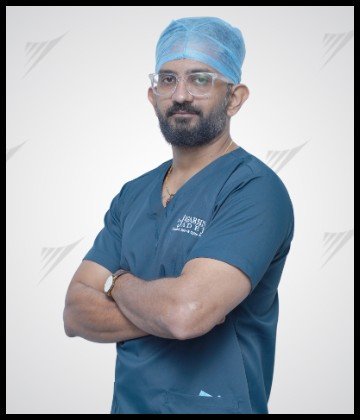
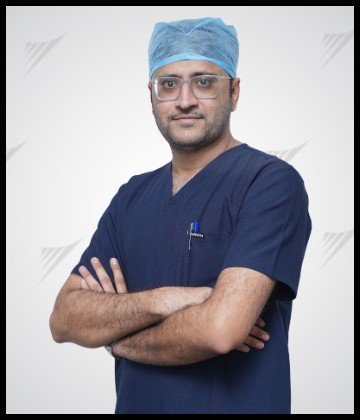
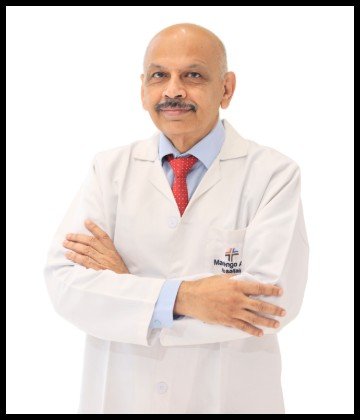
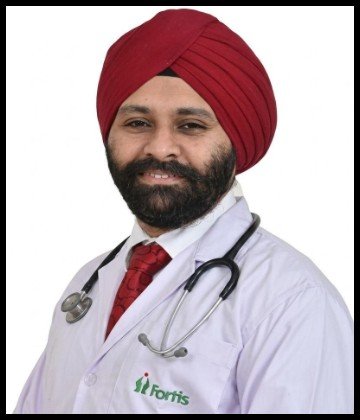
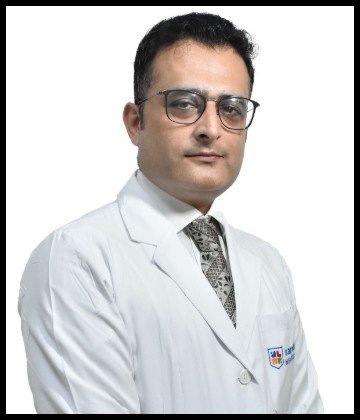
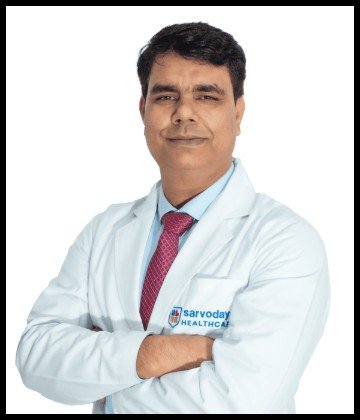
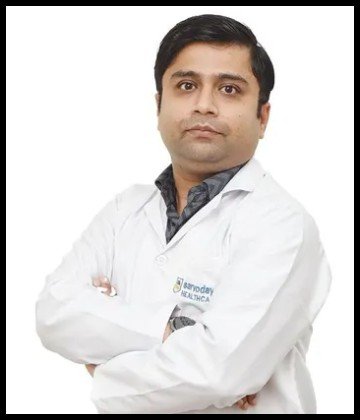
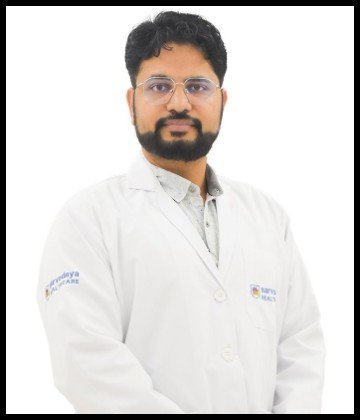
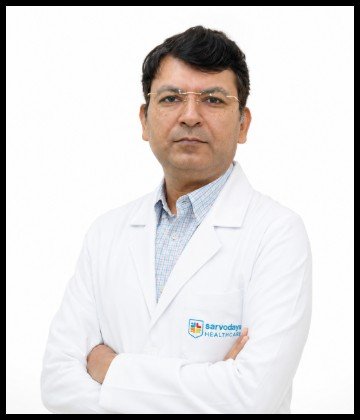
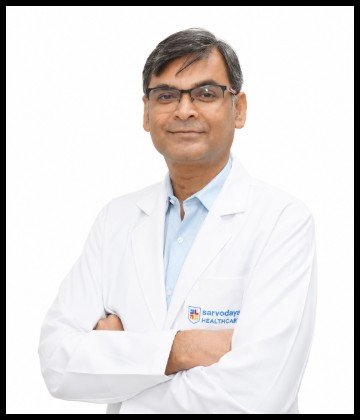
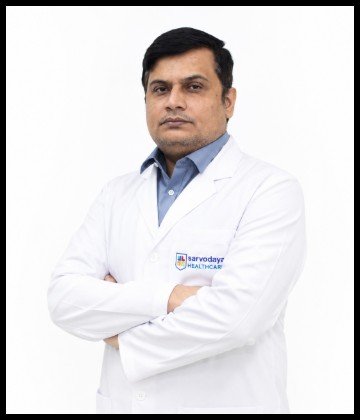
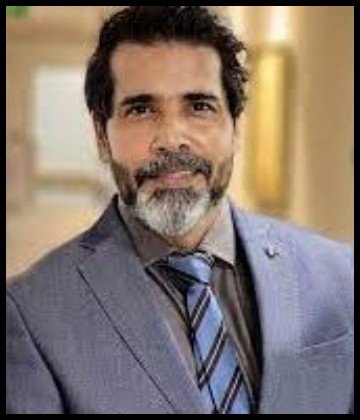
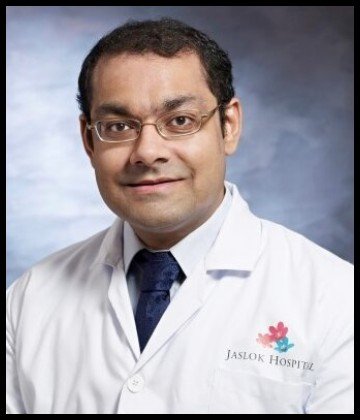
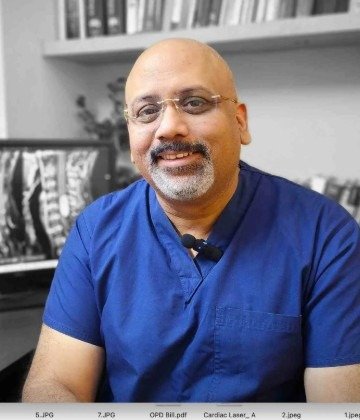
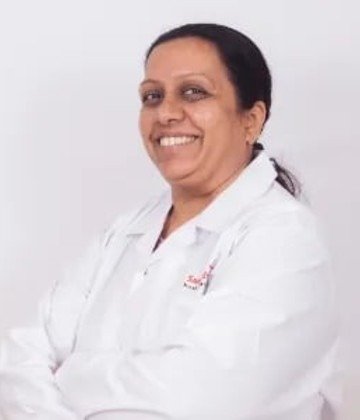
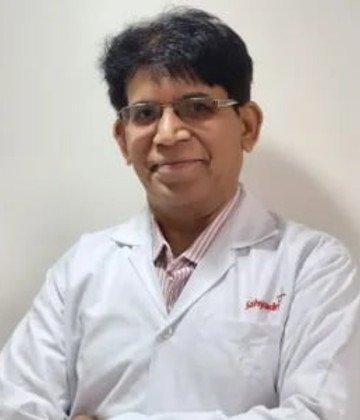
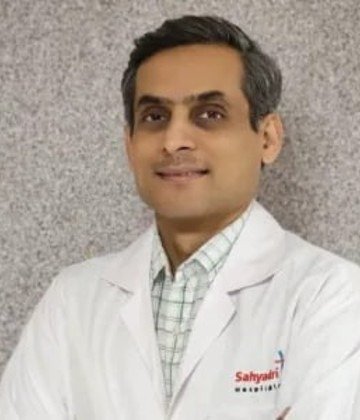
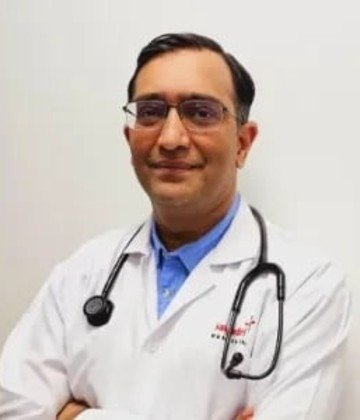
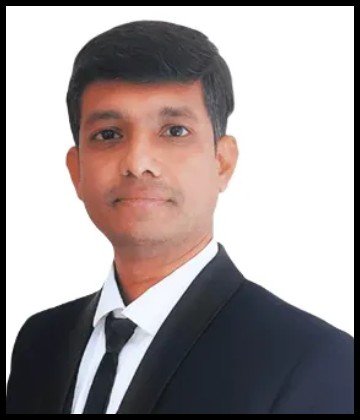
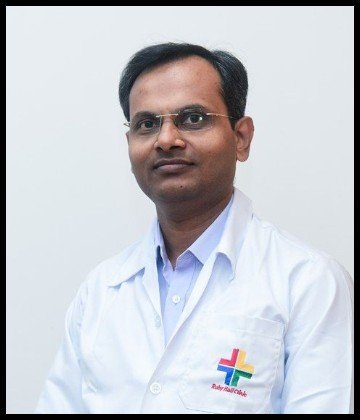
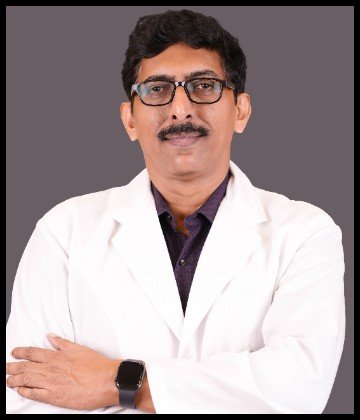
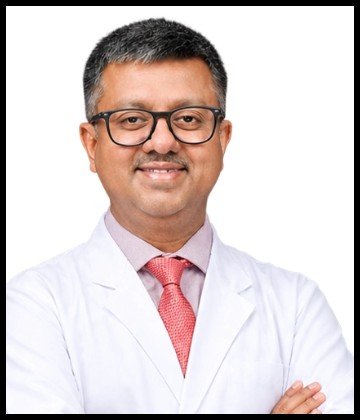
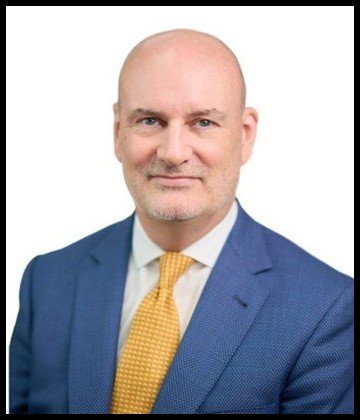
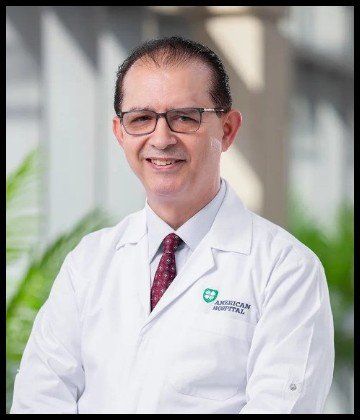
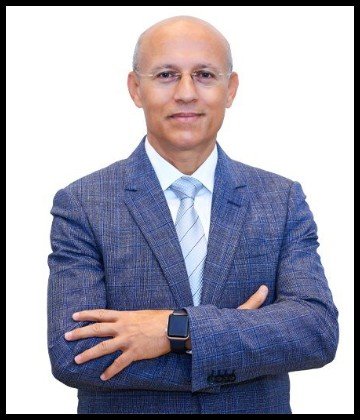
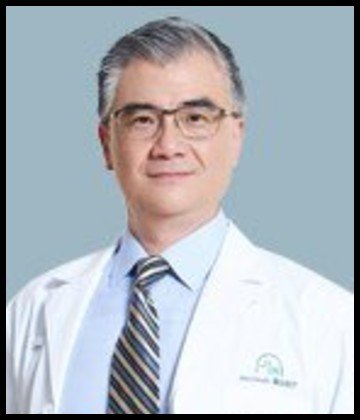
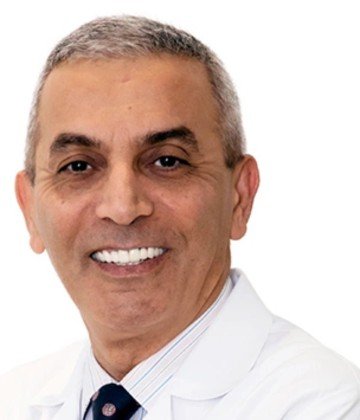
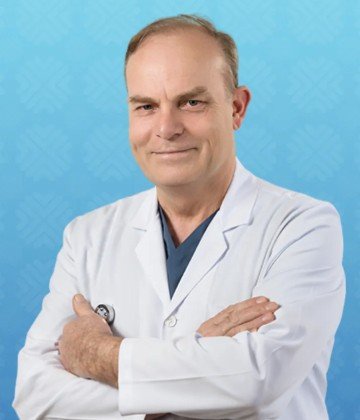
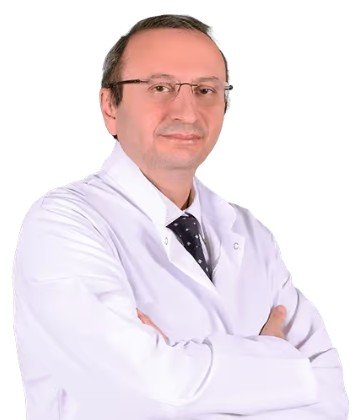
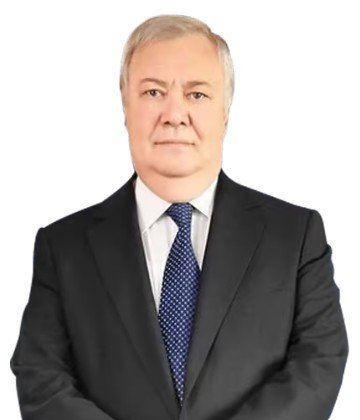
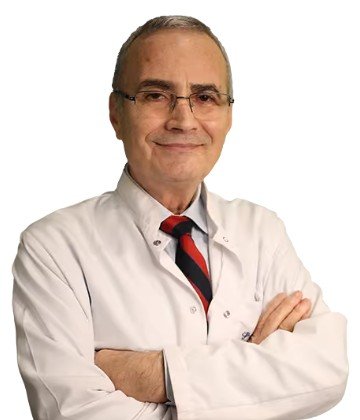
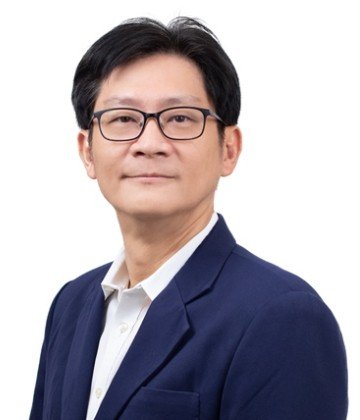
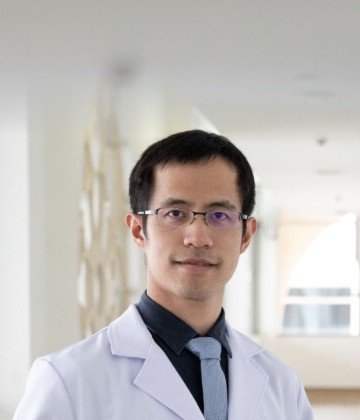
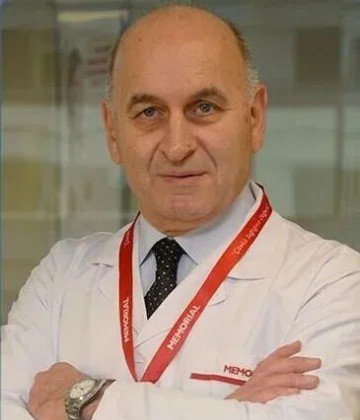
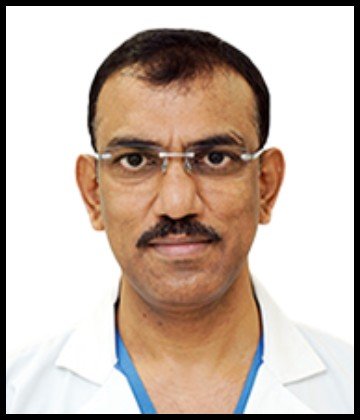
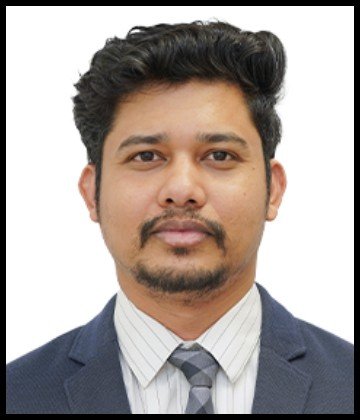
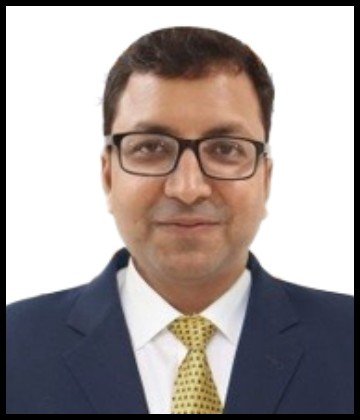
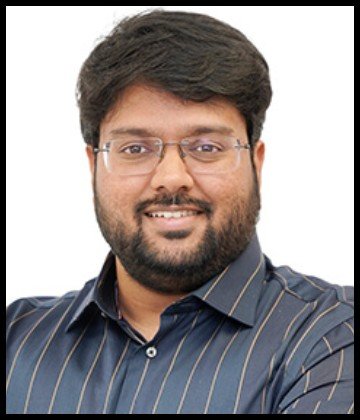
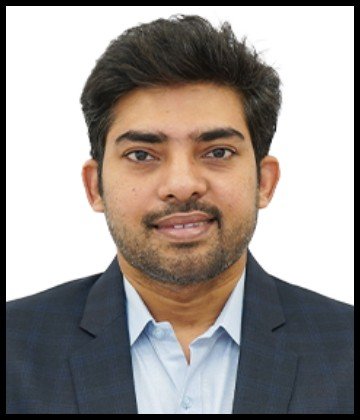
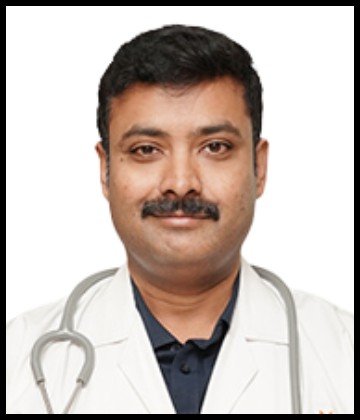
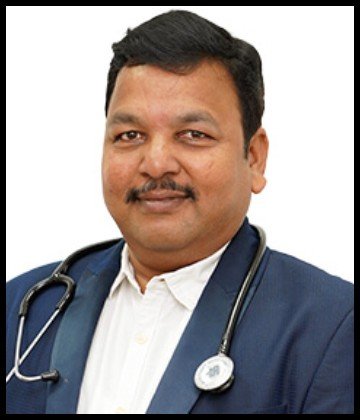
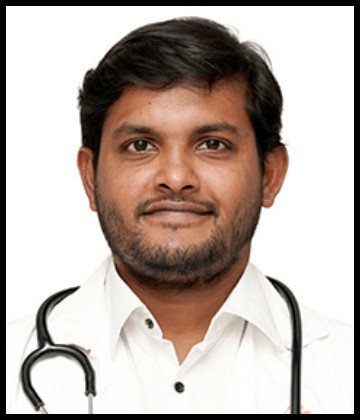
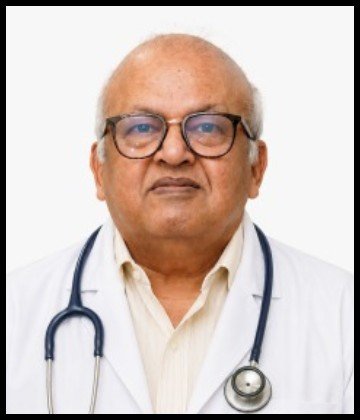
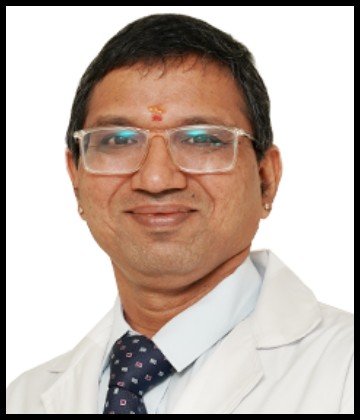
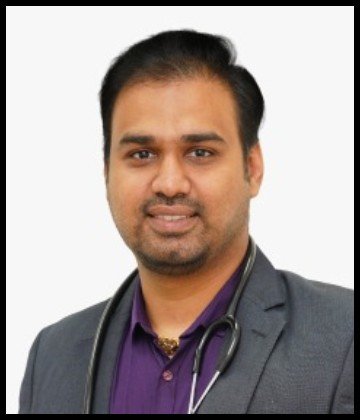
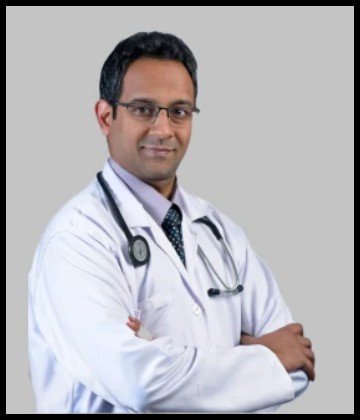
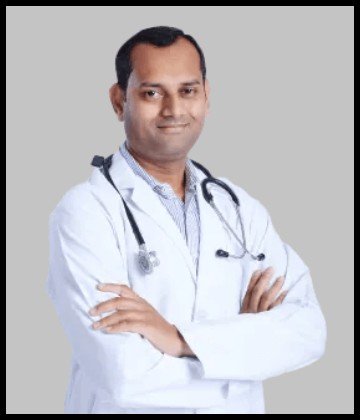
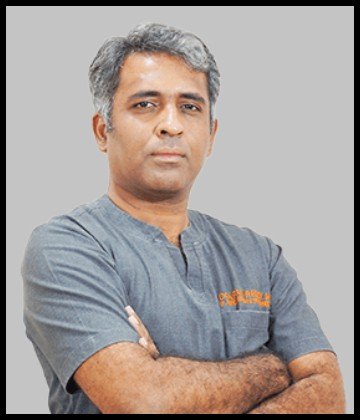
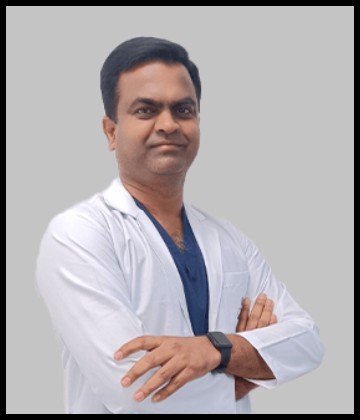
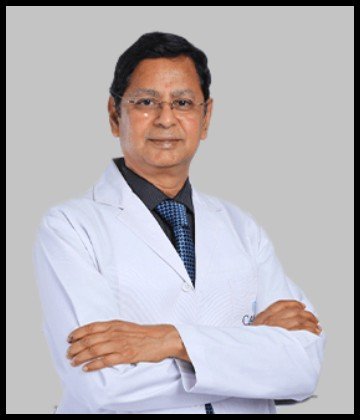
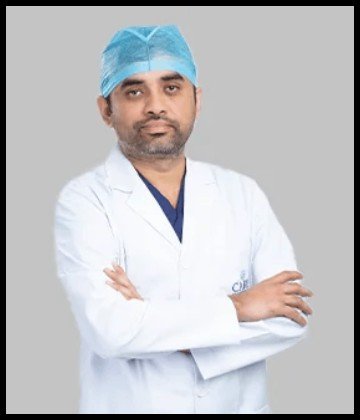
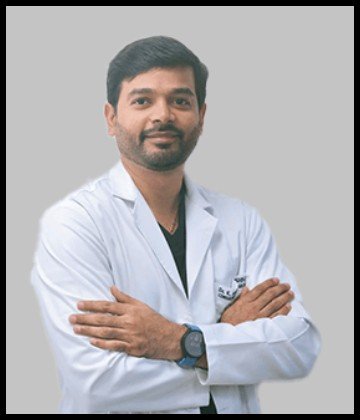
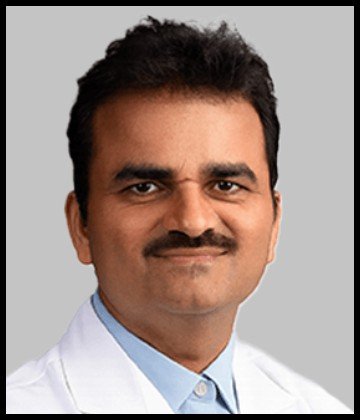
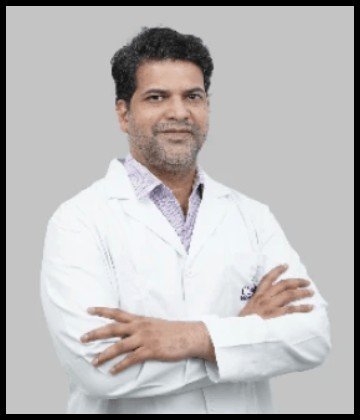
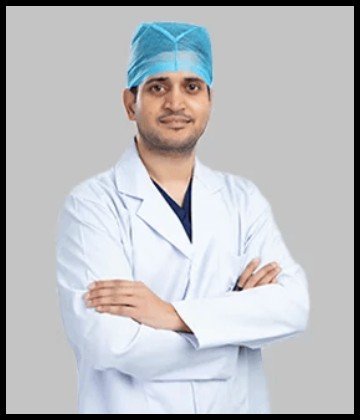
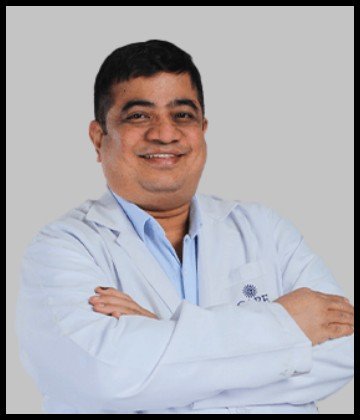
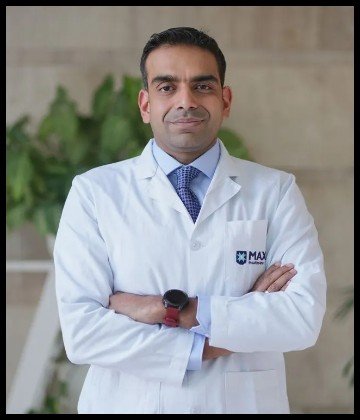
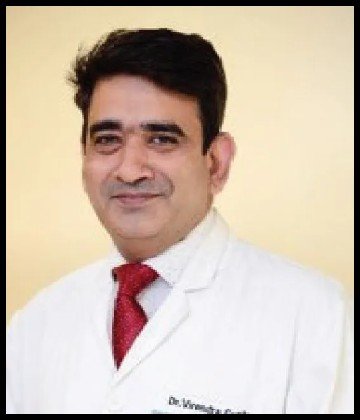
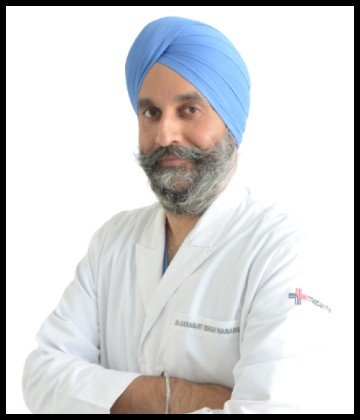
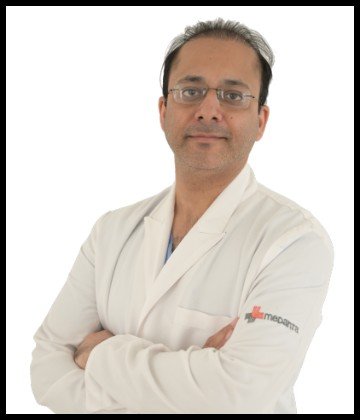
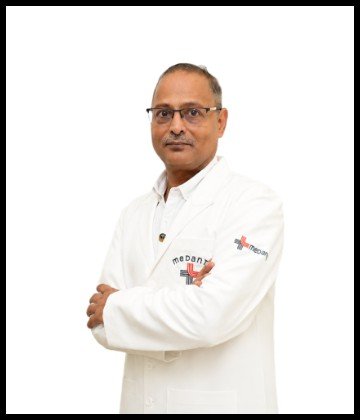
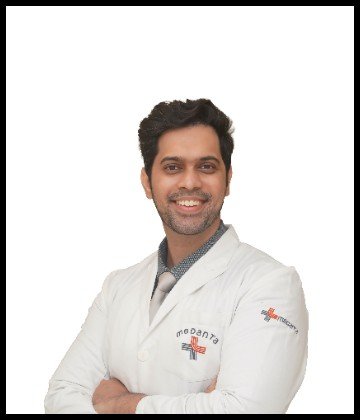
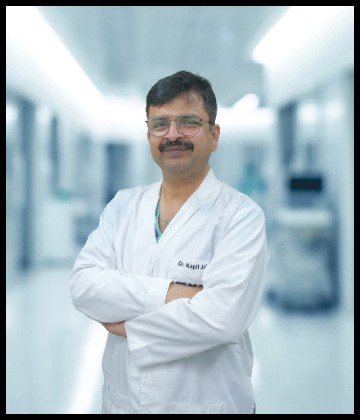
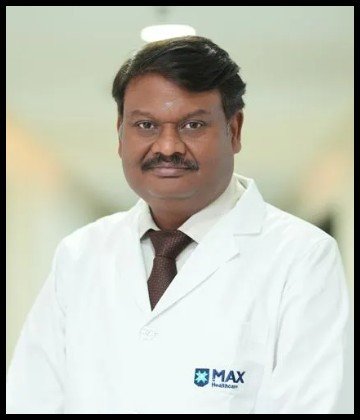
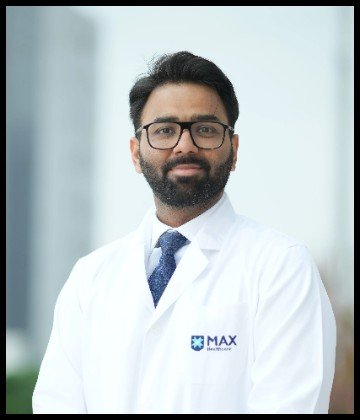
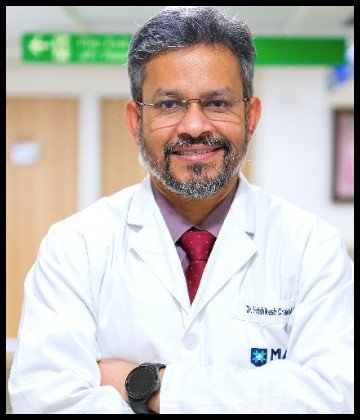
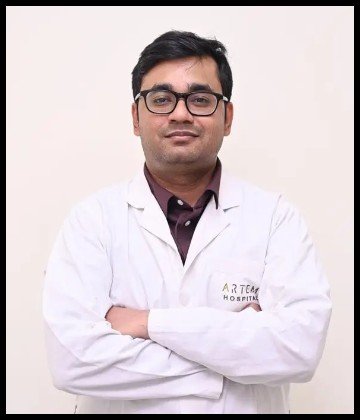
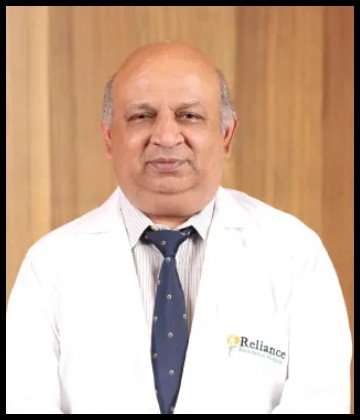
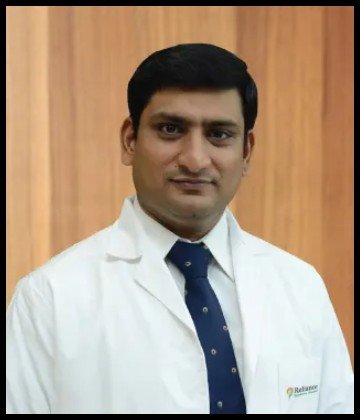
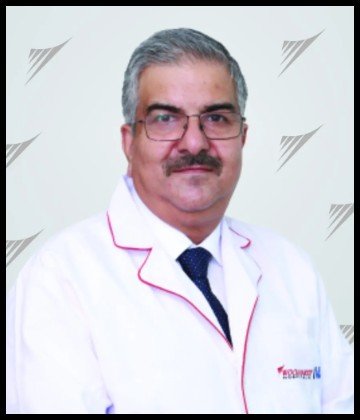
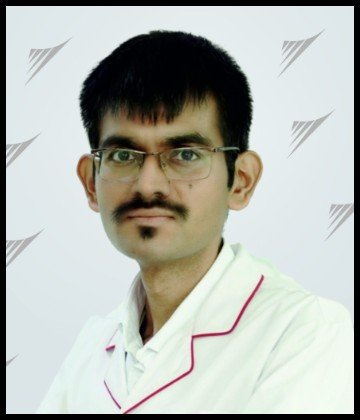
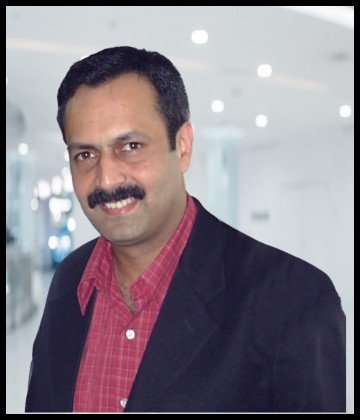
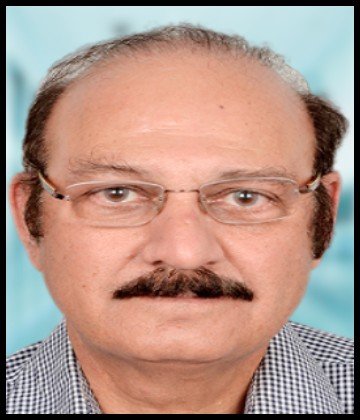
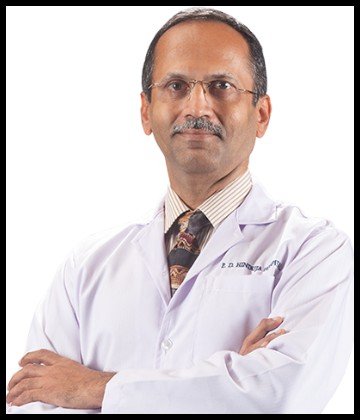
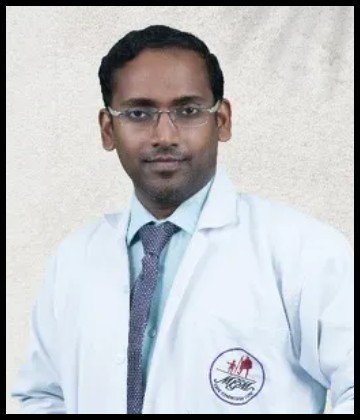
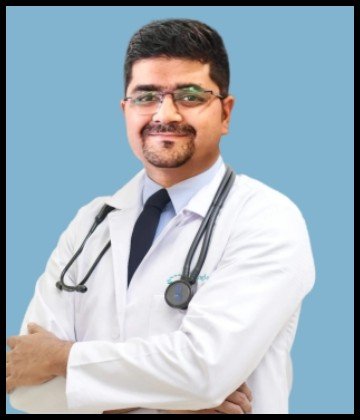
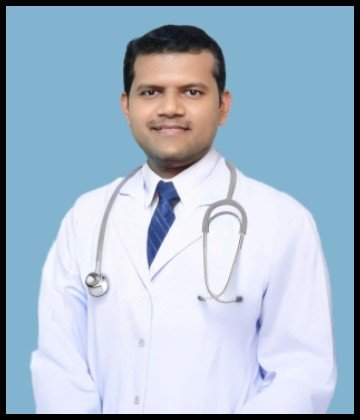
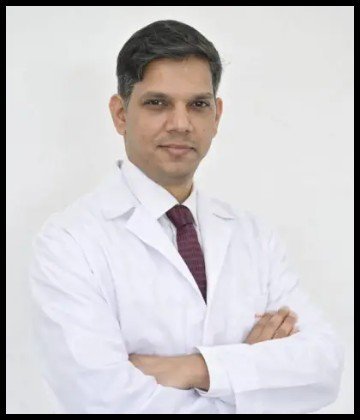
Best Spine scoliosis surgeon in India
























































TOP HOSPITALS
Special High-quality Hospitals


HAPPY PATIENTS
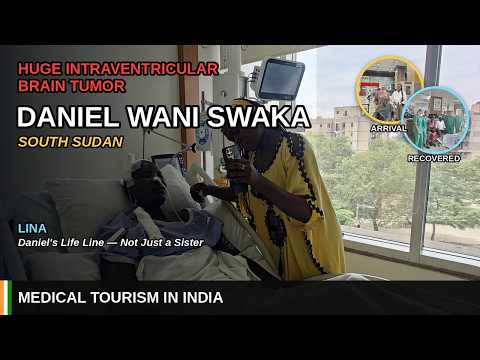
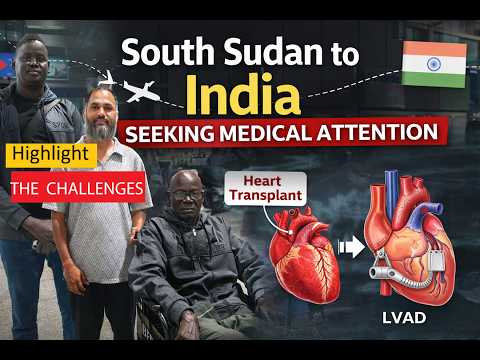
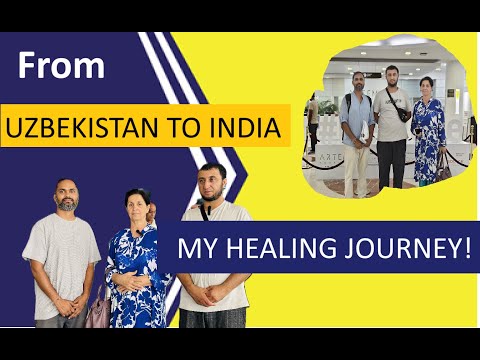
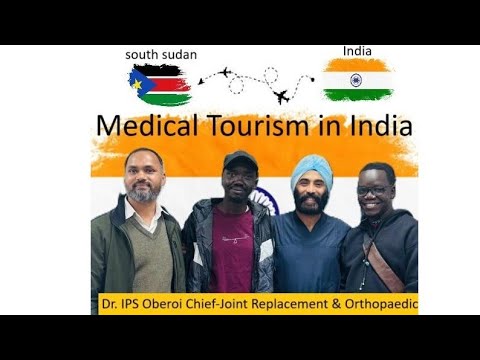
What Our Patients Are Saying










Our Gallery