| Surgery Name | Cost | Room | Hospitalization |
|---|---|---|---|
| Epilepsy Surgery Cost In India | 10600-11900 USD | Semi Private | 4 days in room and 1 day in ICU |
🇮🇳 Medical Package — India
World-class treatment • NABH & JCI Accredited Hospitals • Save up to 80% vs USA/UK
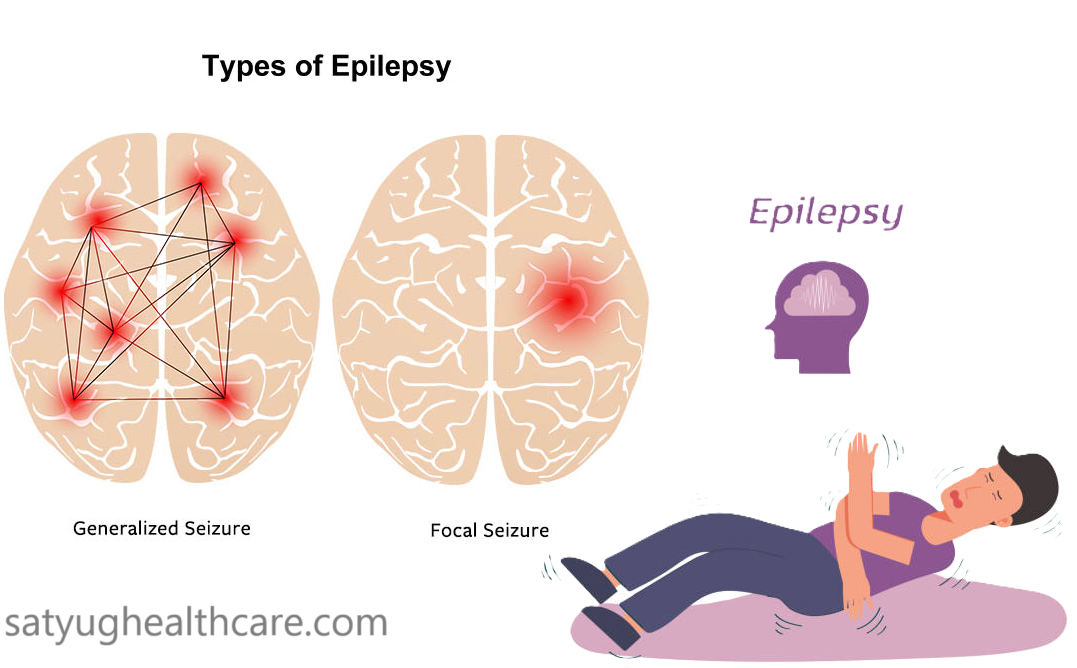
Epilepsy surgery is a specialized medical procedure designed to manage or eliminate seizures in individuals whose epilepsy cannot be controlled effectively with medication. The goal of epilepsy surgery is to identify and remove or alter the brain area responsible for seizures while preserving essential brain functions. It represents a significant advancement in the treatment of epilepsy, offering improved quality of life for those who experience frequent or disabling seizures.
Purpose of Epilepsy Surgery
The primary purpose of epilepsy surgery is to reduce or completely stop seizures, particularly when:
By minimizing seizure activity, epilepsy surgery can enhance cognitive function, improve independence, and reduce the risk of seizure-related injuries.
Who Needs Epilepsy Surgery?
Epilepsy surgery is typically considered for:
Age Factor in Epilepsy Surgery :
Epilepsy surgery can be performed across a wide age range, from young children to older adults, depending on individual circumstances:
1. What is epilepsy surgery?
Epilepsy surgery is a medical procedure aimed at reducing or eliminating seizures in people whose epilepsy cannot be controlled with medications. The surgery involves removing, altering, or disconnecting the brain tissue responsible for generating seizures while preserving vital brain functions.
2. Who is a candidate for epilepsy surgery?
You may be a candidate for epilepsy surgery if:
3. What types of epilepsy surgery are available?
The type of surgery depends on the nature and location of the seizures:
4. How is epilepsy surgery planned?
Planning involves extensive evaluations to ensure the safety and success of the surgery:
5. What are the risks of epilepsy surgery?
While generally safe, epilepsy surgery carries some risks, including:
Your medical team will discuss risks specific to your condition.
6. What is the recovery process like?
7. Does epilepsy surgery guarantee a seizure-free life?
Surgery significantly improves outcomes, but the results vary:
8. Are there age restrictions for epilepsy surgery?
No, epilepsy surgery is suitable for all age groups, from young children to older adults. Early intervention is often recommended for children to prevent cognitive delays caused by uncontrolled seizures.
9. How do I know if epilepsy surgery is right for me?
A comprehensive evaluation by a multidisciplinary team of neurologists, neurosurgeons, and specialists is essential to determine:
10. Is epilepsy surgery available worldwide?
Yes, epilepsy surgery is available at specialized epilepsy centers globally. Leading hospitals in North America, Europe, Asia, and other regions provide cutting-edge surgical techniques and advanced diagnostic tools.
11. Will I still need medication after epilepsy surgery?
In many cases, patients may need to continue anti-epileptic drugs (AEDs) for a period after surgery. Your neurologist will determine the appropriate plan based on your progress and seizure control.
12. How do I prepare for epilepsy surgery?
Preparation involves:
13. What is the success rate of epilepsy surgery?
The success rate varies by type of epilepsy and surgery:
Conclusion
Epilepsy surgery is a transformative treatment for individuals with refractory epilepsy, offering hope for a seizure-free life. It requires careful evaluation, including advanced imaging and seizure monitoring, to determine the feasibility and safety of the procedure. By addressing the source of seizures, epilepsy surgery can restore normalcy and significantly enhance the quality of life for individuals living with epilepsy.
Free Medical Opinion
Expert review in 48 hours
Best Surgeon
Top specialists in India
Hospital Booking
NABH / JCI accredited
Visa Assistance
Invitation letter provided
Airport Transfer
Safe pickup & drop
Tele-Consultation
Video consult before travel
Hotel Booking
Near hospital, affordable
Multilingual Support
Arabic, French, English
📞 Get Started Today — It Is Free
Send your medical reports and get a free expert opinion within 48 hours. Our coordinators speak Arabic, French and English.