laparoscopic Lower Anterior Resection with Ileostomy surgery cost in India
Assistance
Consultation
Services
Opinion
Care Coordination
What will your treatment cost?

| Surgery Name | Cost | Room | Hospitalization |
|---|---|---|---|
| laparoscopic Lower Anterior Resection with Ileostomy surgery cost in India | $7800 | Single | 5 days |
| Robotic Abdominoperineal Resection with Ileostomy | $10000 | Single | 5 days in ward 1 days in ICU |
✓ Inclusion
- Room Rent,
- Cost of Surgery,
- Consultation by Primary Team in Package days,
- Basic Investigations.
- Routine Pharmacy and Consumables,
- Patient Food.
- Surgeon’s Fees.
- Anesthetist Fee.
- Operation Theatre Charges.
- Pharmacy Services Charges including Drugs &Medical Consumables
✗ Exclusion
1.Overstay more than package days,
2. Any other Specialty Consultations,
3. Special Equipment,
4. Additional Procedure/Surgery.
5. Blood Components.
Know More About Procedure & Surgery
🇮🇳 Medical Package — India
laparoscopic lower anterior resection with Ileostomy surgery cost in India
World-class treatment • NABH & JCI Accredited Hospitals • Save up to 80% vs USA/UK
What is LAP assisted Ileostomy?
LAP assisted ileostomy is a common procedure performed for fecal stoma diversion for a variety of reasons but primarily for colorectal surgery, low anterior resection, high-risk patients, and others. Generally, associated with colorectal anastomotic leaks include pelvic sepsis, intra abdominal abscess, infertility, pelvic fibrosis, and stricture formation. A defunctioning loop ileostomy is often created to reduce the incidence of anastomotic leaks and limit the deleterious effects in case of anastomotic leak.
Benefits
- ✓Less postoperative pain
- ✓A reduction in postoperative ileus
- ✓Quicker return of bowel function
- ✓A shorter length of hospital stay.
Risks that are specific to ileostomy include:
- ✓Damage to the surrounding organs.
- ✓Internal bleeding.
- ✓An inability to absorb enough nutrients from food.
- ✓Urinary tract, abdominal, or lung infections.
- ✓An intestinal blockage due to scar tissue.
- ✓Wounds that break open or take a long time to heal.
Reasons for having ileostomy
- ✓Inflammatory bowel disease 1.Crohn’s disease- Crohn’s disease can involve any part of the digestive tract, from the mouth to the anus, causing inflammation of the lining with sores and scarring. 2.Ulcerative disease- Ulcerative colitis also has inflammation, sores, and scarring but involves the large intestine and rectum.
- ✓Rectal or colon cancer
- ✓an inherited condition called familial polyposis, in which polyps form in the colon that can lead to cancer
- ✓intestinal birth defects
- ✓injuries or accidents that involve the intestines
- ✓Hirschsprung's disease
Preparation for ileostomy
- ✓Smoking cigarettes makes it harder for your body to heal after surgery. If you’re a smoker, try to quit.
- ✓Drink lots of water and maintain a healthy diet in the weeks leading up to your surgery.
- ✓Follow your surgeon’s instructions regarding diet in the days prior to surgery. At some desig ated time, they may advise you to switch to clear liquids only. You’ll be advised not to consume anything, including water, for about 12 hours before surgery.
- ✓Your surgeon may also prescribe laxatives or enemas to empty your intestines.
Procedure
An ileostomy is done in a hospital under general anesthesia. After you’re unconscious, your surgeon will either make a cut down your midline or perform a laparoscopic procedure using smaller cuts and lighted instruments. You will know prior to the surgery which method is recommended for your condition. Depending on your condition, your surgeon may need to remove your rectum and colon.

There are several different types of permanent ileostomies.
For a standard ileostomy, the surgeon makes a small incision that will be the site of your ileostomy. They’ll pull a loop of your ileum through the incision. This part of your intestine is turned inside out, exposing the inner surface. It’s soft and pink, like the inside of a cheek. The part that sticks out is called a stoma. It may protrude up to 2 inches. People with this type of ileostomy, also called a Brooke ileostomy, won’t have control of when their fecal waste flows into the external plastic pouch.
Another type of ileostomy is the continent, or Kock, ileostomy. Your surgeon uses part of your small intestine to form an internal pouch with an external stoma that serves as a valve. These are stitched to your abdominal wall. A few times per day you insert a flexible tube through the stoma and into the pouch. You expel your waste through this tube. The advantages of the Kock ileostomy are that there’s no external pouch and you can control when you empty your waste. This procedure is known as a K-pouch procedure. It’s often the preferred method of ileostomy because it eliminates the need for an external pouch.
A different procedure, known as the J-pouch procedure, may be performed if you’ve had your entire colon and rectum removed. In this procedure, the doctor creates an internal pouch from the ileum that is then connected to the anal canal, allowing you to expel your waste through the usual route with no need for a stoma.
Recovery from ileostomy
- ✓Need to stay in the hospital for at least three days. It’s not uncommon to remain hospitalized for a week or even longer, especially if your ileostomy was done under emergency .
- ✓Your food and water intake will be limited for a while. On the day of your surgery, you may only get ice chips. Clear liquids will probably be allowed on the second day. Slowly, you’ll be able to eat more solid food s as your bowels adjust to the changes.
- ✓In the early days after surgery, you may have excessive intestinal gas. This will decrease as your intestines heal. Some people have found that digesting four to five small meals per day is better than three larger meals. Doctor may suggest that you avoid certain foods for a while.
- ✓During your recovery, whether you have an internal or external pouch, you’ll start to learn how to manage the pouch that will collect your waste. You’ll also learn to care for your stoma and the skin around it. Enzymes in the discharge from your ileostomy can irritate your skin. You’ll need to keep the stoma area clean and dry.
- ✓If you have an ileostomy, you may find that you need to make big adjustments to your lifestyle. Meeting other people who’ve adjusted their lifestyles after this surgery and have managed to return to their regular activities can ease any anxieties you have. You can also find nurses who are specially trained in ileostomy management. They’ll ensure that you have a manageable lifestyle with your ileostomy.
If you have any related query, you can send us your report on below mention email address or you can call us or whatsApp for any second opinion.
Video/tele consultation also available.
E-mail address- query@satyughealthcare.com
Phone number- +91888-242-4372, +91991-065-5125
Free Medical Opinion
Expert review in 48 hours
Best Surgeon
Top specialists in India
Hospital Booking
NABH / JCI accredited
Visa Assistance
Invitation letter provided
Airport Transfer
Safe pickup & drop
Tele-Consultation
Video consult before travel
Hotel Booking
Near hospital, affordable
Multilingual Support
Arabic, French, English
📞 Get Started Today — It Is Free
Ready to Plan Your Treatment in India?
Send your medical reports and get a free expert opinion within 48 hours. Our coordinators speak Arabic, French and English.
Frequently Asked Questions
An ileostomy is used to move waste out of the body. This surgery is done when the colon or rectum is not working properly. The word "ileostomy" comes from the words "ileum" and "stoma." Your ileum is the lowest part of your small intestine.
Colorectal Surgery Cost in India, laparoscopic low anterior resection cost in delhi, Lower Anterior Resection with Ileostomy surgery cost in India, Top doctors for Ileostomy | Cost for Ileostomy |Book online appointment| Best treatment for Ileostomy in India. Search Results Web results for cost of Ileostomy.















































































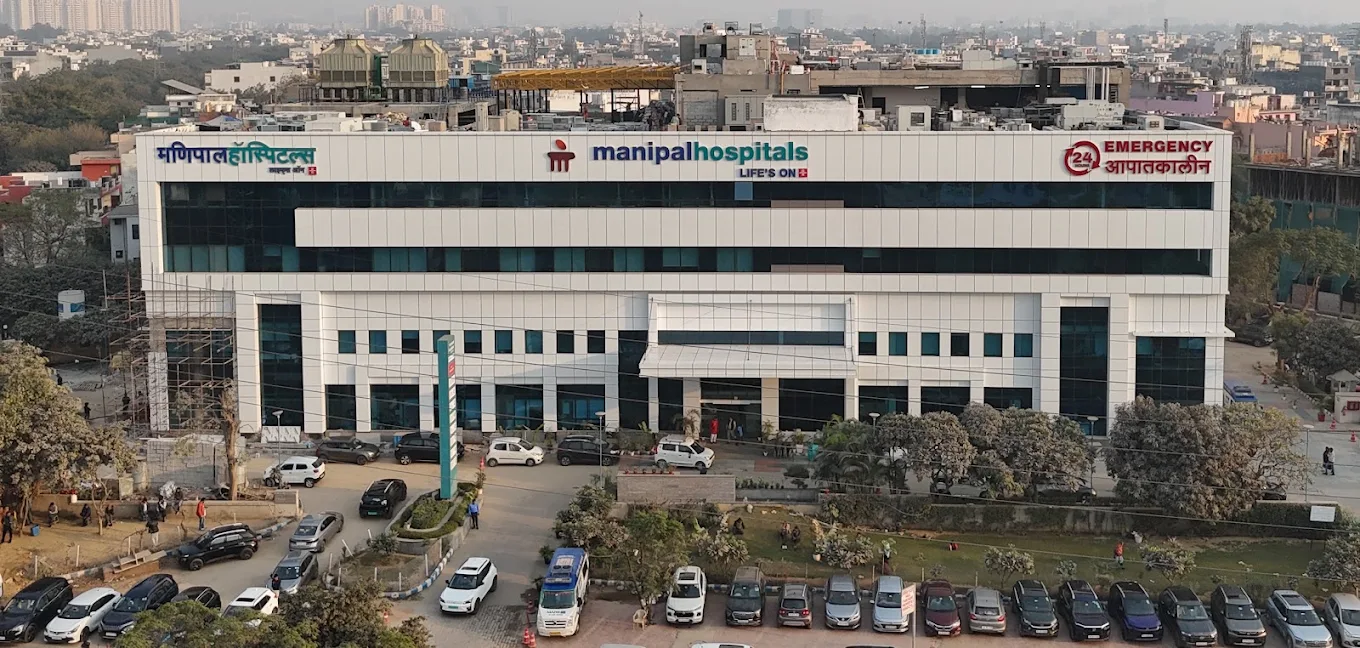
TOP HOSPITALS
Special High-quality Hospitals




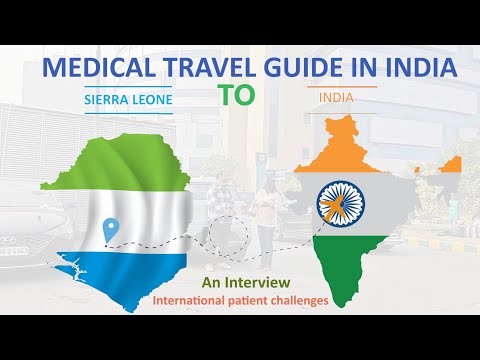
HAPPY PATIENTS
What Our Patients Are Saying









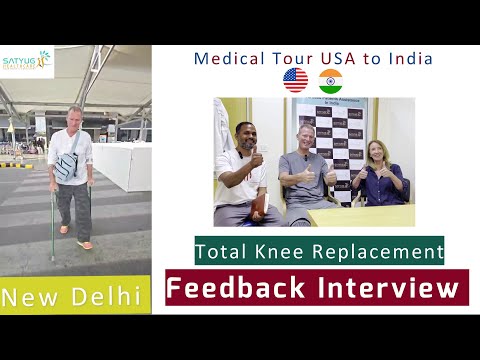



















Our Gallery