Laparoscopic Anterior Resection Surgery Cost in India
Assistance
Consultation
Services
Opinion
Care Coordination
What will your treatment cost?

| Surgery Name | Cost | Room | Hospitalization |
|---|---|---|---|
| Laparoscopic Anterior Resection Surgery Cost in India | $6500 | Single | Patient - 5 days stay in a single room. |
✓ Inclusion
- Room Rent,
- Cost of Surgery,
- Consultation by Primary Team in Package days,
- Basic Investigations.
- Routine Pharmacy and Consumables,
- Patient Food.
- Surgeon’s Fees.
- Anesthetist Fee.
- Operation Theatre Charges.
- Pharmacy Services Charges including Drugs &Medical Consumables
✗ Exclusion
1.Overstay more than package days,
2. Any other Specialty Consultations,
3. Special Equipment,
4. Additional Procedure/Surgery.
5. Blood Components.
Know More About Procedure & Surgery
🇮🇳 Medical Package — India
Laparoscopic Anterior Resection Surgery Cost in India
World-class treatment • NABH & JCI Accredited Hospitals • Save up to 80% vs USA/UK
What is Laproscopic Anterior Resection?
Laproscopic Anterior Resection is an operation to surgically remove the rectum via the abdomen and to restore continuity of the bowel. The rectum and sigmoid colon is the last part of the gut, just before it becomes the anus. It passes down through the pelvis and in so doing is attached to the side walls of the pelvis and the other organs within the pelvis, namely bladder and ureters (tubes that carry urine from the kidneys to the bladder), pelvic nerves, uterus and vagina in females, and prostate gland and seminal vesicles in males. This technique requires removal of the colon from the abdomen to facilitate insertion of the circular stapler's anvil into the proximal colon, which leads to mobilization of the splenic flexure.
Why it is needed?
The operation is usually performed to remove a cancer (malignant tumour or large benign polyp within the rectum/sigmoid colon). A laparoscopic high anterior resection is a variation on the theme and is done to remove predominantly the sigmoid colon but also a variable amount of descending colon, usually for diverticular disease that cannot be controlled by conservative measures. The first part of the rectum is also removed to ensure that the whole of the sigmoid colon has been completely removed and the join up (anastomosis) is on to a part of the rectum that has an excellent blood supply.
Benefits of Laparoscopic Anterior Resection
The laparoscopic-assisted method combines the benefits of laparoscopic mobilization with the advantages of bowel division and reanastomosis under direct vision; the incision also allows a degree of flexibility in the most crucial area, allowing the available option of rectal dissection by laparotomy.
Complications Involved
- ✓Bleeding.
- ✓Infection.
- ✓A leak from the anastomosis (the join where the bowel is connected back together)
- ✓Injury to other organs within the abdomen (for example, the small intestine, ureter or bladder)
- ✓Problems passing urine (though this is usually only temporary)
- ✓A sore bottom
- ✓If you did not need a stoma, you may have difficulty in controlling your bowels in the first few weeks after surgery, which may mark your underwear. It may be helpful for you to do some pelvic-floor exercises. These will help the muscles in your bottom cope with having a part of your back passage removed. Sometimes it takes several weeks to get back to normal, and occasionally you may have to adjust your diet.
- ✓Anxiety due to the whole situation
Preparation of Surgery
Laparoscopic Anterior Resectionwill be performed under a general anesthetic, administered by an anesthetist. Antibiotics will be given in the operating room. You need to go for some investigations and tests to prepare you for your operation. These are to confirm the diagnosis, to see how far the disease has spread, and to assess how fit and well you are for the proposed treatment.
You may have to take a special prescribed drink (oral bowel preparation) in the 24 hours before the operation. You may be given this to take at home before you go into hospital, or you may be given it in hospital. If you take the bowel preparation while you are at home, make sure you can get to a toilet easily since it will mean you will need to empty your bowels quite often and you may need to rush to the toilet. You should only drink clear fluids such as water or flat lemonade, although the specialist nurse may give you, high-energy drinks.
Surgery
The bowel will be operated on using keyhole surgery through several small incisions made in the abdomen. This operation involves separating the rectum and colon, and its surrounding lymph nodes, from adjacent structures, whilst taking great care to protect and preserve the latter. The rectum is cut across below the tumour (to include a safe margin of healthy tissue), and the colon is cut upstream of the rectum. The final part of the operation is to join (an anastomosis) the cut ends to restore continuity of the bowel. This is done with a single-use (disposable) device which places a double row of titanium (inert) staples around the circumference of the bowel. Occasionally sutures are placed by hand instead of or as well as staples. You may require a temporary colostomy or ileostomy (bag) at the time of operation if your surgeon deems this to be appropriate. He will discuss the reasons for doing this at your consultation.
Post Surgery
After the operation (within the first 24 to 48 hours), you need:
- ✓Oxygen through a face mask
- ✓A drip into a vein in one of your arms to give you fluid
- ✓A catheter (tube) in your bladder to drain away urine, and
- ✓Medication to deal with pain from the incision – this may be given as an epidural (where the medicine is given through a fine tube in your back) or through the drip
After a day or two:
- ✓
Start eating again, starting with liquids and gradually introducing solid foods, and
- ✓Move around as soon as possible
If you have laparoscopic surgery, you may well recover more quickly after surgery and go home sooner.
How long will I need to be in hospital?
You have to stay in a hospital for as little time as possible, usually for between five and seven days. If, after you leave hospital, you have any new concerns or problems (for example, severe abdominal pain, a raised temperature or bleeding from your back passage) it is important to contact your own doctor or the hospital. You will be given contact numbers when you leave hospital.
Frequently asked question.
Why is it called anterior resection?
It refers to removal of the sigmoid colon and upper rectum and derives its name from the fact that the dissection is below the anterior reflection of the peritoneal lining.
How long does an anterior resection take?
LAR surgery usually takes about 4 hours.
How long does it take to recover from laparoscopic colon resection?
You should feel better after 1 to 2 weeks and will probably be back to normal in 2 to 4 weeks. Your bowel movements may not be regular for several weeks. Also, you may have some blood in your stool.
What foods should you avoid after colon surgery?
Avoid nuts, seeds, chunky peanut butter, tough meats, fried foods (french fries, fast food), beans, peas, hot dogs, sausage, strong flavored cheeses, coconut, raisins, and desserts with nuts or raisins.
What are the side effects of a colon resection?
- ✓Anesthetic side effects such as. Headache. Nausea. Confusion.
- ✓Abdominal pain from the surgery. Fatigue, Constipation or diarrhea.
- ✓Inconvenience of the attached ostomy bag.
How much of your colon can be removed?
About one-fourth to one-third of the colon is removed, depending on the size and location of thecancer. The remaining sections of colon are then reattached. At least 12 nearby lymph nodes are also removed so they can be checked for cancer. If the entirecolon is removed, it's called a total colectomy.
Is colon surgery painful?
The doctor made a large cut, called an incision, in your belly to take out part of the intestine. You are likely to have pain that comes and goes for the next few days after bowel surgery. You may have bowel cramps, and your cut (incision) may hurt. You may also feel like you have the flu.
Do intestines grow back?
The intestine is the most highly regenerative organ in the human body, regenerating its lining, called the epithelium, every five to seven days. Continual cell renewal allows the epithelium to withstand the constant wear and tear it suffers while breaking down food, absorbing nutrients, and eliminating waste.
Free Medical Opinion
Expert review in 48 hours
Best Surgeon
Top specialists in India
Hospital Booking
NABH / JCI accredited
Visa Assistance
Invitation letter provided
Airport Transfer
Safe pickup & drop
Tele-Consultation
Video consult before travel
Hotel Booking
Near hospital, affordable
Multilingual Support
Arabic, French, English
📞 Get Started Today — It Is Free
Ready to Plan Your Treatment in India?
Send your medical reports and get a free expert opinion within 48 hours. Our coordinators speak Arabic, French and English.
Top doctors for Laparoscopic Anterior Resection Surgery| Cost for Laparoscopic Anterior Resection Surgery|Book online appointment| Best treatment for Laparoscopic Anterior Resection Surgery in India. Search Results Web results for cost of Laparoscopic Anterior Resection Surgery|


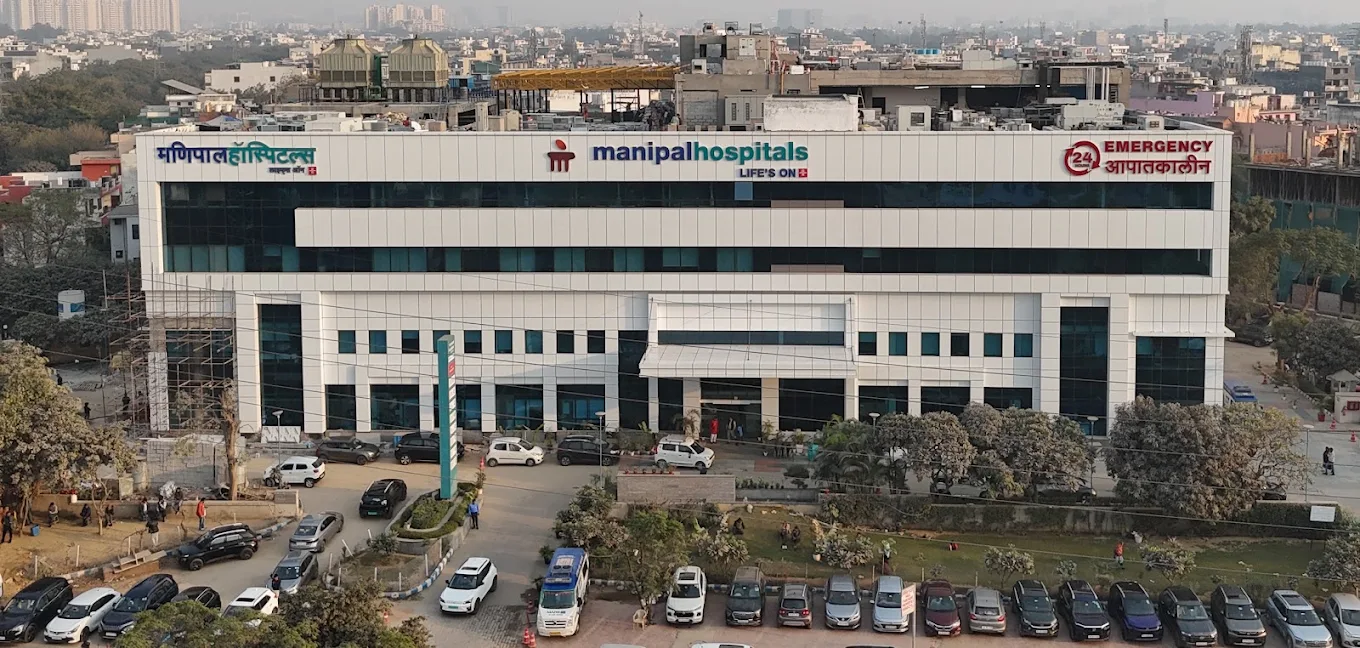
TOP HOSPITALS
Special High-quality Hospitals




HAPPY PATIENTS
What Our Patients Are Saying


























Our Gallery