Assistance
Consultation
Services
Opinion
Care Coordination
What will your treatment cost?
lower anterior resection and higher anterior resection surgery in India
Released Date: 2021-09-13

Have you been diagnosed with rectal cancer, and has your doctor recommended a laparoscopic anterior resection? It is natural to worry about the surgery and what comes after it. This article explains the operation in simple terms and answers the questions patients ask most often.
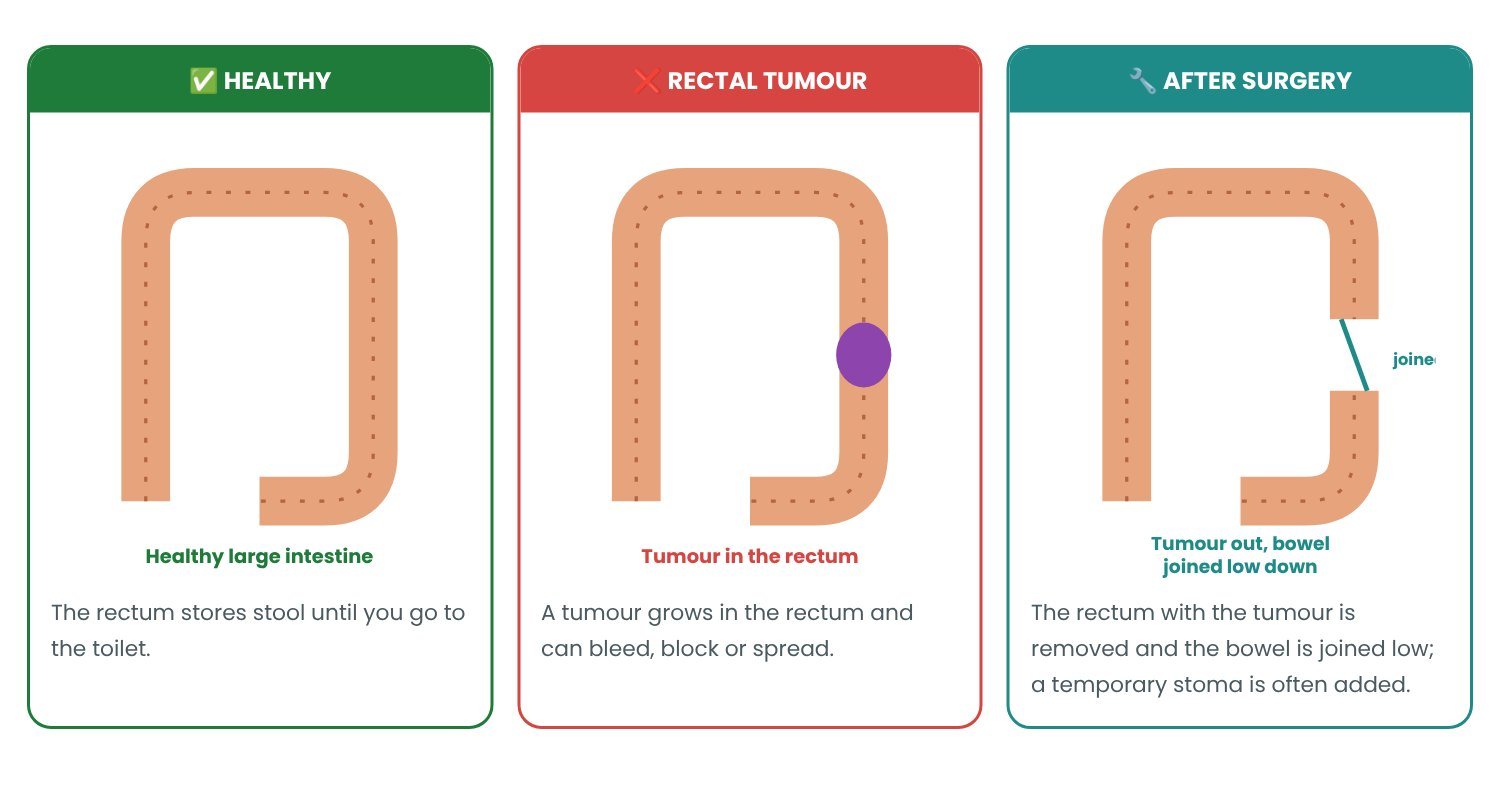
🖼️ Understand It in Pictures
Healthy bowel vs rectal tumour vs after surgery
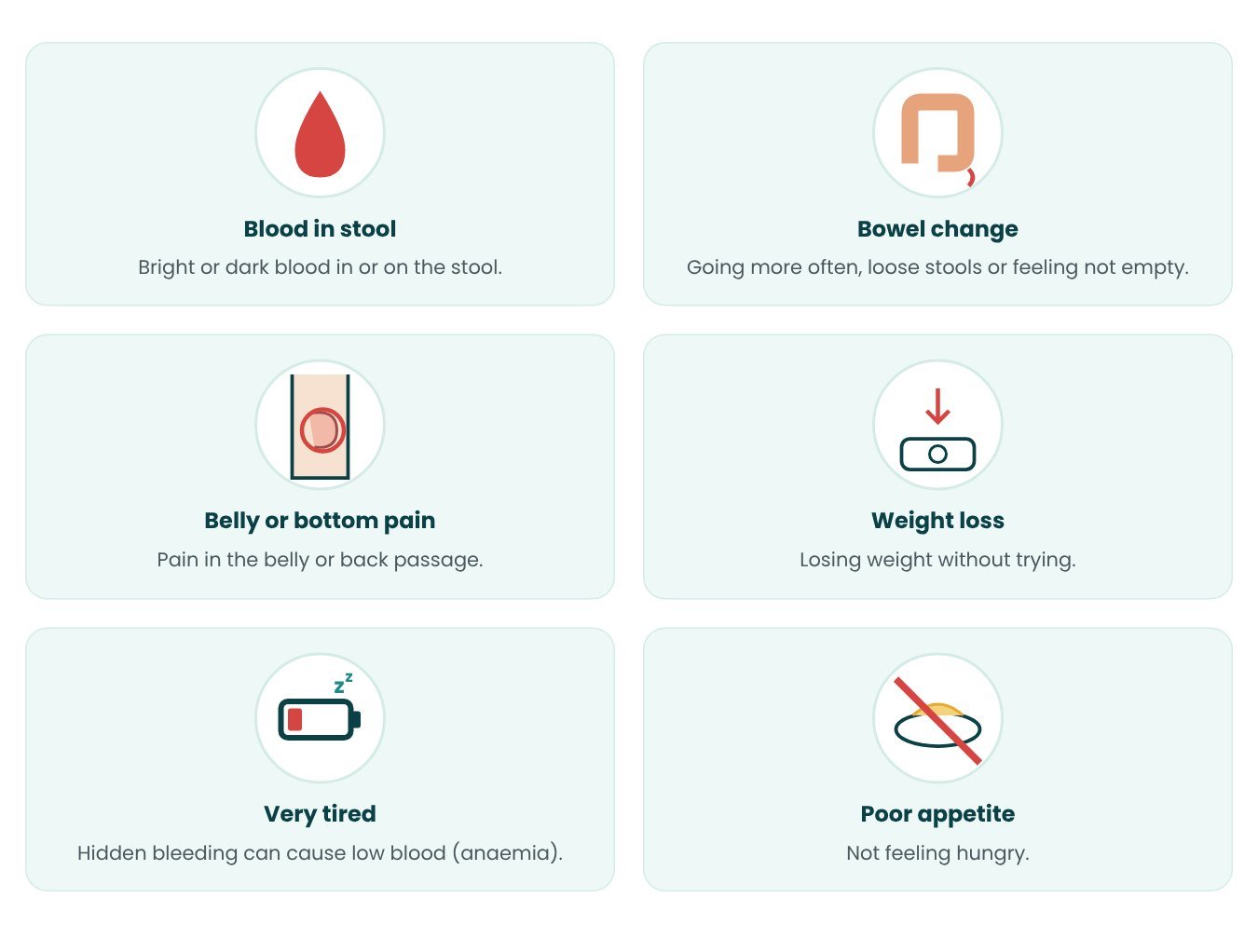
👀 Symptoms in Pictures
🩻 Scans & Tests — What Doctors See


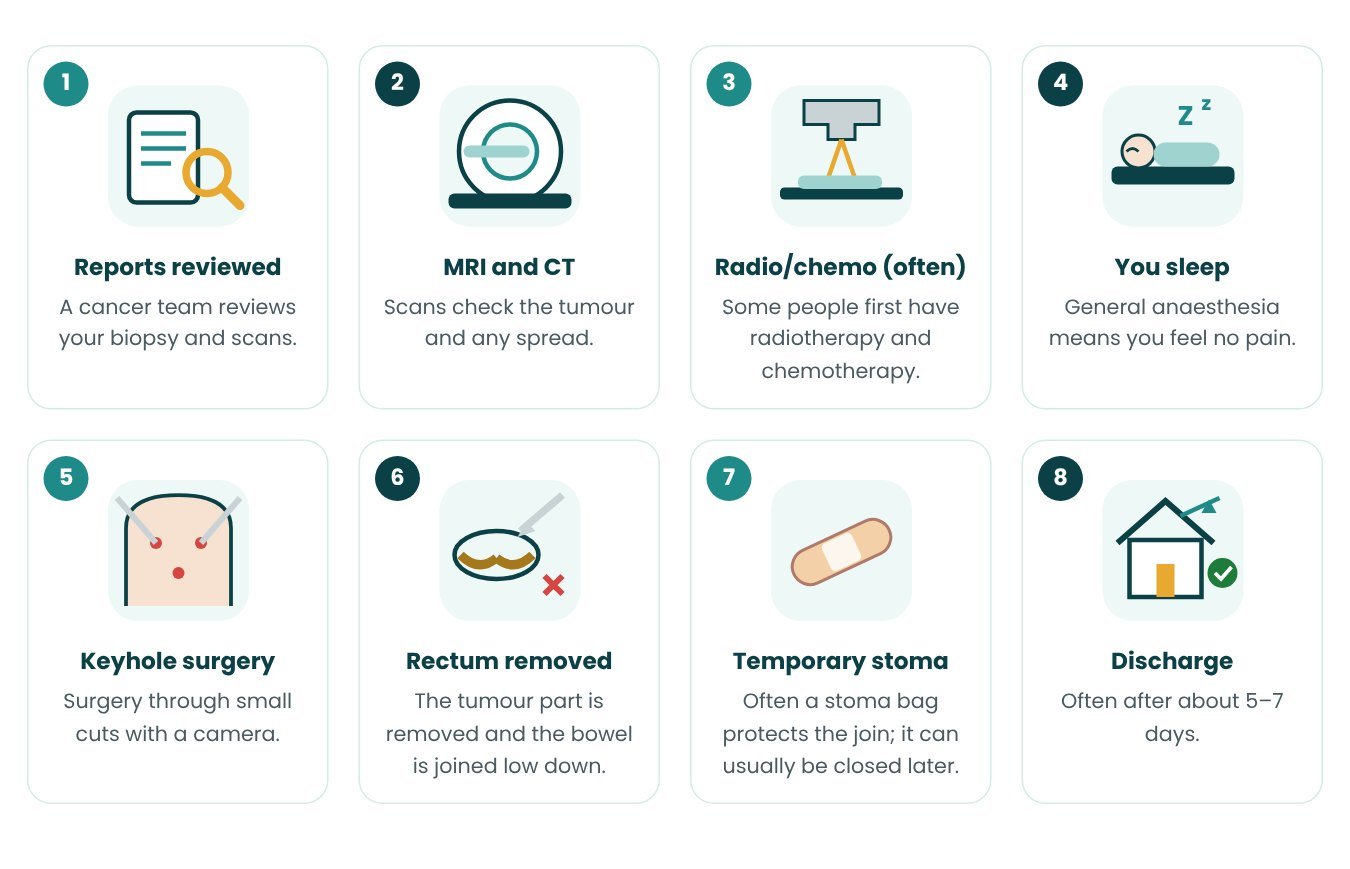
🎬 The Treatment Journey in Pictures

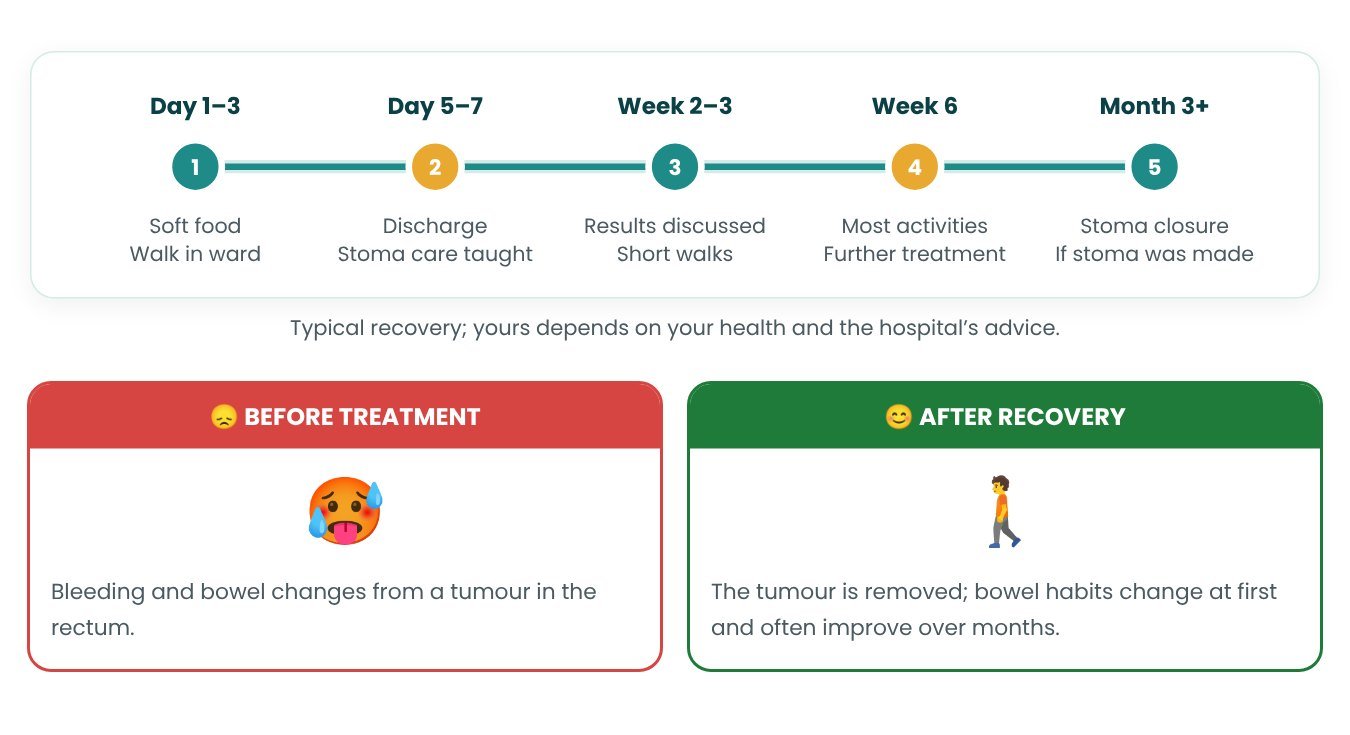
📅 Recovery at a Glance
Drawings: Satyug Healthcare (simplified, not to scale). Photos: Wikimedia Commons; author and licence under each photo.
What is Laparoscopic Anterior Resection?
Laparoscopic anterior resection is an operation used mainly to treat cancer of the rectum and the lower (sigmoid) colon. The surgeon removes the diseased part of the bowel and joins the healthy ends together. There are two main types: low (lower) anterior resection and high (higher) anterior resection. Both follow the same steps; the difference is how much bowel is removed. Low anterior resection is the standard operation for rectal cancer: the affected part of the rectum is removed and the colon is joined to the remaining rectum, so that normal bowel movements can continue. High anterior resection removes the sigmoid colon (the last part of the colon, which connects to the rectum) together with the upper rectum; it is also called a sigmoid colectomy. The operation can be done in two ways: open surgery, through one larger cut in the abdomen, or keyhole (laparoscopic) surgery, in which a camera (laparoscope) and thin instruments are passed through small cuts and the surgeon operates while watching the camera picture. Keyhole surgery usually means less blood loss.
How long does the operation take?
The operation usually takes between 1 and 4 hours. This does not include the time needed for preparation and recovery. The exact time depends on how complex the operation is and on the patient’s health.
What happens before the anterior resection surgery?
You will usually be asked to stop eating 8 hours before the surgery and to stop drinking 2 hours before it. Most people are admitted to the hospital one day before the operation, and the operation is usually done in the morning.
How long is the recovery period?
Most people stay in the hospital for 4 to 7 days and can then go home, but it takes about 2 to 3 months for the bowel to heal completely. You should have regular check-ups during the recovery period. The length of the hospital stay and of the recovery period can differ depending on the patient’s health.
Can I pass stool (poop) after the anterior resection?
Most people do not have a bowel movement for the first four or five days. If a temporary stoma was made, stool collects in a stoma bag until the join has healed and the stoma is closed. Once the bowel has healed, normal bowel movements gradually return, although they may be more frequent or urgent at first. Tell your doctor about any problem.
Why do I pass gas (fart) after the anterior resection?
Your doctors and nurses will often ask whether you have passed gas. Passing gas is a good sign: it shows that the bowel is starting to work again. So it is normal to pass gas after an anterior resection; tell your doctor if you have not passed any gas, or if your belly becomes swollen or painful.
How can I help the gas move?
Walk outside your room 3 or 4 times a day, and sit upright in a chair for 30 to 60 minutes at a time. Lying on your left side in bed can help trapped gas move through the intestine. Eat small meals and drink warm water. These simple steps help the bowel start working again.
Is the anterior resection painful?
It is a major operation. You will be given general anaesthesia, so you will be asleep and will not feel anything during the surgery. When you wake up in the recovery ward you may feel drowsy because of the anaesthesia, and pain is controlled with painkillers given through a drip (IV). Some pain and discomfort around the wounds is normal in the first days and gets better as you heal; tell your care team if the pain is not well controlled.
Will I lose weight after the anterior resection?
Some people lose weight after an anterior resection. Most regain their usual weight once they have fully recovered from the surgery, and some people may even gain weight afterwards.
What should I do during the recovery period?
Eat small, easy-to-digest meals as advised by your doctor or dietitian, and avoid alcohol and fizzy (soda) drinks. Follow the exercises recommended by your doctor, and have regular check-ups, including checks of your nutrition levels.
What are the possible complications of anterior resection?
As with any bowel surgery, complications can occur. They include: a leak from the join between the two sections of bowel; bleeding inside the bowel or abdomen; the wound opening up (dehiscence); infection; injury to the bladder, ureters or blood vessels; bowel pushing through the scar into a bulge (incisional hernia); and scar tissue that narrows or blocks the bowel (stricture).
We hope this article has answered your questions. For advice about your own condition, please consult your doctor. Satyug Healthcare can help you choose a doctor, treatment and hospital.
If you have any related questions, you can send us your medical reports at the email address below, or call or WhatsApp us for a second opinion.
Video/tele-consultation is also available.
E-mail address: query@satyughealthcare.com
Phone number: +91-8882424372, +91-9910655125
Related Blogs



HAPPY PATIENTS
What Our Patients Are Saying
























Our Gallery