Sickle Cell Anemia BMT Package
Assistance
Consultation
Services
Opinion
Care Coordination
What will your treatment cost?

| Surgery Name | Cost | Room | Hospitalization |
|---|---|---|---|
| Sickle Cell Anemia BMT Package | $25,000 - $30,000 | BMT Ward | 14-28 days |
| Evaluation & Pre-BMT Work-up | $1,200 - $3,000 | OPD Basis | 1-4 weeks |
| BMT - Haploidentical (Half-Matched) Donor | $32,000 - $40,000 | BMT Ward | 21-35 days |
| BMT - Matched Unrelated Donor (MUD) | $50,000 - $80,000 | BMT Ward | 21-30 days |
✓ Inclusion
- ✔BMT specialist consultation and transplant planning
- ✔Central venous line insertion
- ✔Exchange or simple transfusion before conditioning
- ✔Conditioning chemotherapy as per protocol
- ✔Stem cell collection from HLA-matched sibling donor
- ✔Stem cell infusion (transplant)
- ✔14–28 days stay in HEPA-filtered BMT ward with dedicated nursing
- ✔Routine antibiotics, antifungals, antivirals and GVHD prevention medicines in hospital
- ✔Blood and platelet transfusions as per protocol
- ✔Daily blood tests and monitoring during admission
- ✔Discharge summary and follow-up plan
- ✔Free: airport pick-up & drop, visa invitation letter, interpreter & coordinator (Satyug Healthcare)
✗ Exclusion
- ✖International flights and visa fees
- ✖Pre-BMT evaluation and HLA typing (USD 1,200–3,000)
- ✖Apartment or hotel stay near hospital after discharge
- ✖Treatment of severe infections, GVHD or ICU care
- ✖Extra hospital days beyond the package
- ✖Medicines after discharge (cyclosporine, antivirals etc.)
- ✖Fertility preservation
- ✖Donor's travel and accommodation
- ✖Attendant food and local transport
Know More About Procedure & Surgery
Sickle Cell Anemia Treatment (Bone Marrow Transplant) in India
Curative bone marrow transplant for sickle cell disease using a fully matched brother or sister, done by experienced BMT teams at accredited Indian hospitals – for children and adults from Africa, the Middle East and beyond, at a fraction of Western costs.
📖 What is Sickle Cell Anemia and its Cure?
Sickle cell anemia is an inherited blood disorder. A change in the haemoglobin gene (HbS) makes red blood cells stiff and curved like a sickle. These cells block small blood vessels and break down early. This causes severe pain crises, anaemia, infections, chest problems, stroke and damage to the kidneys, eyes and bones. A child gets the disease when both parents carry the sickle gene. It is very common in Sub-Saharan Africa, the Middle East and India.
Medicines such as hydroxyurea, folic acid, vaccines and blood transfusions reduce problems but do not cure the disease. The only widely available cure is a bone marrow transplant (BMT), also called a haematopoietic stem cell transplant. The patient's faulty marrow is replaced with healthy stem cells from a donor. A fully matched brother or sister (HLA-identical sibling) gives the best results – about 90–95% of children are cured. Sibling donors who carry the sickle trait can still donate safely.
🩺 Who May Need a BMT
⚠️ Signs of Severe Sickle Cell Disease
- ➤Repeated severe bone or chest pain
- ➤Frequent hospital admissions
- ➤Very low haemoglobin
- ➤Yellow eyes (jaundice)
- ➤Swelling of hands and feet in babies
- ➤Repeated infections
- ➤Delayed growth
- ➤Weakness of face, arm or leg (stroke)
🔬 Tests Before Treatment
| Test | Why it is done |
|---|---|
| Hb electrophoresis / HPLC | Confirms sickle cell disease (HbSS or other types). |
| HLA typing of patient and siblings | Finds a fully matched brother or sister donor – the first step. |
| Blood counts, liver, kidney and iron studies | Checks organ function and iron overload (ferritin, MRI T2*). |
| Echocardiography & lung function | Checks heart and lung pressure. |
| MRI brain / TCD | Looks for silent strokes or stroke risk. |
| Infection screening | HIV, hepatitis B and C, CMV and TB tests for patient and donor. |
| Donor health check | Confirms the sibling donor is healthy and fit to donate. |
🏥 The Procedure — Step by Step

⚖️ Treatment Options
| Option | What is done | Best for |
|---|---|---|
| Matched sibling BMT (this package) | Stem cells from an HLA-identical brother or sister | Patients with a matched sibling – best results |
| Haploidentical (half-matched) BMT | Stem cells from a parent or half-matched sibling | No matched sibling; severe disease |
| Matched unrelated donor BMT | Stem cells from a registry donor | No family donor; registry match found |
| Hydroxyurea & supportive care | Daily medicine, vaccines, folic acid, transfusions | Mild disease or no donor |
| Gene therapy | Patient's own cells edited (e.g. exa-cel) | Available in USA/UK at about USD 2–3 million; not routinely in India |
📅 Your Day-by-Day Plan in India
| Day | What happens |
|---|---|
| Week 1 | Arrival, consultation, HLA confirmation, pre-BMT tests for patient and donor |
| Week 2 | Central line insertion, exchange transfusion, admission to BMT ward |
| Weeks 2–3 | Conditioning chemotherapy, then stem cell infusion (Day 0) |
| Weeks 3–6 | Engraftment in BMT ward (14–28 days), transfusion and infection support |
| Weeks 6–14 | Outpatient follow-up near the hospital 2–3 times a week; medicine adjustment |
| Week 14 | Day-100 review, line removal, fly home ✈️ |
🌱 Recovery After Treatment
🏆 Success Rate
| Outcome | Result |
|---|---|
| Overall survival (matched sibling) | About 93–95% |
| Cure / event-free survival | About 90–92% |
| Graft failure | About 2–5% |
| Severe chronic GVHD | Under 10% (lower in children) |
| Children under 16 | Best results – about 95% survival |
Results are best in children and young adults transplanted before major organ damage, with a fully matched sibling donor and a well-controlled iron level.
🩹 Risks & Possible Complications
BMT is a serious treatment and the risks should be discussed carefully with the BMT team.
- •Infections during low blood counts (bacterial, viral, fungal) – common
- •Mouth sores, nausea and hair loss from chemotherapy
- •Graft-versus-host disease (GVHD) – acute about 10–20%, mostly mild
- •Graft failure or return of sickle cells (about 2–5%)
- •Infertility due to chemotherapy – fertility preservation can be discussed
- •Seizures or high blood pressure from medicines
- •Transplant-related death (about 3–7% with a matched sibling)
💰 Cost of Sickle Cell BMT in India
The cost of sickle cell anemia treatment by matched sibling bone marrow transplant in India starts from about USD 25,000. This covers conditioning chemotherapy, stem cell collection from the sibling, the transplant, 14–28 days in a HEPA-filtered BMT ward, routine medicines, blood products and monitoring. Haploidentical or unrelated donor transplants, longer stays or complications cost more.
| Option / Hospital tier | Approx. cost (USD) | Hospital stay | Notes |
|---|---|---|---|
| BMT – Matched Sibling Donor (this package) | from 25,000 | 14–28 days, BMT ward | Best results, most affordable |
| Evaluation & Pre-BMT Work-up | 1,200 – 3,000 | OPD basis, 1–4 weeks | HLA typing, organ tests |
| BMT – Haploidentical (Half-Matched) Donor | 32,000 – 40,000 | 21–35 days, BMT ward | Parent or half-matched sibling |
| BMT – Matched Unrelated Donor (MUD) | 50,000 – 80,000 | 21–30 days, BMT ward | Includes registry search & cell import |

📋 What the Package Includes
- ✔Conditioning chemotherapy
- ✔Stem cell collection from sibling
- ✔Transplant procedure
- ✔14–28 days in HEPA-filtered BMT ward
- ✔Routine medicines & blood products
- ✔Central line insertion
- ✔Airport pick-up and interpreter
- ✖Flights and visa fees
- ✖Pre-BMT work-up and HLA tests
- ✖Stay near hospital after discharge
- ✖Treatment of severe infections or GVHD
- ✖Extra ICU days
- ✖Medicines after discharge
- ✖Attendant meals
✈️ Your Medical Travel Process with Satyug Healthcare

| Step | Details |
|---|---|
| 1. Send reports | Hb electrophoresis/HPLC report, recent blood counts, ferritin, kidney and liver tests, history of crises, strokes or transfusions, and HLA typing of the patient and all full brothers and sisters (if already done). |
| 2. Free opinion & quotes | Within 48-72 hours you receive opinions and cost estimates from 3-5 leading hospitals to compare. |
| 3. Choose hospital & doctor | We help you compare doctors, success rates, room options and total budget. |
| 4. Medical visa | The hospital issues a Visa Invitation Letter (VIL) to the Indian Embassy. The patient and up to 2 attendants apply for an e-Medical / Medical Attendant visa. |
| 5. Travel planning | Flight guidance, wheelchair assistance, airport pick-up, hotel or guest house near the hospital. |
| 6. Treatment in India | Your coordinator and interpreter stay with you for admission, treatment, discharge and billing. |
| 7. Return & follow-up | Fit-to-fly letter, medicines, and online follow-up with your doctor after you return home. |
🎒 Travel Checklist
- 📌Valid passport (6+ months) for the patient and attendants, plus 10 passport-size photos each
- 📌Medical visa / e-visa and the hospital’s Visa Invitation Letter
- 📌All blood and HLA reports, brain/heart scans, discharge summaries and current prescriptions
- 📌Yellow fever vaccination certificate (mandatory for travellers from African countries)
- 📌Polio vaccination certificate where applicable
- 📌Declare cash above USD 5,000 at the airport; hospitals accept wire transfer and cards
- 📌Foreigners staying longer than permitted must register with the FRRO — our team assists
⭐ Why Choose Satyug Healthcare?
❓ Frequently Asked Questions
➤ How much does sickle cell BMT cost in India?
➤ Can sickle cell anemia be cured?
➤ How long do we need to stay in India?
➤ Who can be the donor?
➤ Can a sibling with sickle cell trait donate?
➤ Is it safe for the donor?
➤ What is the best age for transplant?
➤ What are the main risks?
➤ Will my child be able to have children later?
➤ What happens if there is no matched sibling?
➤ How many family members can come?
➤ What reports should I send?
➤ What follow-up is needed after going home?
➤ Will we get help with language?
Medical disclaimer: This page is for general information and does not replace a consultation with a qualified specialist. Treatment plans and costs are confirmed only after the patient is examined. Sources: Gluckman et al., Blood 2017 (international sickle cell HSCT survey); American Society of Hematology 2021 guideline on stem cell transplantation for sickle cell disease; NCBI StatPearls: Sickle Cell Disease; NHLBI; WHO sickle cell fact sheet; CDC Sickle Cell Disease. Infographics: Satyug Healthcare.
Frequently Asked Questions
Depending on the donor match, the full treatment - evaluation plus transplant - typically costs between USD 25,000 and USD 80,000. A matched sibling donor transplant is the most affordable option; unrelated donor transplants (which include international registry search fees) are the most expensive.
Sickle cell anemia cure by bone marrow transplant in India from USD 25,000 (matched sibling). 90%+ cure rate, expert BMT teams. Free opinion in 48 hours.


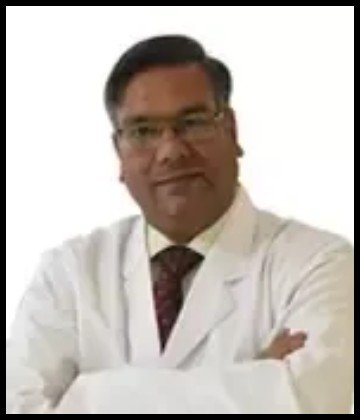
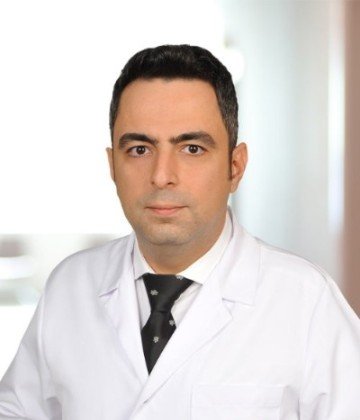
![Dr. Amit Bhargava [MBBS, Diploma - Radiology Therapy, DNB - Oncology] - Doctor at Satyug Healthcare](https://satyughealthcare.com/uploads/doctors/405437761717.webp)


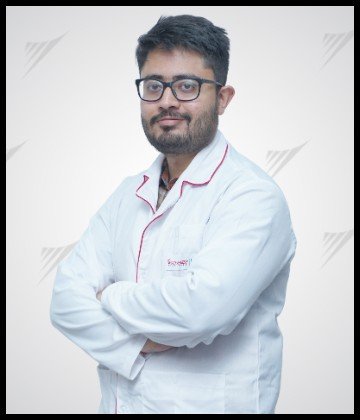





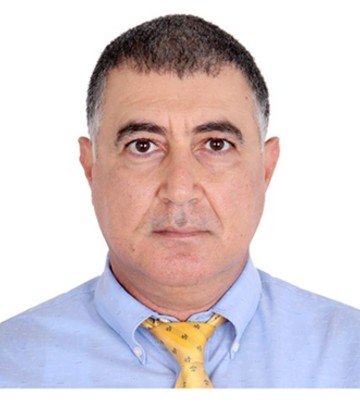
![Dr. Sapna Chopra [MBBS, MD - Transfusion Medicine] - Doctor at Satyug Healthcare](https://satyughealthcare.com/uploads/doctors/8d1a9862947865a3d9f1300385a41a9b.jpg)

































TOP HOSPITALS
Special High-quality Hospitals


HAPPY PATIENTS
What Our Patients Are Saying










Our Gallery