Bone Marrow Transplant
Assistance
Consultation
Services
Opinion
Care Coordination
What will your treatment cost?

| Surgery Name | Cost | Room | Hospitalization |
|---|---|---|---|
| Bone Marrow Transplant | USD 26000 - USD 30000 | Private | 4 weeks |
✓ Inclusion
- Pre Transplant work up for both patient and one donor
- Donor specific antibody assay by Single bead assay (for Haplo HSCT only)
- Donor Bone marrow/ Peripheral blood stem cell harvesting
- Entire Transplant cost (over all 30 days maximum)
✗ Exclusion
- If patient need desensitization therapy for high titer Donor Specific Antibodies
- If patient require Lymphodepletion chemo-Immunotherapy prior to Haplo HSCT
- Patient with active malignancy (leukemia) on pre transplant assessment , who requires salvage chemotherapy cost of which would be USD 17000+/2000 depending on the disease status
- Significant co morbidities at the time of transplant
- GVHD requiring second line treatment (Refractory GVHD)
- Platelet refractory requiring multiple transfusion and prolonged stay
- Major ICU stay
- Stay exceeding 30 days
- Any unrelated complication to Transplant
- Any major readmission requiring prolonged hospitalization
- If patient requiring Donor lymphocyte infusion, rescue transplant for
- primary graft failure or stem cell top up infusion, CMV reactivation requiring prolonged hospitalization and supportive treatment
- The charges for exclusion will be as per hospital schedule of charges MATCHED UNRELATED DONOR BMT (if required)
- Search for Stem cell donor from various national & international donor registries done basis results of HLA typing of patient.
- Cost of this transplant can range from USD 65000-80000 and depends on the donor registry that provides suitable match donor
Know More About Procedure & Surgery
Thalassemia Matched Sibling Donor (MSD) Bone Marrow Transplant in India
The Only Established Curative Treatment for Thalassemia Major - With an 85-90% Success Rate at Top JCI and NABH Accredited Hospitals
What is Thalassemia Major
Thalassemia Major (also called Beta Thalassemia Major or Cooley Anemia) is an inherited genetic blood disorder in which the body cannot produce adequate healthy hemoglobin. Children born with this condition develop severe anemia within the first two years of life and become dependent on blood transfusions every 2-4 weeks for survival. Repeated transfusions cause iron overload, which progressively damages the heart, liver and endocrine glands. Without curative treatment, patients face lifelong transfusions, iron chelation therapy and reduced life expectancy.
What is Matched Sibling Donor (MSD) Bone Marrow Transplant
Allogeneic Bone Marrow Transplant (BMT), also known as Stem Cell Transplant, is the only established curative treatment for Thalassemia Major. In an MSD BMT, healthy blood-forming stem cells are collected from a brother or sister who is a full HLA match with the patient. The defective bone marrow of the patient is first eliminated using a conditioning chemotherapy regimen (commonly Thiotepa, Treosulfan and Fludarabine), after which the donor stem cells are infused. The new marrow starts producing healthy red blood cells, permanently freeing the patient from blood transfusions.
A fully matched sibling donor offers the highest cure rates and the lowest risk of complications such as graft rejection and Graft Versus Host Disease (GVHD), which is why MSD BMT is considered the gold standard for curing Thalassemia Major.
Symptoms of Thalassemia Major
- Severe anemia requiring regular blood transfusions from infancy
- Extreme fatigue, weakness and breathlessness
- Pale or yellowish (jaundiced) skin
- Poor growth and delayed puberty
- Facial bone changes and skeletal deformities
- Enlarged spleen and liver (splenomegaly and hepatomegaly)
- Dark colored urine
- Frequent infections
- Iron overload complications affecting the heart, liver, pancreas and hormone glands
Diagnosis and Pre-Transplant Evaluation
Before the transplant, a detailed evaluation is performed to establish disease status, assess iron overload and organ damage, and confirm donor suitability. The evaluation is done on OPD basis, usually takes 7-10 days, and costs approximately USD 1,500 - 2,000. It includes:
- Complete Blood Count (CBC) and peripheral smear
- Hemoglobin electrophoresis / HPLC to confirm the type of thalassemia
- DNA mutation analysis (genetic confirmation)
- Serum ferritin and iron studies to measure iron overload
- MRI T2* of liver and heart to assess organ iron deposition
- Liver function, kidney function and viral marker tests
- Echocardiogram and cardiac fitness assessment
- High resolution HLA typing of the patient, all siblings and parents
- Complete medical fitness workup of the selected donor
Donor and Patient Matching (HLA Typing)
HLA (Human Leukocyte Antigen) typing is a blood test that identifies genetic markers used to match the patient with a donor. For the best outcome, a 10/10 fully matched donor is preferred. Each biological sibling has a 25% chance of being a complete HLA match with the patient, which is why high resolution HLA typing of the patient and all siblings is the first step.
- Matched Sibling Donor (Best Option): Full HLA matched brother or sister - highest success (85-90%), lowest GVHD and rejection risk, cost USD 26,000 - 30,000.
- Matched Unrelated Donor (MUD): If no sibling matches, a donor can be searched in national and international registries. Donor search takes 2-3 months and the cost is significantly higher.
- Haploidentical (Half-Match) Donor: A biological parent or half-matched sibling can donate. Success is approximately 70% with a moderately higher cost.
The donor undergoes fitness evaluation and viral screening. Stem cells are collected from the donor either from bone marrow under anesthesia or from peripheral blood after growth factor injections. The donor typically needs only 1 day of admission and recovers fully within a few days.
MSD BMT Procedure - Step by Step
- Evaluation and Donor Confirmation: Disease re-evaluation, iron overload assessment and confirmatory high resolution HLA typing.
- Central Line Insertion: A central venous catheter is placed for chemotherapy, infusions and blood sampling.
- Conditioning Chemotherapy (5-7 Days): The Thiotepa / Treosulfan / Fludarabine regimen destroys the defective marrow and suppresses immunity to prevent graft rejection.
- Stem Cell Infusion (Day 0): Donor stem cells are infused through the central line, similar to a blood transfusion.
- Engraftment Phase (14-21 Days): The patient stays in a HEPA-filtered sterile BMT unit while the new marrow starts producing blood cells. Blood counts are monitored daily.
- Discharge and Follow-Up: After successful engraftment, the patient is discharged and followed up in OPD for 2-3 months with regular chimerism monitoring.
Cost of Thalassemia MSD BMT in India
| Particulars | Details |
|---|---|
| Disease Evaluation and Pre-Transplant Workup (OPD) | USD 1,500 - 2,000 Approx. |
| Matched Sibling Donor Allogeneic BMT Package | USD 26,000 - 30,000 Approx. |
| Hospital Stay | 22-28 Days (Patient) + 1 Day (Donor) |
| Total Stay in India | 2-3 Months Approx. |
Packages generally include transplant for the patient, stem cell collection and harvesting from the donor, investigations, pharmacy, consumables, blood bank support and hospital stay as per protocol. ICU stay, unrelated complications, stay beyond package days and post-discharge medicines are charged additionally.
International Cost Comparison
| Country | Approximate Cost (USD) |
|---|---|
| India | 26,000 - 30,000 |
| USA | 250,000 - 400,000 |
| UK | 200,000 - 300,000 |
| Singapore | 150,000 - 200,000 |
| Turkey | 60,000 - 80,000 |
Patients save up to 85-90% of the treatment cost in India without any compromise on quality, as the transplants are performed at JCI and NABH accredited hospitals by internationally trained BMT specialists.
Recovery After MSD BMT
- Engraftment (2-3 Weeks): New donor marrow starts producing blood cells; the patient remains in a sterile BMT unit.
- Transfusion Independence: Most patients stop needing blood transfusions within weeks of successful engraftment.
- OPD Follow-Up (2-3 Months): Twice weekly monitoring of blood counts, chimerism studies, GVHD surveillance and medication adjustment before the patient flies home.
- Immune Recovery (6-12 Months): Immunity rebuilds gradually; the patient continues prophylactic medicines and follows hygiene, food safety and crowd-avoidance precautions.
- Long-Term: Re-vaccination is done after immune recovery. Cured patients live a normal, transfusion-free life with routine annual checkups. Tele-consultation follow-up with the Indian BMT team continues after returning home.
Success Rate and Prognosis
With a fully matched sibling donor, the success rate of BMT for Thalassemia Major in India is 85-90%. Outcomes are best when the transplant is done at a younger age, before severe iron overload and organ damage develop. Once the graft is stable and chimerism is complete, the patient is considered cured - no more transfusions, no more chelation therapy, and a normal quality of life.
Why Choose India for Thalassemia BMT
- World-class BMT units at JCI and NABH accredited hospitals with HEPA-filtered transplant rooms
- Highly experienced transplant hematologists who have performed hundreds of pediatric thalassemia transplants
- Cost is 8-10 times lower than the USA, UK or Singapore
- No waiting time - evaluation begins within 24-48 hours of arrival
- Complete international patient support including medical visa assistance, interpreters and accommodation
How Satyug Healthcare Helps You
- Free medical opinions and cost estimates from multiple top BMT hospitals in India (Max, BLK-MAX, Manipal, Artemis and more) so the family can compare and choose
- Priority appointments with senior BMT specialists and transparent package negotiation
- Medical visa invitation letters for the patient, donor and attendants
- Airport pickup, budget-friendly accommodation near the hospital and local SIM support
- Language interpreters - Arabic, Russian, French, Bengali, Vietnamese, Uzbek and more
- Dedicated case manager for the complete treatment journey, from HLA typing to discharge
- Post-return tele-consultation follow-up with the treating BMT team
Frequently Asked Questions (FAQs)
A fully HLA matched sibling (brother or sister) is the best donor, offering an 85-90% cure rate with the lowest risk of rejection and GVHD. Each sibling has a 25% chance of being a full match.
The transplant package costs approximately USD 26,000 - 30,000, plus USD 1,500 - 2,000 for disease evaluation and pre-transplant workup including HLA typing.
The hospital stay is 22-28 days for the transplant, and the total stay in India is around 2-3 months including evaluation and post-transplant OPD follow-up.
Yes. Allogeneic BMT is the only established curative treatment for Thalassemia Major. After successful engraftment, the patient becomes permanently free from blood transfusions and iron chelation.
A matched unrelated donor can be searched in international registries (2-3 months search time), or a haploidentical transplant can be done using a parent as the donor with approximately 70% success. Our team helps the family choose the safest option.
Give Your Child a Transfusion-Free Life
Send us the medical reports and HLA typing results (if available) on WhatsApp and receive free opinions and package quotes from the top BMT hospitals in India within 24-48 hours.
Satyug Healthcare - Trusted Medical Tourism Partner for Patients from 30+ Countries
Frequently Asked Questions
A fully HLA matched sibling (brother or sister) is the best donor, offering an 85-90% cure rate with the lowest risk of rejection and GVHD. Each sibling has a 25% chance of being a full match.
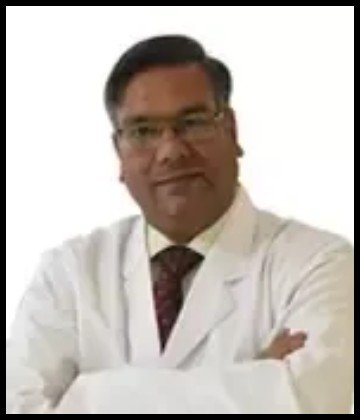
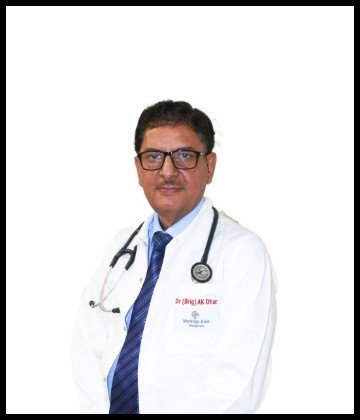
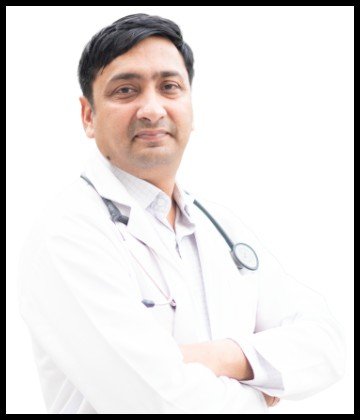
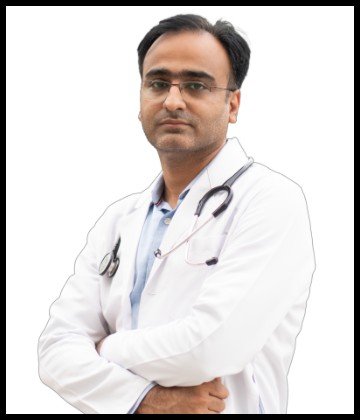
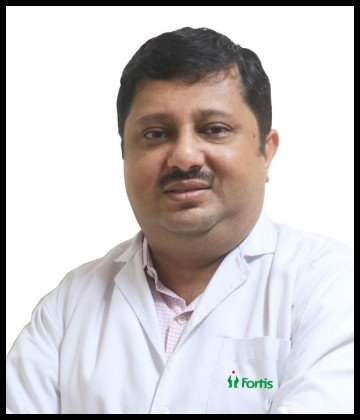
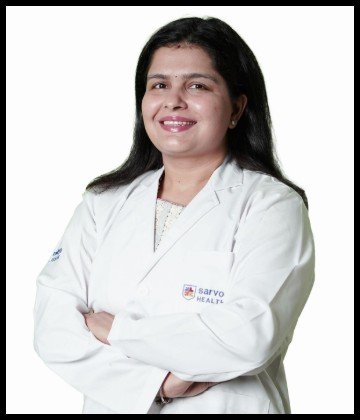
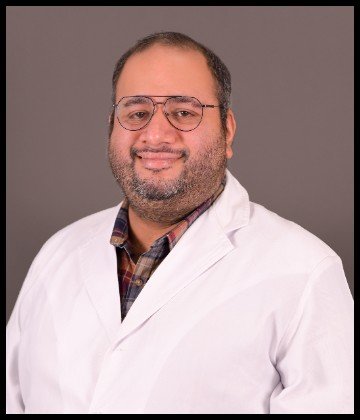
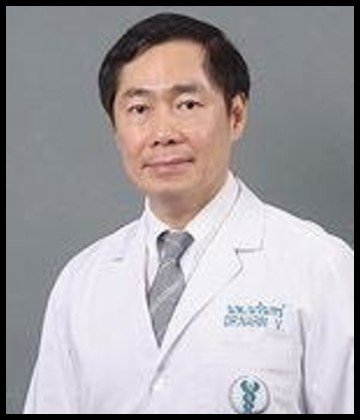
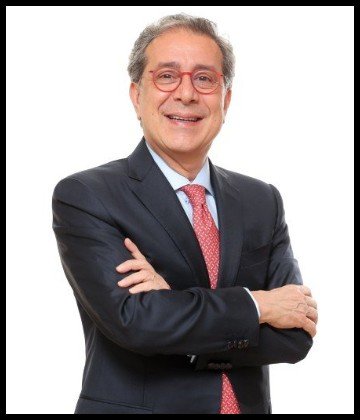
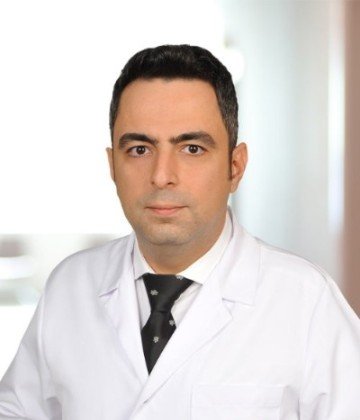
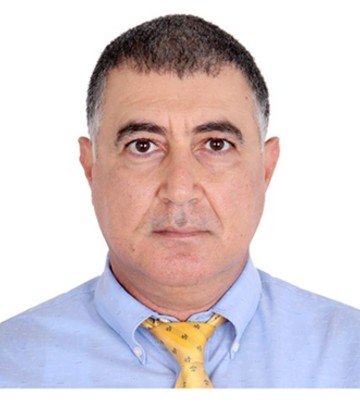
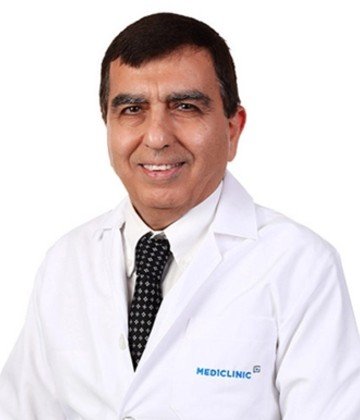
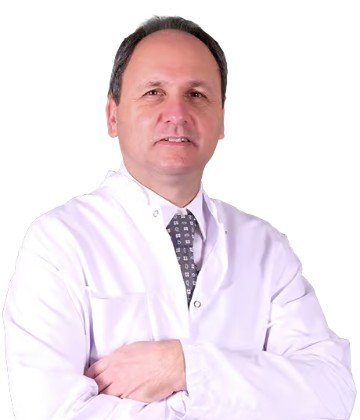
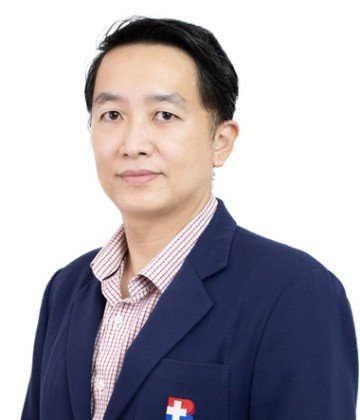
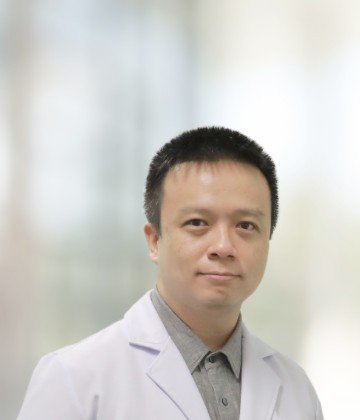
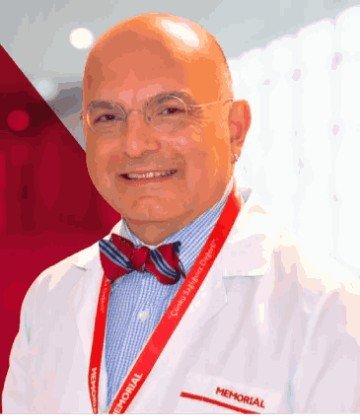
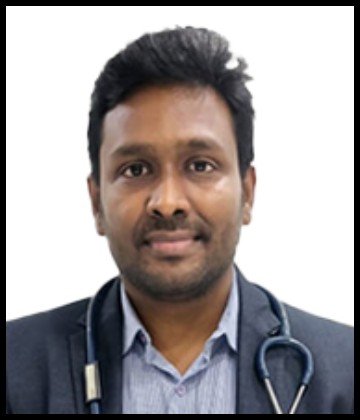
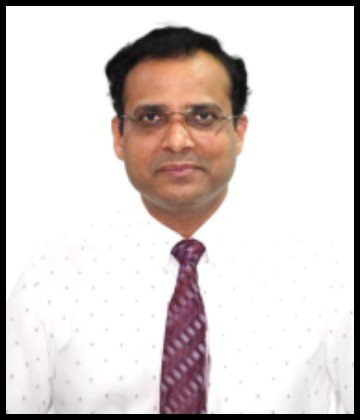
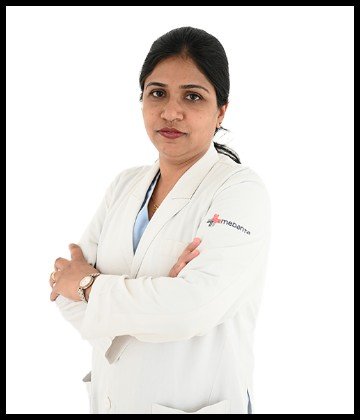
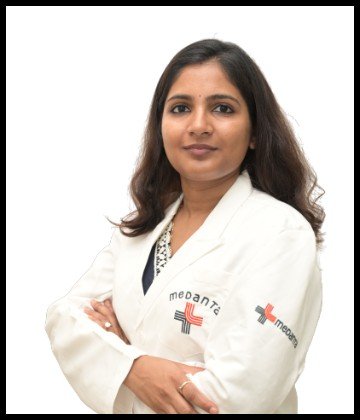
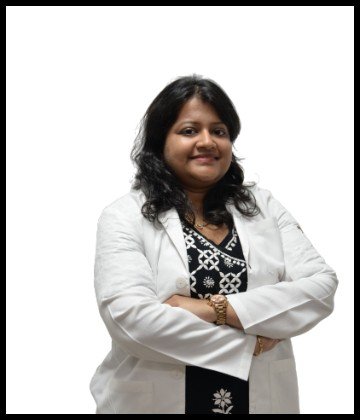
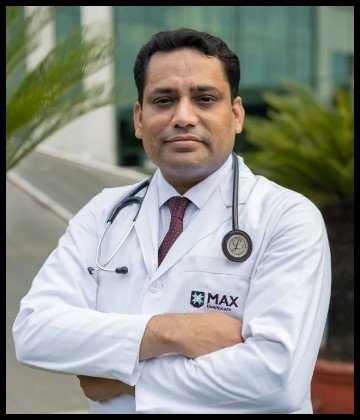
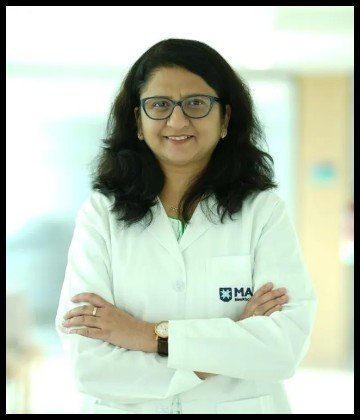
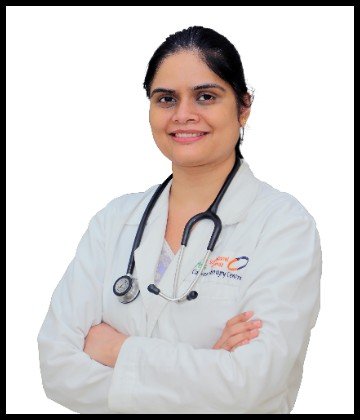
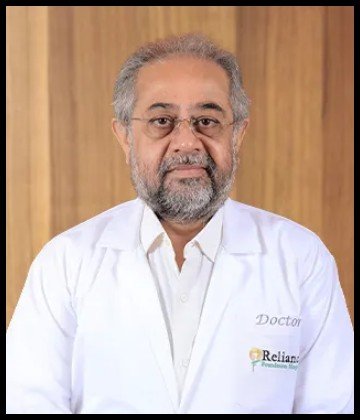
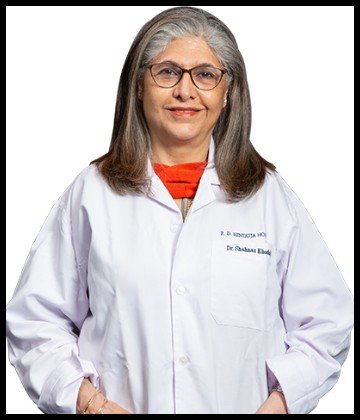
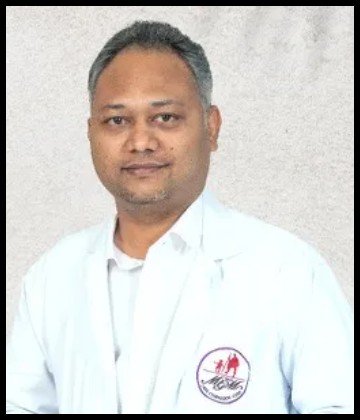
Top Thalassemia Bone Marrow Transplant Doctor in India


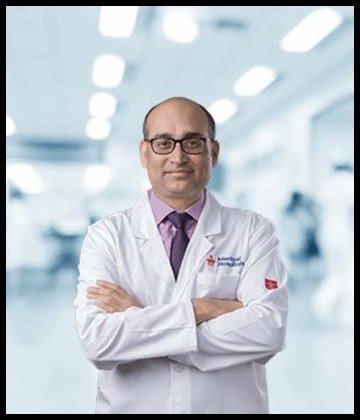
![Dr. Amit Bhargava [MBBS, Diploma - Radiology Therapy, DNB - Oncology] - Doctor at Satyug Healthcare](https://satyughealthcare.com/uploads/doctors/405437761717.webp)


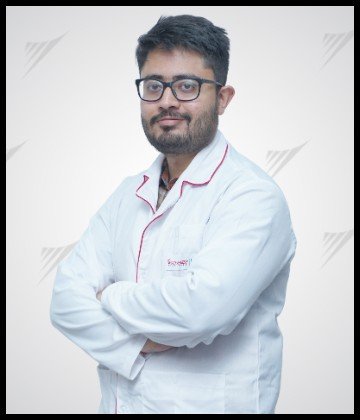




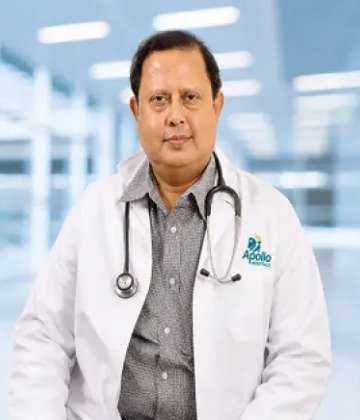
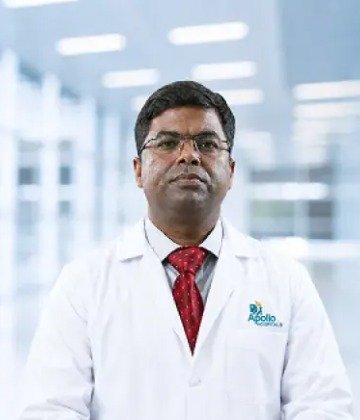
![Dr. Sapna Chopra [MBBS, MD - Transfusion Medicine] - Doctor at Satyug Healthcare](https://satyughealthcare.com/uploads/doctors/8d1a9862947865a3d9f1300385a41a9b.jpg)
























TOP HOSPITALS
Special High-quality Hospitals


HAPPY PATIENTS
What Our Patients Are Saying





Our Gallery