Ileostomy Closure Surgery cost in India
Assistance
Consultation
Services
Opinion
Care Coordination
What will your treatment cost?

| Surgery Name | Cost | Room | Hospitalization |
|---|---|---|---|
| Ileostomy Closure Surgery cost in India | 3000-3500 USD | Single | Patient - 4 days stay in a single room. |
✓ Inclusion
- Room Rent,
- Cost of Surgery,
- Consultation by Primary Team in Package days,
- Basic Investigations.
- Routine Pharmacy and Consumables,
- Patient Food.
- Surgeon’s Fees.
- Anesthetist Fee.
- Operation Theatre Charges.
- Pharmacy Services Charges including Drugs &Medical Consumables
✗ Exclusion
1.Overstay more than package days,
2. Any other Specialty Consultations,
3. Special Equipment,
4. Additional Procedure/Surgery.
5. Blood Components.
Know More About Procedure & Surgery
🇮🇳 Medical Package — India
Ileostomy Closure Surgery cost in India
World-class treatment • NABH & JCI Accredited Hospitals • Save up to 80% vs USA/UK
What is Ileostomy Closure Surgery?
An ileostomy closure surgery is done to reverse your ileostomy so that you can have bowel movements like you did before your surgery. If your ileostomy is intended to be temporary, further surgery will be needed to reverse it at a later date. The reversal operation will only be carried out when you're in good health and fully recovered from the effects of the original ileostomy operation. This will usually be several weeks or months after the initial surgery, or sometimes even longer.
Complications
Risk factors for nonclosure of diverting ileostomy include advanced age, anastomotic leak, metastatic disease, and adjuvant chemotherapy. Only half of patien will ever undergo reversal.
Before Procedure
You need to discuss below mentioned things to your doctor:
- ✓If you are taking blood thinner , be sure your healthcare provider knows all the medications you’re taking.
- ✓Please take prescription medications provided by your doctor, including patches and creams.
- ✓Inform your doctor about any dietary supplements, such as herbs, vitamins, minerals, or natural or home remedies.
- ✓Intimate your doctor if you have pacemaker, automatic implantable cardioverter-defibrillator (AICD), or other heart device.
- ✓If you have sleep apnea.
- ✓Inform your doctor about problem with anesthesia (medication to make you sleep during surgery) in the past.
- ✓If you are allergic to certain medication(s) or materials, including latex.
- ✓If you are not willing to receive a blood transfusion.
- ✓If you drink alcohol or smoke, please inform your doctor because the amount of alcohol you drink can affect you during and after your surgery. It’s important to talk with your healthcare providers about how much alcohol you drink. This will help us plan your care.
- ✓If you stop drinking alcohol suddenly, it can cause seizures, delirium, and death. If we know you’re at risk for these complications, we can prescribe medications to help keep them from happening.
- ✓If you drink alcohol regularly, you may be at risk for other complications during and after your surgery. These include bleeding, infections, heart problems, and a longer hospital stay.
- ✓If you smoke, you can have breathing problems when you have surgery. Stopping even for a few days before surgery can help. If you smoke, your healthcare provider will refer you to our Tobacco Treatment Program.
💉 A day before your surgery
You’ll need to follow a clear liquid diet the day before your surgery. A clear liquid diet includes only liquids you can see through.
While you’re following this diet:
- ✓Don’t eat any solid foods.
- ✓Try to drink at least 1 (8-ounce) glass of clear liquid every hour while you’re awake.
- ✓Drink different types of clear liquids. Don’t just drink water, coffee, and tea.
- ✓Don’t drink sugar-free liquids unless you have diabetes and a member of your healthcare team tells you to.
● For people with diabetes
If you have diabetes, ask the doctor who manages your diabetes what you should do while you’re following a clear liquid diet.
- ✓If you take insulin or another medication for diabetes, ask if you need to change the dose.
- ✓Ask if you should drink sugar-free clear liquids.
Surgery
Reversing a loop ileostomy is a relatively straightforward procedure that's carried out under general anaestheti. A cut (incision) is made around the stoma and the section of small intestine is pulled out of the tummy (abdomen). The area that had been divided to form the stoma is then stitched back together and placed back inside the abdomen. It's also sometimes possible to reverse an end ileostomy if most of the large intestine (colon) has been sealed and left inside the abdomen. But the surgeon will need to make a larger incision to locate and reattach the small and large intestines. It therefore takes longer to recover from this type of surgery, and there's a greater risk of complications.
Recovery
Most people are well enough to leave hospital within 3 to 5 days of having ileostomy reversal surgery. While you recover, you may have diarrhoea and need to go to the toilet more often than normal. It can take a few weeks for these problems to settle. Your bowel activity may never return to the way it was before you had the ileostomy operation. If necessary, your doctor can prescribe medication to relieve diarrhoea until things improve. You may also experience a sore anus after the reversal operation. This should improve as the anus becomes used to having stools pass through it again, although common barrier creams can help. The reversal operation is usually a smaller procedure than the initial ileostomy procedure, but it still takes several weeks to fully recover.
Frequently asked question
How long does ileostomy reversal surgery take?
The reversal is a small operation lasting approximately 30 to 60 minutes but still involves a general anaesthetic. Your hospital stay may be for about three to five days. You will have a small wound where your stoma (ileostomy) was.
Is stoma reversal major surgery?
stoma reversal is reversal of an end colostomy. This is major surgery and involves connecting the functioning end of the colon which is the stoma to the lower end of the bowel. A temporary loop stoma may be required for a few months to allow the join in the bowel to heal.
How long does pain last after ileostomy reversal?
People have pain or discomfort for different lengths of time. You may still have some pain when you go home and will probably be taking pain medication. The pain usually gets better within 1 to 2 weeks.
What food benefits after ileostomy reversal?
These foods include: cabbage, pineapple, bean sprouts, tomato skins, nuts, coconuts, bamboo shoots, orange pith, lettuce, celery, popcorn, mushrooms and dried fruit. Chew all high-fibre foods well to aid digestion and avoid colic.
What can I expect after ileostomy reversal?
Most people are well enough to leave hospital within 3 to 5 days of having ileostomy reversal surgery. While you recover, you may have diarrhoea and need to go to the toilet more often than normal. It can take a few weeks for these problems to settle.
How do you stop diarrhea after an ileostomy reversal?
Drinking black tea can also help. Sometimes separating food from liquids when you eat can help to slow the bowels and passage of stool. If you drink large amounts of liquid with your meals, food may move through you more quickly. The BRAT diet is made up mostly of:
- 1Bananas (B)
- 2White rice (R)
- 3Applesauce (A)
- 4Toast (T)
We strive to restore your smile
For more information, medical assessment and medical quotesend
your medical history and medical reports at Email : query@satyughealthcare.com
Telephone/video consultation with a leading Indian doctor
International patient HelpDesk WhatsAPP/Call: +91 8882424372 | +919910655125
Free Medical Opinion
Expert review in 48 hours
Best Surgeon
Top specialists in India
Hospital Booking
NABH / JCI accredited
Visa Assistance
Invitation letter provided
Airport Transfer
Safe pickup & drop
Tele-Consultation
Video consult before travel
Hotel Booking
Near hospital, affordable
Multilingual Support
Arabic, French, English
📞 Get Started Today — It Is Free
Ready to Plan Your Treatment in India?
Send your medical reports and get a free expert opinion within 48 hours. Our coordinators speak Arabic, French and English.
Top doctors for Ileostomy Closure Surgery| Cost for Ileostomy Closure treatment|Book online appointment| Best treatment for Ileostomy Closure in India. Search Results Web results for cost of Ileostomy Closure Surgery|


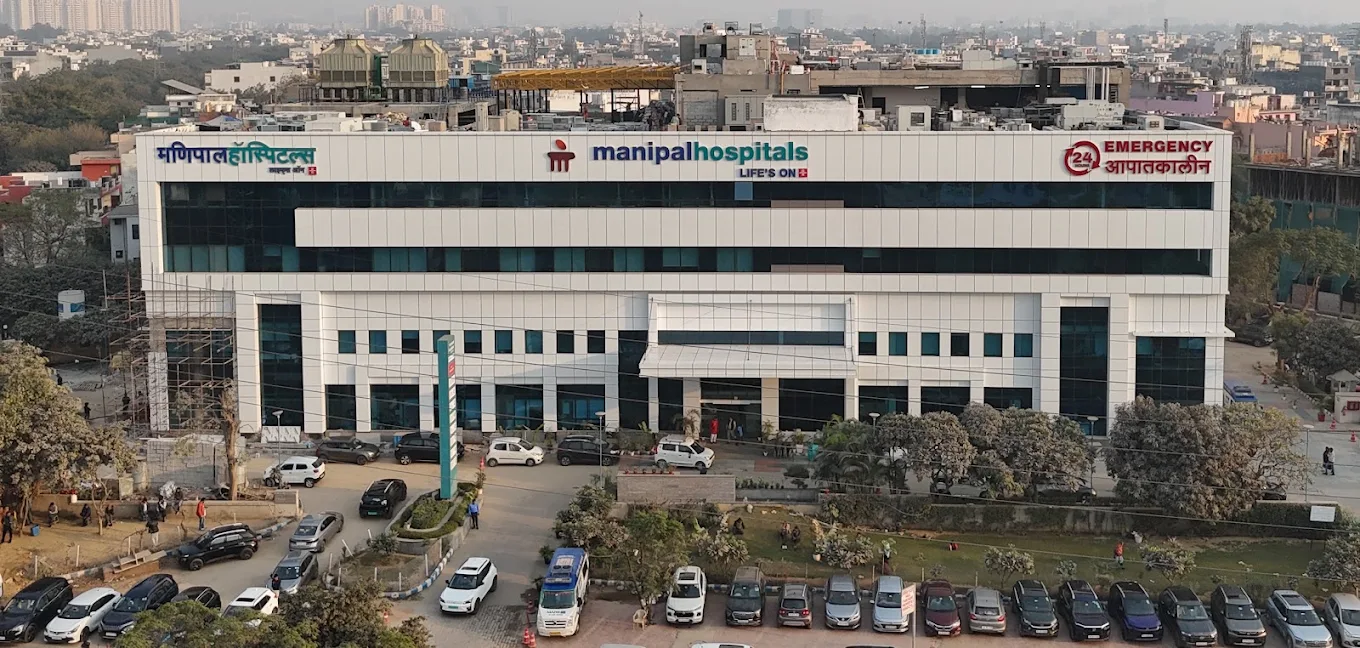
TOP HOSPITALS
Special High-quality Hospitals




HAPPY PATIENTS
What Our Patients Are Saying
























Our Gallery