Assistance
Consultation
Services
Opinion
Care Coordination
What will your treatment cost?
What illnesses will an Endoscopic Retrograde Cholangiopancreatography (ERCP) show?
Released Date: 2021-09-09

You may have heard of ERCP but not be sure what it is. Perhaps you or a relative has been advised to have this procedure and you want to know how to prepare and what care is needed afterwards. This article gives a clear picture of ERCP and answers the questions patients ask most often.
🖼️ Understand It in Pictures
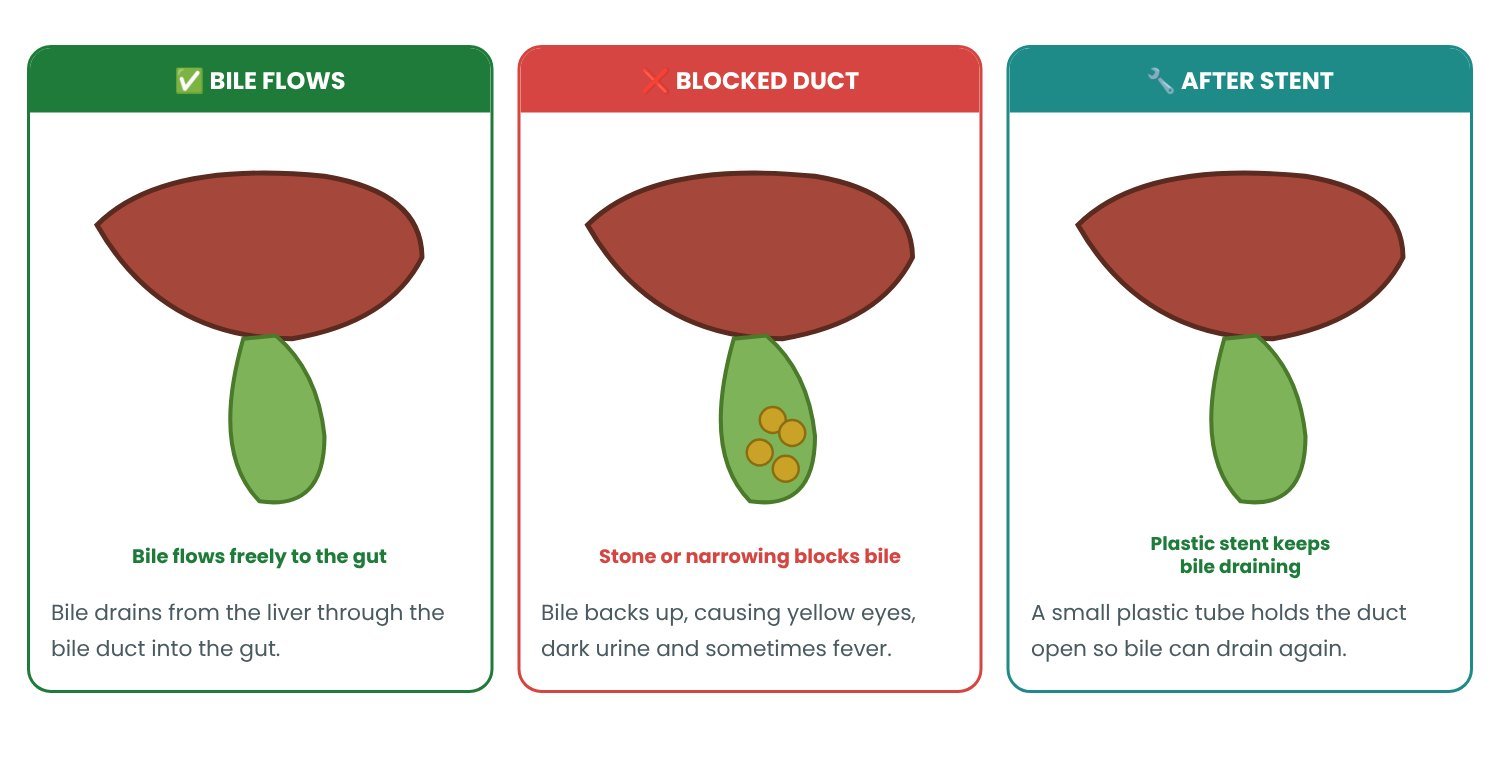
Open vs blocked bile duct
👀 Symptoms in Pictures
🩻 Scans & Tests — What Doctors See


🎬 The Treatment Journey in Pictures

📅 Recovery at a Glance
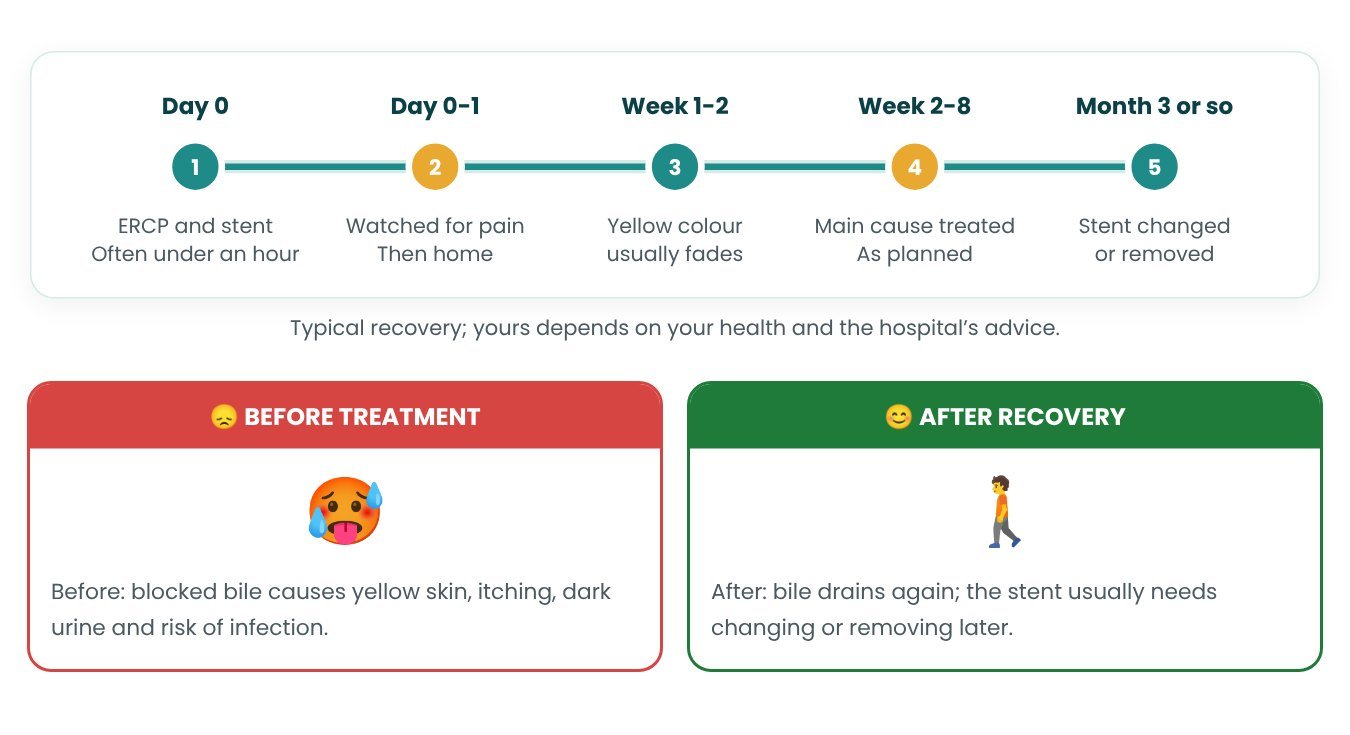
Drawings: Satyug Healthcare (simplified, not to scale). Photos: Wikimedia Commons; author and licence under each photo.
What is ERCP?
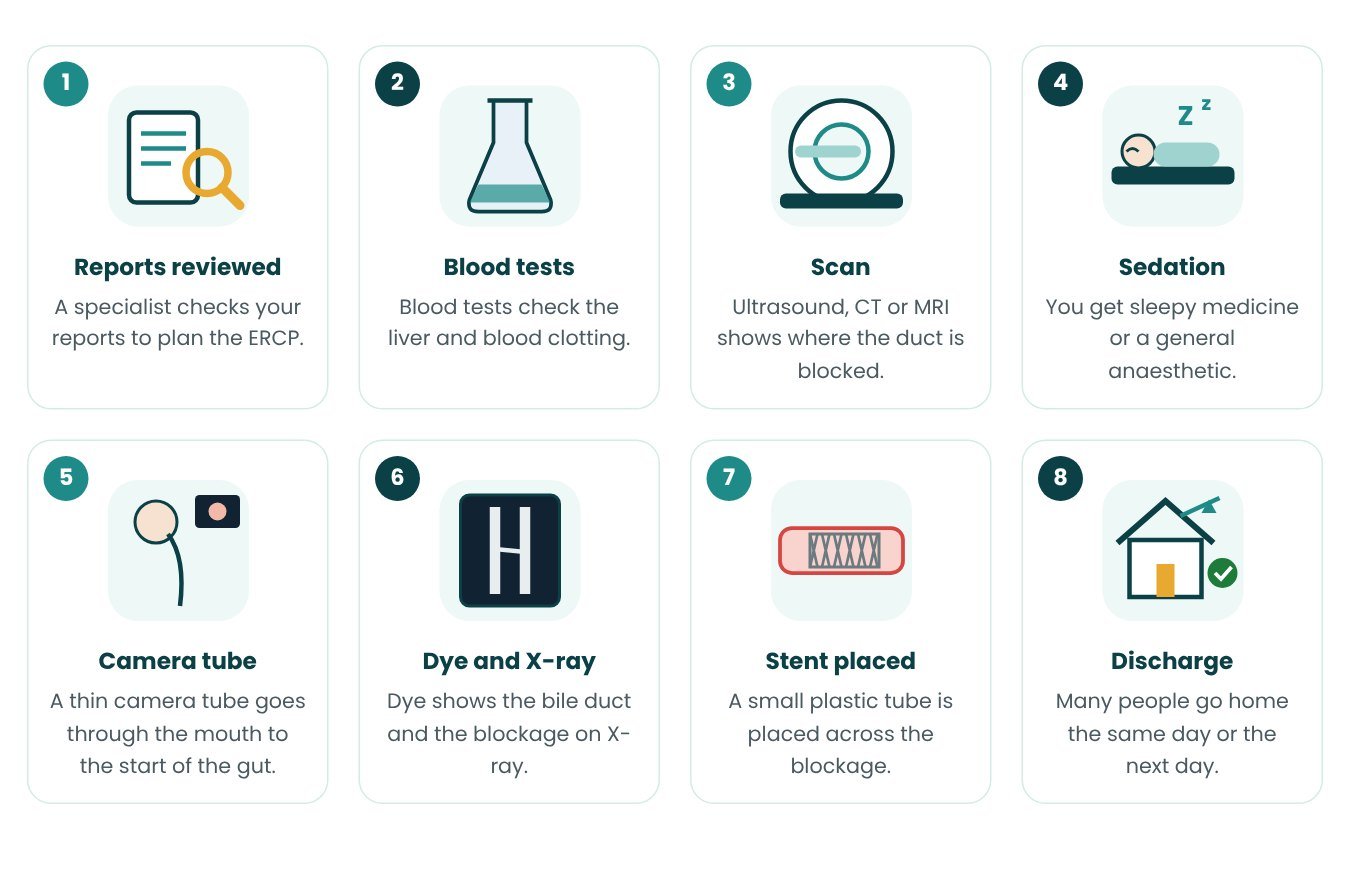
ERCP stands for endoscopic retrograde cholangiopancreatography. It is a procedure used to diagnose and treat problems of the bile ducts (which drain bile from the liver and gallbladder) and the pancreatic duct. A thin, flexible tube with a light and a camera (endoscope) is passed through the mouth, down the food pipe and stomach, into the first part of the small intestine (duodenum), where these ducts open. A smaller tube is then passed into the ducts, a contrast dye is injected and X-ray pictures are taken. The doctor watches the images on a monitor. Problems such as gallstones in the bile duct can often be treated during the same procedure. Please ask your doctor for more details about your own case.
What illnesses can an ERCP show?
- Gallstones that have moved into the bile duct, which can often be removed during ERCP
- Narrowing (strictures) of the bile ducts or the pancreatic duct, which can be opened with a stent
- Tumours of the bile ducts, pancreas or the area where the ducts open
- Long-term inflammation of the pancreas (chronic pancreatitis) and stones in the pancreatic duct
- Bile leaks after gallbladder or liver surgery
How long does the ERCP procedure take?
It normally takes 60 to 90 minutes. The time can vary depending on what is found and how complex the case is.
How long does it take to recover from ERCP?
Recovery is much quicker than after surgery. After the procedure you will rest in the recovery area for 30 to 40 minutes while the staff check on you. Most patients recover fully within 1 or 2 days.
Can I eat after ERCP?
For the next 24 to 48 hours, avoid heavy meals. Eat light, easily digested food such as soups and juices, as advised by your doctor. Once you feel back to normal, you can return to your usual diet.
Will I be asleep during my ERCP?
You will be given a sedative to make you comfortable, so you will be drowsy. If you have a sedative, someone should take you home.
Can I drink alcohol after ERCP?
Do not drink alcohol for 24 hours after the procedure. After that, follow your doctor’s advice.
Will my throat hurt after ERCP?
It is normal to have a sore throat, nausea or a cough after ERCP. Your doctor will advise you on what to eat. You will usually be back to normal and swallowing as usual within 1 to 2 days.
Why do I have abdominal pain after ERCP?
During the procedure, air is passed into the stomach and intestine so that the doctor can see clearly. This can cause bloating or mild pain in the abdomen afterwards, which usually passes quickly. Severe or increasing abdominal pain is not normal and should be reported to your doctor at once.
Can I return to work after ERCP?
The sedative given to make you comfortable and reduce anxiety can affect you for up to one day, so it is better to take one day off. The effect of the sedative varies from person to person.
Can I talk during and after the procedure?
You cannot talk while the tube is in your food pipe, but you can breathe normally. After the ERCP you can talk, although your throat may feel sore.
What are the side effects of ERCP?
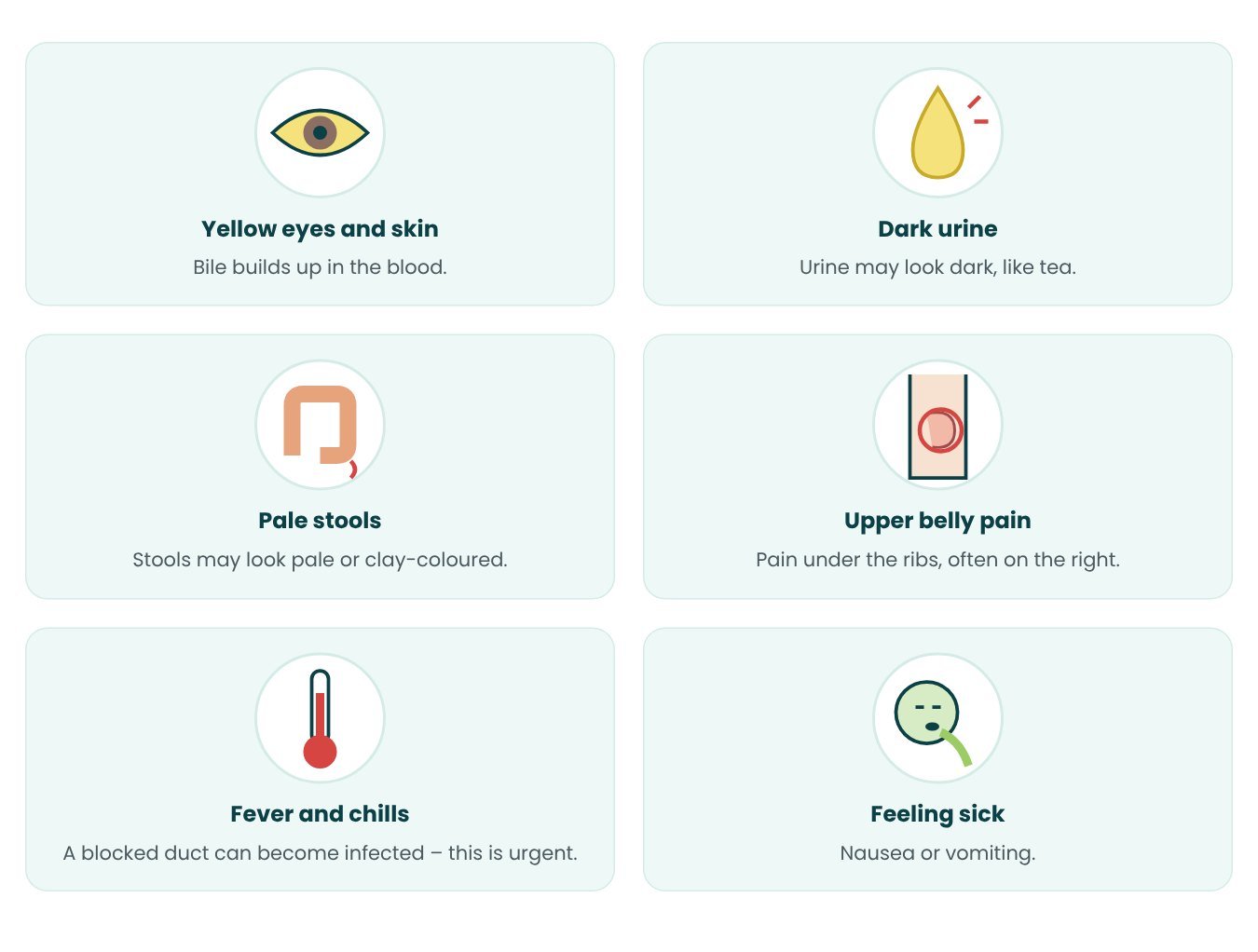
Side effects may include vomiting, coughing, a sore throat, and pain in the chest or upper abdomen. If these problems last more than 72 hours, contact your doctor. Contact your doctor at once if you have severe abdominal pain, fever, chills, black stools or vomit blood, as these may be signs of a complication such as inflammation of the pancreas.
We hope this answers your questions. For more detailed information, please consult your doctor. We can help you choose the doctor, treatment and hospital.
If you have any related query, you can send us your report at the email address below, or call or WhatsApp us for a second opinion.
Video/tele consultation is also available.
E-mail address- query@satyughealthcare.com
Phone number- +91-8860606766, +91-9910655125
Top Surgical Gastroenterology Doctors in India


Top Hospitals in India for International Patients


Related Blogs




HAPPY PATIENTS
What Our Patients Are Saying