Assistance
Consultation
Services
Opinion
Care Coordination
What will your treatment cost?
Retinoblastoma treatment in India
Released Date: 2021-02-11

What is Retinoblastoma?
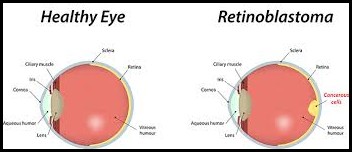
Retinoblastoma is cancer of the eye. It starts in the retina, the layer of nerve cells lining the back of the eye. It happens when nerve cells in the retina change, growing in size and number. The cells eventually form a tumor. The cells usually spread in and around the eye. They can also spread to other parts of the body, including the brain and spine. Children with retinoblastoma may have inherited a gene from their parents that causes this disease. These children tend to get retinoblastoma at an earlier age, and in both eyes.
Symptoms
- An eye or eyes that appear larger than normal
- Cloudiness or discoloration in the center of the eye
- Eye pain
- Eyes that cross or look in different directions
- Redness in the white of the eye
- Vision problems
Causes
Retinoblastoma occurs when nerve cells in the retina develop genetic mutations. These mutations cause the cells to continue growing and multiplying when healthy cells would die. Generally, it's not clear what causes the genetic mutations that lead to retinoblastoma. However, it's possible for children to inherit a genetic mutation from their parents.
Diagnosis
- Eye exam. Doctor will conduct an eye exam to determine what's causing your child's signs and symptoms. He or she may recommend using anesthetics to keep your child still.
- Imaging tests. Scans and other imaging tests can help your child's doctor determine whether retinoblastoma has grown to affect other structures around the eye. Imaging tests may include ultrasound, computerized tomography (CT) scan and magnetic resonance imaging (MRI), among others.
- Consulting with other doctors. Your child's doctor may refer you to other specialists, such as a doctor who specializes in treating cancer (oncologist), a genetic counselor or a surgeon.
Treatment
Doctors usually use a combination of treatments such as:
- Chemotherapy: Powerful drugs help shrink the tumor ahead of other treatments. If the cancer hasn’t spread, the drugs may be injected directly into the eye or into the blood vessels that lead to it. If the cancer is likely to spread or has already spread, your child will probably take the medications by mouth or through a vein so they can work throughout the body.
- Cryotherapy: A touch with a super-cooled metal probe freezes and kills cancer cells. This works best on small tumors near the front of the eye.
- Thermotherapy: A special laser kills cancer cells with heat. Doctors use it by itself on small tumors or along with other treatments for larger tumors.
- Laser Therapy: A different kind of laser targets and destroys the blood vessels that supply the tumor. This works for small tumors in the back of the eye.
- Radiation: There are two kinds of radiation therapy. For small tumors, a surgeon can sew a disc that has radioactive material inside it onto the eyeball near the tumor. It will take few days while it works, and then the disc is removed. Older technology uses a machine to focus beams of radiation on the tumor.
- Surgery: If the tumor is very large by the time it’s found, it may not be possible to save the child’s vision. In these cases, the eye may be removed.
Frequently asked questions
Q.Can retinoblastoma kill you?
Retinoblastoma, a childhood cancer of the eye, can do more than blind you: They can kill you. These cancers are rare, but are just as serious and potentially as lethal as any cancer that is more widely known.
Q.Can retinoblastoma be prevented?
The risk for many cancers can be reduced by avoiding certain risk factors, such as smoking or exposure to hazardous chemicals in the workplace. But there are no known avoidable risk factors for retinoblastoma.
Q.How early can retinoblastoma be detected?
Most heritable retinoblastomas develop and diagnosed in infants only a few months old. If tumors develop in both eyes, it happens at the same time. But in some children, tumors develop in one eye first, then a few months (or even years) later in the other eye.
Q.Is retinoblastoma curable?
More than 9 in 10 children with retinoblastoma are cured. The chances of long-term survival are much better if the tumor has not spread outside the eye.
Q.What happens if Retinoblastoma goes untreated?
Untreated, retinoblastoma can spread widely: Throughout the retina. Throughout the fluid inside the eye (also called the vitreous). Large tumors may detach from the retina and break into smaller tumors, called vitreous seeds.
Related Blogs
HAPPY PATIENTS
What Our Patients Are Saying
















Our Gallery