🌐

Lymphedema Treatment in India

Released Date: 2023-12-09

Lymphedema Treatment in India


What is Lymphoedema ?

Lymphedema is a chronic condition characterized by abnormal Swelling and fluid retention often in the arms or legs due to impairment in the lymphatic system's ability to drain fluids from the body's tissues.
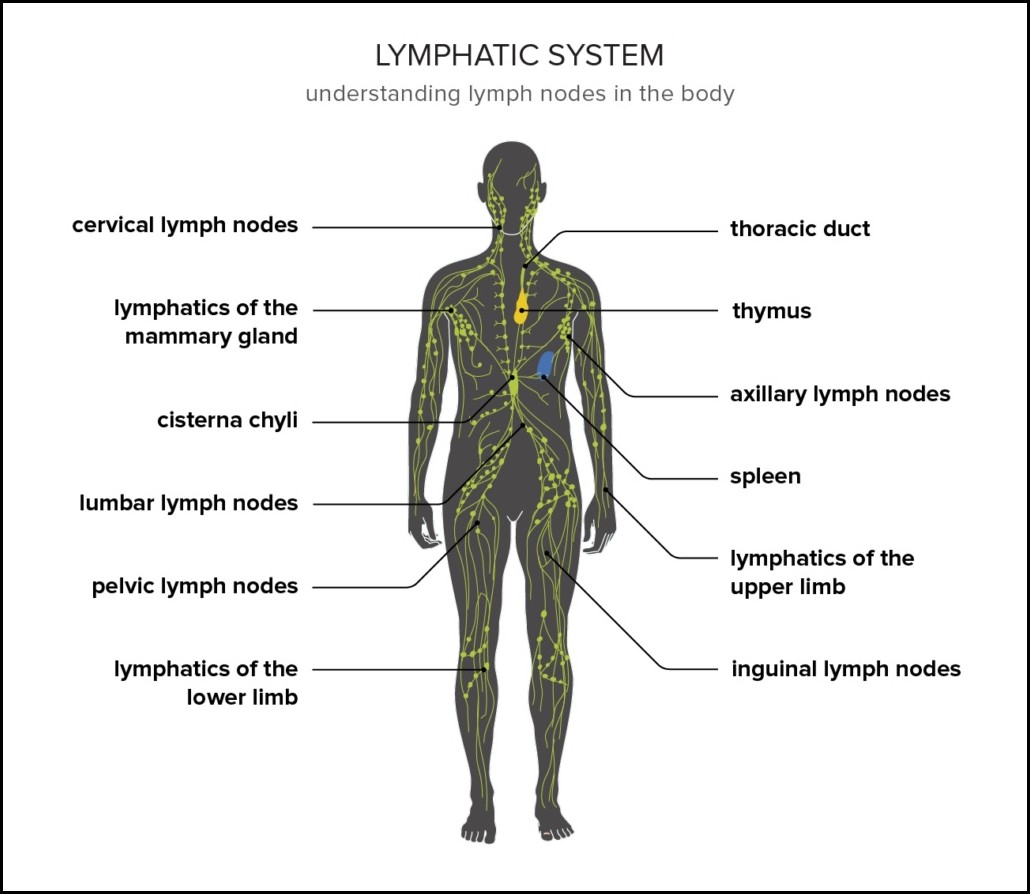
lymphatic system | Best hospital for lymphatic leg surgery in India

There are two main types of lymphedema:-

  • Primary Lymphedema
  • Secondary Lymphedema

Primary Lymphedema :

  1. Primary lymphedema is caused by malformed lymphatic vessels.
  2. Primary lymphedema can occur in any part of the body
  3. Primary lymphedema results in malformations, including hypoplastic, aplastic, or varicose and incompetent lymph vessels and cause lymph stasis. Flow may become bidirectional with fluid moving from the deep to the superficial lymphatic vessels.
  4. primary lymphedema that did not manifest until an acute injury caused chronic lymph overload.

Secondary Lymphedema :

  1. Secondary lymphedema occurs when there is damage to, or impairment of, the lymphatic system.
  2. Secondary lymphedema tends to be connected to the area of the body that is associated with a surgical procedure, treatment, infection, or physically traumatic event. In many cases, the originating event behind the development of lymphedema is unclear.
  3. Secondary lymphedema occurs when trauma to the lymphatics result in malfunctioning of the system, as seen with filariasis, a parasitic infection, or recurrent infection and inflammation.
  4. The more common secondary lymphoedema, usually the result of cancer.

What are the 4 stages of lymphedema?

 Lymphedema is typically classified into stages to help healthcare professionals assess its severity and plan appropriate treatment.

  1. Stage 0 (Latency or Subclinical Stage): In this stage, there are no visible symptoms, but the lymphatic system is impaired. The affected limb may feel heavy or tight, but there is no noticeable swelling.
  2. Stage I (Mild Lymphedema): Swelling is present and usually mild, often referred to as "pitting edema." It is soft, and the affected limb may retain its shape when elevated. The swelling may decrease with rest and elevation.
  3. Stage II (Moderate Lymphedema): Swelling becomes more pronounced and may not completely resolve with elevation. The limb may feel spongy, and fibrosis (thickening of tissues) may start to develop. Skin changes, such as increased thickness or hardening, may be noticeable.
  4. Stage III (Severe Lymphedema): This stage involves significant and non-reversible swelling. The limb may feel hard and lumpy, and skin changes are severe, with an increased risk of infections and other complications.

Lymphedema Stages and Grades

Lymphedema Treatment

  1. Compression Therapy: Wearing compression garments or bandages to help reduce swelling and improve lymphatic drainage.
  2. Manual Lymphatic Drainage (MLD): A specialized massage technique performed by a trained therapist to encourage lymphatic fluid to move out of the affected area.
  3. Exercise: Gentle, low-impact exercise can help improve lymphatic flow and muscle strength.
  4. Skin Care: Proper skin care and hygiene are essential to prevent infections in the affected area.
  5. Complete Decongestive Therapy (CDT): This comprehensive approach combines several techniques, including compression therapy, MLD, exercise, and skin care, to manage lymphedema effectively.
  6. Surgery: In severe cases of lymphedema that do not respond to other treatments, surgical procedures like lymphatic bypass or lymph node transplant may be considered

 Lymphedema Treatment Surgery in India


Lymphedema FAQ?
 

1. What is lymphedema?

Lymphedema is a chronic medical condition characterized by the accumulation of lymphatic fluid in tissues, leading to swelling, typically in the arms or legs. It occurs when the lymphatic system is damaged or impaired.

2. What causes lymphedema?

Lymphedema can have primary or secondary causes. Primary lymphedema is often due to congenital abnormalities in the lymphatic system, while secondary lymphedema can result from surgery, radiation therapy, infection, trauma, or cancer.

3. What are the common symptoms of lymphedema?

Symptoms include swelling, heaviness, tightness, limited range of motion, recurrent skin infections, and skin changes in the affected area.

4. How is lymphedema diagnosed?

Diagnosis typically involves a medical history review, physical examination, and sometimes imaging studies like lymphoscintigraphy. Measuring limb circumference and evaluating symptoms are crucial diagnostic tools.

5. Can lymphedema be cured?

Lymphedema is a chronic condition, and there is no cure. However, it can be managed effectively with proper treatment and self-care techniques to reduce symptoms and prevent complications.

6. What are the treatment options for lymphedema?

Treatment may include compression therapy (compression garments or bandaging), manual lymphatic drainage (a specialized massage technique), exercise, skin care, and in some cases, surgery.

7. Can lymphedema be prevented?

For secondary lymphedema, steps can be taken to reduce the risk, such as proper wound care, avoiding limb constriction, and following post-surgery or post-cancer treatment guidelines. Preventing primary lymphedema involves early diagnosis and management.

8. Is lymphedema painful?

Lymphedema itself is not typically painful, but some individuals may experience discomfort or aching sensations in the affected limb due to the swelling and pressure.

9. How can I manage lymphedema in daily life?

Managing lymphedema involves adhering to a treatment plan prescribed by a healthcare provider, including wearing compression garments, practicing proper hygiene, and maintaining a healthy lifestyle with regular exercise.

10. Can I lead a normal life with lymphedema?

With proper management and support, many individuals with lymphedema can lead active and fulfilling lives. It's important to work with healthcare professionals to develop a personalized plan for managing the condition.
 For more information, medical assessment and medical quote send your detailed medical history and medical reports
 
As email attachment to Email :  query@satyughealthcare.com
Call: +91 8882424372 | +919910655125

Related Blogs

HAPPY PATIENTS

What Our Patients Are Saying

Our Gallery


Request a Call Back

WhatsApp Us