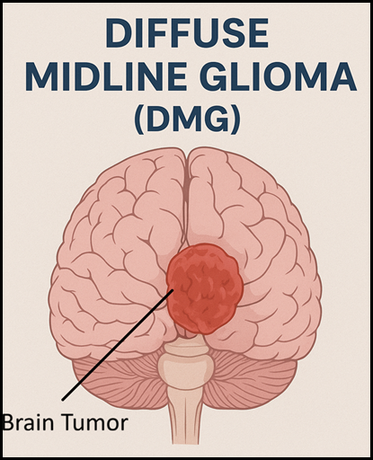
Diffuse Midline Glioma (DMG), formerly known as DIPG (Diffuse Intrinsic Pontine Glioma), is an aggressive and highly challenging brain tumor primarily affecting children. These tumors originate in the brainstem, a critical area controlling vital bodily functions, making treatment exceptionally complex. While DMG remains a formidable disease, advancements in medical care, including surgical approaches and research, offer glimmers of hope. India, with its growing medical infrastructure and skilled neurosurgeons, is emerging as a destination for advanced cancer care, including complex brain tumor surgeries.
DMG is characterized by its diffuse growth pattern, meaning it infiltrates healthy brain tissue rather than forming a distinct mass. This characteristic makes complete surgical removal almost impossible without causing severe neurological damage. The "midline" refers to its location in the central structures of the brain, most commonly the brainstem (pons). DMG is classified as a high-grade glioma, indicating its aggressive and fast-growing nature.
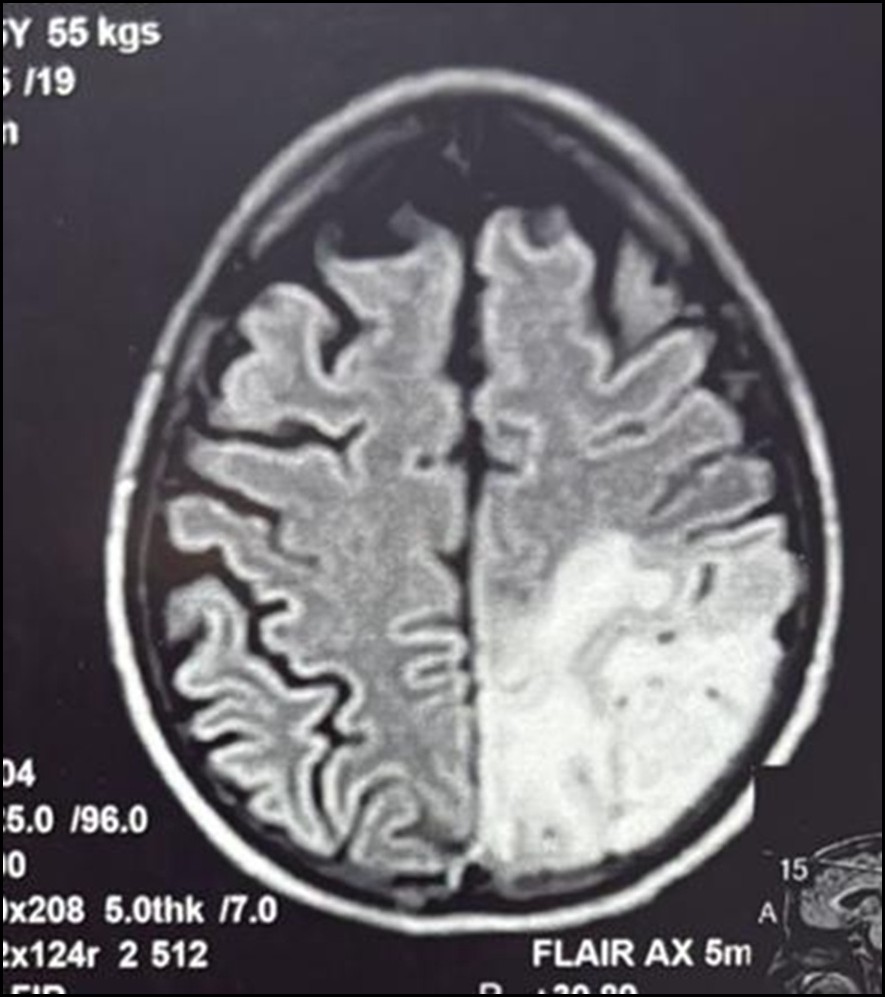
The symptoms of DMG often develop rapidly and are related to the tumor's location in the brainstem, which controls functions like breathing, heart rate, balance, and movement. Common symptoms include:
Motor Weakness: Weakness on one side of the body, difficulty walking, or problems with coordination.
Cranial Nerve Deficits:
Facial weakness or droop: Difficulty smiling or moving facial muscles.
Swallowing difficulties (dysphagia): Leading to choking or aspiration.
Speech problems (dysarthria): Slurred or unclear speech.
Double vision (diplopia) or eye movement problems.
Balance Problems: Dizziness, clumsiness, or difficulty maintaining balance.
Headaches: Often accompanied by nausea and vomiting, especially in the morning.
Personality or Behavioral Changes: Irritability or changes in temperament.
Hydrocephalus (rarely): Blockage of cerebrospinal fluid flow, leading to increased pressure in the brain, causing headaches, nausea, and lethargy.
Given the aggressive nature of DMG and the critical functions of the brainstem, it is crucial to seek immediate medical attention if any of the above symptoms appear, particularly in a child. Early diagnosis, though challenging, allows for timely initiation of management strategies.
The exact cause of DMG is still unknown. It is not linked to any specific environmental factors or lifestyle choices. Genetic mutations are known to play a significant role in the development of DMG, particularly a specific mutation in the H3 K27M gene, which is found in a large percentage of these tumors. This genetic characteristic is now a defining feature in the diagnosis and understanding of DMG. There are no established preventable risk factors for DMG.
Treatment for DMG is complex due to its location and infiltrative nature. However, India offers multimodal treatment approaches with high success rates and advanced technologies.
Goal: To remove as much of the tumor as possible without damaging critical brain functions.
Techniques Used in India:
Microsurgery
Neuro-navigation-guided surgery
Robotic-assisted neurosurgery
Endoscopic brain surgery
Standard treatment for controlling tumor growth and symptoms.
Advanced options include IMRT (Intensity Modulated Radiation Therapy) and Proton Beam Therapy.
Used alongside radiation therapy.
Newer drugs and clinical trials target the genetic mutation H3K27M.
Cutting-edge research in India offers hope with molecular targeted drugs and CAR-T cell therapy.
Focus on improving quality of life, managing symptoms, and providing physiotherapy, speech therapy, and emotional support.
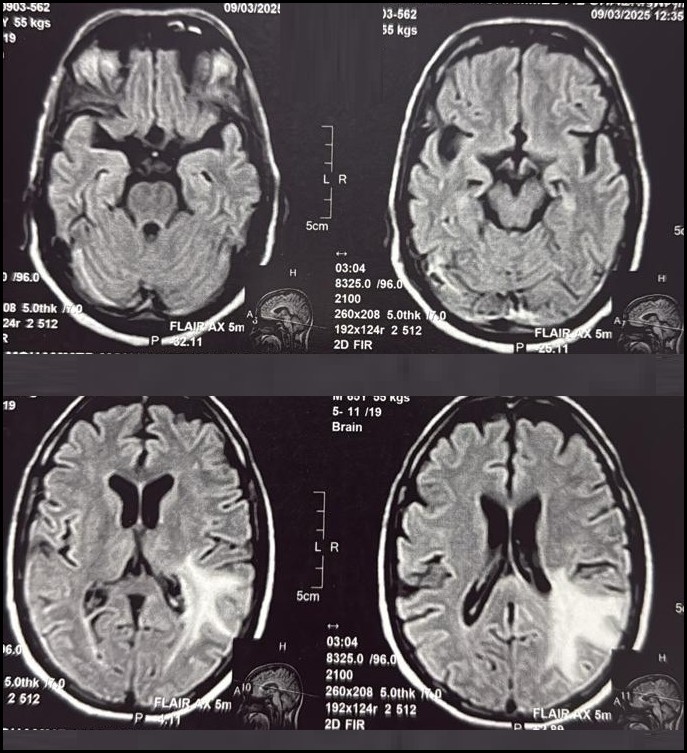
DMG does not have traditional stages like other cancers but is classified as Grade IV under the World Health Organization (WHO) classification system. This means:
It is highly aggressive
Has rapid progression
Requires urgent multidisciplinary treatment
This is a critical aspect of DMG management, focusing on improving the patient's quality of life. It includes:
Steroids: To reduce brain swelling and alleviate symptoms.
Anti-seizure medications: If seizures occur.
Physical, Occupational, and Speech Therapy: To help manage motor, balance, and swallowing difficulties.
Nutritional Support: To ensure adequate caloric intake, especially with swallowing problems.
Psychological Support: For both the patient and their family.
Unlike many other cancers, DMG is not typically staged in the conventional sense (e.g., Stage I, II, III). Its diagnosis automatically implies an advanced, aggressive disease due to its infiltrative nature and critical location.
Q1: Is complete surgical removal of DMG possible in India?
A: Generally, no. Due to the infiltrative nature of DMG and its location in the brainstem, complete surgical removal is not feasible without causing severe neurological deficits.
Q2: What is the cost of DMG treatment in India?
A: The cost can vary significantly depending on the hospital, type of treatment (radiation, chemotherapy, targeted therapies), duration of stay, and whether clinical trials are involved.
Q3: Are there specialized neuro-oncology centers for children in India? A: Yes, major metropolitan cities like Mumbai, Delhi, Bangalore, and Chennai have well-established hospitals with dedicated pediatric neuro-oncology departments and multidisciplinary teams, including experienced neurosurgeons, radiation oncologists, and pediatric oncologists.
Q4: What are the risks associated with a brainstem biopsy for DMG?
A: While a brainstem biopsy is a delicate procedure, advances in neuro-navigation and surgical techniques have made it safer.
Q5: Can Indian hospitals access advanced targeted therapies or clinical trials for DMG? A: Many leading hospitals in India participate in international clinical trials, providing access to cutting-edge treatments that may not be available elsewhere. It's crucial to inquire about ongoing trials and targeted therapy options at the chosen institution.
Q6: What kind of supportive care is available in India for DMG patients? A: Comprehensive supportive care, including physical therapy, occupational therapy, speech therapy, nutritional counseling, and psychological support, is available in reputable Indian hospitals. Palliative care services are also integrated into the treatment plans for many patients.
Q7: How can international patients seek treatment for DMG in India?
A: Most major hospitals have international patient desks that assist with medical visas, travel arrangements, accommodation, and appointment scheduling.
While DMG remains a challenging diagnosis, India offers a blend of advanced medical technology, skilled professionals, and a compassionate approach to care, providing a viable option for families seeking comprehensive management strategies for this complex brain tumor.