Achondroplasia Treatment in India
Released Date: 2026-03-22
What is Achondroplasia?
Achondroplasia is a genetic condition that prevents the change of cartilage to bone (ossification), particularly in the long bones. Individuals with this condition typically have an average-size torso but significantly shorter limbs.
Symptoms and Physical Characteristics
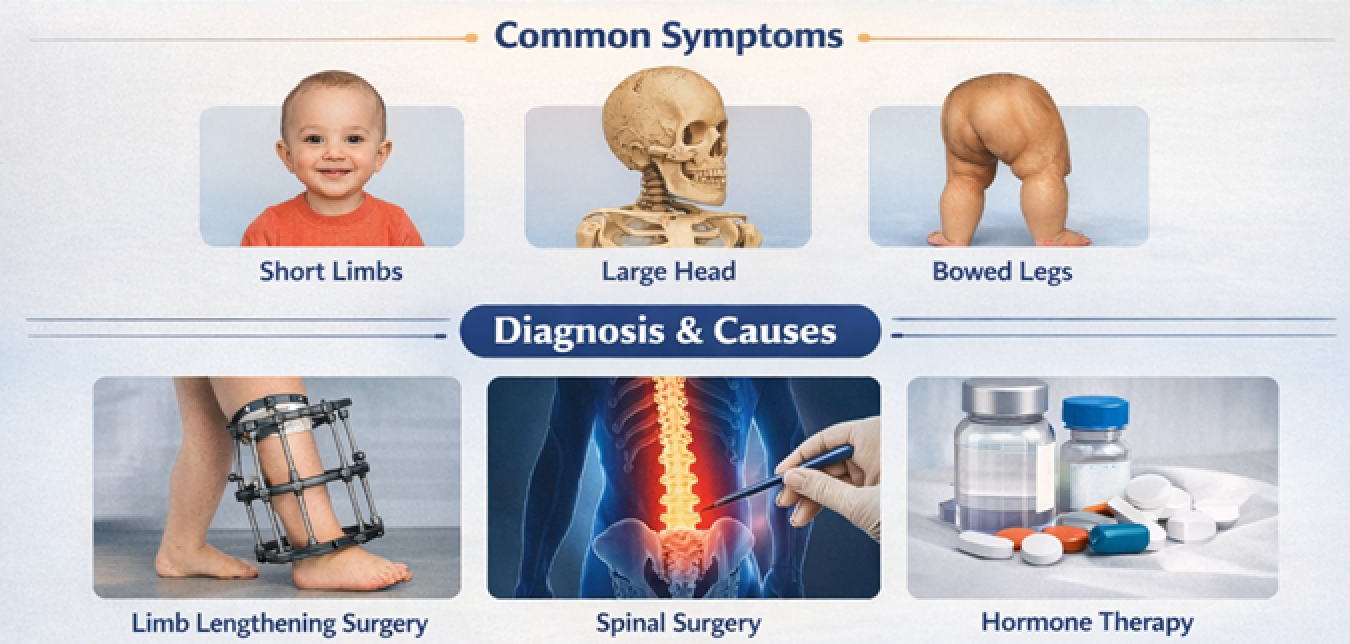
- Disproportionate Short Stature: Adult height usually averages around 4 feet.
- Macrocephaly: A relatively large head with a prominent forehead (frontal bossing).
- Rhizomelic Shortening: Shortening of the proximal segments (upper arms and thighs).
- Trident Hand: A characteristic spacing between the middle and ring fingers.
- Spinal Issues: Potential for kyphosis (mid-back curve) or spinal stenosis (narrowing of the spinal canal).
Causes: The Genetic Trigger
Achondroplasia is caused by a specific mutation in the FGFR3 gene (Fibroblast Growth Factor Receptor 3).
- Gene Function: Normally, FGFR3 slows down bone growth. In Achondroplasia, this gene is "overactive," severely limiting bone elongation.
- Inheritance: * 80% of cases result from a spontaneous new mutation (parents are of average height).
- 20% of cases are inherited in an autosomal dominant pattern from a parent who has the condition.
Diagnosis
- Prenatal: Often detected via routine ultrasound in the third trimester showing shortened long bones.
- Postnatal: Physical examination at birth followed by X-rays to confirm bone structure.
- Genetic Testing: A blood test to identify the FGFR3 mutation provides 100% confirmation.
Treatment Options in India
While there is no "cure" for the genetic mutation, India offers world-class management focused on improving quality of life and functionality.
- Limb Lengthening Surgery : India is a global hub for distraction osteogenesis (using Ilizarov or internal Precice nails). This can increase height by several inches over multiple stages.
- Orthopedic Corrections : Surgical intervention to correct "bowed legs" (genu varum) or to decompress the spine if spinal stenosis occurs.
- Growth Hormone & Specialized Drugs : Access to newer pharmacological treatments that help stimulate bone growth during childhood.
- Physical Therapy : Comprehensive rehabilitation to improve muscle strength and joint flexibility.

Why Choose India for Treatment?
- Expert Surgeons: India houses some of the world's leading limb-lengthening specialists.
- Advanced Technology: Use of 3D-guided surgery and the latest internal lengthening rods.
- No Wait Times: Immediate access to specialized pediatric orthopedicians.
- Cost-Effectiveness: Treatment costs are 60-80% lower than in the US or UK without compromising clinical outcomes.
How Satyug Healthcare Helps International Patients
Satyug Healthcare acts as your dedicated medical concierge in India, ensuring a seamless healing journey:
- Hospital Selection: We connect you with JCI-accredited facilities specializing in skeletal dysplasia.
- Visa & Logistics: Assistance with medical visas and airport transfers.
- Tele-consultations: Pre-arrival meetings with surgeons to discuss X-rays and plans.
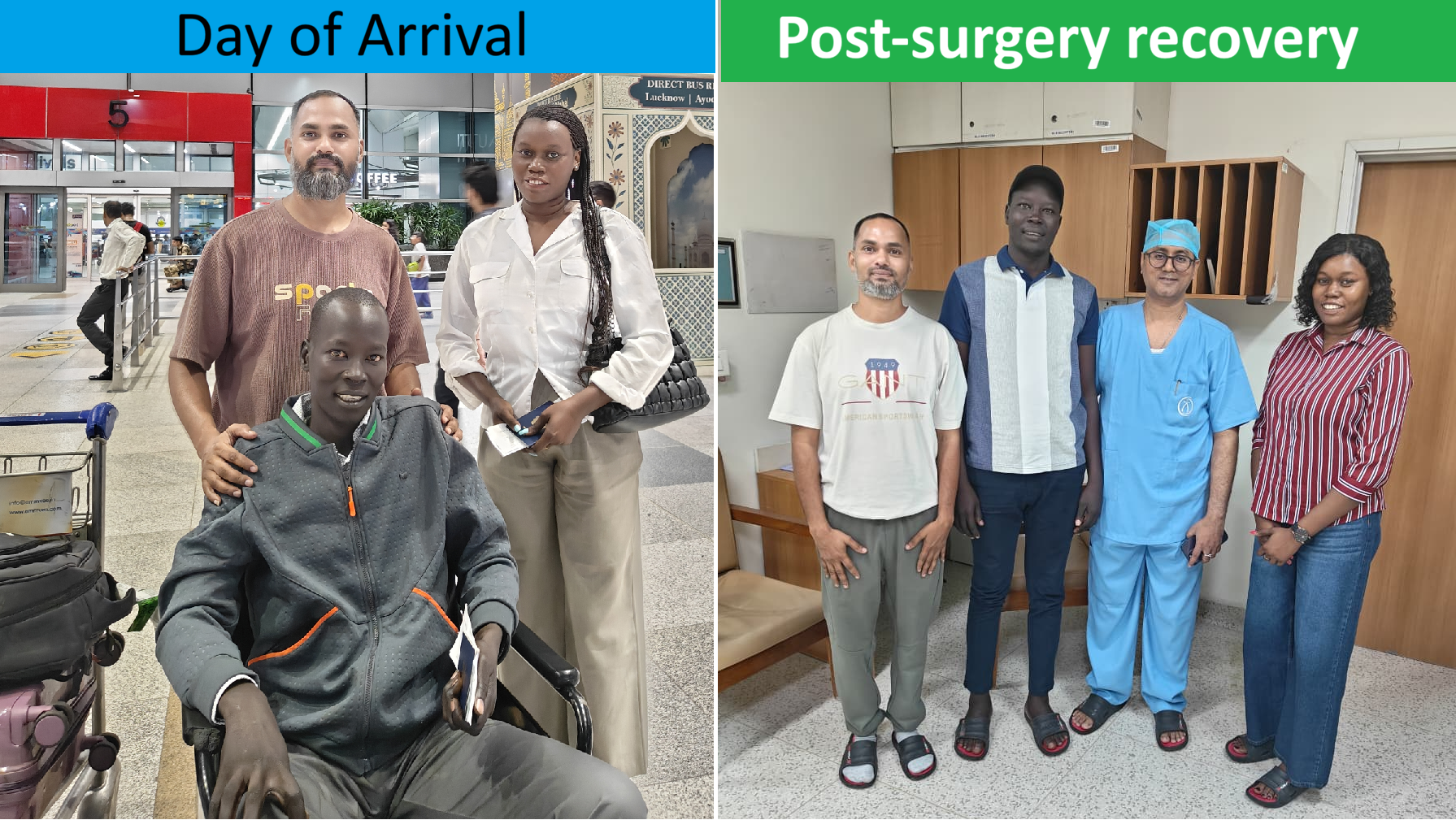
- Post-Operative Care: Arranging long-term accommodation for recovery and physiotherapy.

Frequently Asked Questions (FAQs)
Q: Is Achondroplasia a form of dwarfism?
A: Yes, it is the most common type of disproportionate dwarfism.
Q: Can a person with Achondroplasia live a full life?
A: Absolutely. Most individuals have a normal lifespan and lead independent, productive lives.
Q: At what age can limb lengthening start?
A: It is typically discussed in late childhood or early adolescence, though the timing depends on the individual's health and goals.