Osteotomy procedure
Assistance
Consultation
Services
Opinion
Care Coordination
What will your treatment cost?

| Surgery Name | Cost | Room | Hospitalization |
|---|---|---|---|
| Osteotomy procedure | 3776 | Single | Patient - 3 days stay in a single room. |
✓ Inclusion
- Surgeon's and assistant surgeon's fees for the valgus (high tibial) osteotomy procedure
- Hospital accommodation in a semi-private room for 3 to 4 days (private room upgrade available on request)
- Operation theatre charges and regional (spinal/epidural) anesthesia with anesthesiologist's fee
- Locking plate and screw implant used for fixation (standard implant; premium implant brands available at extra cost)
- Pre-operative long-leg alignment X-rays and CT-based osteotomy planning
- Routine pre-operative blood investigations and cardiac fitness clearance
- In-hospital physiotherapy sessions and crutch-walking training before discharge
- Standard post-operative medications, dressings, and nursing care during admission
- One follow-up consultation with X-ray review before travel clearance
- Patient coordination, hospital appointment scheduling, and airport-to-hospital-to-hotel transfer assistance
✗ Exclusion
- International and domestic airfare, visa fees, and travel insurance
- Hotel or guest house accommodation for the patient and attendant before admission and after discharge
- Premium or custom-made implant brands beyond the standard implant included in the package
- Cost of managing pre-existing conditions unrelated to the knee requiring specialist treatment
- Extended ICU or ward stay beyond the standard days due to medical complications
- Outpatient physiotherapy and rehabilitation sessions after discharge from the hospital
- Removal of the implant/plate in the future, if required
- Any second surgery, revision, or treatment for the opposite knee
- Personal expenses such as phone calls, food for attendants, and local transport beyond airport transfers
- Medicines and follow-up consultations required after return to the home country
Know More About Procedure & Surgery
Valgus osteotomy, more precisely known as high tibial osteotomy (HTO), is an established joint-preserving surgery for patients with early to moderate osteoarthritis confined to the inner (medial) compartment of the knee, most often caused by a bow-legged (varus) alignment that overloads that side of the joint. During the procedure, an orthopedic surgeon makes a precise wedge-shaped cut in the upper tibia and repositions the bone into a corrected, mildly valgus alignment, shifting the body's weight-bearing line away from the damaged cartilage and onto the healthier outer compartment; the new position is then secured with a locking plate and screws. It is best suited to relatively young, active, and otherwise healthy patients, typically under 55 to 60 years of age, who want to delay or avoid a total knee replacement while continuing sports or physically demanding work. India's high-volume orthopedic centres perform this surgery routinely using modern opening-wedge techniques and image-guided alignment planning, giving results comparable to those reported from leading centres in Europe and the US, at a fraction of the cost. Choosing Satyug Healthcare means your case is matched with an experienced knee-preservation surgeon at an NABH or JCI accredited hospital, with every step from pre-operative planning to post-operative physiotherapy coordinated on your behalf, and cost savings of 70 to 80 percent compared with the US, UK, or Gulf countries. Our package is built around full price transparency, dedicated patient coordination throughout your stay, and structured follow-up to protect the surgery's long-term results, which in well-selected patients can delay knee replacement by ten years or more.
Frequently Asked Questions
An osteotomy is any surgery that cuts and reshapes your bones. You may need this type of procedure to repair a damaged joint. It's also used to shorten or lengthen a deformed bone that doesn't line up with a joint like it should.
Top doctors for Valgus Osteotomy treatment| Cost for Valgus Osteotomy |Book online appointment| Best treatment for Valgus Osteotomy in India. Search Results Web results for cost of Valgus Osteotomy treatment|

















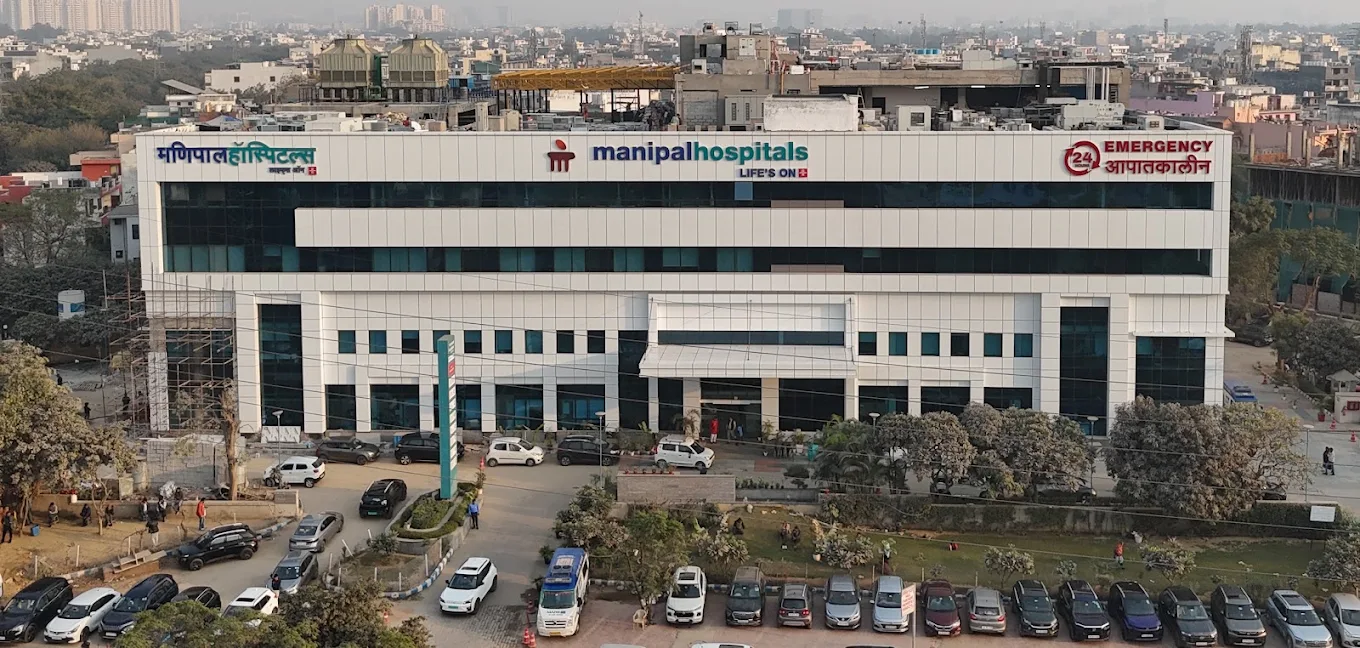
TOP HOSPITALS
Special High-quality Hospitals




HAPPY PATIENTS
What Our Patients Are Saying



















Our Gallery