Arthroscopic Bankart Repair Package
Assistance
Consultation
Services
Opinion
Care Coordination
What will your treatment cost?

| Surgery Name | Cost | Room | Hospitalization |
|---|---|---|---|
| Arthroscopic Bankart Repair Package | $3536 | Single | Patient - 2 days stay in a single room. |
✓ Inclusion
- ✔Consultation with senior shoulder and sports surgeon
- ✔Pre-operative blood tests, ECG and chest X-ray
- ✔Arthroscopic Bankart (labral) repair surgery
- ✔Standard suture anchors (as per surgeon's plan)
- ✔Surgeon and anaesthetist fees, including nerve block
- ✔Operation theatre and arthroscopy equipment charges
- ✔2-day stay in a single room
- ✔Nursing care, routine medicines and patient meals during stay
- ✔Shoulder immobiliser sling
- ✔In-hospital physiotherapy and home exercise plan
- ✔Free: airport pick-up & drop, visa invitation letter, interpreter & coordinator (Satyug Healthcare)
✗ Exclusion
- ✖International flights, visa fees and hotel stay
- ✖MRI arthrogram or CT scan done in India
- ✖Extra or premium anchors beyond package
- ✖Additional procedures such as remplissage or Latarjet
- ✖Outpatient physiotherapy after discharge
- ✖Extra hospital days
- ✖Treatment of complications or unrelated illness
- ✖Medicines after discharge
- ✖Attendant food and personal expenses
Know More About Procedure & Surgery
Arthroscopic Bankart Repair Surgery in India
Keyhole repair of a torn shoulder labrum for people whose shoulder keeps dislocating, done by experienced shoulder and sports injury surgeons at NABH and JCI accredited hospitals in India – at a fraction of Western prices.
📖 What is an Arthroscopic Bankart Repair?
The shoulder is a ball-and-socket joint. The socket (glenoid) is shallow, so a ring of tough cartilage called the labrum deepens it and holds the ball in place. When the shoulder dislocates forwards, the labrum often tears off the front of the socket. This is called a Bankart lesion. After this tear, the shoulder may keep slipping out (recurrent instability), especially in young, active people.
An arthroscopic Bankart repair is keyhole surgery to fix the torn labrum back to the bone. Through 2–3 small cuts of about 1 cm, the surgeon uses a camera (arthroscope) and places small anchors with strong sutures into the socket to reattach the labrum and tighten the loose capsule. It is also called arthroscopic labral repair or arthroscopic shoulder stabilisation.
🩺 Conditions Treated
⚠️ Symptoms That May Need Surgery
- ➤Shoulder that has dislocated more than once
- ➤Feeling that the shoulder will slip out
- ➤Fear of raising the arm overhead or out to the side
- ➤Shoulder slipping during sleep
- ➤Pain and clicking after a dislocation
- ➤Weakness when throwing or lifting
- ➤Unable to return to sport after a dislocation
- ➤Failed physiotherapy for 3–6 months
🔬 Tests Before Treatment
| Test | Why it is done |
|---|---|
| X-ray of the shoulder (AP, axillary views) | Checks for bone fractures and position of the joint |
| MRI arthrogram of the shoulder | Shows the labral tear, capsule and other damage clearly |
| CT scan with 3D reconstruction | Measures bone loss from the socket and ball (Hill-Sachs lesion) |
| Clinical stability tests | Apprehension and relocation tests confirm instability |
| Blood tests, ECG, chest X-ray | Fitness for anaesthesia |
🏥 The Procedure — Step by Step

⚖️ Types & Techniques
| Technique | What is done | Best for |
|---|---|---|
| Arthroscopic Bankart repair | Labrum fixed with anchors by keyhole surgery | Labral tear with little or no bone loss |
| Bankart + remplissage | Adds filling of the Hill-Sachs dent with tendon | Moderate humeral head bone loss |
| Open Bankart repair | Repair through a larger front cut | Revision cases, contact athletes in some centres |
| Latarjet procedure | Bone block moved to the front of the socket | Socket bone loss over 20–25% or failed repair |
| Physiotherapy only | Strengthening of rotator cuff and shoulder blade muscles | First dislocation in older, less active people |
📅 Your Day-by-Day Plan in India
| Day | What happens |
|---|---|
| Day 1 | Arrival in India, airport pick-up, consultation and MRI / CT if needed |
| Day 2 | Pre-operative tests and admission |
| Day 3 | Arthroscopic Bankart repair surgery |
| Day 4 | Physiotherapy starts; discharge with sling |
| Day 5–11 | Hotel stay, daily or alternate-day physiotherapy, wound check |
| Day 12 | Stitch removal and final review |
| Day 12–14 | Fly home ✈️ with rehab plan |
🌱 Recovery After Treatment
🏆 Success Rate
| Outcome | Result |
|---|---|
| Stable shoulder after surgery | About 85–95% |
| Re-dislocation rate | About 5–15% |
| Return to sport | About 80–90% |
| Return to same level of sport | About 65–75% |
| Patient satisfaction | Over 90% |
Results depend on age, sport type, number of dislocations, amount of bone loss and how well you follow the physiotherapy plan. Young contact athletes and people with large bone loss have a higher risk of re-dislocation.
🩹 Risks & Possible Complications
Arthroscopic Bankart repair is safe. Possible risks include:
- •Shoulder stiffness, especially loss of outward rotation – about 5–10%
- •Recurrent dislocation or instability – about 5–15%
- •Persistent pain or clicking
- •Infection – under 1%
- •Nerve injury (usually temporary) – under 1%
- •Anchor-related problems or arthritis in the long term
- •Blood clots – very rare
💰 Cost of Arthroscopic Bankart Repair in India
The cost of arthroscopic Bankart repair in India starts from about USD 3,536. This includes surgery, anchors (standard), surgeon and anaesthesia fees and a 2-day stay in a single room. The price can increase with extra anchors, combined procedures or a premium hospital.
| Option / Hospital tier | Approx. cost (USD) | Hospital stay | Notes |
|---|---|---|---|
| Arthroscopic Bankart repair package (this package) | 3,536 | 2 days, single room | Standard suture anchors |
| Bankart repair + remplissage | 4,000 – 5,000 | 2 days | For Hill-Sachs bone defect |
| Latarjet procedure | 4,500 – 6,000 | 3 days | For socket bone loss |
| Premium hospital / extra anchors | 4,500 – 5,500 | 2 days | Metro flagship centres, all-suture anchors |

📋 What the Package Includes
- ✔Shoulder surgeon and anaesthetist fees
- ✔Operation theatre and arthroscopy equipment
- ✔Standard suture anchors
- ✔2-day single room stay
- ✔Pre-operative tests
- ✔Shoulder sling
- ✔First physiotherapy sessions in hospital
- ✔Nursing care and meals
- ✖Flights, visa and hotel
- ✖MRI arthrogram / CT if done in India
- ✖Extra or premium anchors
- ✖Additional procedures (remplissage, Latarjet)
- ✖Out-patient physiotherapy after discharge
- ✖Extra hospital days
- ✖Medicines after discharge
- ✖Personal expenses
✈️ Your Medical Travel Process with Satyug Healthcare

| Step | Details |
|---|---|
| 1. Send reports | Shoulder X-rays, MRI or MRI arthrogram report and images, CT scan if available, details of how many times the shoulder dislocated, and any previous surgery notes. |
| 2. Free opinion & quotes | Within 48-72 hours you receive opinions and cost estimates from 3-5 leading hospitals to compare. |
| 3. Choose hospital & doctor | We help you compare doctors, success rates, room options and total budget. |
| 4. Medical visa | The hospital issues a Visa Invitation Letter (VIL) to the Indian Embassy. The patient and up to 2 attendants apply for an e-Medical / Medical Attendant visa. |
| 5. Travel planning | Flight guidance, wheelchair assistance, airport pick-up, hotel or guest house near the hospital. |
| 6. Treatment in India | Your coordinator and interpreter stay with you for admission, treatment, discharge and billing. |
| 7. Return & follow-up | Fit-to-fly letter, medicines, and online follow-up with your doctor after you return home. |
🎒 Travel Checklist
- 📌Valid passport (6+ months) for the patient and attendants, plus 10 passport-size photos each
- 📌Medical visa / e-visa and the hospital’s Visa Invitation Letter
- 📌All shoulder X-ray, MRI / CT scans on CD or link, and prescriptions
- 📌Yellow fever vaccination certificate (mandatory for travellers from African countries)
- 📌Polio vaccination certificate where applicable
- 📌Declare cash above USD 5,000 at the airport; hospitals accept wire transfer and cards
- 📌Foreigners staying longer than permitted must register with the FRRO — our team assists
⭐ Why Choose Satyug Healthcare?
❓ Frequently Asked Questions
➤ How much does arthroscopic Bankart repair cost in India?
➤ How long will I stay in India?
➤ How successful is the surgery?
➤ Is the surgery painful?
➤ How long do I wear a sling?
➤ When can I go back to work?
➤ When can I play sports again?
➤ Do I need surgery after the first dislocation?
➤ What if I have bone loss?
➤ What are the risks?
➤ Is physiotherapy important?
➤ What happens to the anchors?
➤ Can I fly with a sling?
➤ Do I get an interpreter?
Medical disclaimer: This page is for general information and does not replace a consultation with a qualified specialist. Treatment plans and costs are confirmed only after the patient is examined. Sources: NCBI StatPearls: Bankart Lesion; AAOS OrthoInfo: Shoulder Dislocation and Instability; Mayo Clinic: Dislocated shoulder; Cleveland Clinic: Bankart repair; systematic reviews in Arthroscopy and AJSM on arthroscopic Bankart outcomes. Infographics: Satyug Healthcare.
Frequently Asked Questions
There is a large amount of variability in the time it takes to fully recover from this procedure. It is usually estimated that it will take at least 4-6 months to feel as though you have completely regained the use of your arm. Some cases may take as long
Arthroscopic Bankart repair in India from USD 3,536. Keyhole surgery for recurrent shoulder dislocation by expert sports surgeons, 2-day stay, free opinion.


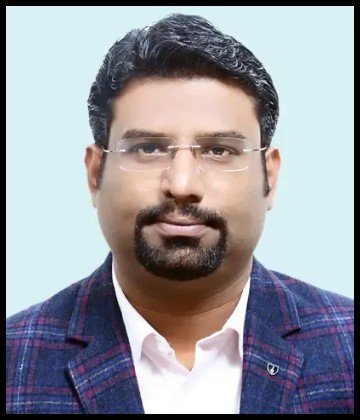
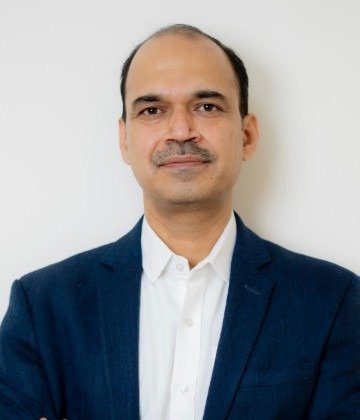


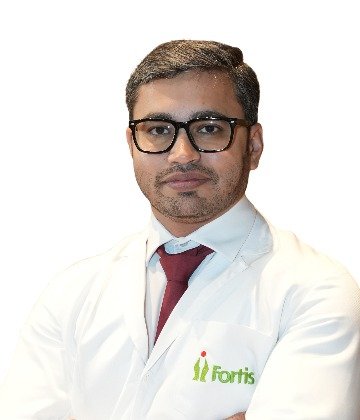
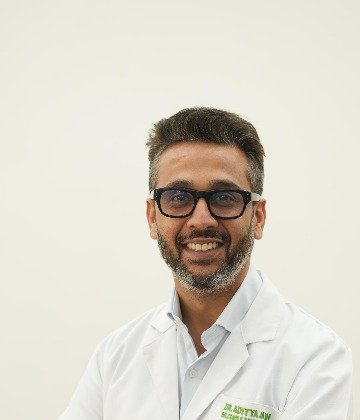
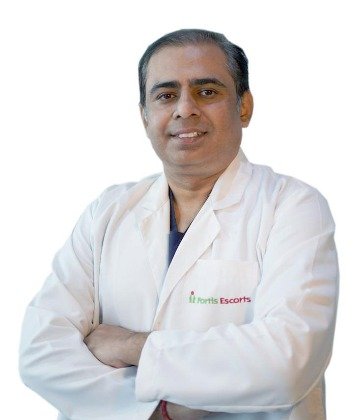
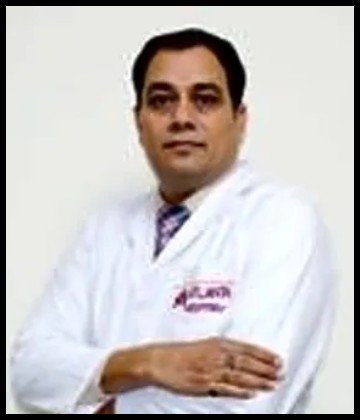


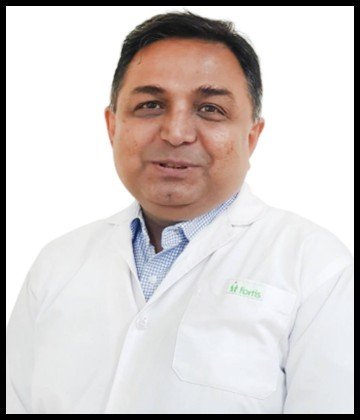
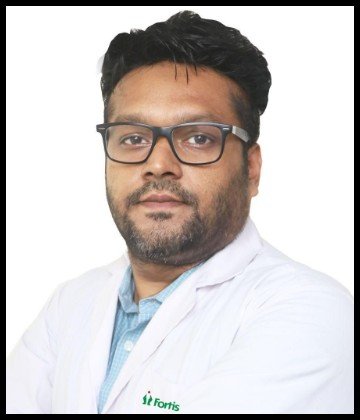
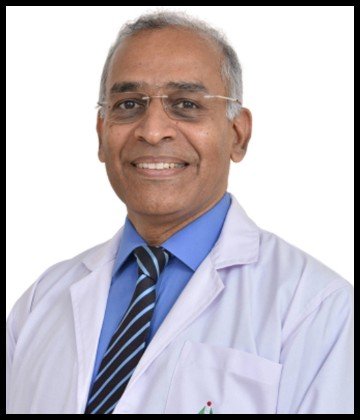
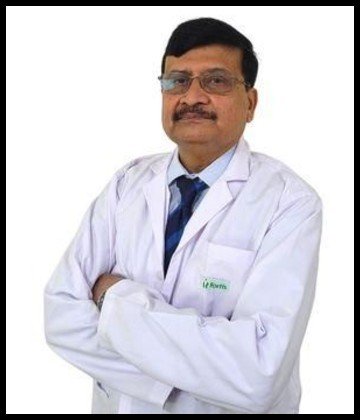
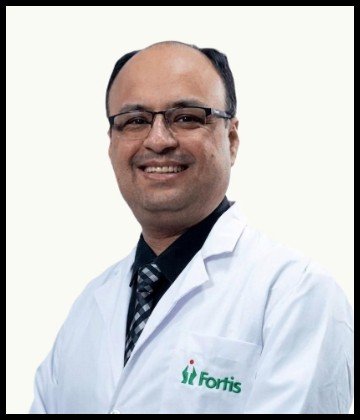
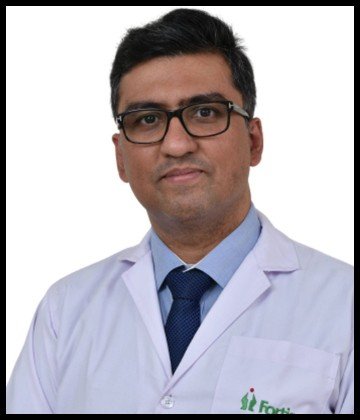
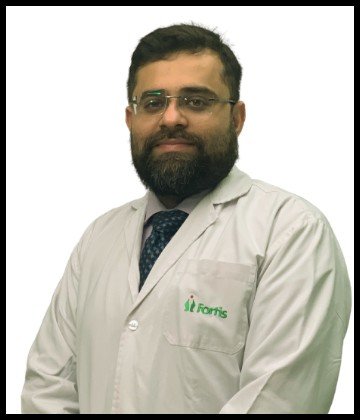
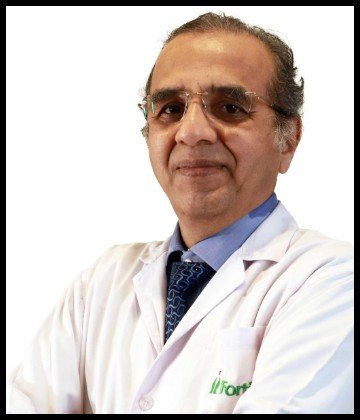


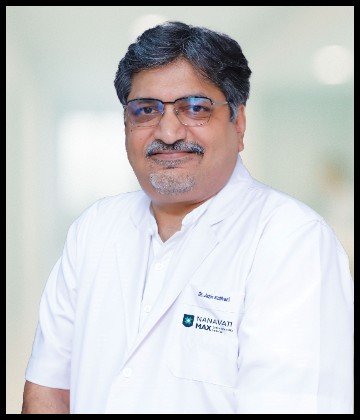


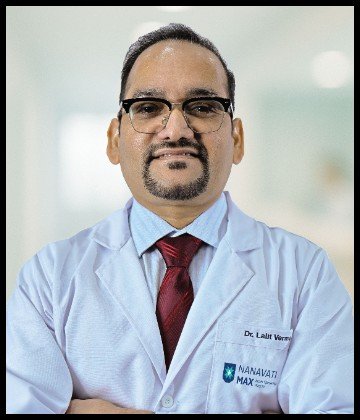
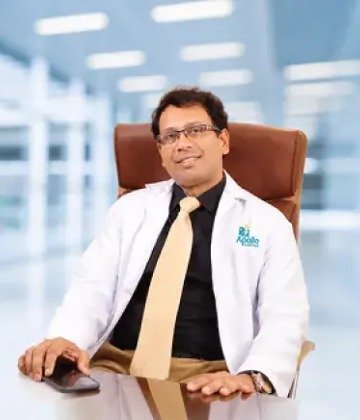
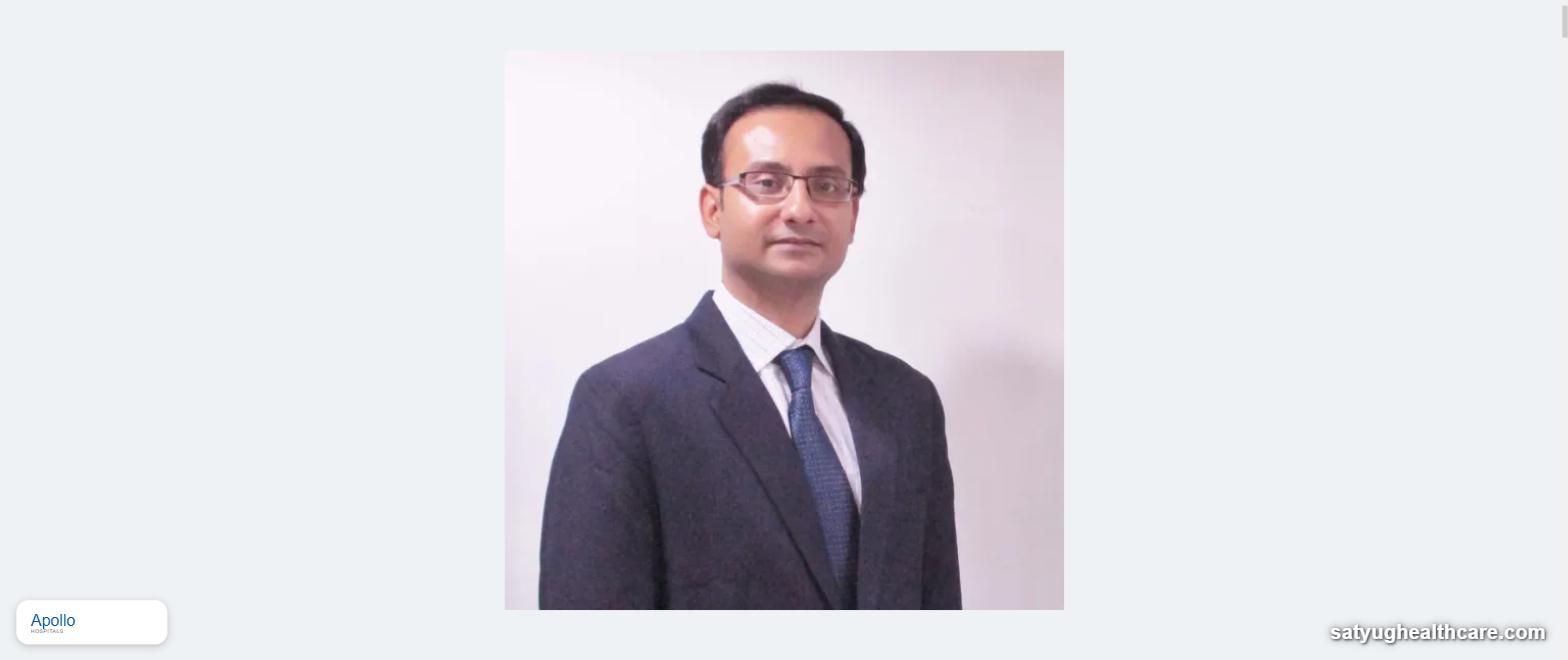
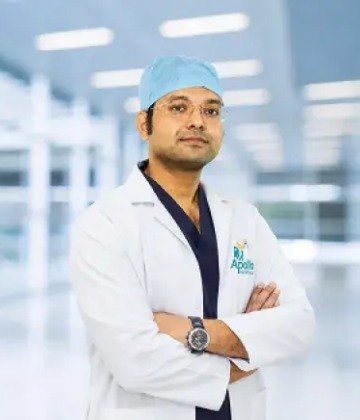
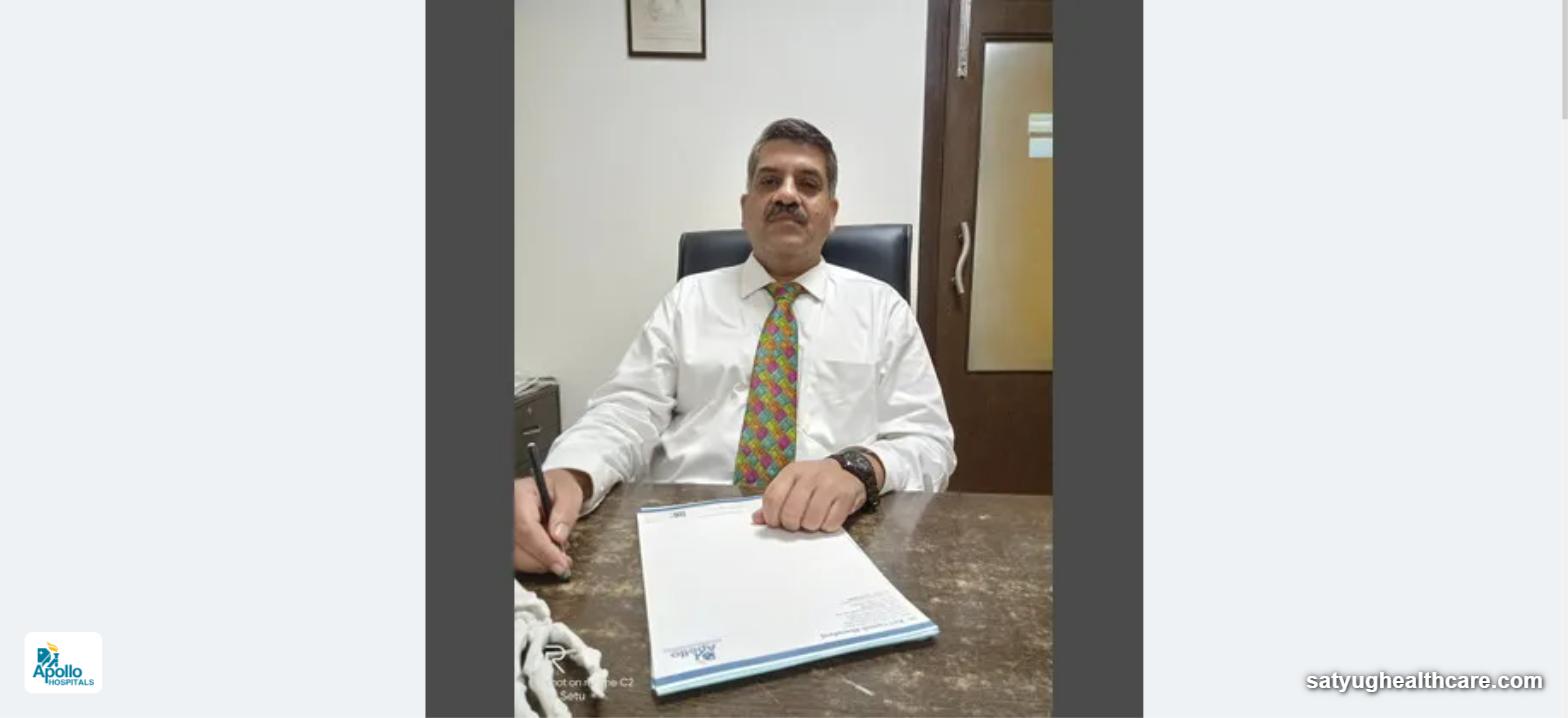
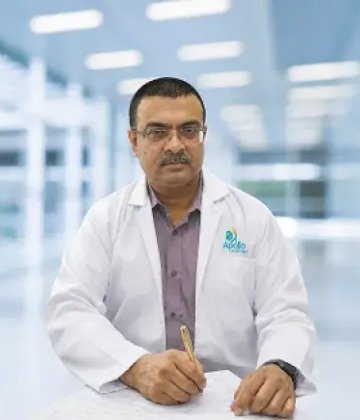
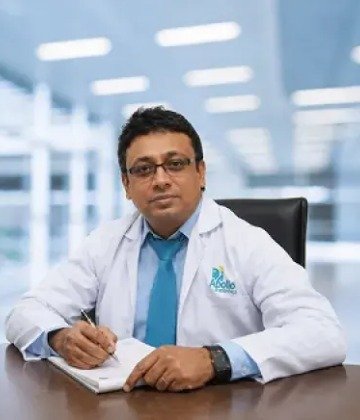
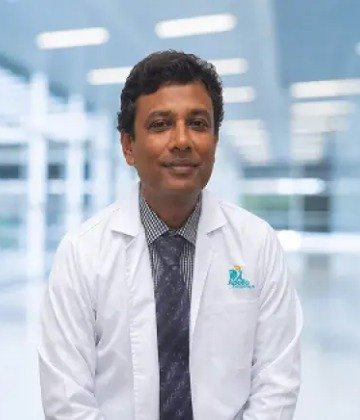
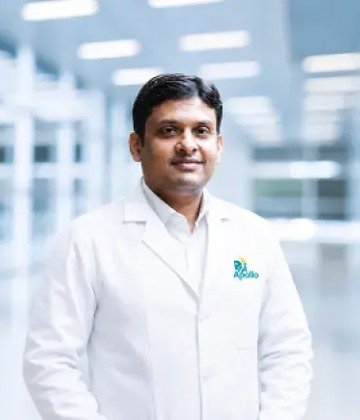
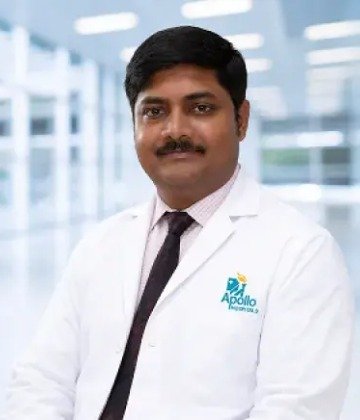
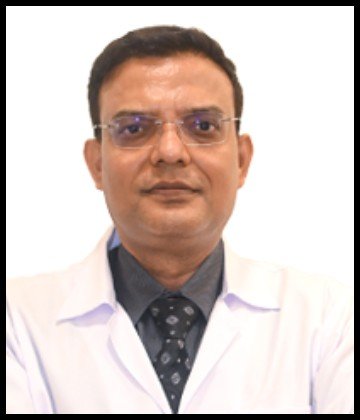
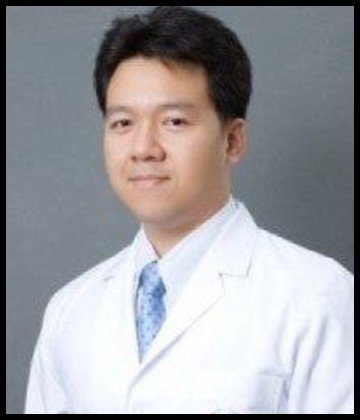
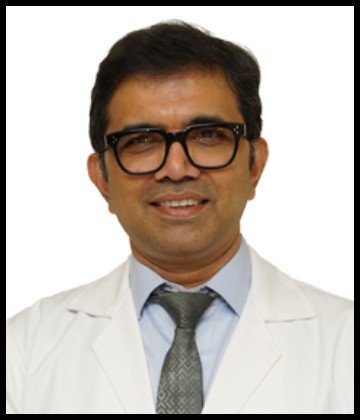
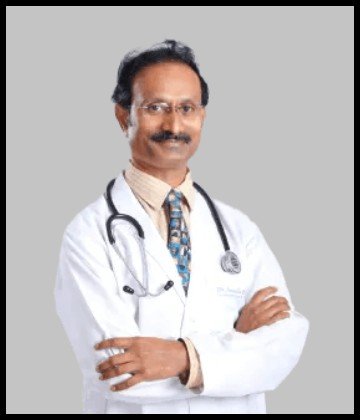
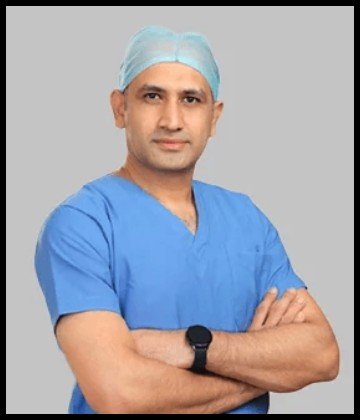
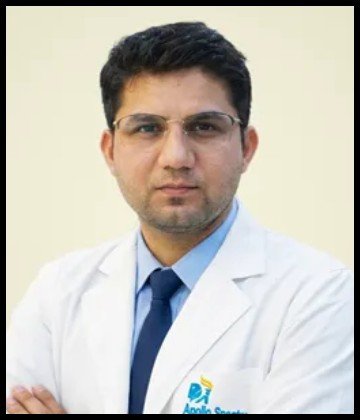
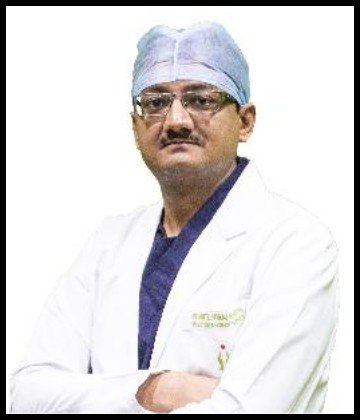
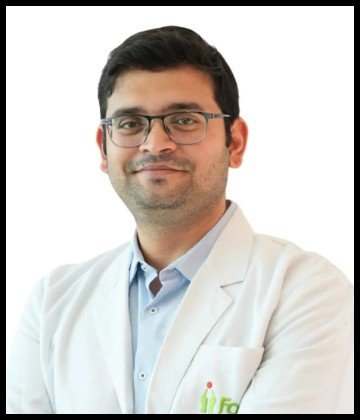
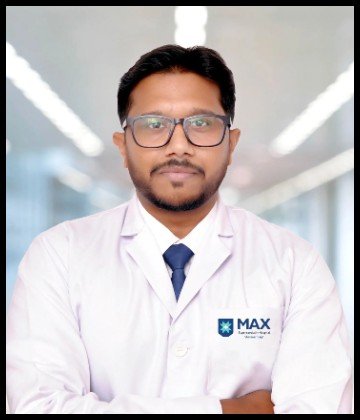
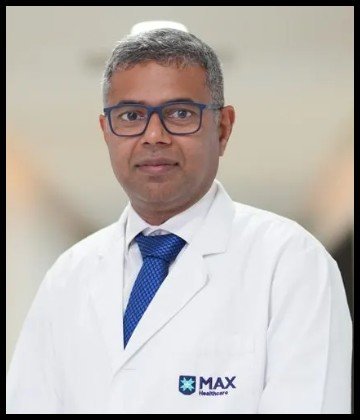
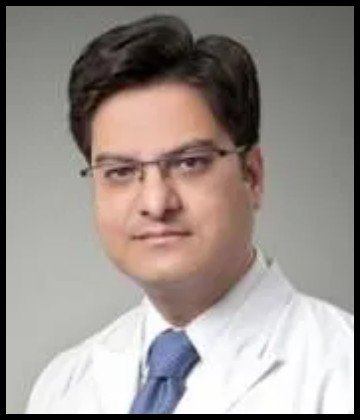
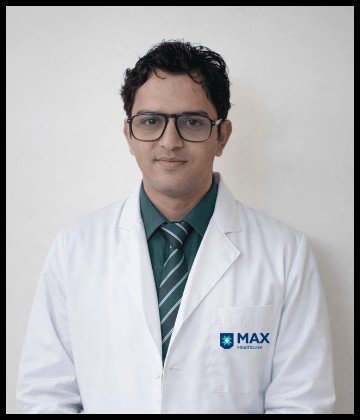
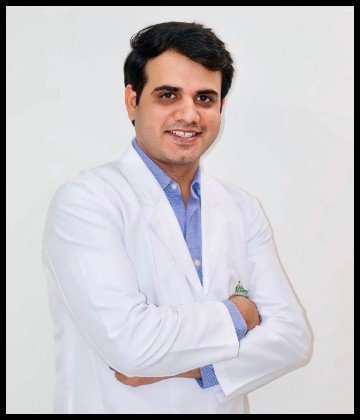
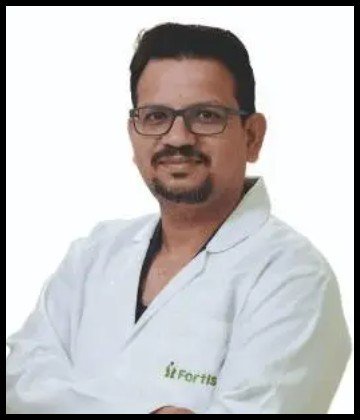
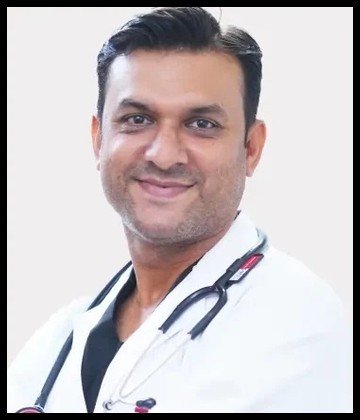
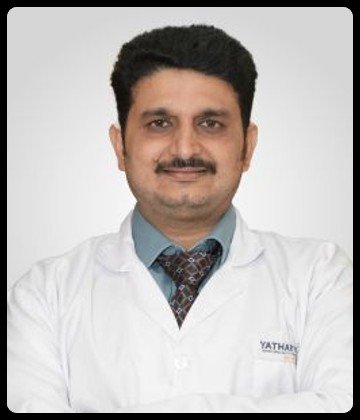
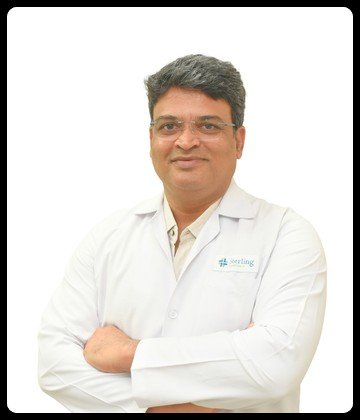
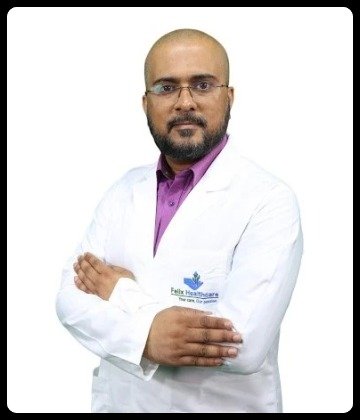
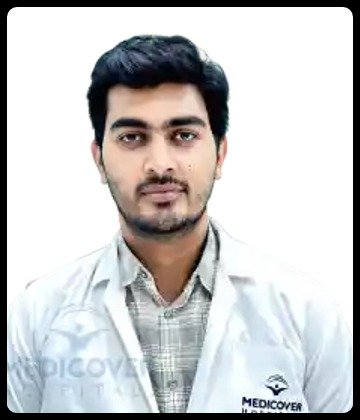
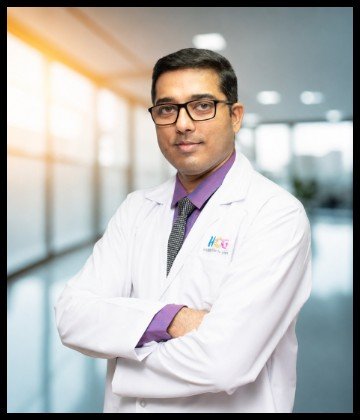
![Dr. Nishant Soni [MBBS, MS - Orthopaedics, Fellowship - Hand & Microvascular Surgery] - Doctor at Satyug Healthcare](https://satyughealthcare.com/uploads/doctors/cd32f1fcb1038165bdaa6ae4e69dca8d.jpg)
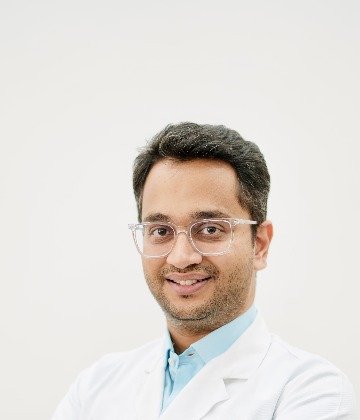
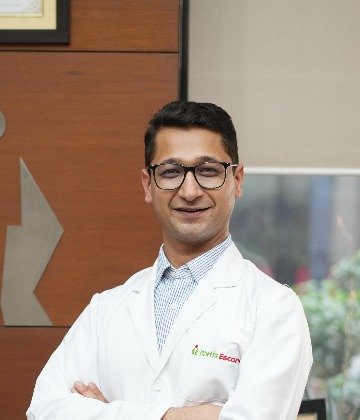
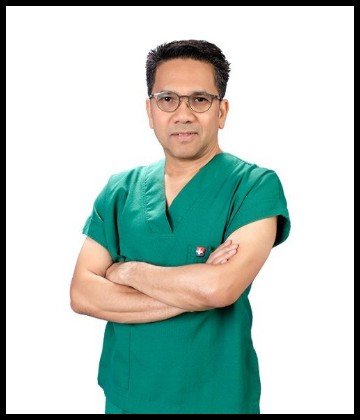
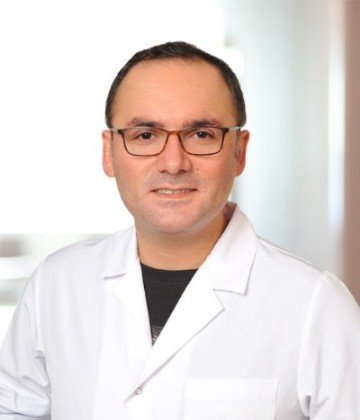
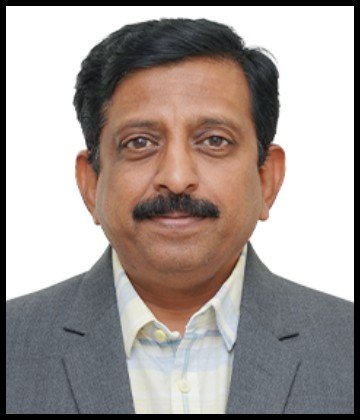
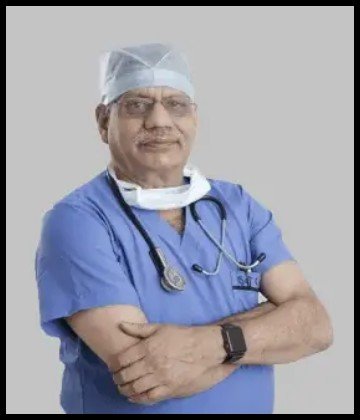
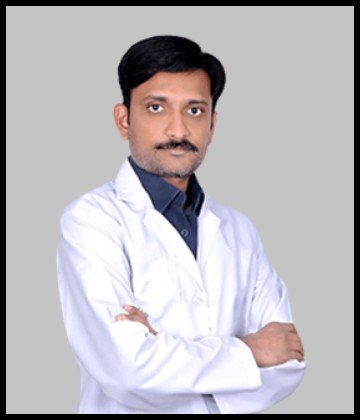
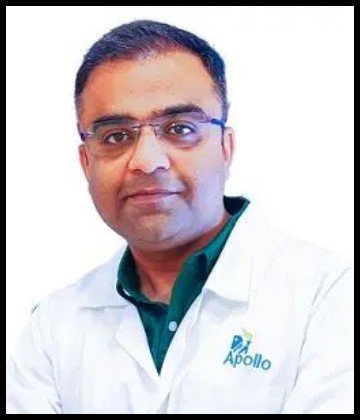
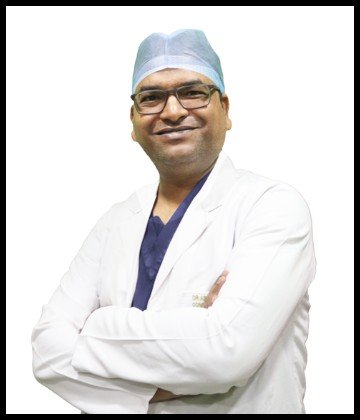
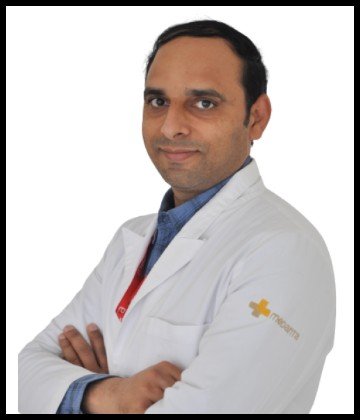
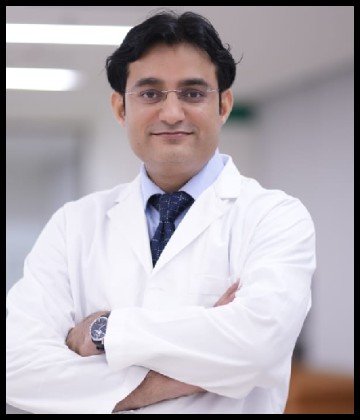
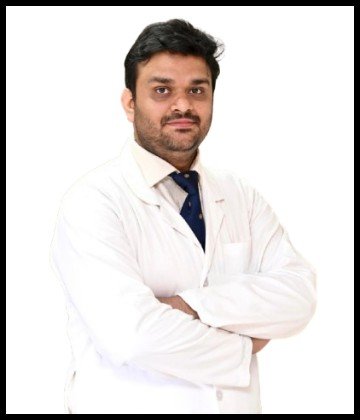
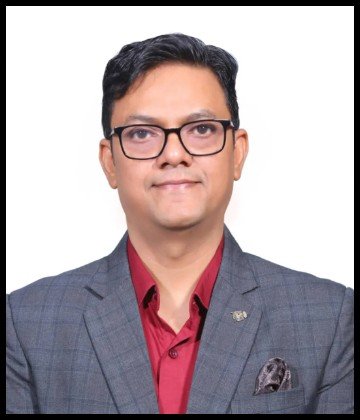
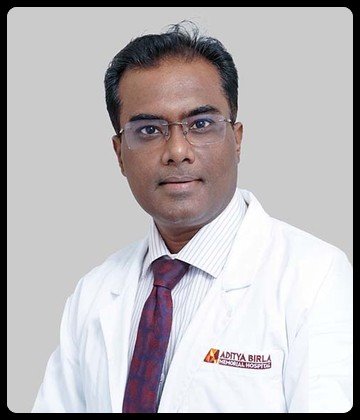
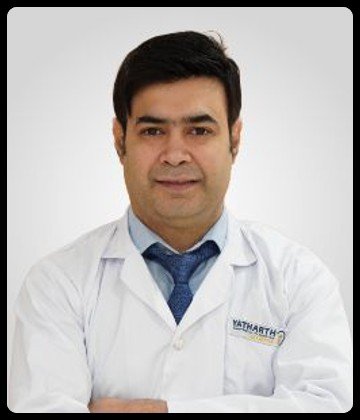
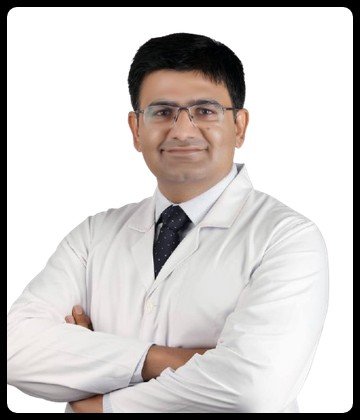
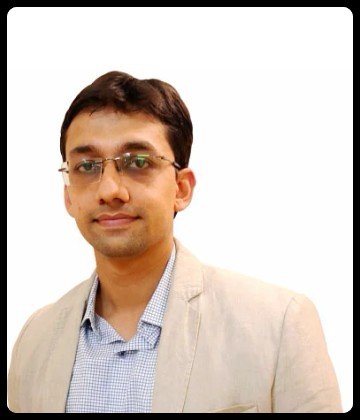
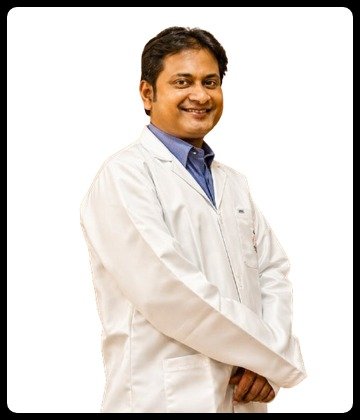
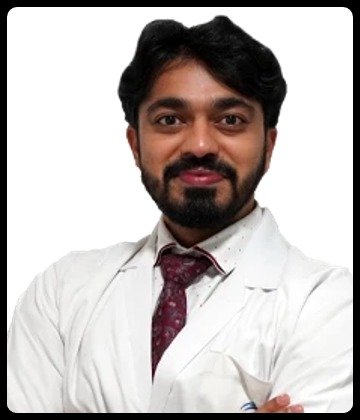
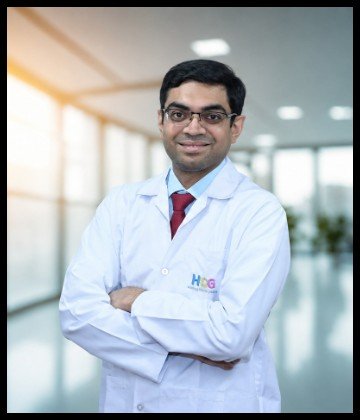
![Dr. Anchit Uppal [MBBS, DNB, MCh - Orthopaedics] - Doctor at Satyug Healthcare](https://satyughealthcare.com/uploads/doctors/75c864bbdbb02e423c0d853d7545afba.jpg)
















































































































































































































































TOP HOSPITALS
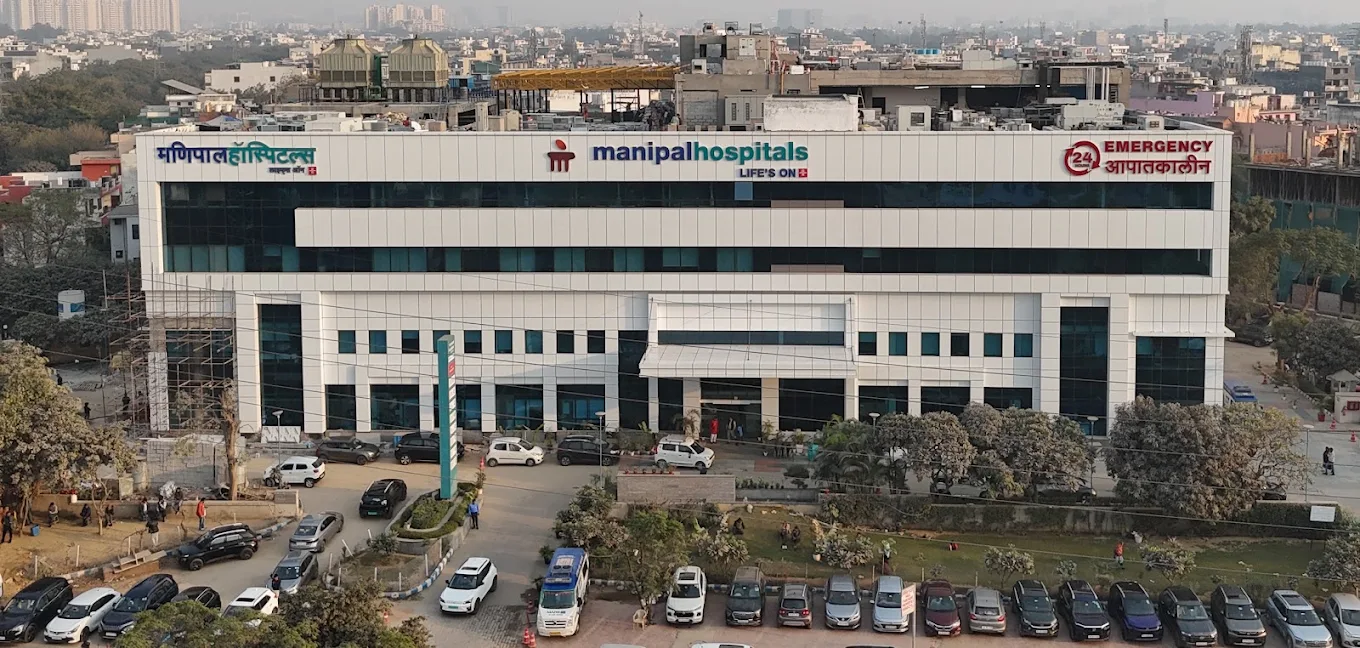
Special High-quality Hospitals




HAPPY PATIENTS
What Our Patients Are Saying







Our Gallery