Assistance
Consultation
Services
Opinion
Care Coordination
What will your treatment cost?
Osteoporosis Treatment in India
Released Date: 2021-03-27
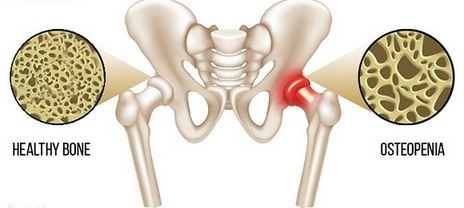
What is Osteoporosis ?
Bone mineral density (BMD) is the measurement of how much bone mineral is in your bones. If you have osteopenia, you have lower bone density than normal. Your bone density peaks when you’re about 35 years old. Your BMD estimates the chances of breaking a bone from a normal activity. People who have osteopenia have a lower BMD than normal, but it’s not a disease. However, having osteopenia does increase your chances of developing osteoporosis. This bone disease causes fractures, stooped posture, and can lead to severe pain and loss of height.
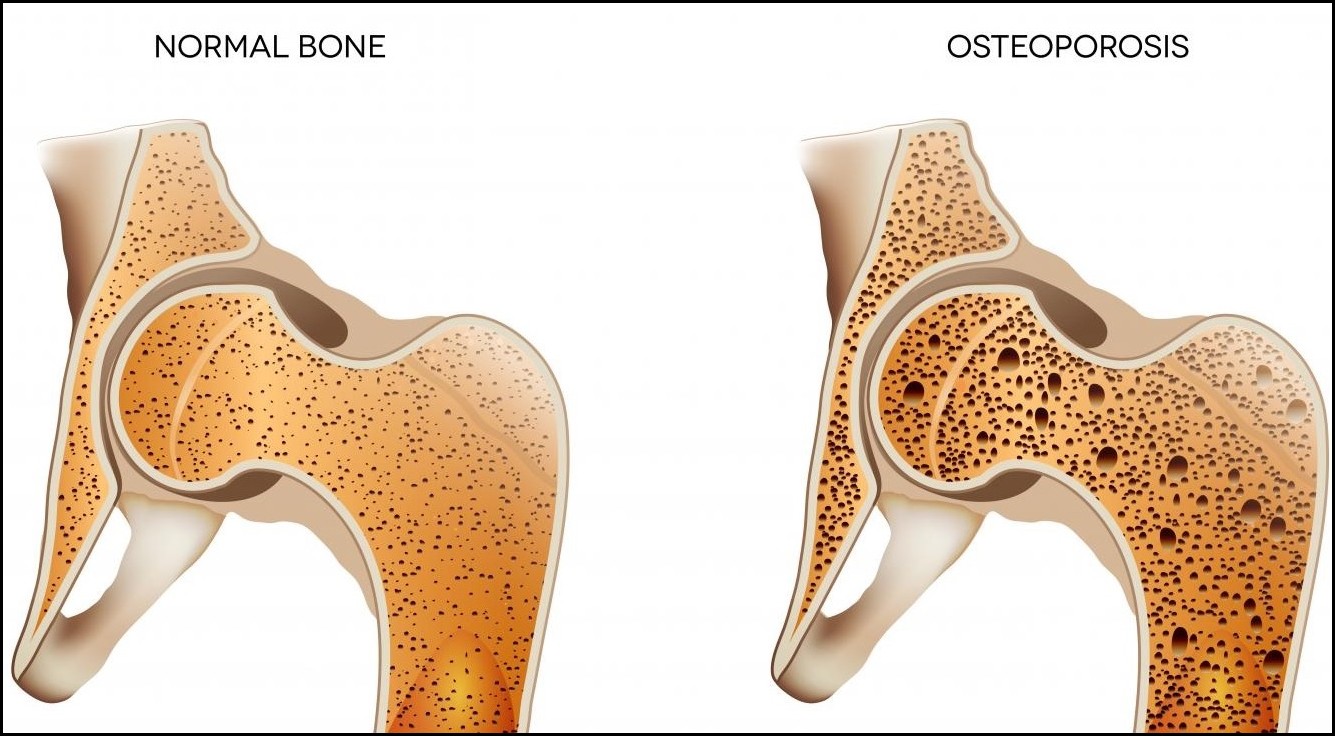
Symptoms in osteoporosis.
Loss of bone mass isn’t painful. Broken bones or fractures can occur, but these problems tend to happen once you have osteoporosis.
Causes
- Being female, with small-boned women of Asian and Caucasian descent having the highest risk
- family history of low BMD
- being older than age 50
- menopause before age 45
- removal of ovaries before menopause
- not getting enough exercise
- a poor diet, especially one lacking calcium and vitamin D
- smoking or using other forms of tobacco
- drinking too much alcohol or caffeine
- taking prednisone or phenytoin
Certain other conditions can also increase your risk of developing Osteoporosis :
- anorexia
- bulimia
- Cushing syndrome
- hyperparathyroidism
- hyperthyroidism
- inflammatory conditions like rheumatoid arthritis, lupus, or Crohn’s
How to Diagnosis osteoporosis
You should test your BMD tested if you’re:
- a woman age 65 or older
- younger than 65, postmenopausal, and have one or more risk factors
- postmenopausal and you’ve broken a bone from a normal activity, like pushing a chair to stand up or vacuuming
- Your doctor may recommend that you have your BMD tested for other reasons. For instance, about one in three white and Asian men older than age 50 have low bone density.
DEXA test
Dual energy X-ray absorptiometry, called DEXA or DXA, is the most common way to measure BMD. It’s also known as a bone mineral density test. It uses X-rays that have lower radiation than a typical X-ray. The test is painless. DEXA usually measures bone density levels in your spine, hip, wrist, finger, shin, or heel. DEXA compares the density of your bone to the density of a 30-year-old’s of the same sex and race. The result of a DEXA is a T-score, which your doctor can use to diagnose you.
|
T-score |
Diagnosis |
|
+1.0 to –1.0 |
normal bone density |
|
–1.0 to –2.5 |
low bone density, or osteopenia |
|
–2.5 or more |
osteoporosis |

If your T-score shows you have osteopenia, your DEXA report may include your FRAX score. If it doesn’t, your doctor can calculate it.The FRAX tool uses your bone density and other risk factors to estimate your risk of breaking your hip, spine, forearm, or shoulder within the next 10 years.
Osteoporosis bone fracture treatment
 The goal of treatment is to keep osteopenia from progressing into osteoporosis. The first part of treatment involves diet and exercise choices. The risk of breaking a bone when you have osteopenia is fairly small, so doctors don’t usually prescribe medicine unless your BMD is very close to the osteoporosis level. Your healthcare provider might talk to you about taking a calcium or vitamin D supplement, although generally it’s better to get enough of each from your diet.
Preventions
- Stop smoking or using tobacco.
- Avoid or limit alcohol use and drinking carbonated beverages.
- Get regular exercise.
- Maintain a healthy diet. Eating disorders, such as anorexia nervosa and bulimia, can decrease your bone mass.
- Get enough calcium and vitamin D through foods or supplements.
- Long-term use of certain medicines also can increase your risk.
Frequently asked questions
Q.What is the best treatment for osteopenia?
Bisphosphonates are the main drugs doctors use to prevent and treat osteoporosis in postmenopausal women. They include alendronic acid (Fosamax), ibandronic acid (Boniva), risedronic acid (Actonel), and zoledronic acid (Reclast). Most bisphosphonates are pills you take usually once a week or once a month.
Q.When should osteopenia be treated?
Drug treatment should then be considered in patients having osteoporosis and in patients with osteopenia when FRAX indicates a 10-year fracture probability of at least 3% for hip or at least 20% for major fractures.
Q.Does walking help osteopenia?
Like muscle, bone gets stronger when you use it. The best moves for bones are weight-bearing exercises that force your body to work against gravity. That includes walking, stair climbing, dancing, and lifting weights.
Q.What foods are bad for osteopenia?
- Foods to limit or avoid
- High-salt foods. Excess salt consumption can cause your body to release calcium, which is harmful to your bones
- Alcohol. While a moderate amount of alcohol is considered safe for those with osteoporosis, excess alcohol can lead to bone loss
- Beans/legumes
- Wheat bran
- Excess vitamin A
- Caffeine.
Q.What type of calcium is best for osteopenia?
The two main forms of calcium supplements are carbonate and citrate. Calcium carbonate is cheapest and therefore often a good first choice. Other forms of calcium in supplements include gluconate and lactate.
For more information, medical opinion and medical quote send your detailed medical history and medical reports As email attachment to Email : query@satyughealthcare.comCall: +91 8882424372 | +919910655125
Related Blogs
HAPPY PATIENTS
What Our Patients Are Saying






























Our Gallery