| Surgery Name | Cost | Room | Hospitalization |
|---|---|---|---|
| Urethroplasty Procedure cost in India (To treat Urethral Stricture) | USD 4200 Approx. | Twin Sharing Room | 2 Days |
| Buccal mucosal graft urethroplasty | 3500 USD | Twin Sharing | 4 Days |
🇮🇳 Medical Package — India
World-class treatment • NABH & JCI Accredited Hospitals • Save up to 80% vs USA/UK
Urethroplasty Surgery Purpose.
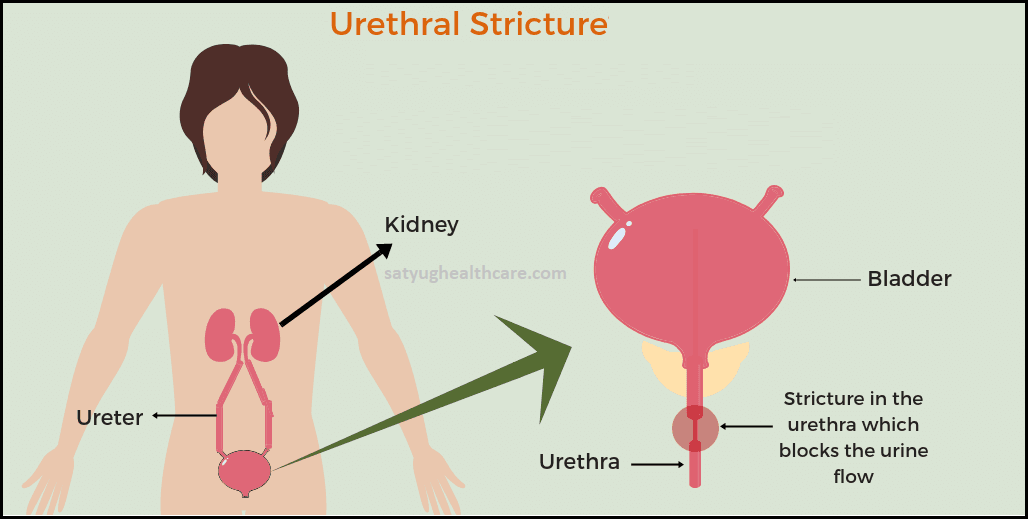
Urethroplasty is a surgical procedure used to repair and reconstruct the urethra, which is the tube that carries urine from the bladder to the external urinary opening. Urethral strictures, which are narrowing or blockages of the urethra, often require surgical intervention to restore proper urinary flow. These strictures can result from various causes, including infection, trauma, previous surgeries, or congenital abnormalities.
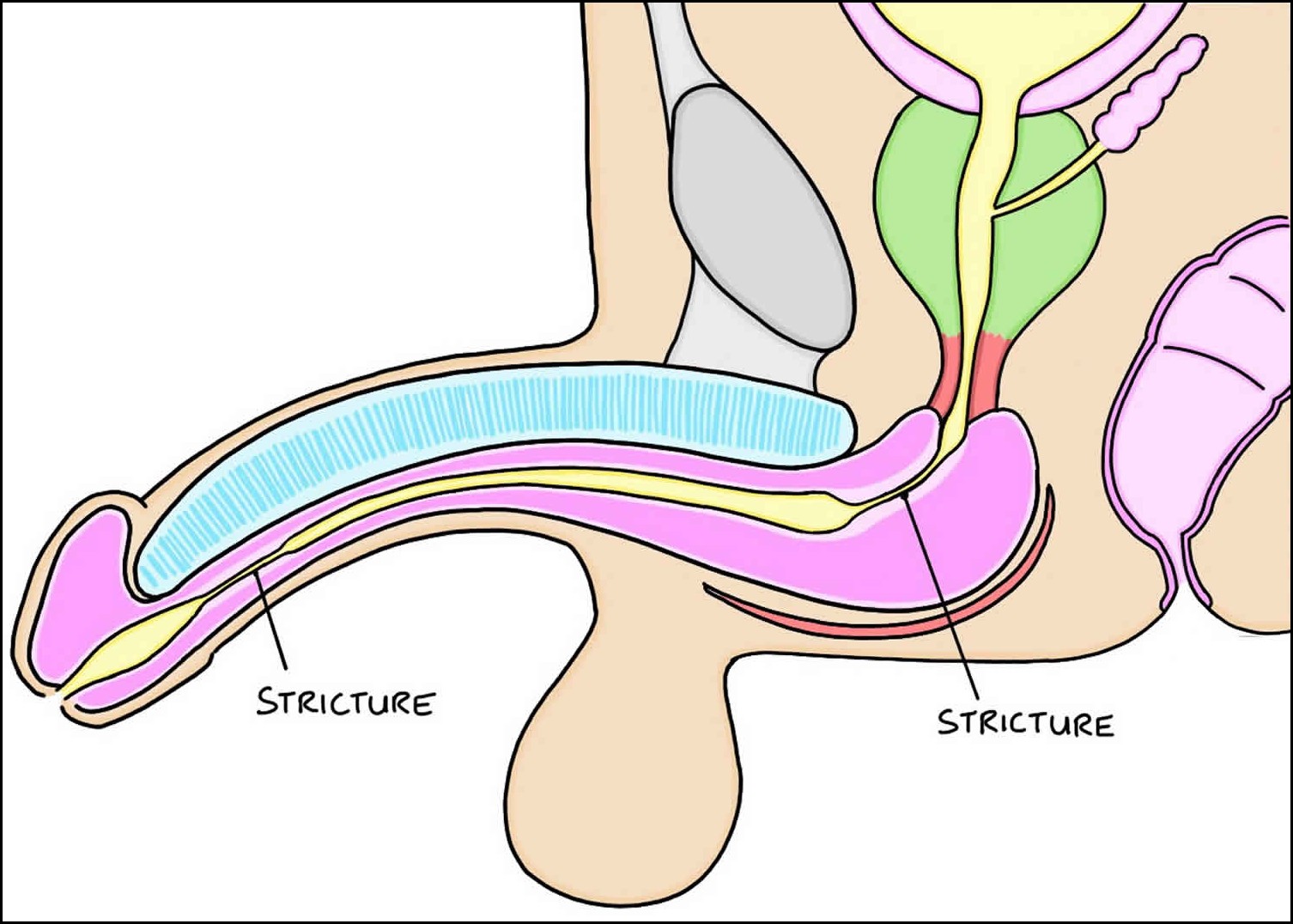
During a urethroplasty
The surgeon makes an incision to access the affected area of the urethra. The strictured or damaged portion of the urethra is then removed, and the healthy ends of the urethra are rejoined. In cases where the urethral defect is too large for direct rejoining, the surgeon may use tissue grafts (such as skin from another part of the body) to reconstruct the urethra and ensure proper alignment and function.
Urethroplasty is often perform to treating complex urethral strictures. It has a higher success rate compared to less invasive procedures like dilation or internal urethrotomy. Recovery from urethroplasty can vary depending on the extent of the surgery and the individual patient, but it typically involves a period of catheterization to allow the newly reconstructed urethra to heal properly.
Urethroplasty carries certain risks and potential complications, including
infection, bleeding, graft failure, and recurrence of strictures. The specific approach and techniques used in urethroplasty can vary based on the location and severity of the stricture, as well as the surgeon's expertise.
frequently asked questions (FAQ) and answers about urethroplasty:
1. What is urethroplasty?
Urethroplasty is a surgical procedure used to repair and reconstruct the urethra, the tube that carries urine from the bladder to the external urinary opening.
2. When is urethroplasty necessary?
Urethroplasty is necessary when there is a urethral stricture, which is a narrowing or blockage of the urethra. This can result from various causes, including trauma, infection, previous surgeries, or congenital issues.
3. How is urethroplasty performed?
During urethroplasty, the surgeon makes an incision to access the affected area of the urethra. The strictured portion is removed, and the healthy ends of the urethra are reconnected. Tissue grafts may be used to reconstruct the urethra if needed.
4. What types of urethroplasty are there?
There are different types of urethroplasty, including anastomotic urethroplasty (direct reconnection), substitution urethroplasty (using tissue grafts), and flap urethroplasty (using nearby tissue flaps).
5. How long does the procedure take?
The duration of the procedure can vary depending on the complexity of the stricture and the specific technique used. It can range from a couple of hours to several hours.
6. Is urethroplasty performed under anesthesia?
Yes, urethroplasty is typically performed under general anesthesia, which means the patient is asleep and pain-free during the procedure.
7. What is the recovery process like?
Recovery after urethroplasty can involve a few days to a week in the hospital, depending on the extent of the surgery. Catheterization is common to allow the repaired urethra to heal. Recovery time can vary, but most patients can resume normal activities within a few weeks to a couple of months.
8. Are there risks associated with urethroplasty?
As with any surgery, there are risks involved, including infection, bleeding, graft failure, recurrence of strictures, and complications related to anesthesia. However, the risks are generally low in experienced hands.
9. What is the success rate of urethroplasty?
Urethroplasty has a high success rate, especially for complex strictures. Success rates can vary depending on factors such as the type of stricture, the surgical technique used, and the surgeon's skill.
10. How do I prepare for urethroplasty?
Your urologist will provide you with specific instructions for preparation, which may include fasting before surgery, stopping certain medications, and undergoing preoperative tests.
11. Will I have a catheter after urethroplasty?
Yes, a catheter is often placed after urethroplasty to help drain urine and protect the repaired urethra during the initial healing phase.
12. When should I contact my doctor after the procedure?
It's important to follow your doctor's post-operative instructions. Contact your doctor if you experience severe pain, fever, significant bleeding, or any concerning symptoms during your recovery.
Free Medical Opinion
Expert review in 48 hours
Best Surgeon
Top specialists in India
Hospital Booking
NABH / JCI accredited
Visa Assistance
Invitation letter provided
Airport Transfer
Safe pickup & drop
Tele-Consultation
Video consult before travel
Hotel Booking
Near hospital, affordable
Multilingual Support
Arabic, French, English
📞 Get Started Today — It Is Free
Send your medical reports and get a free expert opinion within 48 hours. Our coordinators speak Arabic, French and English.