Medical Visa
Assistance
Assistance
Tele-Video
Consultation
Consultation
Language Interpretation
Services
Services
Second Medical
Opinion
Opinion
Post-Treatment
Care Coordination
Care Coordination
Coordinating care at accredited hospitals, including
Apollo HospitalsFortis HealthcareManipal HospitalsSarvodaya Hospital
Not sure where to start? Get a free medical opinion Not sure what your treatment will cost? Free, instant, itemised estimate -- treatment, visa, flights, hotel & food
What will your treatment cost?
Satyug Assistant
Online · usually replies instantly
Answers are informational, not medical advice.
Obstetric Anal Sphincter Injury (OASI)
Released Date: 2025-01-01

🩺 Obstetric Anal Sphincter Injury (OASI) Treatment in India
Obstetric Anal Sphincter Injury is a tear of the anal sphincter muscles that can occur during vaginal childbirth. With timely repair and follow-up care, most women recover full function and comfort.
3.6-6%
Incidence in Vaginal Births
48h
Free Medical Opinion
70%
Cost Savings vs West
24/7
Patient Support
🔬 What is OASI?
OASI refers to third-degree tears (involving the anal sphincter muscles) or fourth-degree tears (additionally involving the rectal lining) that occur during vaginal delivery. Left unrepaired or inadequately treated, it can lead to perineal pain, painful intercourse, or flatal/faecal incontinence.
✅ Treatment & Recovery
- ✓ Primary repair is performed immediately at the time of delivery in the majority of cases
- ✓ Secondary repair is needed in 2.6–3% of cases where healing is incomplete, and can be safely performed early (within 21 days) rather than waiting months
- ✓ Strict pelvic rest for 6 weeks post-repair supports proper healing
- ✓ Follow-up visits at 1–2 weeks check for wound separation, infection, or hematoma
- ✓ Pelvic floor physiotherapy supports full functional recovery
🏠 How Satyug Healthcare Helps You
📋
Free Medical Opinion
Expert review within 48 hours
👨⚕️
Top Gynaecologists
Obstetric surgery specialists
✈️
Visa Assistance
Medical visa invitation letter
📹
Tele-Consultation
Consult from home before travel
🌎
Multilingual Support
Arabic, French, English & more
Related Blogs
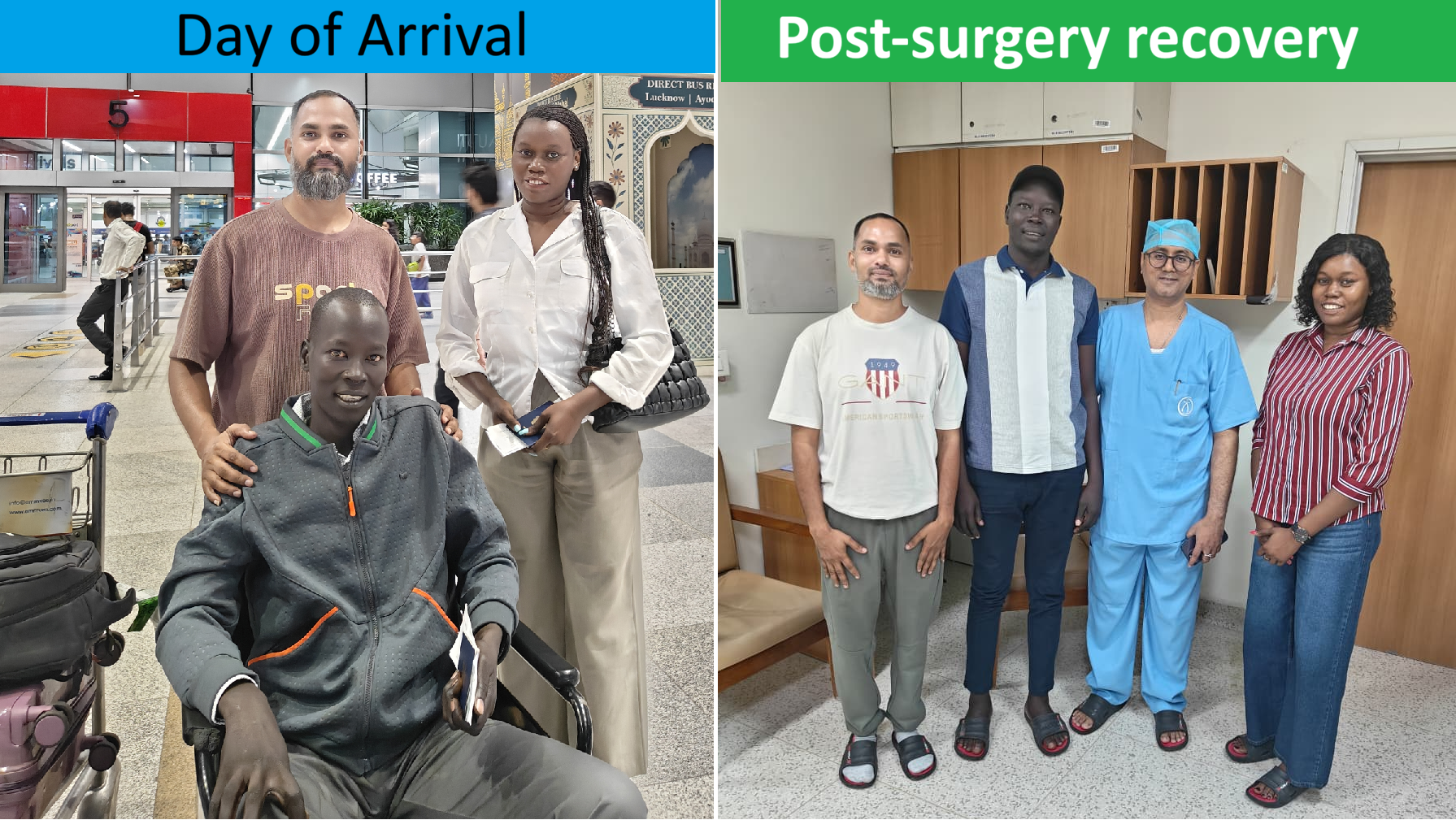
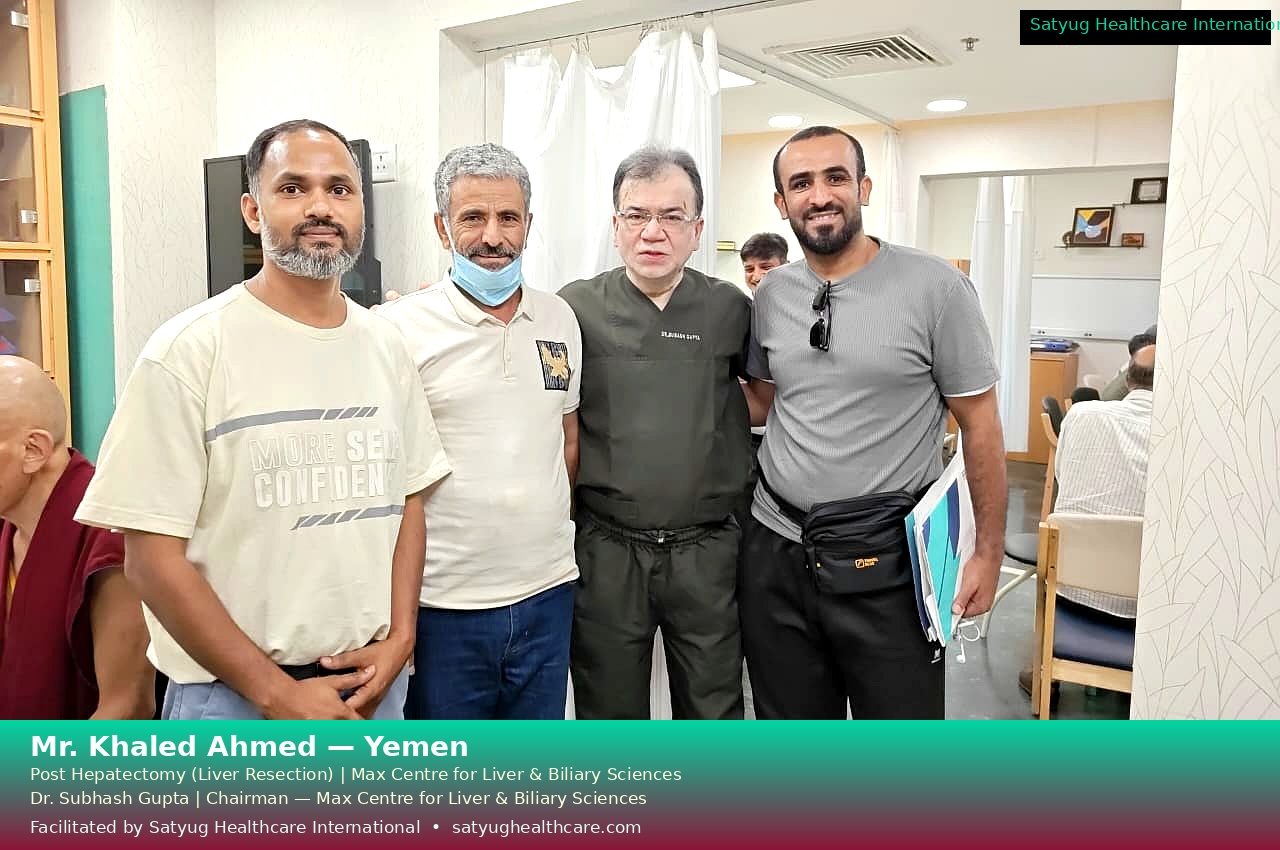
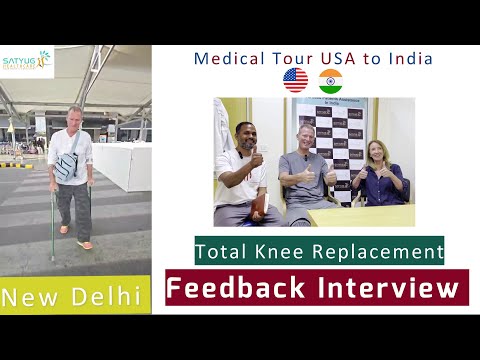
HAPPY PATIENTS
What Our Patients Are Saying



























Our Gallery