Assistance
Consultation
Services
Opinion
Care Coordination
What will your treatment cost?
Which heart Valve is best for patient Mechanical Valve or Tissue valves?
Released Date: 2023-12-12

Whenever Any patient needs valve repair or valve replacement surgery. First of all he must consult with experience cardiologist to take his advise and suuggestion that which valve will be suitable for him. once you understand the advantage and limitation of Mechanical Valve and Tissue valves ,Accordigly patient can make his decision.
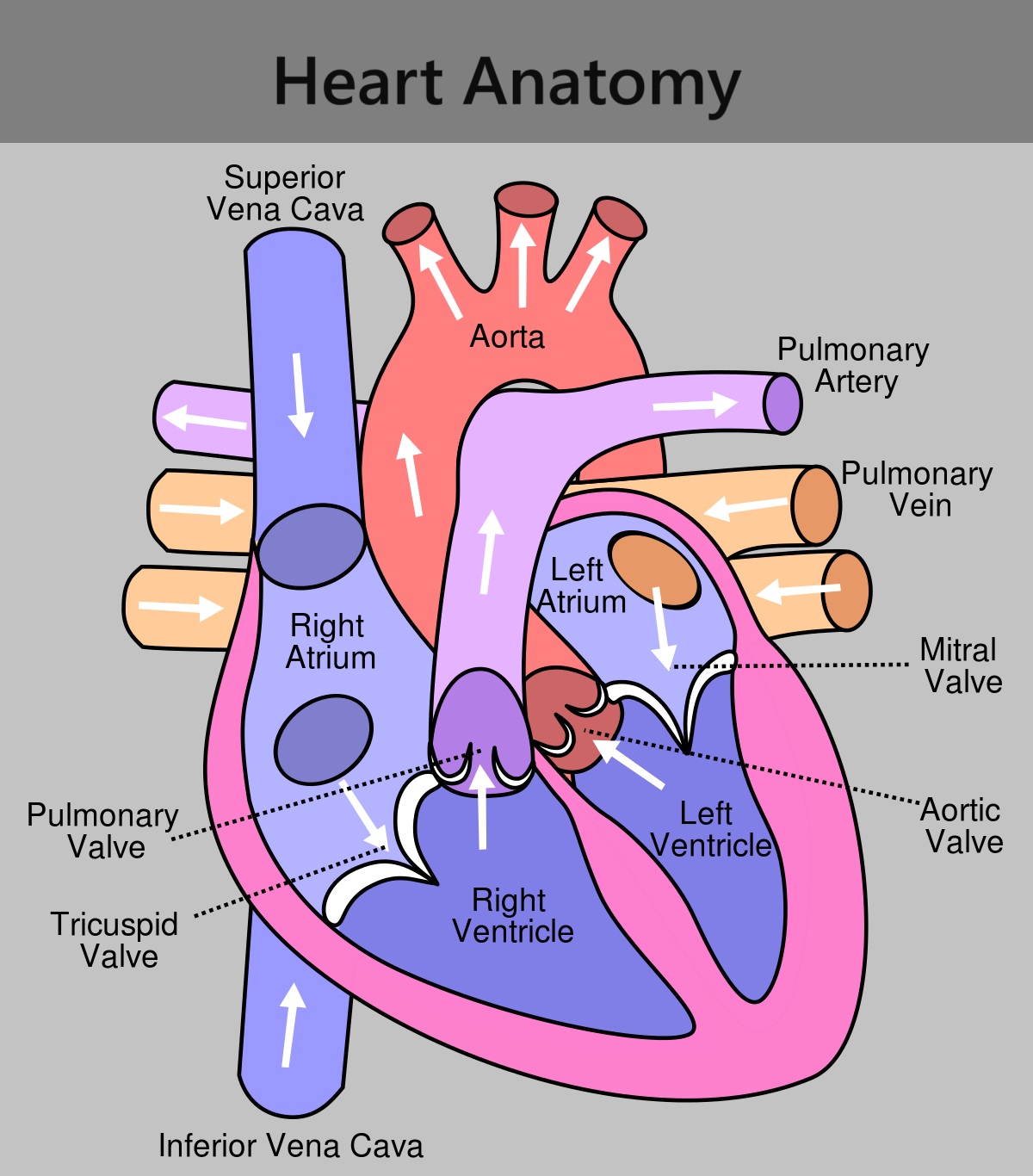
There are four valves in the heart: aortic valve, mitral valve, tricuspid valve, and pulmonary valve. The valves are designed to control the direction of blood flow through the heart. The opening and closing of the heart valves produce the heart-beat sounds.
Tissue Valve FAQ:
1. What is a tissue valve?
A tissue valve, also known as a bioprosthetic valve, is made from animal tissue, usually from a pig (porcine) or a cow (bovine), or from human donors.
2. How long do tissue valves last?
Tissue valves generally last 10-15 years on average. The lifespan can vary among individuals.
3. Are there any age restrictions for receiving a tissue valve?
Tissue valves are often recommended for older patients or those who may not want to take long-term anticoagulant medication.
4. Do tissue valves require anticoagulant medication?
Usually, patients with tissue valves do not require long-term anticoagulation, but it may be recommended for some cases.
5. Can tissue valves be used in younger patients?
Tissue valves can be used in younger patients, but the possibility of needing a replacement later in life should be considered.
6. How is a tissue valve implanted?
Tissue valves are typically sewn into place during open-heart surgery.
Mechanical Valve FAQ:
1. What is a mechanical valve?
A mechanical valve is made of durable materials such as titanium or carbon and is designed to last a lifetime.
2. How long do mechanical valves last?
Mechanical valves are designed to be long-lasting and may not need to be replaced due to wear and tear. However, they do require lifelong anticoagulation.
3. Why do patients with mechanical valves need anticoagulant medication?
Mechanical valves have a higher risk of blood clots forming on the valve, so anticoagulants (blood thinners) are prescribed to reduce this risk.
4. Are there any dietary restrictions with mechanical valves and anticoagulation?
Patients on anticoagulants need to manage their vitamin K intake, which is found in certain foods. Regular monitoring is important.
5. Can mechanical valves be used in younger patients?
Mechanical valves are often recommended for younger patients due to their durability, but the need for lifelong anticoagulation should be considered.
6. How is a mechanical valve implanted?
Similar to tissue valves, mechanical valves are typically implanted during open-heart surgery.
7. What are the risks of mechanical valves?
The main risk is the potential for blood clots, which can lead to serious complications. Regular monitoring and adherence to medication are crucial.
8. Can I participate in physical activities with a mechanical valve?
Yes, but certain activities may carry a higher risk of injury, and consultation with a healthcare provider is recommended.
We strive to restore your smile
For more information, medical assessment and medical quote
send your medical history and medical reports at Email : query@satyughealthcare.com
Telephone/video consultation with a leading Indian doctor
International patient HelpDesk WhatsAPP/Call: +91 8882424372 | +919910655125
Related Blogs


HAPPY PATIENTS
What Our Patients Are Saying






























Our Gallery