Not sure what your treatment will cost?Free, instant, itemised estimate -- treatment, visa, flights, hotel & food
What will your treatment cost?
Chat Assistance
Satyug Assistant
Online · usually replies instantly
Answers are informational, not medical advice.
Gastroesophageal Reflux Disease Treatment in India
Released Date: 2025-09-12
What is Gastroesophageal Reflux Disease (GERD)?
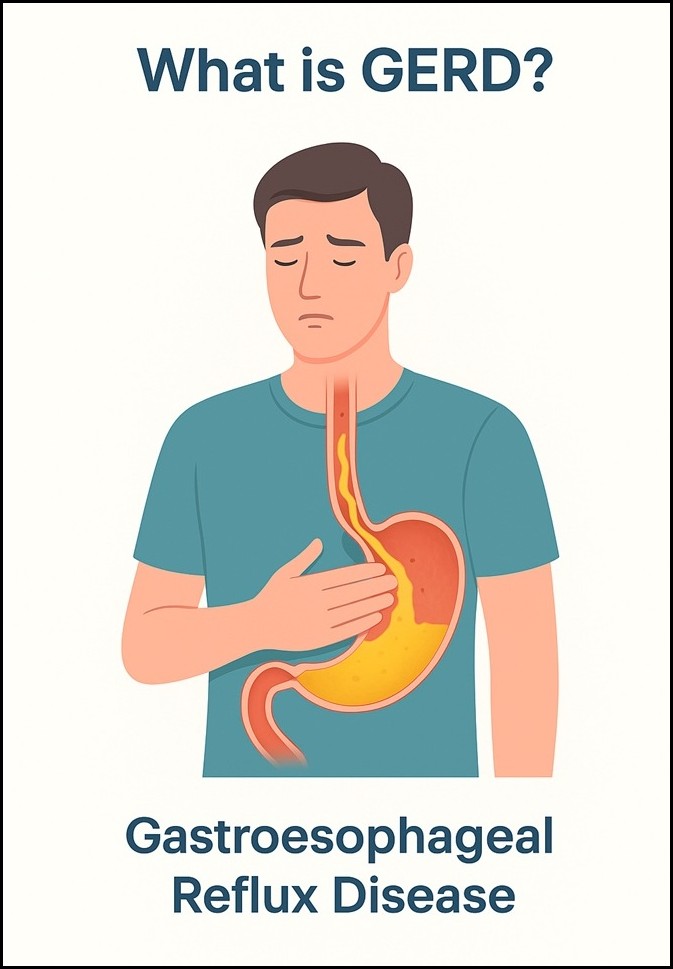
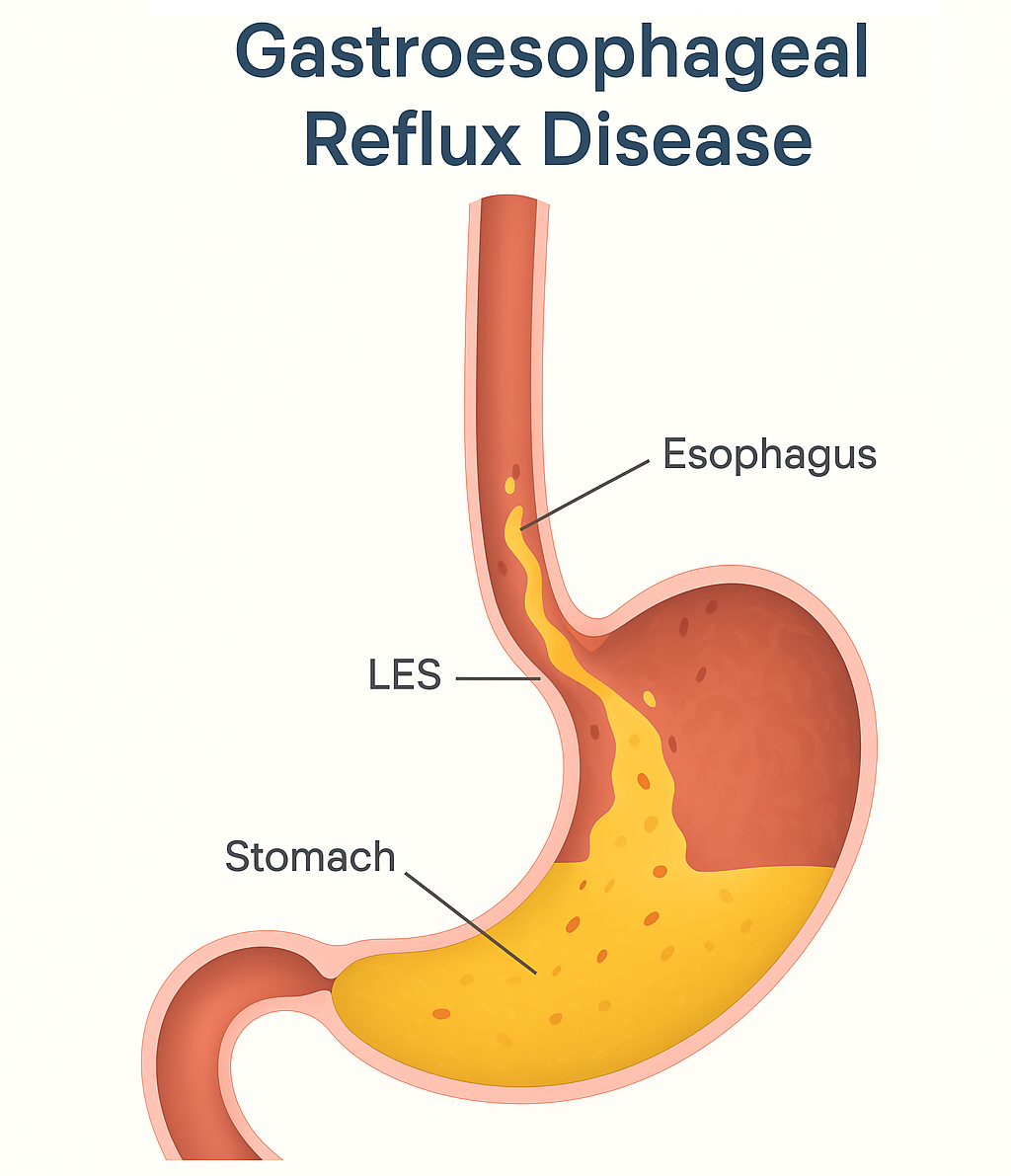
Gastroesophageal Reflux Disease (GERD) is a chronic digestive disorder that occurs when stomach acid, or bile, flows back into the food pipe (esophagus). This backwash, or reflux, irritates the lining of the esophagus. While occasional acid reflux is common, GERD is diagnosed when acid reflux happens more than twice a week and causes persistent symptoms. The condition is a result of a weakened or relaxed lower esophageal sphincter (LES), a ring of muscle that acts as a valve between the esophagus and the stomach.
When to See a Doctor
You should see a doctor for GERD when:
Frequent heartburn (more than 2–3 times a week)
Difficulty swallowing
Chest pain that mimics heart problems
Persistent cough, asthma, or hoarseness
Regurgitation of food or sour liquid at night
Symptoms of GERD
The symptoms of GERD can vary, but the most common ones include:
Heartburn: A burning sensation in your chest, often after eating, which may worsen at night.
Regurgitation: The backflow of sour or bitter-tasting fluid from the stomach into the throat or mouth.
Chest pain.
Difficulty swallowing (dysphagia).
Chronic cough or wheezing.
Sore throat and hoarseness.
A feeling of a lump in your throat (globus sensation).
Common Reasons for Gastroesophageal Reflux Disease
GERD is often caused by a weakened or improperly functioning lower esophageal sphincter (LES). Common factors that can contribute to this include:
Hiatal Hernia: A condition where the top part of the stomach bulges through the diaphragm into the chest.
Obesity: Increased abdominal pressure can push stomach contents into the esophagus.
Diet: Eating large meals, especially late at night, and consuming trigger foods like fatty or fried foods, citrus fruits, and spicy foods.
Lifestyle: Smoking, excessive alcohol consumption, and lying down immediately after eating.
Pregnancy: Hormonal changes and increased abdominal pressure can lead to reflux.
How is GERD Diagnosed?
Diagnosis of GERD typically involves a combination of methods:
Symptom Review: The doctor will first discuss your symptoms and medical history.
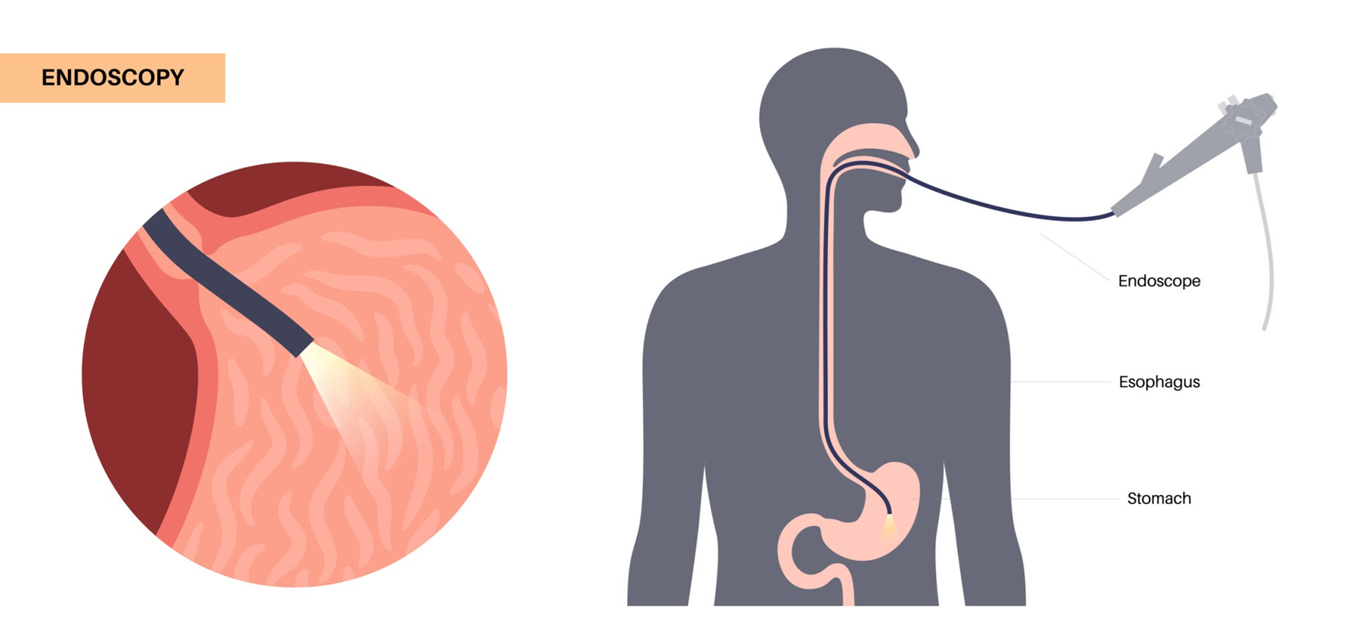
Endoscopy: A flexible tube with a camera (endoscope) is passed down the throat to examine the esophagus and stomach for inflammation or damage.
Ambulatory Acid (pH) Probe Test: A monitor is placed in the esophagus to measure the amount of acid reflux over 24-48 hours.
Esophageal Manometry: This test measures the strength of the esophageal muscles and the function of the LES.
Barium Swallow: X-ray images are taken after drinking a barium solution to visualize the esophagus.
Possible Complications and Risk Factors
If left untreated, chronic GERD can lead to several serious complications:
Esophagitis: Inflammation and irritation of the esophagus, which can cause bleeding or ulcers.
Esophageal Stricture: Scar tissue from repeated damage can narrow the esophagus, making it difficult to swallow.
Barrett's Esophagus: A precancerous condition where the lining of the esophagus changes to resemble the lining of the intestine.
Esophageal Cancer: A rare but severe complication that can develop from Barrett's esophagus.
Risk Factors: The risk of developing GERD is higher in individuals who are obese, pregnant, smokers, or have a hiatal hernia.
GERD Treatment Options & Management
Treatment for GERD involves a multi-pronged approach:
Lifestyle Modifications:
Maintain a healthy weight.
Eat smaller, more frequent meals.
Avoid trigger foods and beverages (e.g., spicy food, caffeine, alcohol).
Elevate the head of your bed while sleeping.
Do not lie down for at least 2-3 hours after eating.
Medications:
Antacids: Provide quick but temporary relief by neutralizing stomach acid.
H2 Blockers: Reduce acid production.
Proton Pump Inhibitors (PPIs): The most effective medications for reducing acid production and healing the esophagus.
Surgical & Advanced Treatments:
Fundoplication surgery (tightens the lower esophageal sphincter)
LINX device implantation (magnetic beads around LES)
Endoscopic procedures for severe GERD
FAQ about GERD
Can GERD be cured? While GERD is a chronic condition, it can be effectively managed with lifestyle changes, medication, and, in some cases, surgery.
Is GERD life-threatening? While GERD is not immediately life-threatening, chronic, untreated GERD can lead to serious complications.
Is GERD the same as heartburn? Heartburn is a symptom of GERD, not the disease itself.
What foods should I avoid? Common triggers include fatty or fried foods, citrus fruits, tomatoes, onions, garlic, chocolate, mint, and carbonated beverages.
How Satyug Healthcare Supports International Patients for GERD Treatment in India
Satyug Healthcare provides a complete, end-to-end medical tourism solution for international patients seeking GERD treatment in India. Our services include:
Expert Consultation: We connect you with India’s leading gastroenterologists and surgeons specializing in GERD.
Travel and Visa Assistance: We provide comprehensive support with visa applications, flight bookings, and accommodation to ensure a seamless journey.
Hospital and Logistics Support: We coordinate all your hospital appointments, from initial consultation and diagnostics to surgical procedures and post-operative care.
Personalized Care: A dedicated case manager assists you at every step, providing language support and ensuring your comfort throughout your stay.
Cost-Effective Solutions: We offer access to high-quality treatment at a fraction of the cost in many Western countries, with transparent pricing and no hidden fees.