💉
Hysteroscopy Surgery: A Comprehensive Guide for Patients
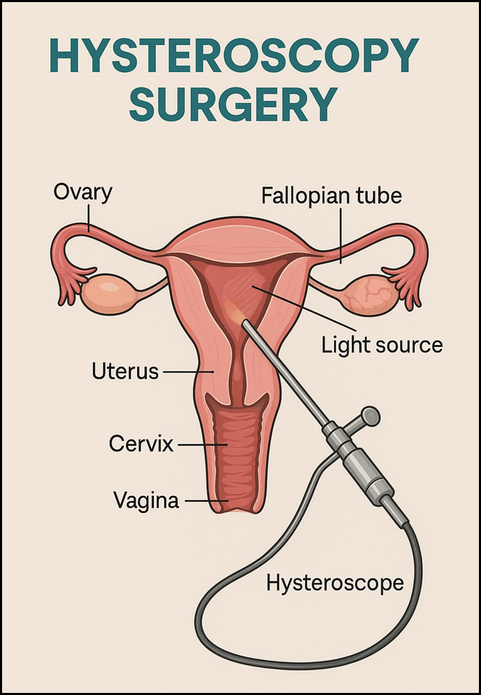
Hysteroscopy is a gynecological procedure that allows a surgeon to directly visualize the inside of the uterus (womb) and the opening of the fallopian tubes. It uses a hysteroscope – a thin, lighted telescope-like instrument that is inserted through the vagina and cervix into the uterus. This procedure can be used for both diagnosing and treating various uterine conditions.
📄 Types of Hysterectomy Surgery: A Quick Guide
Hysterectomy is the surgical removal of the uterus (womb). The specific type performed depends on the medical condition and the extent of the surgery required. Here are the main classifications:
Based on What is Removed:
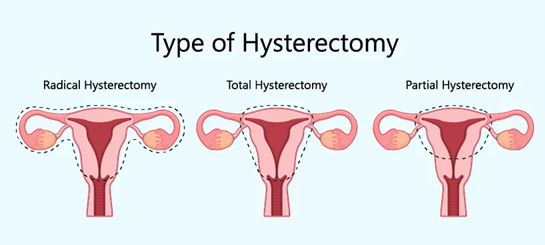
- ✓Partial Hysterectomy (Supracervical/Subtotal Hysterectomy): This procedure involves removing only the upper part of the uterus, while leaving the cervix (the lower part of the uterus that connects to the vagina) intact. It's often chosen for non-cancerous conditions when the cervix is healthy.
- ✓Total Hysterectomy: In this common procedure, the entire uterus, including the cervix, is removed. This eliminates the risk of cervical cancer and stops all menstrual bleeding. It's frequently performed for fibroids, endometriosis, or abnormal bleeding.
- ✓Radical Hysterectomy: This is the most extensive type of hysterectomy, typically performed for invasive cancers like cervical cancer. It involves removing the uterus, cervix, fallopian tubes, ovaries (often), the top part of the vagina, and surrounding tissues and lymph nodes.
Based on the Surgical Approach (How the Surgery is Performed):
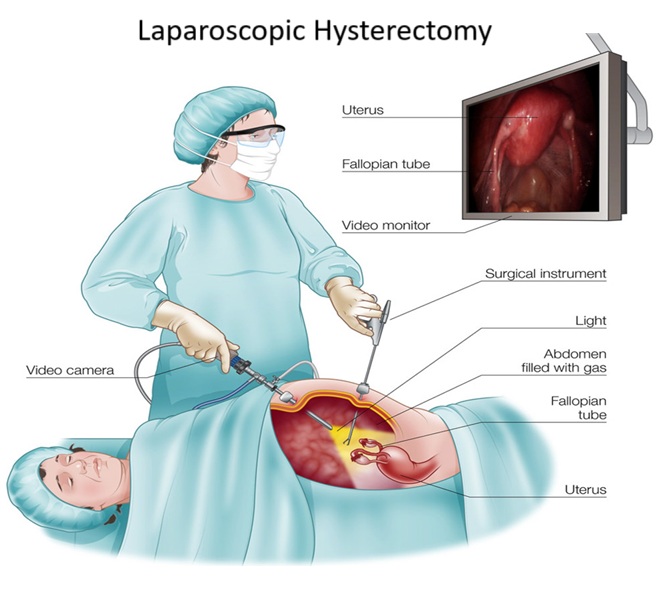
- ✓Laparoscopic Hysterectomy (Keyhole Surgery): This minimally invasive approach uses several small incisions in the abdomen. A thin, lighted camera (laparoscope) and specialized instruments are inserted through these small cuts. The surgeon views the procedure on a monitor, and the uterus is removed through the small incisions or the vagina. This generally leads to less pain, smaller scars, and faster recovery than open surgery.
- ✓Robotic Hysterectomy: A variation of laparoscopic surgery, where the surgeon controls robotic arms from a console. The robot's arms hold the surgical instruments, providing enhanced 3D visualization, greater dexterity, and precision. This approach offers similar benefits to traditional laparoscopy but can be particularly advantageous for complex cases.
💉 Who Needs Hysteroscopy Surgery?
Hysteroscopy is typically recommended for women experiencing various uterine issues, especially those causing abnormal bleeding or fertility problems. Common reasons include:
- ✓Women with abnormal uterine bleeding
- ✓Suspected fibroids, polyps, or adhesions (Asherman’s syndrome)
- ✓Recurrent miscarriages
- ✓Infertility evaluations
- ✓Retrieval of lost intrauterine devices (IUDs)
- ✓To investigate postmenopausal bleeding
- ✓Before IVF or assisted reproductive procedures
💉 Medical Evaluation Before Preparation for Hysteroscopy Surgery
💉 A thorough medical evaluation is performed to ensure the patient is a suitable candidate for hysteroscopy and to plan the procedure effectively. This typically includes:
- ✓
Detailed Medical History:
- Current symptoms and their duration.
- ✓Menstrual history (regularity, flow, last menstrual period).
- ✓Obstetric history (pregnancies, miscarriages, deliveries).
- ✓Previous surgeries, especially gynecological procedures.
- ✓Any known allergies (medications, latex, iodine).
- ✓Current medications, including prescription, over-the-counter drugs, herbal supplements, and vitamins. It's crucial to inform your doctor about any blood thinners you might be taking, as these often need to be stopped before surgery.
- ✓Any existing medical conditions (e.g., heart disease, diabetes, lung conditions).
Physical Examination: A complete gynecological exam, including a pelvic exam.
Diagnostic Tests:
- ✓Pregnancy Test: A hysteroscopy cannot be performed if the patient is pregnant.
- ✓Blood Tests: May include a complete blood count (CBC), blood clotting tests (PT/INR, PTT), and sometimes a general health panel.
- ✓Urine Test: To rule out urinary tract infections.
- ✓Transvaginal Ultrasound: Often performed prior to hysteroscopy to visualize the uterus, uterine lining, and identify any fibroids, polyps, or other abnormalities.
- ✓Infection Screening: To ensure there's no active pelvic infection, which would contraindicate the procedure.
⚠ Risks & Complications of Hysteroscopy Surgery
Hysteroscopy is considered a generally safe procedure with a low complication rate (less than 1% for serious complications). However, like any surgical intervention, risks are present:
Common (usually mild and self-limiting):
- ✓Cramping: Similar to menstrual cramps, usually lasting a few hours to a couple of days.
- ✓Light Vaginal Bleeding or Spotting: Can last for a few days to a week.
- ✓Shoulder Pain: If gas (CO2) is used to distend the uterus, it can sometimes irritate the diaphragm, causing referred pain to the shoulder. This usually resolves quickly.
- ✓Nausea/Dizziness: Especially if sedation or general anesthesia is used.
💉 Preparation for Hysteroscopy Surgery
Proper preparation helps ensure the procedure is safe and effective:
- ✓Medication Review: Discuss all medications, including over-the-counter drugs, herbal supplements, and vitamins, with your doctor. You will likely be instructed to stop blood-thinning medications (e.g., aspirin, ibuprofen, warfarin) a specific number of days before the procedure to reduce bleeding risk.
- ✓Fasting: If general anesthesia or sedation is used, you will be instructed to fast (no food or drink) for a certain number of hours (usually 6-8 hours) before the surgery. For office hysteroscopy with local anesthesia, you can usually eat and drink normally.
- ✓Pain Management: Your doctor may recommend taking an over-the-counter pain reliever (like ibuprofen or paracetamol) an hour or two before the procedure to help with cramping.
- ✓Hygiene: You may be asked to shower with a special antiseptic soap the night before or the morning of the procedure.
- ✓No Vaginal Products: Avoid douching, using tampons, or vaginal medications for 24-48 hours before the procedure.
- ✓Contraception/Pregnancy Test: Ensure you are not pregnant. Use contraception or avoid intercourse between your last period and the procedure if advised by your doctor. A pregnancy test will be done on the day of the procedure.
- ✓Arrange Transportation: If you are having sedation or general anesthesia, you will need someone to drive you home after the procedure.
- ✓Comfortable Clothing: Wear loose, comfortable clothing to the hospital/clinic.
- ✓Ask Questions: Make sure all your questions are answered before you sign the consent form.
🛠 Post-Recovery & Follow-up
Recovery from hysteroscopy is generally quick, especially for diagnostic procedures.
Immediate Post-Op (First 24-48 hours):
- ✓Rest: You will be advised to rest for the remainder of the day.
- ✓Pain: Mild cramping similar to menstrual cramps is common. Over-the-counter pain relievers usually suffice.
- ✓Bleeding/Discharge: Light vaginal bleeding or brownish discharge is expected. Use sanitary pads, not tampons, to prevent infection.
- ✓Nausea/Dizziness: If you had anesthesia, you might feel nauseous or dizzy for a few hours.
- ✓Shoulder Pain: If gas was used, you might experience temporary shoulder pain.
Follow-up:
- ✓Pathology Results: If a biopsy or tissue removal was performed, you will receive pathology results in a few days to a week. Your doctor will discuss these findings and any further steps.
- ✓Post-Op Appointment: A follow-up appointment may be scheduled with your gynecologist to check on your recovery and discuss any ongoing management.
- ✓Return to Normal Menstrual Cycle: Your next period might be slightly different (earlier, later, or heavier/lighter) due to the procedure. It usually normalizes in subsequent cycles.
💉 FAQ 10 Hysteroscopy Surgery
- 1Is hysteroscopy painful? It varies. For diagnostic office hysteroscopy, many experience only mild cramping. For operative procedures, anesthesia is used, so you won't feel pain during the surgery. Post-op cramping is common and managed with pain relievers.
- 2How long does a hysteroscopy take? A diagnostic hysteroscopy can take 5-15 minutes. An operative hysteroscopy can take 30 minutes to an hour or more, depending on the complexity of the procedure.
- 3Will I need anesthesia? It depends. Office hysteroscopies may use local anesthesia or no anesthesia. More complex or operative hysteroscopies usually require sedation, regional (spinal), or general anesthesia.
- 4Can I eat or drink before the procedure? If you're having general anesthesia or sedation, you'll need to fast for several hours before. For in-office procedures with local anesthesia, you can usually eat and drink normally. Always follow your doctor's specific instructions.
- 5When can I resume sexual activity? Typically, you should avoid intercourse for at least 1-2 weeks after hysteroscopy, or until any bleeding and discomfort have stopped, to prevent infection.
- 6Will I bleed after hysteroscopy? Light vaginal bleeding or spotting is very common and can last from a few days to a week. Use sanitary pads, not tampons.
- 7When can I return to work or normal activities? Most patients can return to light activities the next day. Strenuous exercise, heavy lifting, and demanding jobs should be avoided for 1-2 weeks.
- 8Can hysteroscopy help me get pregnant? Yes, if uterine conditions like polyps, fibroids, or adhesions are causing infertility or recurrent miscarriages, their removal via hysteroscopy can significantly improve chances of conception and successful pregnancy.
- 9Are there any long-term effects of hysteroscopy? For most women, there are no long-term adverse effects. The procedure aims to resolve existing issues and improve uterine health.
- 10What if my symptoms return after hysteroscopy? While FESS is highly effective, chronic sinus disease can recur. If symptoms return, your doctor will assess if it's due to incomplete healing, new inflammation, or recurrence of polyps, and discuss further medical management or revision surgery if necessary.
❓
Why Do International Patients Need Satyug Healthcare’s Assistance in India?
Satyug Healthcare plays a crucial role for international patients seeking Hysteroscopy or any gynecological surgery in India by providing:
International patients often choose India for medical treatments, including Hysteroscopy Surgery, due to a compelling combination of factors, and organizations like Satyug Healthcare (or any medical tourism facilitator) play a crucial role in facilitating this journey:
- ✓Cost-Effectiveness: India offers high-quality medical procedures, including Hysteroscopy, at significantly lower costs compared to Western countries (e.g., USA, UK, Canada, Australia, Europe). This affordability extends to related expenses like consultations, diagnostics, and recovery.
- ✓Access to Highly Skilled Specialists: India has a vast pool of highly qualified and experienced gynecologists and fertility specialists, many of whom have international training and experience with advanced hysteroscopic techniques.
- ✓State-of-the-Art Facilities: Leading Indian hospitals are equipped with modern infrastructure, advanced hysteroscopy equipment, high-definition imaging systems, and sophisticated operating theaters, ensuring precision and safety.
- ✓Reduced Waiting Times: Patients from countries with long waiting lists for specialist appointments or procedures can often receive timely treatment in India.
- ✓Comprehensive Packages: Medical tourism facilitators often offer all-inclusive packages that cover not only the surgery but also pre-operative tests, hospital stay, post-operative care, and sometimes even initial accommodation or airport transfers.
- ✓Language and Cultural Support: For international patients, navigating a new healthcare system in a foreign country can be challenging. Facilitators provide:
- ✓
Language Interpreters: Ensuring clear communication between the patient and the medical team.
- ✓
Cultural Sensitivity: Helping patients with dietary preferences, religious needs, and overall cultural acclimatization.
Travel and Logistics Assistance: They help streamline the process of obtaining medical visas, arranging flights, local transportation, and comfortable accommodation for the patient and their accompanying family members.
Continuum of Care: They often facilitate remote consultations, second opinions before travel, and follow-up communication after the patient returns home.
By leveraging these services, international patients can significantly reduce the stress and logistical complexities associated with seeking medical treatment abroad, allowing them to focus on their recovery and well-being. To understand the precise offerings and advantages of Satyug Healthcare, it is best to directly consult their official website or contact their international patient support team.
Hysteroscopy Surgery Cost in India | International Patient Packages | Affordable Hysteroscopy in India | Best Hospitals & Gynaecologists | Uterine Hysteroscopy India for Foreigners | Treatment & Recovery | Advanced Hysteroscopy India |Affordable Hysteroscopy India | Low Cost Hysteroscopy India | High Success Rate Hysteroscopy India | World Class Hysteroscopy India | Best Gynaecologists India Hysteroscopy | Minimally Invasive Hysteroscopy India