What is Myoma?
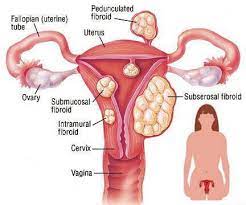
Myoma is commonly known as a fibroid, is a benign (noncancerous) tumor that develops in or around the uterus. Fibroids are medically known as leiomyomas and are tumors of the smooth muscle, the tissue that normally makes up that wall of the uterus.
Symptoms
- Abdominal, pelvic, or lower back pain that can be severe, episodic, or constant
- Abdominal pressure
- Abdominal swelling, distension or bloating
- Heavy bleeding during menstrual period (menorrhagia)
- Longer than normal menstrual periods
- Pain during sexual intercourse
- Urgent need to urinate
- Vaginal bleeding between menstrual periods
Causes
The cause of fibroids is not known, however, their development associated with the female hormone, estrogen. Fibroids appear during the childbearing years when a woman’s estrogen levels are high.
Risk factors
Factors that can have an impact on fibroid development include:
- Race- Any woman of reproductive age can develop fibroids, black women are more likely to have fibroids than are women of other racial groups. Black women have fibroids at younger ages, and they're also likely to have more or larger fibroids, along with more-severe symptoms.
- Heredity. If your mother or sister had fibroids, you're at increased risk of developing them.
- Other factors. Onset of menstruation at an early age; obesity; a vitamin D deficiency; having a diet higher in red meat and lower in green vegetables, fruit and dairy; and drinking alcohol, including beer, appear to increase your risk of developing fibroids.
Diagnosis
- Ultrasound. If confirmation is needed, doctor may ask for an ultrasound. It uses sound waves to get a picture of your uterus to confirm the diagnosis and to map and measure fibroids. A doctor or technician moves the ultrasound device (transducer) over your abdomen (transabdominal) or places it inside your vagina (transvaginal) to get images of your uterus.
- Lab tests. If you have abnormal menstrual bleeding, doctor may order other tests to investigate potential causes. These might include a complete blood count (CBC) to determine if you have anemia because of chronic blood loss and other blood tests to rule out bleeding disorders or thyroid problems.
Other Investigations Include:
- Magnetic resonance imaging (MRI)- This imaging test can show in more detail the size and location of fibroids, identify different types of tumors and help determine appropriate treatment options. An MRI is most often used in women with a larger uterus or in women approaching menopause.
- Hysterosonography- Hysterosonography also called a saline infusion sonogram, uses sterile saline to expand the uterine cavity, making it easier to get images of submucosal fibroids and the lining of the uterus in women attempting pregnancy or who have heavy menstrual bleeding.
- Hysterosalpingography- Hysterosalpingography uses a dye to highlight the uterine cavity and fallopian tubes on X-ray images. Your doctor may recommend it if infertility is a concern. This test can help your doctor determine if your fallopian tubes are open or are blocked and can show some submucosal fibroids.
- Hysteroscopy- In Hysteroscopy, doctor inserts a small, lighted telescope called a hysteroscope through your cervix into your uterus. Your doctor then injects saline into your uterus, expanding the uterine cavity and allowing your doctor to examine the walls of your uterus and the openings of your fallopian tubes.
Treatment
Fibroid treatment options
There are several treatment options for fibroids. Treatments depend upon the severity of symptoms, as well as a woman’s age and desire for pregnancy. Relief of symptoms related to fibroids usually occurs at the time of menopause, when menstrual periods stop and hormone levels wane. Most, but not all, women have shrinkage of myomas at menopause. Hormones to regulate the menstrual cycle or to reduce symptoms such as oral contraceptive pills
- Hysterectomy (removal of the uterus)
- Hysteroscopic removal of the uterine fibroids using a hysteroscope (instrument to visualize the endometrial cavity)
- Intrauterine device to release progestin within uterus to stop bleeding and pain
- Myomectomy (surgical removal of the fibroids)
- Pain control medications, such as ibuprofen (Advil, Motrin) or acetaminophen (Tylenol)
- Uterine artery embolization (procedure that interrupts the blood supply to fibroids)
Complications of uterine fibroids include:
- Adverse effects of fibroid treatment
- Anemia (low red blood cell count)
- Infertility
- Miscarriage
If you have any related query, you can send us your report on below mention email address or you can call us or whatsApp for any second opinion.
Video/tele consultation also available
E-mail address- query@satyughealthcare.com
Phone number- +91888-242-4372, +91991-065-5125
Frequently asked questions
Q. What will happen if you have myoma?
As they grow larger, they can cause pressure on nearby organs or pain due to their size. Submucosal fibroids grow just beneath the uterine lining and can push into the uterus cavity, leading to heavy bleeding and other more serious complications.
Q. Should myoma be removed?
As they're typically not cancerous, you can decide whether or not you want to have them removed. You may not need surgery if your fibroids don't bother you. However, you might consider surgery if your fibroids cause: heavy menstrual bleeding.
Q. Is myoma painful?
For some women, the pain from fibroids can be severe. Apart from heavy menstrual bleeding and prolonged periods, fibroids can cause: dull, chronic pelvic pressure and pain.
Q. How can I reduce myoma naturally?
There are a number of changes you can make that might help reduce your risk for fibroids.
- Add plenty of fresh and cooked green vegetables, fresh fruit, legumes, and fish to your plate. ...
- Cut back on alcohol
- Balance estrogen
- Lower blood pressure
- Get enough vitamin D
- A note about smoking and diet