
RIRS Laser Kidney Stone Package
Assistance
Consultation
Services
Opinion
Care Coordination
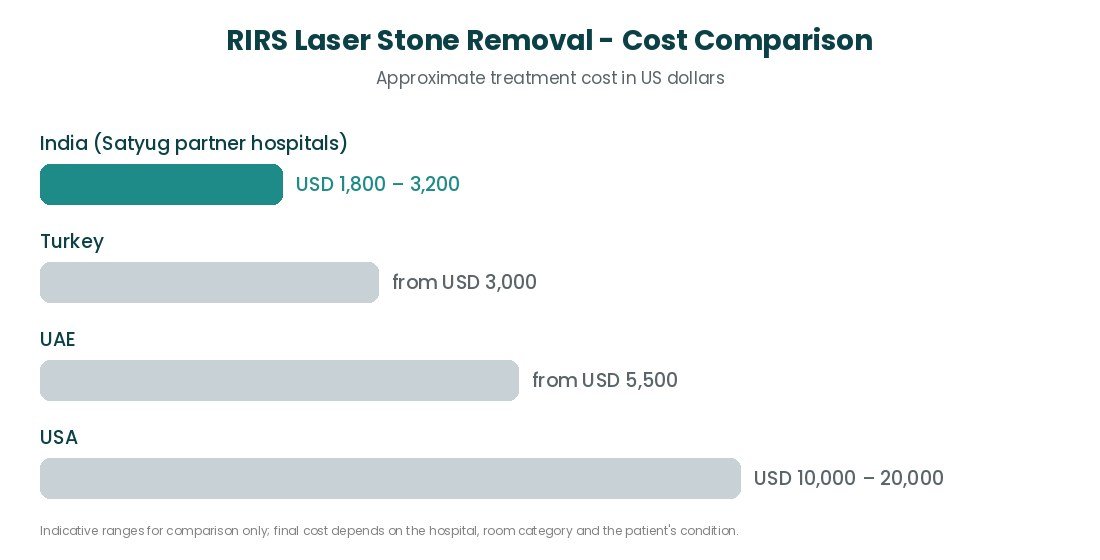
What will your treatment cost?

See the cost breakdown by option, hospital and city →
| Surgery Name | Cost | Room | Hospitalization |
|---|---|---|---|
| RIRS Laser Kidney Stone Package | 1800 USD | Twin Sharing / Private Room | 1-2 days in hospital; total stay in India 7-10 days |
| Unilateral RIRS with Holmium/Thulium Laser | 1800 USD | Twin Sharing | 1-2 days hospital |
| Bilateral RIRS (Both Kidneys, Single Sitting) | 2800 USD | Twin Sharing | 2 days hospital |
| RIRS with Premium Private Room and Single-Use Scope | 3200 USD | Private Room | 2 days hospital |
✓ Inclusion
- ✔Consultation with senior urologist / endo-urologist
- ✔Routine pre-surgery blood tests, urine test and ECG as per protocol
- ✔Unilateral RIRS (flexible ureteroscopy) with holmium or thulium laser lithotripsy
- ✔Reusable flexible ureteroscope and standard laser fibre
- ✔Surgeon and anaesthetist fees
- ✔Operation theatre charges and consumables
- ✔DJ stent placement
- ✔1–2 days hospital stay
- ✔Routine medicines, antibiotics and IV fluids
- ✔Meals for the patient as per hospital diet
- ✔Free: airport pick-up & drop, visa invitation letter, interpreter & coordinator (Satyug Healthcare)
✗ Exclusion
- ✖International flights and visa fees
- ✖Hotel stay before admission and after discharge
- ✖CT KUB and imaging not included in the protocol
- ✖Single-use (disposable) ureteroscope unless premium option chosen
- ✖Ureteral access sheath if needed
- ✖Second session for remaining stones
- ✖DJ stent removal if done as a separate procedure
- ✖Stone analysis and 24-hour urine metabolic tests
- ✖Take-home medicines
- ✖Attendant meals and personal expenses
Know More About Procedure & Surgery
RIRS (Laser Kidney Stone Removal) in India
Retrograde intrarenal surgery for kidney stones up to about 2 cm – a flexible scope through the natural urinary passage and holmium or thulium laser – done by experienced endo-urologists at accredited Indian hospitals, at a fraction of Western prices.
📖 What is RIRS?
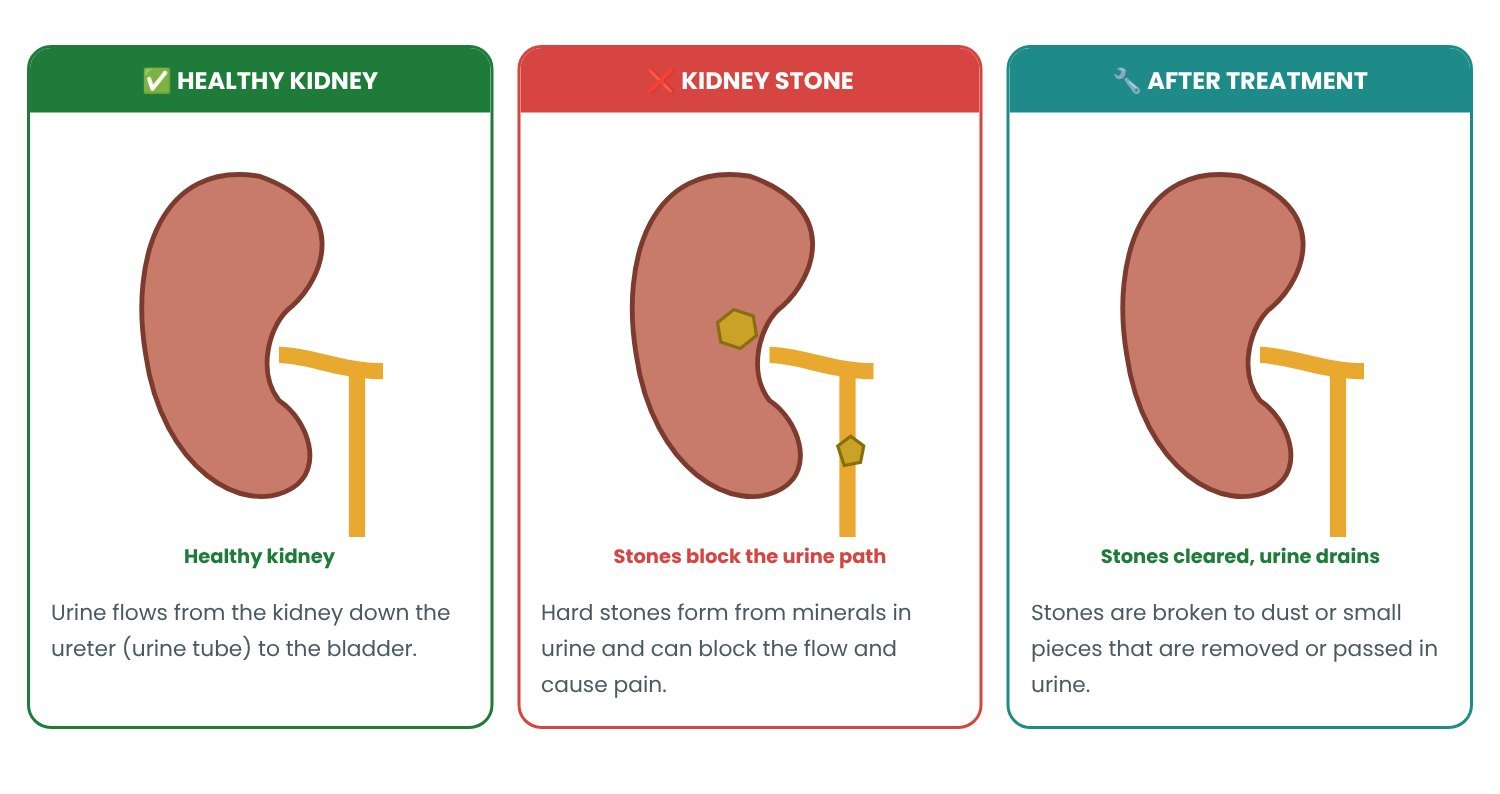
Kidney stones are hard deposits of minerals, such as calcium oxalate or uric acid, that form inside the kidney. Small stones may pass by themselves, but larger ones can block urine flow, causing severe pain (renal colic), infection, blood in the urine and, over time, kidney damage. About 1 in 10 people get a kidney stone during their life, and stones are especially common in hot climates such as the Middle East and Africa.
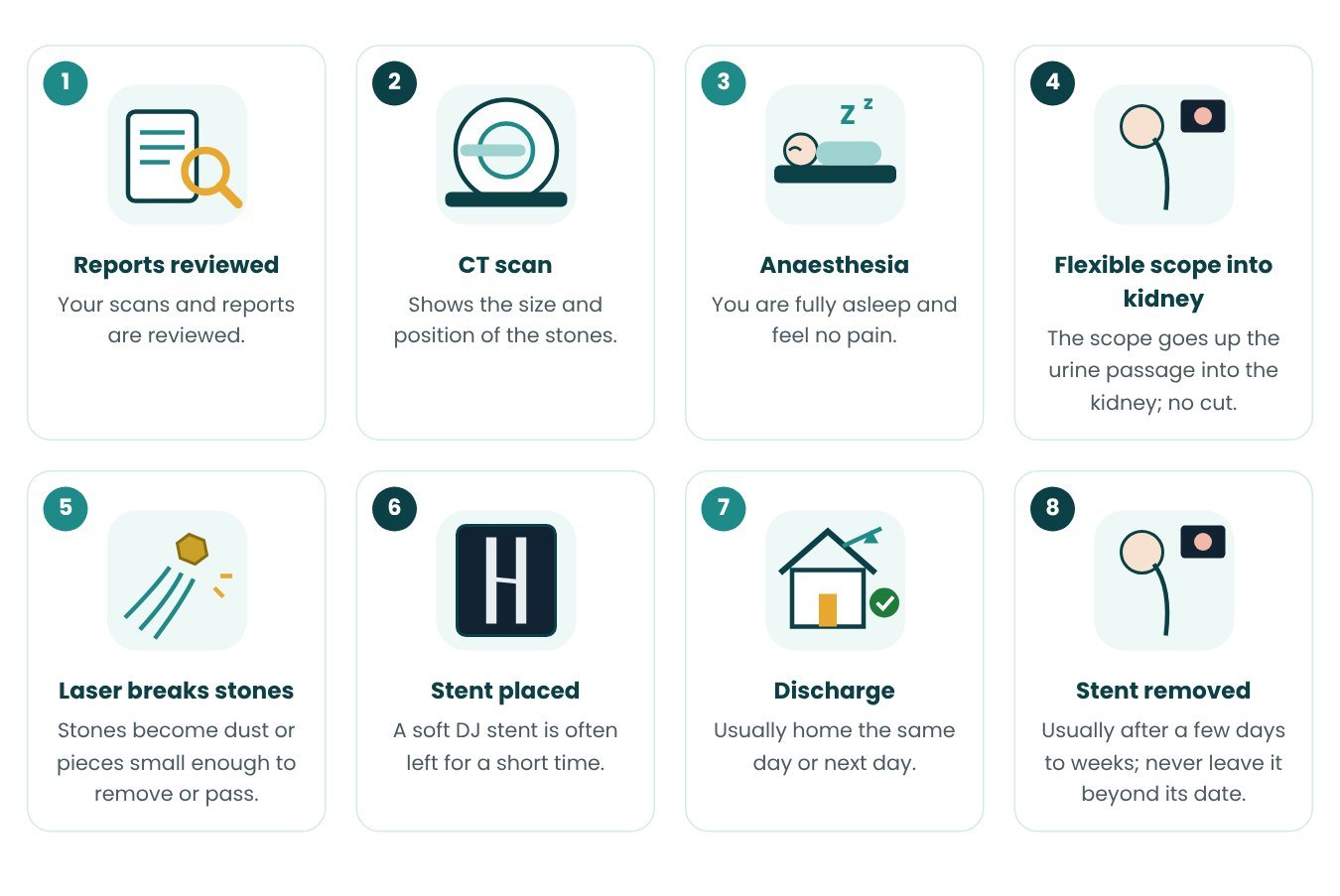
RIRS (retrograde intrarenal surgery), also called flexible ureteroscopy with laser lithotripsy, removes stones without any cut. Under anaesthesia, a very thin flexible telescope is passed through the urethra and bladder, up the ureter and into the kidney. A holmium or thulium fibre laser breaks the stone into fine dust or small pieces, which are removed with a basket or pass out in the urine. A small soft tube (DJ stent) is usually left for 1–3 weeks to help healing.
🖼️ Understand It in Pictures
Healthy kidney vs kidney stone, and after RIRS
👀 Symptoms in Pictures
🩻 Scans & Tests — What Doctors See

🎬 The Treatment Journey in Pictures
📅 Recovery at a Glance
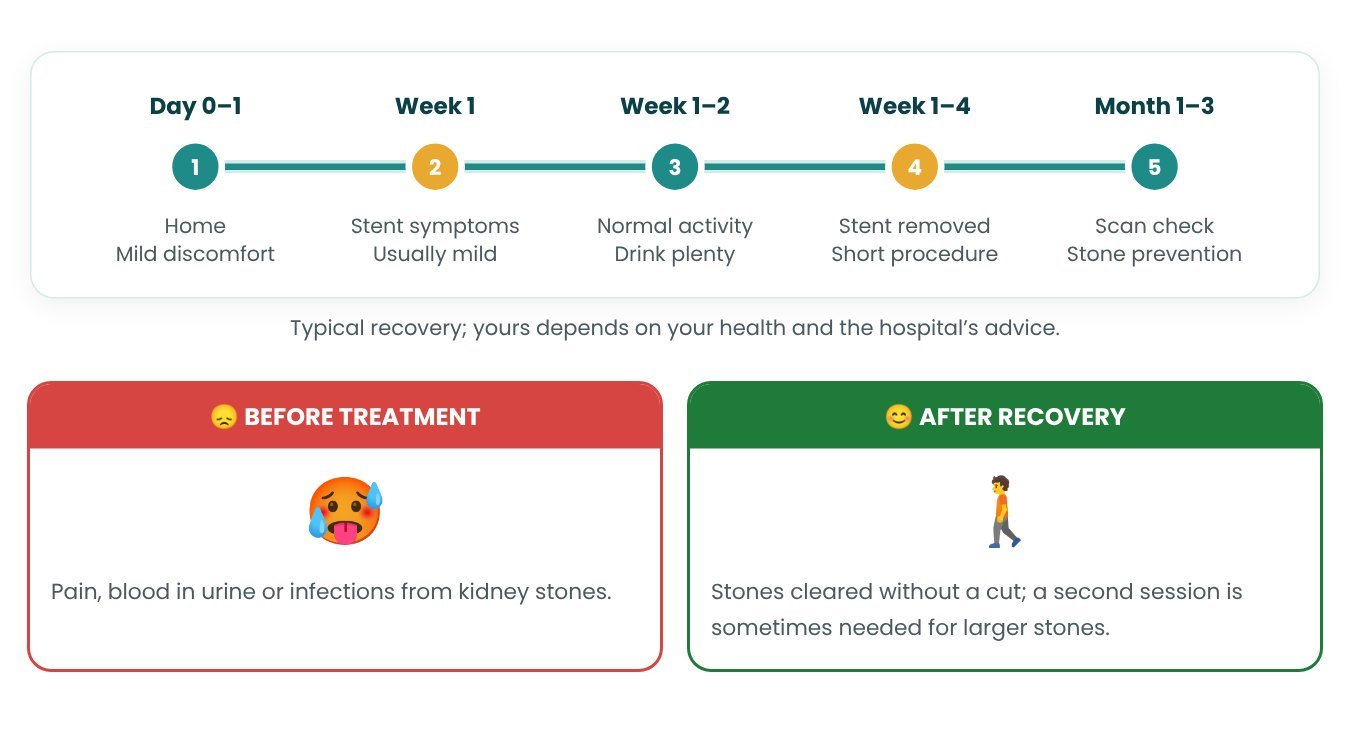
Drawings: Satyug Healthcare (simplified, not to scale). Photos: Wikimedia Commons; author and licence under each photo.
🩺 Conditions Treated
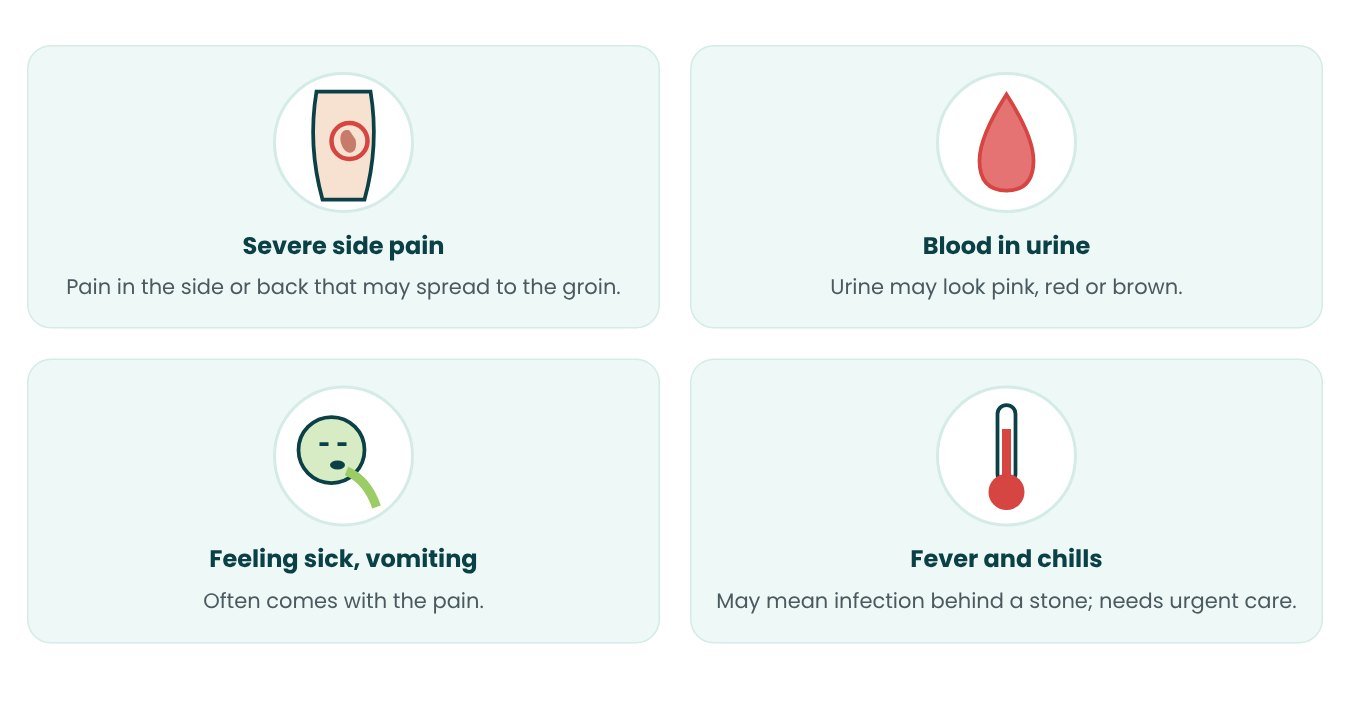
⚠️ Symptoms That May Need Treatment
- ➤Severe pain in the side or back (renal colic)
- ➤Pain spreading to the groin
- ➤Blood in the urine
- ➤Burning or frequent urination
- ➤Nausea and vomiting with pain
- ➤Fever with chills (infection – urgent)
- ➤Cloudy or smelly urine
- ➤Stone seen on ultrasound or CT
🔬 Tests Before Treatment
| Test | Why it is done |
|---|---|
| Non-contrast CT KUB | The best test – shows stone size, number, hardness (HU) and exact location. |
| Ultrasound of kidneys and bladder | Checks for swelling of the kidney (hydronephrosis). |
| Urine routine and culture | Infection must be treated before surgery. |
| Kidney function (creatinine) and blood count | Check kidney health and fitness for anaesthesia. |
| Blood sugar, clotting, ECG | Check overall fitness for anaesthesia. |
| Stone analysis and 24-hour urine (after) | Find out why stones form to prevent new ones. |
🏥 The Procedure — Step by Step

⚖️ Types & Techniques
| Technique | What is done | Best for |
|---|---|---|
| RIRS with holmium laser | Flexible ureteroscope and holmium laser | Most kidney stones up to 2 cm |
| RIRS with thulium fibre laser | Newer laser giving finer dust and faster work | Hard stones; dusting technique |
| Bilateral RIRS (single sitting) | Both kidneys treated in one anaesthesia | Stones in both kidneys |
| ESWL (shock wave lithotripsy) | Shock waves from outside the body break the stone | Small, soft stones under 1 cm |
| Mini-PCNL | Keyhole tube through the back into the kidney | Stones larger than 2 cm or staghorn stones |
📅 Your Day-by-Day Plan in India
| Day | What happens |
|---|---|
| Day 1 | Arrival in India, airport pick-up and hotel check-in |
| Day 2 | Urology consultation, CT KUB, urine culture and blood tests |
| Day 3 | Admission and RIRS laser stone removal |
| Day 4 | Catheter removal and discharge (1–2 days in hospital) |
| Day 5–8 | Hotel rest; drink plenty of water; review X-ray or ultrasound |
| Day 9 | DJ stent removal (if planned before departure) and final review |
| Day 10 | Fly home ✈️ |
🌱 Recovery After Treatment
🏆 Success Rate
| Outcome | Result |
|---|---|
| Stone-free rate (stones under 2 cm) | About 85–95% |
| Need for second session (large/multiple stones) | About 10–15% |
| Major complications | Under 2% |
| Return to normal activity | About 2–3 days |
| Stones coming back within 5–10 years without prevention | About 50% |
Results depend on stone size, number, hardness and location, and on the surgeon's experience. Drinking enough water and following prevention advice reduces the chance of new stones.
🩹 Risks & Possible Complications
RIRS is one of the safest ways to treat kidney stones.
- •Stent discomfort (urgency, frequency, side pain) – common until removal
- •Blood in urine – common for a few days
- •Urinary infection or fever – about 2–10%
- •Leftover stone fragments needing another session – about 10–15%
- •Narrowing of the ureter (stricture) – rare, under 1%
- •Injury to the ureter – rare, about 1%
- •Severe infection (sepsis) – rare, under 1%
💰 Cost of RIRS Laser Stone Removal in India
The cost of RIRS laser kidney stone removal in India starts from about USD 1,800 for one kidney. This package includes the procedure with holmium or thulium laser, surgeon and anaesthesia fees, DJ stent, 1–2 days in hospital and routine medicines. Bilateral RIRS and premium single-use scope options are also available.
| Option / Hospital tier | Approx. cost (USD) | Hospital stay | Notes |
|---|---|---|---|
| Unilateral RIRS with Holmium/Thulium Laser – this package | 1,800 | 1–2 days | Twin sharing |
| Bilateral RIRS (Both Kidneys, Single Sitting) | 2,800 | 2 days | Twin sharing |
| RIRS with Premium Private Room and Single-Use Scope | 3,200 | 2 days | Private room, disposable digital scope |
| Mini-PCNL (stones over 2 cm) | 2,000 – 3,000 | 2–3 days | Keyhole surgery through the back |
📋 What the Package Includes
- ✔RIRS with holmium / thulium laser (one kidney)
- ✔Surgeon and anaesthesia fees
- ✔DJ stent
- ✔1–2 days hospital stay
- ✔Operation theatre and consumables
- ✔Routine medicines and nursing
- ✔Meals for patient
- ✔Airport pick-up, visa letter and interpreter
- ✖Flights and visa fees
- ✖Hotel stay outside hospital
- ✖CT KUB and pre-op tests
- ✖Single-use scope (unless premium option)
- ✖Second session if needed
- ✖DJ stent removal (if done separately)
- ✖Stone analysis and metabolic tests
- ✖Take-home medicines
✈️ Your Medical Travel Process with Satyug Healthcare

| Step | Details |
|---|---|
| 1. Send reports | Non-contrast CT KUB (images and report), kidney ultrasound, serum creatinine, urine culture, and details of any previous stone treatment or stents. |
| 2. Free opinion & quotes | Within 48-72 hours you receive opinions and cost estimates from 3-5 leading hospitals to compare. |
| 3. Choose hospital & doctor | We help you compare doctors, success rates, room options and total budget. |
| 4. Medical visa | The hospital issues a Visa Invitation Letter (VIL) to the Indian Embassy. The patient and up to 2 attendants apply for an e-Medical / Medical Attendant visa. |
| 5. Travel planning | Flight guidance, wheelchair assistance, airport pick-up, hotel or guest house near the hospital. |
| 6. Treatment in India | Your coordinator and interpreter stay with you for admission, treatment, discharge and billing. |
| 7. Return & follow-up | Fit-to-fly letter, medicines, and online follow-up with your doctor after you return home. |
🎒 Travel Checklist
- 📌Valid passport (6+ months) for the patient and attendants, plus 10 passport-size photos each
- 📌Medical visa / e-visa and the hospital’s Visa Invitation Letter
- 📌All CT KUB scans on CD / link, ultrasound, urine and blood reports, and prescriptions
- 📌Yellow fever vaccination certificate (mandatory for travellers from African countries)
- 📌Polio vaccination certificate where applicable
- 📌Declare cash above USD 5,000 at the airport; hospitals accept wire transfer and cards
- 📌Foreigners staying longer than permitted must register with the FRRO — our team assists
⭐ Why Choose Satyug Healthcare?
❓ Frequently Asked Questions
➤ How much does RIRS cost in India?
➤ How long will I stay in hospital?
➤ How long should I stay in India?
➤ Is there any cut or scar?
➤ Is RIRS painful?
➤ What size of stone can RIRS treat?
➤ What is a DJ stent and when is it removed?
➤ Can I fly with a stent?
➤ When can I return to work?
➤ What are the risks?
➤ Will the stones come back?
➤ Can a family member come with me?
➤ What follow-up is needed after I go home?
➤ What if I do not speak English?
Medical disclaimer: This page is for general information and does not replace a consultation with a qualified specialist. Treatment plans and costs are confirmed only after the patient is examined. Sources: NCBI StatPearls: Ureteroscopy; NCBI StatPearls: Nephrolithiasis; EAU Guidelines on Urolithiasis (2023); AUA/Endourological Society Guideline on Surgical Management of Stones (2016); NHS: Kidney stones; Mayo Clinic: Kidney stones. Infographics: Satyug Healthcare.
Frequently Asked Questions
The cost of RIRS laser kidney stone removal in India starts from USD 1800. Unilateral RIRS with Holmium/Thulium Laser: USD 1800; Bilateral RIRS (Both Kidneys, Single Sitting): USD 2800; RIRS with Premium Private Room and Single-Use Scope: USD 3200. The final cost depends on the hospital, room category and medical condition.
RIRS laser kidney stone removal in India from USD 1,800 – no-cut holmium/thulium laser surgery, 1–2 day stay, senior urologists, NABH hospitals, visa help.


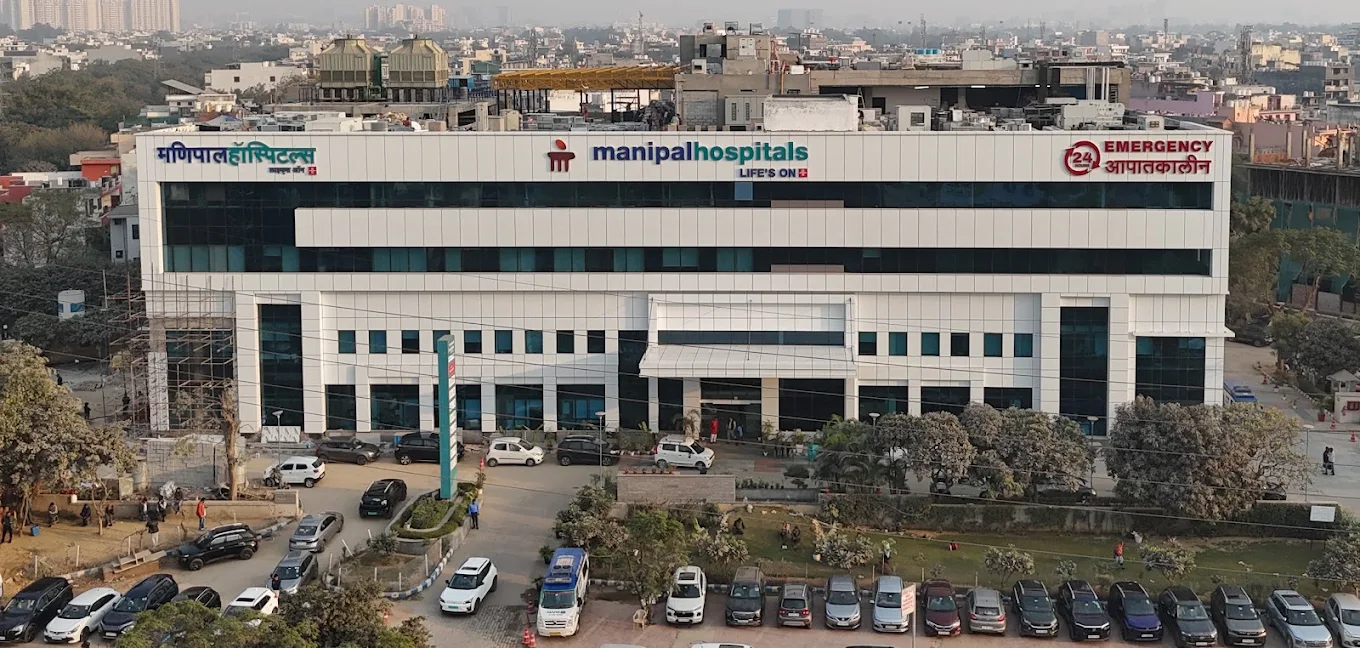
TOP HOSPITALS
Special High-quality Hospitals




HAPPY PATIENTS
What Our Patients Are Saying



























Our Gallery



Get a Free Quote
Tell us what you need and share your medical reports. Our medical team prepares your treatment plan and cost estimate.
- Free medical opinion on your reports
- Your quote within 24–48 hours
- Help with visa invitation letter, travel and airport pickup
- Coordinators available on WhatsApp
Prefer to talk? Call +91-8860606766 or WhatsApp us.
Thank you! Your request is received.
Reference . Our medical team will send your free quote within 24–48 hours by e-mail or WhatsApp.
Chat on WhatsApp now