Radical Cystectomy with Neobladder Package
Assistance
Consultation
Services
Opinion
Care Coordination
What will your treatment cost?

See the cost breakdown by option, hospital and city →
| Surgery Name | Cost | Room | Hospitalization |
|---|---|---|---|
| Radical Cystectomy with Neobladder Package | USD 9500 - USD 12000 | Single | Patient - 7 days stay in a single room. |
✓ Inclusion
- ✔Consultation with a senior uro-oncologist
- ✔Pre-operative tests: blood tests, kidney function, ECG, echocardiogram and chest X-ray
- ✔Radical cystectomy with bilateral pelvic lymph node dissection
- ✔Orthotopic ileal neobladder reconstruction
- ✔Surgeon, assistant surgeon and anaesthesia fees
- ✔Operation theatre, routine consumables, stents and catheters used during surgery
- ✔7 days hospital stay in a single room (including routine ICU/HDU monitoring)
- ✔Nursing care, routine medicines, antibiotics and diet in hospital
- ✔Histopathology report of the bladder and lymph nodes
- ✔Neobladder care and catheter training before discharge
- ✔Free: airport pick-up & drop, visa invitation letter, interpreter & coordinator (Satyug Healthcare)
✗ Exclusion
- ✖PET-CT, MRI or other extra scans
- ✖Neoadjuvant or adjuvant chemotherapy and immunotherapy
- ✖Robotic surgery upgrade
- ✖Blood and blood products
- ✖Extra ICU or hospital days beyond the package
- ✖Treatment of complications or other illnesses
- ✖Catheter removal procedure, cystogram and outpatient visits after discharge
- ✖Medicines and catheter supplies after discharge
- ✖Hotel stay, food, local travel, flights and attendant's expenses
Know More About Procedure & Surgery
Radical Cystectomy with Neobladder Reconstruction in India
Complete bladder removal for muscle-invasive or high-risk bladder cancer, with a new internal bladder made from your own small intestine so you can pass urine through the normal route – by experienced uro-oncologists at accredited Indian cancer centres, at a fraction of Western costs.
📖 What is Radical Cystectomy with Neobladder?
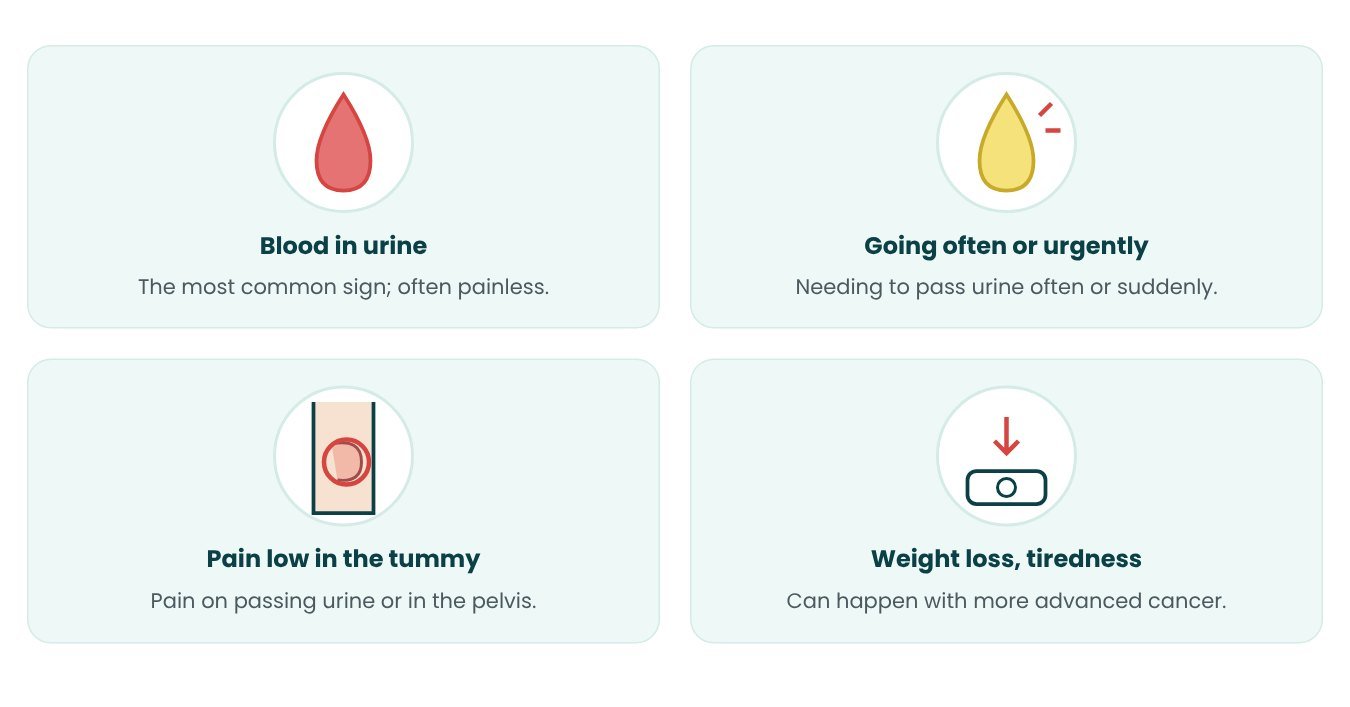
The bladder is a hollow, muscular bag in the lower abdomen that stores urine made by the kidneys. Bladder cancer starts in the inner lining. When it grows into the bladder muscle (muscle-invasive bladder cancer), or when high-risk early cancer keeps coming back despite treatment, removing the whole bladder offers the best chance of cure. Smoking is the biggest risk factor, and blood in the urine is the most common warning sign.
Radical cystectomy removes the bladder together with nearby lymph nodes – in men also the prostate and seminal vesicles, and in women often the uterus and part of the vagina. The surgeon then makes an orthotopic neobladder: about 40–60 cm of small intestine (ileum) is shaped into a pouch and joined to the ureters (tubes from the kidneys) and to the urethra. This lets you pass urine through the normal route without an outside bag. Other names include ileal neobladder and Studer pouch.
🖼️ Understand It in Pictures
Healthy bladder vs bladder cancer, and the new bladder

👀 Symptoms in Pictures
🩻 Scans & Tests — What Doctors See

🎬 The Treatment Journey in Pictures


📅 Recovery at a Glance

Drawings: Satyug Healthcare (simplified, not to scale). Photos: Wikimedia Commons; author and licence under each photo.
🩺 Conditions Treated
⚠️ Symptoms That May Point to Bladder Cancer
- ➤Blood in the urine, visible or on testing
- ➤Burning or pain when passing urine
- ➤Passing urine very often
- ➤Sudden urge to pass urine
- ➤Weak urine stream
- ➤Pain in the lower abdomen or pelvis
- ➤Back or side pain
- ➤Weight loss and tiredness
🔬 Tests Before Treatment
| Test | Why it is done |
|---|---|
| Cystoscopy and TURBT biopsy | Confirms the cancer type, grade and depth of invasion into the muscle. |
| CT urography or CT chest-abdomen-pelvis | Shows the tumour, kidneys, ureters, lymph nodes and any spread. |
| MRI pelvis (mp-MRI) | Helps judge depth of invasion and local spread. |
| PET-CT scan (selected cases) | Looks for spread to lymph nodes or other organs. |
| Kidney and liver function tests | A neobladder needs good kidney function (usually eGFR above about 45–50). |
| Blood tests, ECG, echo and lung function | Check fitness for a long major operation. |
| Urethral biopsy (if needed) | Confirms the urethra is free of cancer before a neobladder is made. |
🏥 The Procedure — Step by Step

⚖️ Types & Techniques
| Technique | What is done | Best for |
|---|---|---|
| Open radical cystectomy + neobladder | Bladder removal and pouch creation through a lower abdominal cut | Most patients; large tumours or previous surgery |
| Robotic radical cystectomy (RARC) | Keyhole removal with robotic arms; neobladder made inside or outside the body | Suitable patients wanting less blood loss and smaller cuts (higher cost) |
| Ileal conduit (urine bag) | Ureters joined to a short bowel segment that opens on the skin into a bag | Older patients, poor kidney function, cancer in the urethra |
| Continent cutaneous pouch | Internal pouch emptied by a catheter through a small skin opening | Patients who cannot have a neobladder but want no outside bag |
| Trimodal bladder-sparing therapy | TURBT followed by chemotherapy and radiotherapy | Selected patients who wish to keep their bladder |
📅 Your Day-by-Day Plan in India
| Day | What happens |
|---|---|
| Day 1 | Arrival in India ✈️, airport pick-up and hotel check-in |
| Day 2–3 | Uro-oncology consultation, review of biopsy slides and scans, fitness tests |
| Day 4 | Admission and preparation |
| Day 5 | Radical cystectomy with neobladder reconstruction 🏥 |
| Day 5–11 | Hospital stay (7 days): ICU monitoring, walking, diet started, drain removal |
| Day 12–20 | Hotel stay with catheter; regular wound and catheter checks; biopsy report discussed |
| Day 21–25 | Pouch X-ray (cystogram), catheter and stent removal, neobladder training |
| Day 26–32 | Bladder training, continence check, kidney blood tests and final review |
| Day 30–35 | Fly home ✈️ |
🌱 Recovery After Treatment
🏆 Success Rate
| Outcome | Result |
|---|---|
| Daytime continence at 1 year | About 85–90% |
| Night-time continence at 1 year | About 70–80% |
| 5-year survival, organ-confined cancer | About 70–85% |
| Need for self-catheterisation | About 10–20% (more in women) |
| Neobladder capacity at 1 year | About 400–500 ml |
Cancer outcomes depend mainly on the stage of the cancer and whether lymph nodes are involved, and are improved by chemotherapy before surgery in suitable patients. Good continence depends on age, sphincter strength and careful pouch training.
🩹 Risks & Possible Complications
Radical cystectomy is a major operation. Complications occur in about half of patients within 90 days, though most are minor and treatable.
- •Slow return of bowel function (ileus) – about 10–20%
- •Urinary tract infection – about 15–25%
- •Night-time leakage of urine – about 20–30% at one year
- •Wound infection or blood loss needing transfusion – common
- •Narrowing where the ureters join the pouch – about 3–10%, may need a stent or repair
- •Metabolic changes (acidosis, low vitamin B12) – monitored with blood tests
- •Erectile dysfunction in men – common, nerve-sparing helps; serious complications and death (about 1–3%) are uncommon
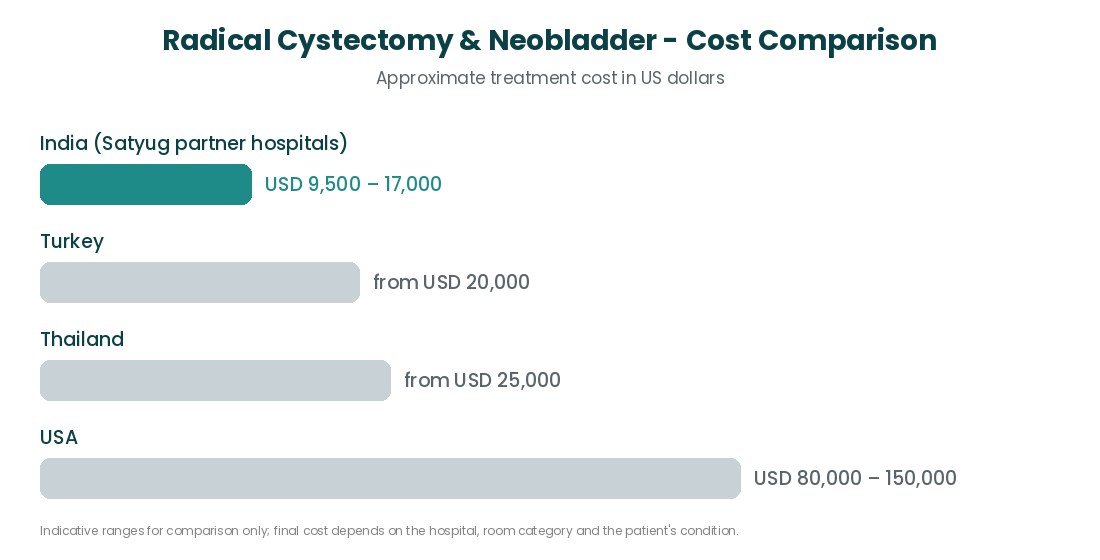
💰 Cost of Radical Cystectomy & Neobladder in India
The cost of radical cystectomy with neobladder reconstruction in India starts from about USD 9,500. This includes the operation, pelvic lymph node dissection, neobladder creation, a 7-day stay in a single room, surgeon and anaesthesia fees, routine medicines and the histopathology report. Robotic surgery, chemotherapy, extra ICU days and PET-CT scans cost extra.
| Option / Hospital tier | Approx. cost (USD) | Hospital stay | Notes |
|---|---|---|---|
| Open radical cystectomy + neobladder (this package) | 9,500 | 7 days, single room | Includes pelvic lymph node dissection |
| Radical cystectomy + ileal conduit | 7,500 – 9,000 | 7–10 days | Urine bag on the abdomen |
| Robotic radical cystectomy + neobladder | 13,000 – 17,000 | 7–10 days, private room | Robotic-assisted keyhole surgery |
| Neoadjuvant chemotherapy (per cycle) | 500 – 1,000 | Day care | Usually 3–4 cycles before surgery |
📋 What the Package Includes
- ✔Radical cystectomy with lymph node removal
- ✔Neobladder reconstruction
- ✔7-day stay in a single room
- ✔Surgeon and anaesthesia fees
- ✔Operation theatre and routine consumables
- ✔Routine medicines and nursing care
- ✔Histopathology (biopsy) report
- ✔Free airport pick-up, visa letter and interpreter
- ✖PET-CT and extra scans
- ✖Chemotherapy or immunotherapy
- ✖Robotic surgery upgrade
- ✖Blood transfusion
- ✖Extra ICU or hospital days
- ✖Catheter supplies after discharge
- ✖Hotel, flights and food
- ✖Attendant's stay and meals
✈️ Your Medical Travel Process with Satyug Healthcare

| Step | Details |
|---|---|
| 1. Send reports | TURBT or biopsy histopathology report (and slides/blocks if available), cystoscopy report, CT urography or CT/MRI scans with images, kidney function (creatinine/eGFR), blood tests, details of any BCG or chemotherapy given, and your full medical history and medicines. |
| 2. Free opinion & quotes | Within 48-72 hours you receive opinions and cost estimates from 3-5 leading hospitals to compare. |
| 3. Choose hospital & doctor | We help you compare doctors, success rates, room options and total budget. |
| 4. Medical visa | The hospital issues a Visa Invitation Letter (VIL) to the Indian Embassy. The patient and up to 2 attendants apply for an e-Medical / Medical Attendant visa. |
| 5. Travel planning | Flight guidance, wheelchair assistance, airport pick-up, hotel or guest house near the hospital. |
| 6. Treatment in India | Your coordinator and interpreter stay with you for admission, treatment, discharge and billing. |
| 7. Return & follow-up | Fit-to-fly letter, medicines, and online follow-up with your doctor after you return home. |
🎒 Travel Checklist
- 📌Valid passport (6+ months) for the patient and attendants, plus 10 passport-size photos each
- 📌Medical visa / e-visa and the hospital’s Visa Invitation Letter
- 📌All biopsy reports, cystoscopy notes, CT/MRI/PET scans on CD / link, kidney tests and prescriptions
- 📌Yellow fever vaccination certificate (mandatory for travellers from African countries)
- 📌Polio vaccination certificate where applicable
- 📌Declare cash above USD 5,000 at the airport; hospitals accept wire transfer and cards
- 📌Foreigners staying longer than permitted must register with the FRRO — our team assists
⭐ Why Choose Satyug Healthcare?
❓ Frequently Asked Questions
➤ How much does radical cystectomy with neobladder cost in India?
➤ What is a neobladder?
➤ Who is suitable for a neobladder?
➤ How long will I stay in hospital and in India?
➤ How do I pass urine with a neobladder?
➤ Will I leak urine?
Medical disclaimer: This page is for general information and does not replace a consultation with a qualified specialist. Treatment plans and costs are confirmed only after the patient is examined. Sources: NCBI StatPearls: Radical Cystectomy; NCBI StatPearls: Bladder Cancer; NHS: Bladder cancer treatment; Mayo Clinic: Cystectomy; Cleveland Clinic: Neobladder; EAU Guidelines on Muscle-invasive and Metastatic Bladder Cancer (2024); AUA/ASCO/SUO Guideline on Non-Metastatic Muscle-Invasive Bladder Cancer (2020); Stein JP et al., J Clin Oncol 2001. Infographics: Satyug Healthcare.
Frequently Asked Questions
A neobladder is meant to last for life. Continence improves gradually over the first months as it stretches and the pelvic muscles strengthen, and night-time control takes longer. Lifelong follow-up checks kidney function, blood chemistry, vitamin B12 and bladder emptying.
Radical cystectomy with neobladder in India from USD 9,500. Bladder cancer surgery by expert uro-oncologists, pass urine normally, free opinion & visa help.


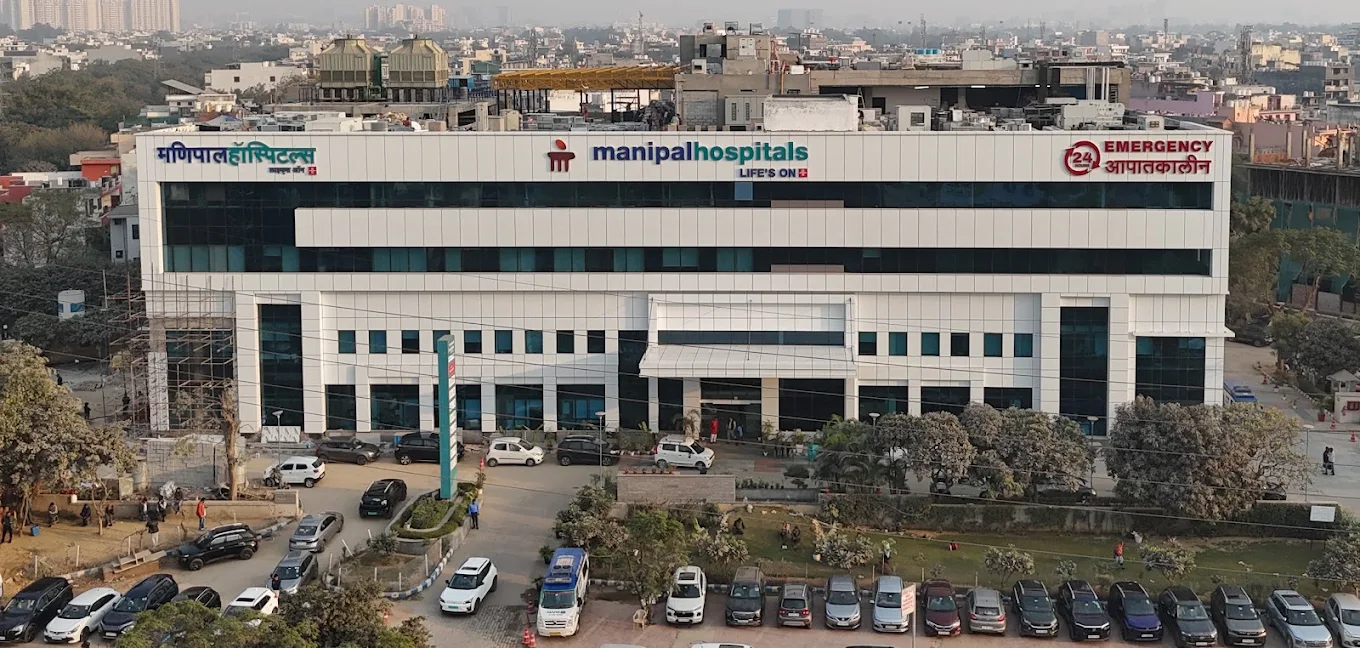
TOP HOSPITALS
Special High-quality Hospitals




HAPPY PATIENTS
What Our Patients Are Saying




























Our Gallery