Priapism Treatment Package
Assistance
Consultation
Services
Opinion
Care Coordination
What will your treatment cost?

| Surgery Name | Cost | Room | Hospitalization |
|---|---|---|---|
| Priapism Treatment Package | $1236 | Single | Patient - 2 days stay in a single room. |
✓ Inclusion
- ✔Consultation with senior urologist / andrologist
- ✔Penile colour Doppler ultrasound
- ✔Routine blood tests including blood count
- ✔Corporal aspiration, irrigation and phenylephrine injection, or distal shunt surgery as advised
- ✔Surgeon and anaesthetist fees
- ✔Operation theatre / procedure room charges and consumables
- ✔2 days stay in a single room
- ✔Routine medicines, pain relief and dressings
- ✔Heart and blood pressure monitoring during treatment
- ✔Written prevention and emergency plan for recurrent priapism
- ✔Meals for the patient as per hospital diet
- ✔Free: airport pick-up & drop, visa invitation letter, interpreter & coordinator (Satyug Healthcare)
✗ Exclusion
- ✖International flights and visa fees
- ✖Hotel stay before admission and after discharge
- ✖Selective arterial embolisation (interventional radiology)
- ✖Proximal shunt or repeat surgery
- ✖Penile prosthesis (implant) surgery
- ✖Haematology treatment, transfusion or exchange transfusion for sickle cell disease
- ✖MRI, angiography and tests not in the package
- ✖Extra hospital days
- ✖Medicines taken home
- ✖Attendant meals and personal expenses
Know More About Procedure & Surgery
Priapism Treatment in India
Planned treatment for recurrent (stuttering) priapism, high-flow priapism and shunt surgery, done by experienced urologists and andrologists at accredited Indian hospitals – with full privacy and at a fraction of Western prices.
📖 What is Priapism?
Priapism is an erection of the penis that lasts more than 4 hours and is not caused by sexual desire, or continues long after it. It is usually painful. The most common type, ischaemic (low-flow) priapism, happens when blood is trapped in the penis and cannot drain out. The trapped blood loses oxygen, and after 24–48 hours the erectile tissue begins to scar, which can cause permanent erectile dysfunction. It is common in men with sickle cell disease and can also follow injections for erectile problems, some medicines or drugs.
Important: an erection lasting more than 4 hours is a medical emergency and must be treated in the nearest hospital straight away – do not wait to travel. This package is for planned care: shunt surgery when first-line treatment has failed, treatment of recurrent (stuttering) priapism, high-flow (non-ischaemic) priapism after an injury, and evaluation of erectile problems after a past episode.
🖼️ Understand It in Pictures
Normal blood flow vs priapism, and after treatment

👀 Symptoms in Pictures

🎬 The Treatment Journey in Pictures

📅 Recovery at a Glance

🩺 Conditions Treated
⚠️ Symptoms That Need Medical Attention
- ➤Erection lasting more than 4 hours
- ➤Painful, rigid shaft with a soft tip (glans)
- ➤Repeated painful night-time erections
- ➤Erection after an injury to the groin or perineum
- ➤Partial painless erection lasting for days
- ➤Erections that do not go away after ejaculation
- ➤Dark or bluish colour of the penis
- ➤Weak erections after a past priapism episode
🔬 Tests Before Treatment
| Test | Why it is done |
|---|---|
| Blood gas test from the penis | Shows if the blood is low in oxygen (ischaemic) or normal (high-flow). |
| Colour Doppler ultrasound of the penis | Checks blood flow and finds any injured artery or fistula. |
| Complete blood count and sickle cell test | Looks for sickle cell disease, leukaemia or other blood disorders. |
| Drug and medicine history / urine toxicology | Finds medicines or drugs that may cause priapism. |
| MRI of the penis (selected cases) | Shows scarring (fibrosis) or damage of erectile tissue. |
| Pudendal angiography | Used for high-flow priapism to locate and block the leaking artery. |
🏥 The Procedure — Step by Step

⚖️ Treatment Options
| Treatment | What is done | Best for |
|---|---|---|
| Aspiration + phenylephrine injection | Blood drained and medicine injected into the penis | First-line for ischaemic priapism |
| Distal shunt (Winter, Ebbehoj, T-shunt, Al-Ghorab) | Channel made between penile shaft tissue and the glans | Ischaemic priapism not settling with injections |
| Proximal shunt (Quackels, Grayhack) | Channel to a nearby penile tissue or vein near the base | When distal shunts fail |
| Selective arterial embolisation | Leaking artery blocked with gel or coils via a catheter | High-flow priapism after injury |
| Medicines for prevention | Tablets such as PDE5 inhibitors (daily low dose) or pseudoephedrine, and sickle cell care | Stuttering priapism |
📅 Your Day-by-Day Plan in India
| Day | What happens |
|---|---|
| Day 1 | Arrival in India, airport pick-up and hotel check-in |
| Day 2 | Andrology consultation, Doppler ultrasound and blood tests |
| Day 3 | Admission and procedure (shunt / embolisation / planned treatment) |
| Day 4 | Observation and discharge after 2 days in a single room |
| Day 5–6 | Hotel rest, wound check and prevention plan review |
| Day 7 | Fly home ✈️ |
🌱 Recovery After Treatment
🏆 Success Rate
| Outcome | Result |
|---|---|
| Aspiration + phenylephrine success (early) | About 65–80% |
| Distal shunt success | About 65–75% |
| Embolisation success (high-flow) | About 75–90% |
| Erectile function kept if treated within 12 h | Most men |
| Erectile dysfunction if ischaemia over 36 h | About 90% |
The most important factor is how quickly ischaemic priapism is treated. High-flow priapism and early-treated cases have a good chance of normal erections. Controlling the cause, such as sickle cell disease or certain medicines, prevents repeat episodes.
🩹 Risks & Possible Complications
Procedures for priapism are generally safe, but outcomes depend on the duration of the episode.
- •Erectile dysfunction – mainly related to how long the priapism lasted
- •Bruising, swelling and pain of the penis
- •Repeat priapism – common in sickle cell disease
- •Infection – uncommon, about 1–3%
- •High blood pressure or fast heartbeat from phenylephrine – heart is monitored
- •Penile shortening or curvature from scarring
- •Rare: urethral injury or skin damage after shunts
💰 Cost of Priapism Treatment in India
The cost of planned priapism treatment in India starts from about USD 1,236. This package includes andrology consultation, Doppler ultrasound, the procedure (aspiration, injection or distal shunt), 2 days in a single room and routine medicines. Arterial embolisation and penile implant surgery are charged separately.
| Option / Hospital tier | Approx. cost (USD) | Hospital stay | Notes |
|---|---|---|---|
| Priapism treatment – this package | 1,236 | 2 days | Single room; aspiration / distal shunt |
| Proximal shunt surgery | 1,500 – 2,200 | 2–3 days | When distal shunt fails |
| Selective arterial embolisation | 2,500 – 3,500 | 1–2 days | High-flow priapism, done by interventional radiologist |
| Penile prosthesis (implant) after priapism | 4,500 – 9,000 | 2–3 days | Malleable or inflatable implant |

📋 What the Package Includes
- ✔Andrology / urology consultation
- ✔Penile Doppler ultrasound
- ✔Aspiration, injection or distal shunt procedure
- ✔Anaesthesia fees
- ✔2 days in a single room
- ✔Routine medicines and dressings
- ✔Meals for patient
- ✔Airport pick-up, visa letter and interpreter
- ✖Flights and visa fees
- ✖Hotel stay outside hospital
- ✖Arterial embolisation
- ✖Penile prosthesis surgery
- ✖Haematology treatment for sickle cell
- ✖Extra hospital days
- ✖MRI and special tests
- ✖Medicines taken home
✈️ Your Medical Travel Process with Satyug Healthcare

| Step | Details |
|---|---|
| 1. Send reports | Details of each priapism episode (date, how long it lasted, treatment given), any penile Doppler or MRI, blood count and sickle cell (Hb electrophoresis) report, and a list of current medicines. |
| 2. Free opinion & quotes | Within 48-72 hours you receive opinions and cost estimates from 3-5 leading hospitals to compare. |
| 3. Choose hospital & doctor | We help you compare doctors, success rates, room options and total budget. |
| 4. Medical visa | The hospital issues a Visa Invitation Letter (VIL) to the Indian Embassy. The patient and up to 2 attendants apply for an e-Medical / Medical Attendant visa. |
| 5. Travel planning | Flight guidance, wheelchair assistance, airport pick-up, hotel or guest house near the hospital. |
| 6. Treatment in India | Your coordinator and interpreter stay with you for admission, treatment, discharge and billing. |
| 7. Return & follow-up | Fit-to-fly letter, medicines, and online follow-up with your doctor after you return home. |
🎒 Travel Checklist
- 📌Valid passport (6+ months) for the patient and attendants, plus 10 passport-size photos each
- 📌Medical visa / e-visa and the hospital’s Visa Invitation Letter
- 📌All Doppler, MRI, blood reports, emergency treatment notes and prescriptions
- 📌Yellow fever vaccination certificate (mandatory for travellers from African countries)
- 📌Polio vaccination certificate where applicable
- 📌Declare cash above USD 5,000 at the airport; hospitals accept wire transfer and cards
- 📌Foreigners staying longer than permitted must register with the FRRO — our team assists
⭐ Why Choose Satyug Healthcare?
❓ Frequently Asked Questions
➤ I have an erection lasting more than 4 hours. Should I travel to India?
➤ How much does priapism treatment cost in India?
➤ How long will I stay in hospital?
➤ How long should I stay in India?
➤ Is the treatment painful?
➤ Will I have normal erections afterwards?
➤ Can recurrent priapism be prevented?
➤ What is a shunt?
➤ When can I have sex again?
➤ What are the risks?
➤ Is my treatment confidential?
➤ Can a family member come with me?
➤ What follow-up is needed after I go home?
➤ What if I do not speak English?
Medical disclaimer: This page is for general information and does not replace a consultation with a qualified specialist. Treatment plans and costs are confirmed only after the patient is examined. Sources: NCBI StatPearls: Priapism; AUA/SMSNA Guideline on Acute Ischemic Priapism (2021/2022); EAU Guidelines on Sexual and Reproductive Health – Priapism; Mayo Clinic: Priapism; NHS: Priapism. Infographics: Satyug Healthcare.
Frequently Asked Questions
- Therapies. Excess blood is drained from your penis using a small needle and syringe (aspiration).
- Medications. A sympathomimetic medication, such as phenylephrine, might be injected into the penis.
- Surgical or other procedures.
Priapism treatment in India from USD 1,236 – shunt surgery & care for recurrent priapism by senior andrologists, 2-day private stay, confidential care, visa help.







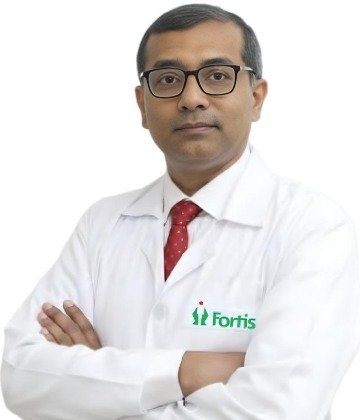
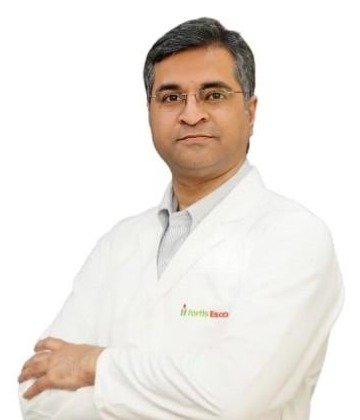
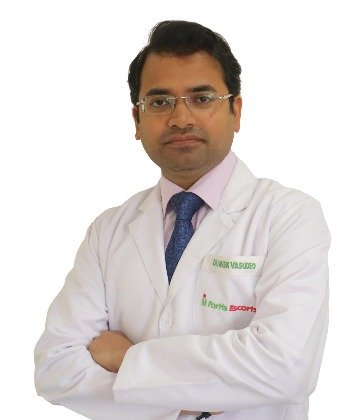
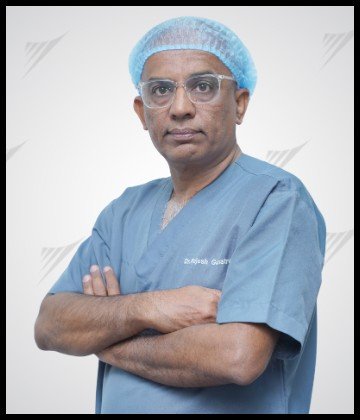











![Dr. Mithilesh Yadav [MBBS, MS, MCh - Urology] - Doctor at Satyug Healthcare](https://satyughealthcare.com/uploads/doctors/7cb73de23766d100e6ab6a857cf4d406.jpg)











































































































































































































































































































































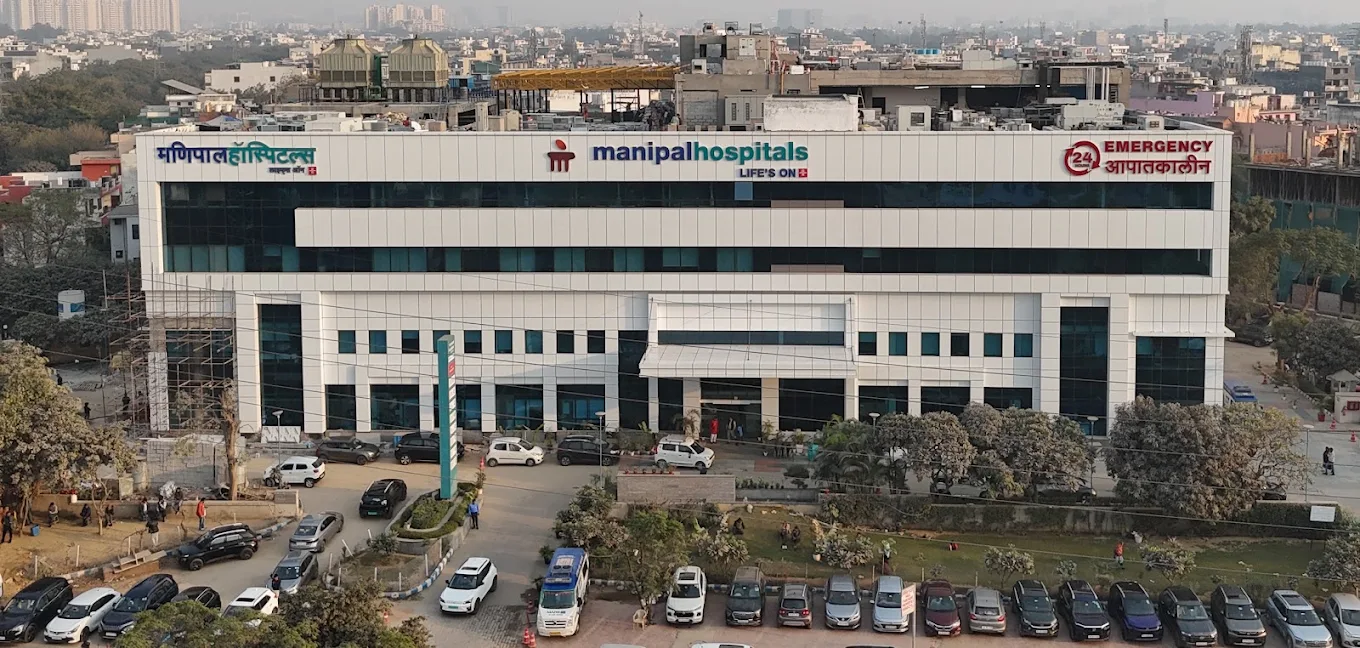
TOP HOSPITALS
Special High-quality Hospitals


HAPPY PATIENTS
What Our Patients Are Saying
























Our Gallery