VATS Lobectomy - Economy Room
Assistance
Consultation
Services
Opinion
Care Coordination
What will your treatment cost?

| Surgery Name | Cost | Room | Hospitalization |
|---|---|---|---|
| VATS Lobectomy - Economy Room | 8900 USD | Economy / Twin Sharing / Single Room | 6-7 days in hospital; total stay in India 2-3 weeks |
| VATS Lobectomy - Economy Room | 8900 USD | Economy | 6-7 days hospital |
| VATS Lobectomy - Twin Sharing Room | 11700 USD | Twin Sharing | 6-7 days hospital |
| VATS Lobectomy - Single Room | 12900 USD | Single Room | 6-7 days hospital |
✓ Inclusion
- VATS lobectomy with lymph node dissection by a senior thoracic surgeon
- Surgeon, assistant surgeon and anaesthetist fees and operation theatre charges
- Room rent for 6-7 days in the selected room category, including ICU/HDU monitoring after surgery
- Consultations by the primary treating team during the package days
- Basic investigations during admission, including routine blood tests and post-operative chest X-rays
- Routine pharmacy, consumables, chest drain care and chest physiotherapy
- Patient food during the hospital stay
- Dedicated Satyug Healthcare coordinator, visa invitation letter and airport assistance
✗ Exclusion
- Flights, visa fees and travel insurance
- Hotel / guest-house stay outside the hospital and food for attendants
- Pre-existing illness treatment, additional procedures or devices not mentioned in inclusions
- Extra hospital days, ICU stay or complications beyond the package
- Blood and blood products, special high-cost drugs and medicines after discharge
- Pre-procedure investigations done outside the package (if any)
Know More About Procedure & Surgery
Lung Cancer Treatment in India
Lung cancer is one of the most common cancers worldwide, but when it is found at an early or operable stage it can often be treated with the aim of cure. India's leading cancer hospitals offer the full range of lung cancer treatment - minimally invasive (VATS and robotic) lung surgery, chemotherapy, targeted therapy, immunotherapy and precision radiotherapy - under one roof. Treatment is planned by a multidisciplinary tumour board of thoracic surgeons, medical oncologists and radiation oncologists in NABH and JCI-accredited hospitals. Our package covers surgical removal of the affected lobe, and Satyug Healthcare arranges your medical visa, travel, accommodation and follow-up with your doctors back home.
Cost of lung cancer treatment in India starts from USD 8900 at leading JCI / NABH accredited hospitals. 6-7 days in hospital; total stay in India 2-3 weeks.
| Package | Cost (USD) | Room | Hospital stay |
|---|---|---|---|
| VATS Lobectomy - Economy Room | 8900 USD | Economy | 6-7 days hospital |
| VATS Lobectomy - Twin Sharing Room | 11700 USD | Twin Sharing | 6-7 days hospital |
| VATS Lobectomy - Single Room | 12900 USD | Single Room | 6-7 days hospital |
Final cost depends on the hospital, room category, doctor, implants/medicines used and the patient's medical condition. Share your reports with Satyug Healthcare for a free written estimate.
About the Procedure
- Lung cancer is broadly divided into non-small cell lung cancer (NSCLC), which accounts for most cases and includes adenocarcinoma and squamous cell carcinoma, and small cell lung cancer (SCLC), which grows faster and is usually treated with chemotherapy and radiotherapy.
- For early-stage NSCLC, the standard operation is a lobectomy - removal of the lobe of the lung containing the tumour together with nearby lymph nodes. Smaller procedures (segmentectomy or wedge resection) or a larger one (pneumonectomy) may be chosen depending on tumour size, location and lung function.
- VATS (video-assisted thoracoscopic surgery) performs the lobectomy through a few small incisions using a camera, which generally means less pain, a shorter hospital stay and faster recovery than open thoracotomy. Robotic lobectomy is available in selected centres.
- Many patients need treatment beyond surgery: chemotherapy before or after the operation, targeted therapy for tumours with mutations such as EGFR, ALK or ROS1, and immunotherapy drugs that help the immune system attack cancer cells.
- Radiotherapy, including SBRT (stereotactic body radiotherapy) for small tumours in patients unfit for surgery and IMRT/IGRT for locally advanced disease, is an effective alternative or addition to surgery.
- Molecular testing of the biopsy tissue is now an essential part of planning, because the results decide whether targeted tablets or immunotherapy are likely to work.
Purpose of the Procedure
- To remove the tumour completely with clear margins in early-stage (stage I-II and selected stage III) non-small cell lung cancer, giving the best chance of long-term cure.
- To remove and examine the lymph nodes in the chest so that the cancer can be accurately staged and further treatment planned.
- To shrink or control tumours that cannot be removed, using chemotherapy, targeted therapy, immunotherapy or radiotherapy.
- To reduce the risk of the cancer coming back through adjuvant (post-operative) treatment where it is indicated.
- To relieve symptoms such as cough, breathlessness, bleeding or chest pain in advanced disease and improve quality of life.
- To provide a clear, coordinated plan through a multidisciplinary tumour board so that each patient receives the right sequence of treatments.
Diagnosis and Tests Before the Procedure
- Consultation with the thoracic surgeon and medical oncologist, with review of all previous scans, biopsy reports and treatment records.
- Contrast CT scan of the chest to define the size and position of the tumour and its relationship to blood vessels and airways.
- Whole-body PET-CT scan to check lymph nodes and detect any spread to other organs.
- MRI of the brain in selected patients, as lung cancer can spread to the brain.
- Biopsy - CT-guided needle biopsy, bronchoscopy or EBUS-TBNA (endobronchial ultrasound) - to confirm the diagnosis and sample lymph nodes; review of existing biopsy blocks and slides if already done.
- Molecular and biomarker testing (EGFR, ALK, ROS1, PD-L1 and others) to guide targeted therapy or immunotherapy.
- Pulmonary function tests (spirometry, DLCO) and sometimes a stress test to confirm you can safely tolerate removal of part of the lung.
- Pre-anaesthesia check-up with blood tests, ECG and echocardiography, followed by a tumour board discussion to finalise the treatment plan.
Step-by-Step Procedure
- After evaluation and tumour board review, you are admitted a day before surgery for final checks, consent and breathing exercises with the physiotherapist.
- The operation is performed under general anaesthesia with a special breathing tube that allows the lung being operated on to be deflated.
- You lie on your side and the surgeon makes two to four small incisions between the ribs to insert a thoracoscope (camera) and instruments.
- The blood vessels and airway (bronchus) supplying the affected lobe are carefully divided and sealed, usually with surgical staplers.
- The lobe containing the tumour is removed in a protective bag, and the lymph nodes in the chest are removed or sampled for staging.
- One or two chest drains are placed to remove air and fluid, and the incisions are closed; the operation usually takes 2-4 hours.
- You are monitored in the ICU or high-dependency unit for the first day, then moved to your room, where you start walking and breathing exercises early.
- Chest drains are removed once air leak and drainage settle, typically within 2-5 days, and a chest X-ray is taken.
- You are discharged with medicines and a breathing programme; the final histopathology report is discussed at the tumour board to decide whether chemotherapy, targeted therapy or radiotherapy is needed.
Risks and Possible Complications
- Prolonged air leak from the lung surface, which may keep the chest drain in for a few extra days.
- Chest infection or pneumonia after surgery, reduced by early mobilisation and chest physiotherapy.
- Bleeding, which occasionally requires blood transfusion or further surgery.
- Irregular heartbeat (atrial fibrillation), usually temporary and treated with medicines.
- Pain or numbness around the incision sites, which settles over weeks to months.
- Shortness of breath on exertion, depending on how much lung is removed and how healthy the remaining lung is.
- Blood clots in the legs or lungs and general anaesthetic risks, minimised by preventive measures.
- Side effects of chemotherapy, targeted therapy, immunotherapy or radiotherapy if these are needed, such as fatigue, low blood counts, skin changes or inflammation.
Your specialist will explain the risks specific to your condition. Choosing an experienced, high-volume hospital keeps complication rates low.
Recovery and Aftercare
- Most patients walk on the first day after surgery and are discharged within 5-7 days of a VATS lobectomy.
- Breathing exercises with an incentive spirometer and regular walking are essential to help the remaining lung expand fully.
- Mild chest discomfort and tiredness are common for 2-4 weeks; most people return to light activities within a month.
- Avoid heavy lifting and strenuous activity for about 4-6 weeks after surgery.
- International patients are usually fit to fly about 2 weeks after discharge, once the surgeon confirms on a chest X-ray that there is no air or fluid left in the chest.
- If adjuvant chemotherapy or targeted therapy is advised, it usually starts 4-8 weeks after surgery and can often be continued in your home country under the guidance of your Indian oncologist.
- Regular follow-up CT scans (typically every 3-6 months for the first two years) are recommended, and Satyug Healthcare can arrange remote reviews with your treating doctor.
Why Choose India for Lung cancer treatment?
- JCI and NABH accredited hospitals with the latest medical technology
- Highly experienced specialists, many trained in the USA, UK and Europe
- Cost 60-80% lower than the USA, UK, Gulf countries and Singapore, with the same international-standard care
- No waiting lists - treatment can usually be scheduled within days of arrival
- Free end-to-end support from Satyug Healthcare: opinions, visa letter, airport pickup, interpreter and accommodation
Step-by-Step Process to Travel to India for Treatment
- Share your reports - send your latest reports, scans/CD, angiography or echo films and passport copy to Satyug Healthcare on WhatsApp (+91-8860606766 / +91-9910655125) or email.
- Free medical opinion & cost estimate - within 24-72 hours we share opinions and written cost estimates from 2-3 JCI/NABH-accredited hospitals and specialists.
- Choose hospital & doctor - compare doctor experience, hospital, room category and total cost; we help you decide with no extra charge.
- Visa Invitation Letter (VIL) - the hospital issues a VIL for the patient and up to two attendants; we arrange it within 24-48 hours.
- Apply for Indian e-Medical Visa - apply online for the e-Medical Visa (patient) and e-Medical Attendant Visa (family) using the VIL; most approvals come in 3-5 working days.
- Book flights & accommodation - we suggest flights and arrange a guest house, service apartment or hotel near the hospital to suit your budget.
- Free airport pickup - our representative receives you at the airport and takes you to your hotel or directly to the hospital.
- Hospital admission & treatment - a dedicated coordinator and language interpreter stay with you for registration, tests, doctor consultations, the procedure and billing.
- Discharge & follow-up - you receive the discharge summary, prescriptions and fitness-to-fly certificate; follow-up checks are done before you fly.
- Return home & tele-follow-up - we arrange airport drop and stay connected for online follow-up consultations with your doctor in India.
Contact Satyug Healthcare - International Patient Helpdesk: +91-8860606766 | +91-9910655125 (WhatsApp available) for a free medical opinion and cost estimate.
Frequently Asked Questions
The cost of lung cancer treatment in India starts from USD 8900. VATS Lobectomy - Economy Room: USD 8900; VATS Lobectomy - Twin Sharing Room: USD 11700; VATS Lobectomy - Single Room: USD 12900. The final cost depends on the hospital, room category and medical condition.
Lung Cancer Treatment Cost in India starts from USD 8900 at JCI/NABH hospitals. Procedure, purpose, tests, risks, recovery and travel steps. Free opinion from Satyug Healthcare.


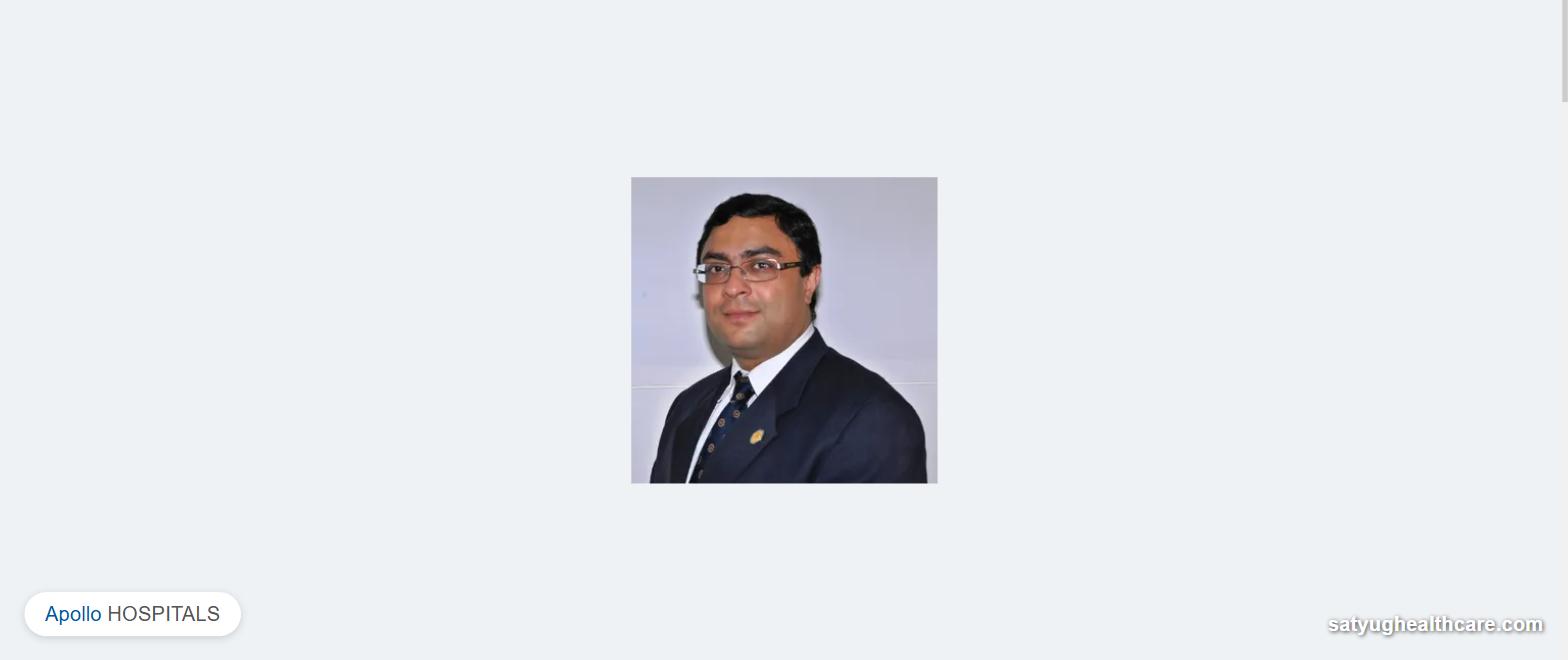
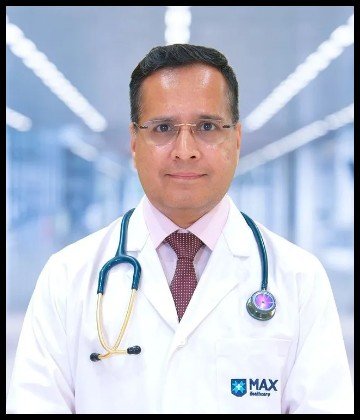
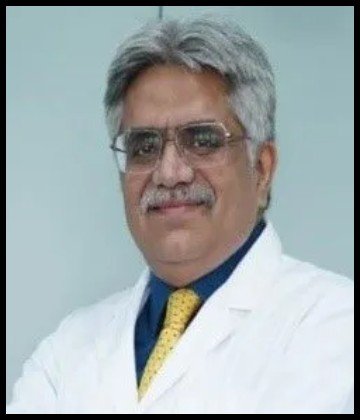
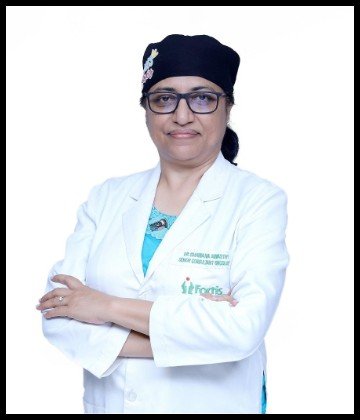
![Dr. Amit Bhargava [MBBS, Diploma - Radiology Therapy, DNB - Oncology] - Doctor at Satyug Healthcare](https://satyughealthcare.com/uploads/doctors/405437761717.webp)










































































TOP HOSPITALS
Special High-quality Hospitals


HAPPY PATIENTS
What Our Patients Are Saying



















Our Gallery