Fibula Fracture Surgery Package
Assistance
Consultation
Services
Opinion
Care Coordination
What will your treatment cost?

| Surgery Name | Cost | Room | Hospitalization |
|---|---|---|---|
| Fibula Fracture Surgery Package | 4500 | Single | Patient - 4 days stay in a single room. |
✓ Inclusion
- ✔Consultation with orthopaedic trauma / foot & ankle surgeon
- ✔Pre-anaesthesia check-up and routine pre-operative blood tests
- ✔Open reduction and internal fixation (ORIF) of the fibula fracture
- ✔Standard plate and screw implants
- ✔Surgeon, assistant and anaesthetist fees (spinal or general anaesthesia)
- ✔Operation theatre and C-arm (live X-ray) charges
- ✔4 days stay in a single room with nursing care and diet
- ✔Standard medicines, IV fluids and blood-thinner during stay
- ✔Physiotherapy and walking training during admission
- ✔Post-operative X-ray and dressings
- ✔Discharge summary and rehabilitation plan
- ✔Free: airport pick-up & drop, visa invitation letter, interpreter & coordinator (Satyug Healthcare)
✗ Exclusion
- ✖CT scan, MRI or Doppler before surgery
- ✖Premium locking plates, TightRope or extra implants
- ✖Bone graft or bone substitute
- ✖Hotel accommodation before and after admission
- ✖Physiotherapy after discharge
- ✖Walking boot, crutches and walker
- ✖Extra hospital days or ICU care due to complications
- ✖Take-home medicines
- ✖Flights, visa fees and travel insurance
Know More About Procedure & Surgery
Fibula & Ankle Fracture Surgery (ORIF) in India
Surgical fixation of displaced fibula and ankle fractures, including old or badly joined (malunited) fractures, by experienced orthopaedic trauma surgeons at leading Indian hospitals – with physiotherapy to get you walking again.
📖 What is a Fibula Fracture?
The fibula is the thin bone on the outer side of the lower leg. It runs next to the larger shin bone (tibia) from the knee down to the ankle, where its lower end forms the bony bump on the outside of the ankle (lateral malleolus). The fibula carries only a small part of body weight, but at the ankle it is very important for keeping the ankle joint stable. A fracture can happen from a twisting ankle injury, a fall, a sports injury or a road accident.
Many simple fibula fractures heal in a cast or walking boot. But when the bone pieces have moved (displaced), the ankle joint is unstable, both ankle bones are broken (bimalleolar or trimalleolar fracture), or the fracture has joined in a wrong position, surgery is needed. The usual operation is ORIF – open reduction and internal fixation: the surgeon puts the bone back in place and holds it with a metal plate and screws. If the ligament joining the tibia and fibula (syndesmosis) is torn, extra screws or a TightRope device are used.
🖼️ Understand It in Pictures
Healthy vs broken fibula

👀 Symptoms in Pictures

🎬 The Treatment Journey in Pictures

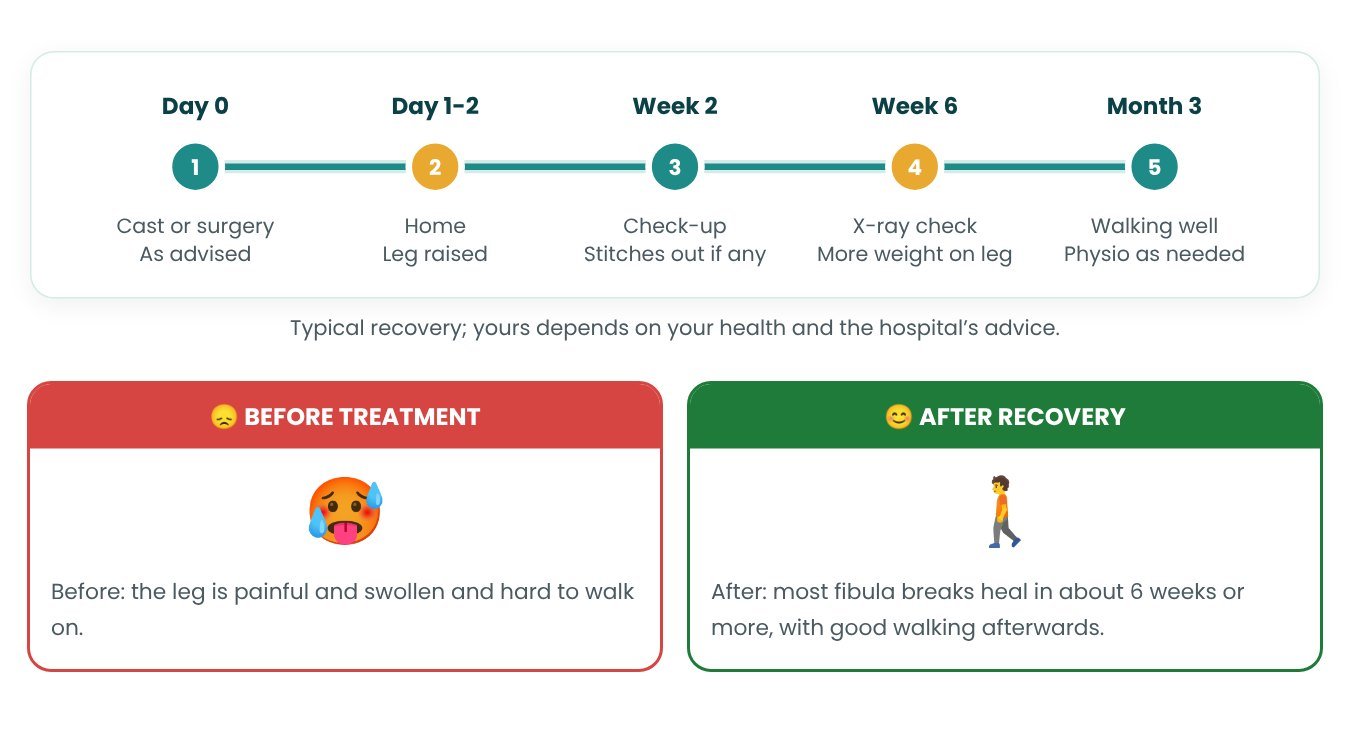
📅 Recovery at a Glance
🩺 Conditions Treated
⚠️ Symptoms That May Need Surgery
- ➤Severe pain on the outside of the leg or ankle
- ➤Swelling and bruising around the ankle
- ➤Unable to put weight on the leg
- ➤Visible deformity of the ankle
- ➤Ankle feels loose or gives way
- ➤Pain that is not improving in a cast
- ➤Limp months after an old fracture
- ➤Numbness or tingling in the foot
🔬 Tests Before Treatment
| Test | Why it is done |
|---|---|
| X-rays of ankle and leg (3 views) | Show the fracture pattern and whether the ankle joint is lined up. |
| Stress / weight-bearing X-ray | Shows whether the ankle is stable or the joint gap widens. |
| CT scan of the ankle | Gives a 3D picture for complex, old or trimalleolar fractures. |
| MRI (selected cases) | Checks ligament and cartilage injury. |
| Doppler scan of the leg | Rules out blood clots (DVT) in patients who have been immobile. |
| Blood tests, sugar, ECG | Check fitness for anaesthesia; diabetes affects wound and bone healing. |
🏥 The Procedure — Step by Step

⚖️ Types & Techniques
| Technique | What is done | Best for |
|---|---|---|
| Cast / walking boot | No surgery; 6–8 weeks of immobilisation | Stable, non-displaced fractures |
| ORIF with plate & screws (this package) | Bone realigned and fixed with plate and screws | Displaced or unstable ankle fractures |
| Syndesmosis fixation (screw / TightRope) | Tibia and fibula held together while ligament heals | Syndesmosis tear with fracture |
| Intramedullary fibula nail | Rod placed inside the fibula through a small cut | Elderly, diabetic or poor skin condition |
| Corrective osteotomy & bone graft | Bone cut and re-fixed in the right position | Malunion or non-union |
📅 Your Day-by-Day Plan in India
| Day | What happens |
|---|---|
| Day 1 | Arrival in India, airport pick-up, hotel check-in |
| Day 2 | Consultation, X-ray/CT and pre-operative tests |
| Day 3 | Admission and fibula fracture surgery (ORIF) |
| Day 4–6 | Hospital recovery in a single room; physiotherapy and walking with support |
| Day 6 | Discharge from hospital (4-day stay) |
| Day 7–13 | Rest at hotel; physiotherapy sessions and wound check |
| Day 14–16 | Stitch removal and check X-ray |
| Day 17 | Fly home ✈️ (with crutches and wheelchair assistance at the airport) |
🌱 Recovery After Treatment
🏆 Success Rate
| Outcome | Result |
|---|---|
| Bone union after ORIF | About 90–95% |
| Return to walking without aids | Most patients by 8–12 weeks |
| Good to excellent ankle function at 1 year | About 80–90% |
| Wound complications | About 3–5% |
| Plate removal needed later | About 10–20% (for irritation) |
Results are best when the ankle joint is lined up exactly, swelling is controlled, the patient does not smoke, diabetes is well controlled and physiotherapy is followed. Old fractures (malunion) take longer to recover.
🩹 Risks & Possible Complications
ORIF of the fibula is a common operation with good results, but some risks exist.
- •Swelling of the ankle for several months (common)
- •Plate or screw irritation under the skin – about 10–20% need later removal
- •Wound healing problems or infection – about 3–5% (higher in diabetics and smokers)
- •Numbness on the top of the foot from nerve irritation (superficial peroneal nerve)
- •Blood clots in the leg (DVT) – prevented with blood thinners and early movement
- •Stiffness of the ankle
- •Delayed healing, non-union or later ankle arthritis (uncommon)
💰 Cost of Fibula Fracture Surgery in India
The cost of fibula fracture treatment (ORIF) in India starts from about USD 4,500. This includes surgery, implants (standard plate and screws), anaesthesia, a 4-day stay in a single room, medicines and physiotherapy during the stay.
| Option / Hospital tier | Approx. cost (USD) | Hospital stay | Notes |
|---|---|---|---|
| Fibula / ankle fracture ORIF (this package) | 4,500 | 4 days – single room | Standard plate & screws |
| Bi/trimalleolar fracture with syndesmosis fixation | 5,000 – 6,500 | 4–5 days | TightRope or extra screws |
| Malunion correction with bone graft | 6,000 – 8,000 | 5–6 days | Old, badly healed fractures |
| Conservative care (cast / boot, OPD) | 300 – 600 | No admission | Stable fractures; X-rays and boot |

📋 What the Package Includes
- ✔Orthopaedic surgeon & anaesthetist fees
- ✔Standard plate & screw implants
- ✔Operation theatre & C-arm X-ray
- ✔4 days single-room stay
- ✔Physiotherapy during admission
- ✔Standard medicines & dressings
- ✔Free airport pick-up & coordinator
- ✖CT/MRI before surgery
- ✖Premium implants or TightRope
- ✖Bone graft or substitute
- ✖Hotel stay after discharge
- ✖Physiotherapy after discharge
- ✖Walking boot, crutches
- ✖Flights & visa fees
✈️ Your Medical Travel Process with Satyug Healthcare

| Step | Details |
|---|---|
| 1. Send reports | X-rays of the ankle and leg (front, side and mortise views), CT scan if done, date and type of injury, any previous treatment or operation notes, and photos of the leg and skin. |
| 2. Free opinion & quotes | Within 48-72 hours you receive opinions and cost estimates from 3-5 leading hospitals to compare. |
| 3. Choose hospital & doctor | We help you compare doctors, success rates, room options and total budget. |
| 4. Medical visa | The hospital issues a Visa Invitation Letter (VIL) to the Indian Embassy. The patient and up to 2 attendants apply for an e-Medical / Medical Attendant visa. |
| 5. Travel planning | Flight guidance, wheelchair assistance, airport pick-up, hotel or guest house near the hospital. |
| 6. Treatment in India | Your coordinator and interpreter stay with you for admission, treatment, discharge and billing. |
| 7. Return & follow-up | Fit-to-fly letter, medicines, and online follow-up with your doctor after you return home. |
🎒 Travel Checklist
- 📌Valid passport (6+ months) for the patient and attendants, plus 10 passport-size photos each
- 📌Medical visa / e-visa and the hospital’s Visa Invitation Letter
- 📌All X-ray and CT images (on CD / link or clear photos), injury details, operation notes and prescriptions
- 📌Yellow fever vaccination certificate (mandatory for travellers from African countries)
- 📌Polio vaccination certificate where applicable
- 📌Declare cash above USD 5,000 at the airport; hospitals accept wire transfer and cards
- 📌Foreigners staying longer than permitted must register with the FRRO — our team assists
⭐ Why Choose Satyug Healthcare?
❓ Frequently Asked Questions
➤ How much does fibula fracture surgery cost in India?
➤ Do all fibula fractures need surgery?
➤ How long is the hospital stay?
➤ How long do I need to stay in India?
➤ Is it safe to fly after the surgery?
➤ When can I put weight on my leg?
➤ How long does the bone take to heal?
➤ Will the plate be removed later?
➤ Is the surgery painful?
➤ When can I return to work?
➤ Can old or wrongly healed fractures be fixed?
➤ Is it safe for diabetic or elderly patients?
➤ Can a family member come with me?
➤ What follow-up is needed after I go home?
Medical disclaimer: This page is for general information and does not replace a consultation with a qualified specialist. Treatment plans and costs are confirmed only after the patient is examined. Sources: NCBI StatPearls: Fibula Fracture; NCBI StatPearls: Ankle Fracture; AO Foundation Surgery Reference: Malleoli; NHS: Broken ankle; Cleveland Clinic: Fibula fracture; American Academy of Orthopaedic Surgeons (OrthoInfo): Ankle fractures. Infographics: Satyug Healthcare.
Frequently Asked Questions
Fibular grafting is a common procedure in orthopedic practice. The conventional technique of harvesting fibular graft by long incision results in increased morbidity and a long scar, weakness of extensor hallucis longus and ankle instability particularly when the required graft is long and extended into distal third.
Fibula & ankle fracture surgery (ORIF) in India from USD 4,500 with 4-day single-room stay. Expert trauma surgeons, JCI hospitals, free opinion in 48 h.

















































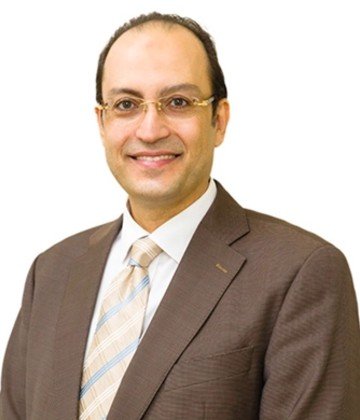
![Dr. Nishant Soni [MBBS, MS - Orthopaedics, Fellowship - Hand & Microvascular Surgery] - Doctor at Satyug Healthcare](https://satyughealthcare.com/uploads/doctors/cd32f1fcb1038165bdaa6ae4e69dca8d.jpg)


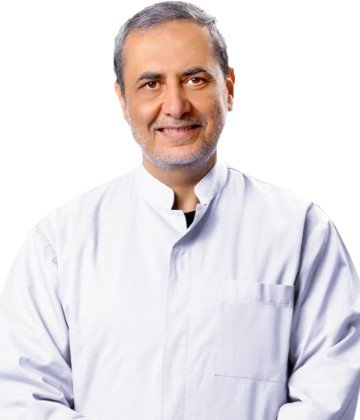
![Dr. Anchit Uppal [MBBS, DNB, MCh - Orthopaedics] - Doctor at Satyug Healthcare](https://satyughealthcare.com/uploads/doctors/75c864bbdbb02e423c0d853d7545afba.jpg)













































































































































































































































































































































































































































































































































































































































































































































































































































TOP HOSPITALS
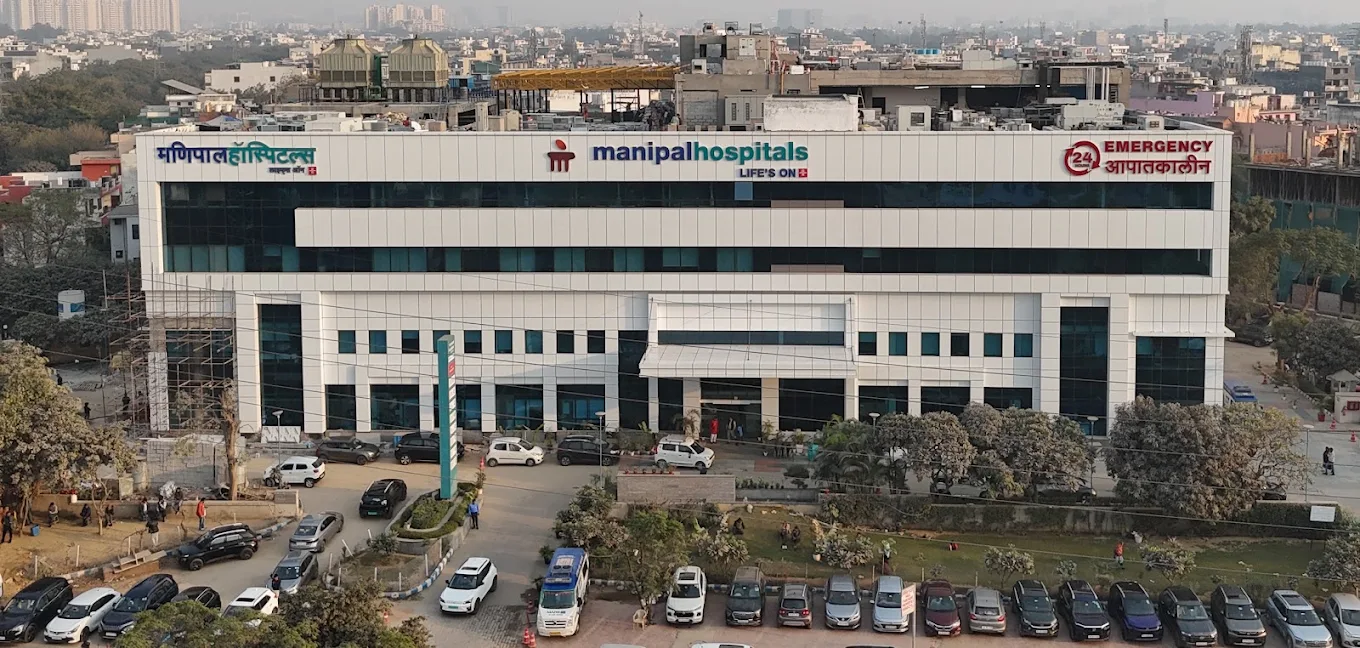
Special High-quality Hospitals




HAPPY PATIENTS
What Our Patients Are Saying




















Our Gallery