| Surgery Name | Cost | Room | Hospitalization |
|---|---|---|---|
| HEARTMATE 3 LVAD surgery | 1,10,000 USD | Private | 21-28 days in Hospital and Stay 2 Months in India |
🇮🇳 Medical Package — India
World-class treatment • NABH & JCI Accredited Hospitals • Save up to 80% vs USA/UK
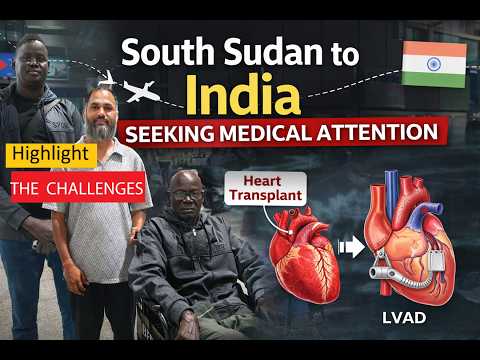
A Left Ventricular Assist Device (LVAD) is a mechanical pump that is surgically implanted to help support the functioning of the left ventricle of the heart. The left ventricle is responsible for pumping oxygen-rich blood to the rest of the body, and if it is weakened or failing, it can lead to heart failure. An LVAD assists the heart by helping it pump blood more effectively, improving circulation, and alleviating symptoms of heart failure.

LVADs are typically used in patients with severe heart failure who have not responded well to other treatments or medications. They can serve as a bridge to heart transplantation, providing support until a suitable donor heart becomes available. In some cases, LVADs may also be used as a long-term treatment option for patients who are not eligible for a heart transplant.
The LVAD system consists of a pump, a power source, and a controller:
Pump: The actual device that is implanted inside the patient's body. It is usually placed in the abdomen or the chest, and it assists in pumping blood from the left ventricle to the aorta, which is the main artery that carries oxygenated blood to the rest of the body.
Power Source: LVADs require a power source to operate. There are different types of LVADs, some of which use an external power source, such as batteries or power cords that connect to an electrical outlet, while others may have an internal power source, often rechargeable.
Controller: The controller is a small, external device that the patient carries with them. It is responsible for controlling the LVAD's speed and monitoring its function. The patient or their caregivers are trained to manage the LVAD using the controller.
LVAD implantation is a major surgical procedure and requires a comprehensive evaluation to determine the patient's suitability for the device. The patient will also need to undergo extensive education and training to manage the LVAD at home, including cleaning the equipment, changing batteries, and recognizing potential complications.
While LVADs can significantly improve the quality of life and extend the survival of patients with advanced heart failure, they are not without risks. Some possible complications include bleeding, infection, device malfunction, and blood clotting issues.Regular follow-up with healthcare providers is essential to monitor the LVAD's performance and address any concerns promptly.
FAQ?
1. who needs Left Ventricular Assist Device ?
2. what is the maximum survival period after Left Ventricular Assist Device Implantation ?
The maximum survival period after Left Ventricular Assist Device (LVAD) implantation can vary significantly depending on several factors,
Many factors can influence outcomes, including:
Patient's Age and Overall Health: Younger patients with fewer comorbidities may generally have better long-term outcomes compared to older patients with multiple health issues.
LVAD Complications: Complications such as infections, bleeding, device malfunction, and blood clotting issues can affect survival and quality of life.
Device Type: Different LVAD models may have varying outcomes, and advancements in LVAD technology can impact survival rates.
Patient Adherence: How well the patient adheres to post-implantation care and lifestyle adjustments can influence long-term outcomes.
Management of Comorbidities: Effective management of other medical conditions alongside heart failure can contribute to better survival.
It's worth noting that LVAD technology and medical practices are continually evolving, and survival outcomes may continue to improve over time as new developments arise.
Ultimately, the decision to undergo LVAD implantation is a complex one, and patients and their medical teams carefully weigh the potential benefits and risks of the procedure. Regular follow-up care and adherence to medical recommendations are crucial for optimizing outcomes and maximizing survival after LVAD implantation.
3. What are the benefits of a left ventricular assist device procedure?
The Left Ventricular Assist Device (LVAD) procedure offers several significant benefits for patients with severe heart failure who are eligible for this treatment. Some of the key advantages include:
Improved Quality of Life: LVADs can significantly improve the symptoms and functional capacity of patients with severe heart failure. Patients often experience reduced shortness of breath, increased energy levels, and improved ability to perform daily activities and enjoy a better quality of life.
Increased Survival: LVADs can extend the survival of patients with advanced heart failure. For patients who are eligible for heart transplantation, LVADs can serve as a bridge to transplantation, providing life-sustaining support until a suitable donor heart becomes available. For patients who receive LVAD as destination therapy, studies have shown that it can increase survival rates and provide long-term support.
Bridge to Heart Transplant: For patients awaiting heart transplantation, an LVAD can keep them alive and in better condition while they wait for a suitable donor heart. This is particularly beneficial since the availability of donor hearts is limited, and wait times can be lengthy.
Bridge to Recovery: In some cases of heart failure, LVADs can provide temporary support to allow the heart to rest and recover, potentially allowing the heart function to improve over time.
Remission of Heart Failure Symptoms: In some patients, LVAD support can lead to a partial or even complete remission of heart failure symptoms, enabling them to engage in more activities and enjoy a more active lifestyle.
Improved Organ Function: By improving blood circulation, LVADs can enhance the function of other vital organs, such as the kidneys and liver, which may have been compromised due to poor blood flow.
Reducing Hospitalization: With better heart function and symptom management, LVAD recipients may experience fewer hospitalizations related to heart failure exacerbations.
Better Cardiac Rehabilitation: In some cases, patients with LVADs may be able to participate in cardiac rehabilitation programs, which can further improve their physical fitness and overall well-being.
Advanced Technology: LVAD technology continues to advance, leading to smaller, more reliable devices with improved patient outcomes and fewer complications.
While LVADs offer substantial benefits, it's essential to consider that the procedure also comes with certain risks and challenges. These may include infections, bleeding, blood clotting issues, device malfunctions, and the need for ongoing medical management and lifestyle adjustments. However, for eligible patients with severe heart failure, the potential benefits of LVAD implantation often outweigh the risks, and it can be a life-saving and life-improving treatment option.
4. what are the risk factor of left ventricular assist device surgery ?
Left Ventricular Assist Device (LVAD) surgery is a major procedure that comes with certain risks and potential complications. It is crucial for patients and their healthcare teams to carefully consider these risks before deciding on LVAD implantation. Some of the key risk factors associated with LVAD surgery include:
Bleeding: During the surgery, there is a risk of bleeding, both at the surgical site and internally. Excessive bleeding may require blood transfusions or further surgical interventions to control it.
Infection: LVAD implantation involves creating an opening in the skin and chest wall, which can increase the risk of infection. Infections can occur at the surgical site or spread to other parts of the body.
Blood Clots: The presence of a foreign device in the body can increase the risk of blood clots forming, which can lead to serious complications such as stroke or device malfunction.
Device Malfunction: While LVAD technology has significantly improved, there is still a risk of device malfunction, which may require additional surgeries or device replacement.
Right Heart Failure: LVADs primarily support the left ventricle, but they can also affect the right ventricle's function. In some cases, the right ventricle may not function adequately after LVAD implantation, leading to right heart failure.
Stroke: Blood clots can form within the LVAD or elsewhere in the body and may travel to the brain, causing a stroke.
Device-Related Infections: Infections may develop in and around the LVAD, necessitating treatment with antibiotics or device removal.
Organ Dysfunction: The presence of an LVAD can affect the function of other organs, such as the kidneys and liver, leading to organ dysfunction.
Adverse Reaction to Anesthesia: Anesthesia is required for the surgery, and some patients may experience adverse reactions to anesthesia drugs.
Device-Related Complications: LVADs are mechanical devices, and despite improvements in technology, complications such as device malfunction, mechanical failure, or damage to blood cells can still occur.
Psychosocial Impact: The LVAD procedure and living with an LVAD can have a significant psychosocial impact on patients and their families. Adapting to the device and its care can be challenging.
It's important to note that not all patients will experience these complications, and many LVAD recipients have successful outcomes with improved quality of life and extended survival. Healthcare teams carefully evaluate each patient's medical condition and overall health before determining their eligibility for LVAD implantation.
Patients considering an LVAD should have open discussions with their healthcare providers to understand the potential risks and benefits of the procedure thoroughly. Additionally, patients are usually provided with extensive education and training to manage the LVAD and recognize signs of possible complications after the surgery.
5. What is the duration of Left Ventricular Assist Device (LVAD) surgery ?
The life expectancy of an LVAD depends on three main factors, such as
On average, the life expectancy for patients with an LVAD is around 5 years, with some patients living for more than a decade with the device.
The function of the device and the risk of complications such as infection or blood clots can impact the life expectancy of an LVAD. Regular follow-up with medical professionals is essential for patients with an LVAD to ensure optimal care and management of the device.
Close monitoring of the device’s function, medication management, and lifestyle changes can help to maximize the life expectancy of an LVAD and improve the overall quality of life for patients with advanced heart failure. With proper care and management, patients can expect to live for several years with the device and continue to lead fulfilling lives.
6. Life expectancy After LVAD implant ?
7. In india who has performed Left Ventricular Assist Device (LVAD) surgery ?
| Heart Surgeon who has performed LVAD surgery in India | |||
| Doctor Details | Institute Details | Case Details | Reference link |
1. DR. YUGAL KISHORE MISHRA
Chief Of Clinical Services, Head Of Cardiac Sciences And Chief Cardio Vascular Surgeon |
Manipal Hospitals Dwarka |
He performed LAVD Surgery for Iraqi patient at 02-12-2023 |
Coming Soon |
| 2. Dr. K. R. Balakrishnan, Director – Cardiac Sciences | Fortis Hospital Malar |
He performed the first LVAD and HVAD pump transplant in India in 2012 and 2013 |
|
| 3. Dr. Kewal Krishan Director, Heart Transplant & Left Ventricular Assist Devices | Max Super Speciality Hospital, Saket, New Delhi. | 1.Ragina, 7-year-old from Uzbekistan 2. 41 years old patient from Iraq 3.41-year-old man from Delhi-2015 |
1. https://youtu.be/MY3QfbnaB9w 2. https://youtu.be/4vBo0mPU_Sk
|
| 4. Dr. Kumud Kumar Dhital Senior Director - CTS and Heart & Lung Transplantation | Marengo Asia Hospita Faridabad, Haryana, India | 58-year-old Iraqi patient battling end-stage heart failure - July 2023 | |
| 5. Dr. Ajay Kaul CHAIRMAN - Cardiothoracic and Vascular Surgery | Fortis Hospital,Noida | 56-year-old patient from Iraq -2018 | https://www.aninews.in/news/national/general-news/delhi-hospital-doctors-remove-artificial-heart-from-iraqi-man-after-ailing-heart-recovers20211005180234/ |
|
6. Dr. Dhananjay Malankar CONSULTANT PAEDIATRIC CARDIO THORACIC VASCULAR SURGERY |
Fortis Hospital, Mulund Mumbai |
Case : Hadan Falah 17-year-old Iraqi’s heart failure cured in India with LVAD implant 1. diagnosed with dilated cardiomyopathy |
https://www.hindustantimes.com/cities/mumbai-news/17yearold-iraqi-s-heart-failure-cured-in-india-with-lvad-implant-101671903568966.html |
| 7. Dr Anvay Mulay, Head of Cardiac Transplant | Fortis Hospital, Mulund. | 49 yr old Businessman | https://www.thehealthsite.com/news/a-49-year-old-man-undergoes-artificial-heart-implant-lvad-for-end-stage-heart-failure-at-fortis-hospital-mulund-successfully-b0417-485891/
|
| 8. Supervision
Dr. Julius Punnen, Senior Consultant Cardiothoracic and Transplant Surgery |
Narayana Health City, Bangalore. | A 37 year old police officer from Oman, Muscat
Case : |
Link1: http://timesofindia.indiatimes.com/articleshow/67268987.cms?utm_source=contentofinterest&utm_medium=text&utm_campaign=cppst
|
|
9. Dr. Mrinalendu Das, Senior Consultant, Cardiac Surgery |
Rabindranath Tagore International Institute of Cardiac Science Mukundapur, Kolkata, West Bengal, India |
Mr. Rahman 69 years old from bangladesh Case : idiopathic dilated cardiomyopathy Dec , 2022 |
https://youtu.be/hYzoli0cKSY |
| 10.Dr.Z.S.Meharwal Executive Director and HOD, Heart Transplantation and VAD Program & Team Dr. Vishal Rastogi Director - Interventional Cardiologist, Head – Advanced Heart Failure Program |
Fortis Escorts Heart Institute, New Delhi | 52 years old man from Ranchi India |
|
| Dr. Manoj Durairaj, Programme Director, Including Dr. Shantanu Shastri, Dr Suhas Sonawane |
Sahyadri Super Speciality Hospital -Pune | 22-year-old Yemeni national suffering from end-stage heart failure -February 2020 |
|
For more information, medical assessment and medical quote send your detailed medical history and medical reports
as email attachment to Email : - query@satyughealthcare.com
Call: +91 8882424372
(Only for international patients seeking treatment in India)
Free Medical Opinion
Expert review in 48 hours
Best Surgeon
Top specialists in India
Hospital Booking
NABH / JCI accredited
Visa Assistance
Invitation letter provided
Airport Transfer
Safe pickup & drop
Tele-Consultation
Video consult before travel
Hotel Booking
Near hospital, affordable
Multilingual Support
Arabic, French, English
📞 Get Started Today — It Is Free
Send your medical reports and get a free expert opinion within 48 hours. Our coordinators speak Arabic, French and English.




![Dr. Arul Dominic Furtado [MBBS, MS - General Surgery, DNB - General Surgery, MCh - CTVS, DNB - Cardiothoracic Surgery] - Doctor at Satyug Healthcare](https://satyughealthcare.com/uploads/doctors/dd6b51e339a53a465fc90a37134cdbc1.webp)
![Dr. Harsha Goutham H V [MBBS, MS - General Surgery, MCh - Cardiothoracic Surgery] - Doctor at Satyug Healthcare](https://satyughealthcare.com/uploads/doctors/0584f27da00fec63f8a13101f42d49c8.webp)