Varicose Veins Surgery cost in India
Assistance
Consultation
Services
Opinion
Care Coordination
What will your treatment cost?

| Surgery Name | Cost | Room | Hospitalization |
|---|---|---|---|
| Varicose Veins Surgery cost in India | $4500 | Single | Patient - 3 days stay in a single room. |
✓ Inclusion
- Room Rent
- Cost of Surgery
- Consultation by Primary Team in Package days
- Basic Investigations
- Routine Pharmacy and Consumables
- Patient Food
- Surgeon Fees
- Anesthetist Fee
- Operation Theatre Charges
- Pharmacy Services Charges
- Drugs Medical Consumables
✗ Exclusion
- Overstay more than package days
- Any other Specialty Consultations
- Special Equipment
- Additional Procedure or Surgery
- Blood Components
Know More About Procedure & Surgery
🇮🇳 Medical Package — India
Varicose Vein Single(Laser/RFA) cost in India
World-class treatment • NABH & JCI Accredited Hospitals • Save up to 80% vs USA/UK
What is Varicose Veins?
Varicose veins are visible, protruding veins that appear just under the skin. The word "varicose" comes from the Latin root varix for "twisted." The veins may occur in clusters that look like spider webs. They may also be large, single veins that are easily visible. They're most often seen on people's legs, especially their calves, and are made up of stretched, expanded, or twisted veins. The blood flow in these veins has been slowed down or reversed. Between 10% and 20% of the population has some form of varicose veins. They appear between the ages of 30 and 70, and they usually get worse with age. Varicose veins occur 2 to 3 times more often in women than in men. It is estimated that 50% of people with varicose veins have a family history of the condition.
Causes
Other factors can make varicose veins appear or get worse:
- ✓Going through a pregnancy
- ✓Standing for long periods of time
- ✓Being overweight
- ✓Age - they appear more often as people grow older
- ✓Sex - they are more common in women
More rarely, varicose veins can be symptoms of serious health problems, such as tumours in the pelvis.
Symptoms and Complications
Having many visible varicose veins doesn't mean you will be in a lot of pain.
- ✓You can have a spider-web of raised veins over most of your leg that doesn't hurt a bit. Or you might have only one vein that still manages to cause a lot of discomfort.
- ✓People most often experience aching, cramping at night, swelling, and a feeling of fullness in the legs. These symptoms become worse before menstruation or after standing for a long time.
- ✓Most people with varicose veins don't suffer from complications. There is some chance of developing ulcerations around the affected veins, or of the vein hemorrhaging (bleeding inside), especially in older people whose skin has become very thin.
- ✓Eczema and discoloured skin in the area around the affected veins can also occur.
Diagnosis
Varicose veins are usually diagnosed by the patient, who can see them or feel the way they stick out from under the skin.
Your doctor can properly judge their actual extent by feeling the veins in the leg while you are standing. If varicose veins are really visible, they probably developed some time ago. Swollen ankles can be a sign that veins deeper inside the leg are also not working properly. Your doctor may also order tests such as a Doppler ultrasound or X-rays to see if deeper leg veins are working as they should or if there is a blood clot present.
Treatment
Varicose veins can't be cured, but they can be successfully treated. Treatment concentrates on relieving pain and managing complications. People who have obvious spider veins want to make the veins less noticeable, often through a cosmetic procedure. Wearing lightweight compression hosiery (stockings) can stop the pain from small, mild varicose veins altogether. Heavier elastic support stockings, knee-length or thigh-length, can also be worn if you have advanced varicose veins.
Sclerotherapy is a procedure that involves injecting a concentrated saline or chemical solution into the vein. The sclerosing (hardening) solution causes the vein to close up or collapse and become scar tissue. This causes blood to flow only to the non-varicose veins. This is only effective for smaller varicose veins. Many veins can be injected during a single visit. Several injection sessions are usually required to effectively close a vein, and it usually takes a few weeks for healing to occur after each injection.

A dermatologist or vein specialist usually performs sclerotherapy. It causes little discomfort. Allergic reactions to sclerotherapy are rare. Scarring can occur and a brown blemishing of the skin may appear. It usually fades, but in some cases it can be permanent. Some superficial varicose veins can be treated with a laser. A new technique called microsclerotherapy is another way to remove varicose veins. It uses improved solutions and injection methods. No anesthesia is needed for sclerotherapy or microsclerotherapy.
Varicose veins can also be treated by surgery. Your doctor may suggest surgery if you:
- ✓Have extremely visible varicose veins
- ✓Experience changes in your skin
- ✓Have significant pain and constantly inflamed veins
- ✓Physicians who recommend extensive surgery may "strip" deeper veins in the legs while removing as many of the swollen, twisted varicose veins as possible. A few isolated varicose veins may continue to be bothersome after surgery, but these can Usually be treated with injections.
Other options for surgery include:
- ✓Laser surgery: Laser light or intense pulsed light (IPL) is used on the veins to make them fade over time. This is most successful for very mild forms of the condition.
- ✓Catheter-assisted radio frequency ablation: Generally, heat is used to damage the vein, causing blood to be redirected to healthy veins in the body.
- ✓Ambulatory phlebectomy: Small holes are made in the skin to remove small veins.
Preventions
- ✓Exercise: Walking is a great way to increase blood flow in the legs.
- ✓Lose weight: Shedding excess pounds takes unnecessary pressure off veins in the legs.
- ✓Wear compression stockings.
- ✓Avoid high heels: Stick with low-heeled shoes that give the calf muscles a better workout, which can help give you healthier veins.
- ✓Elevate legs: Take 3 or 4 daily breaks (10 to 15 minutes) to elevate the legs above the level of the heart (e.g., lie down with legs resting on 3 or 4 pillows).
- ✓Avoid long periods of sitting or standing: Make a point to change position frequently to encourage blood flow.
Free Medical Opinion
Expert review in 48 hours
Best Surgeon
Top specialists in India
Hospital Booking
NABH / JCI accredited
Visa Assistance
Invitation letter provided
Airport Transfer
Safe pickup & drop
Tele-Consultation
Video consult before travel
Hotel Booking
Near hospital, affordable
Multilingual Support
Arabic, French, English
📞 Get Started Today — It Is Free
Ready to Plan Your Treatment in India?
Send your medical reports and get a free expert opinion within 48 hours. Our coordinators speak Arabic, French and English.
Frequently Asked Questions
If you have varicose veins and experience any of the following symptoms, it's time to give your doctor a call:
- Severe and continuous pain and swelling in the legs.
- Heaviness and/or dull, achy feeling in the legs at the end of the day, or after physical activity
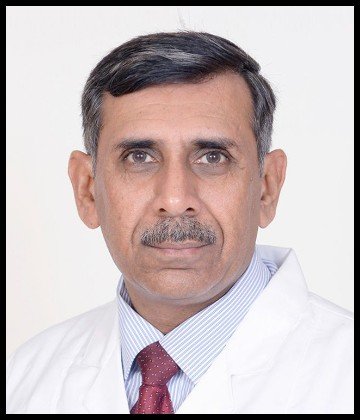
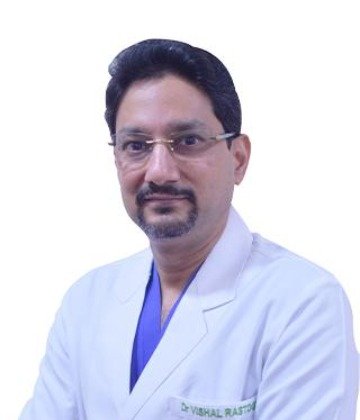
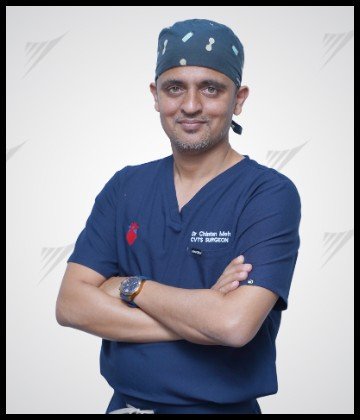
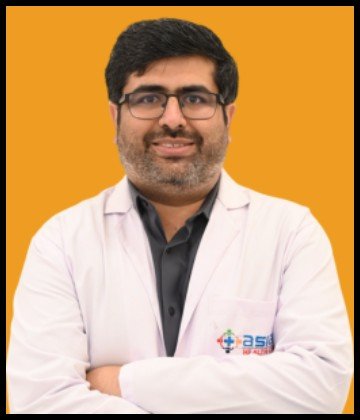
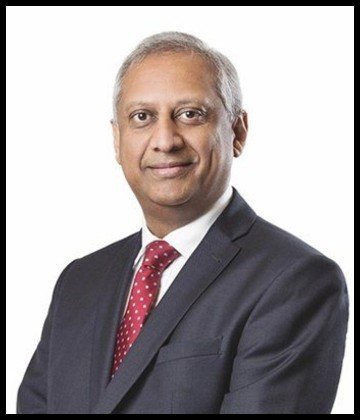
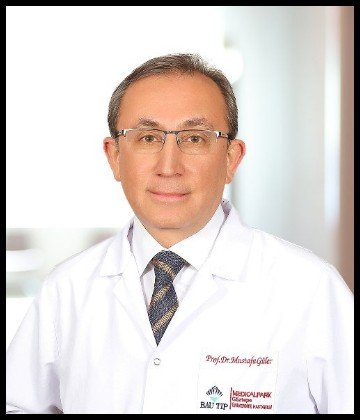
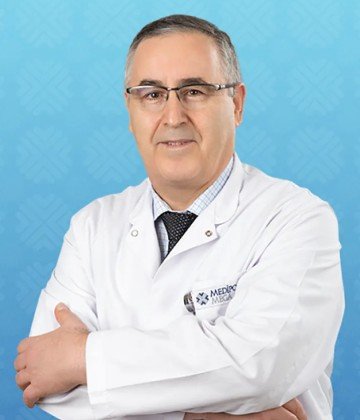
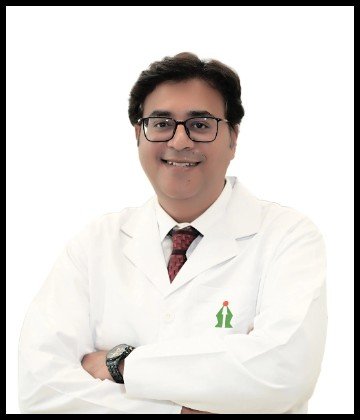
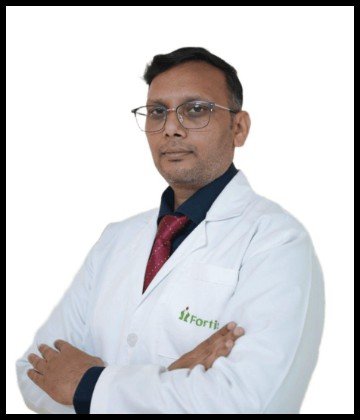
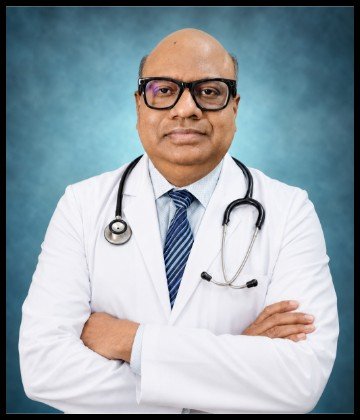
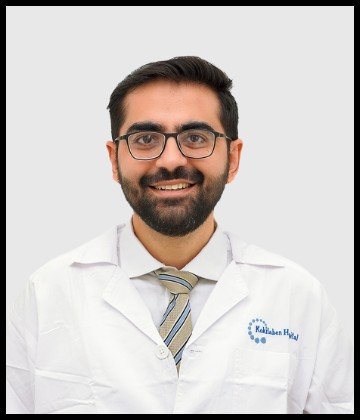
Top doctors for Varicose Vein Single(Laser/RFA) treatment| Cost for Varicose Vein Single(Laser/RFA) repair|Book online appointment| Best treatment for Varicose Vein Single(Laser/RFA) in India. Search Results Web results for cost of Varicose Vein Single(Laser/RFA) treatment|


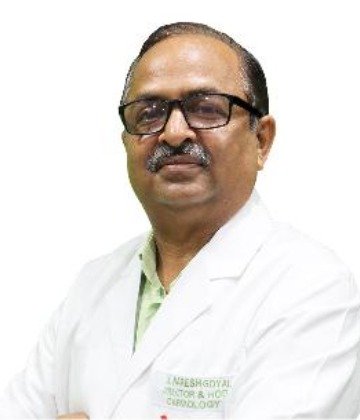


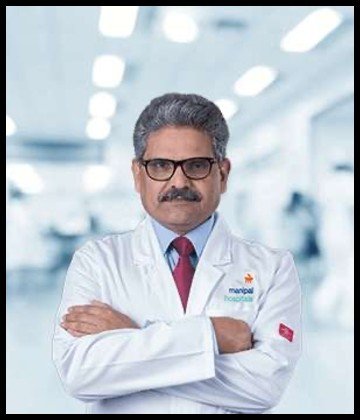
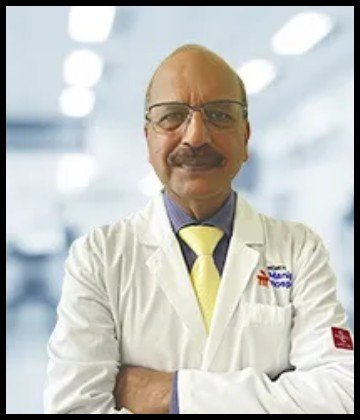

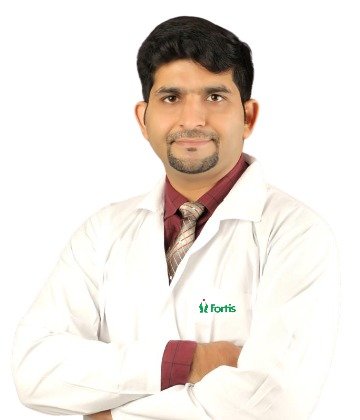
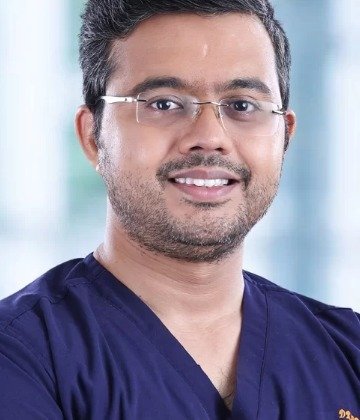
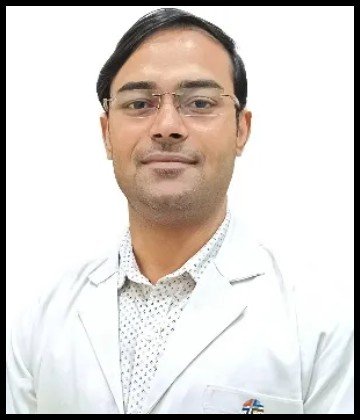
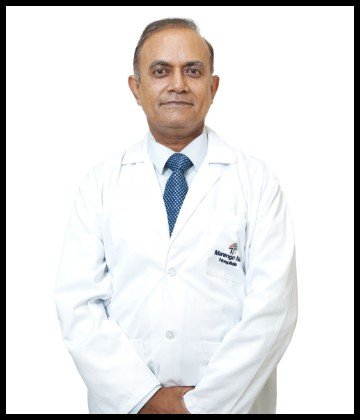


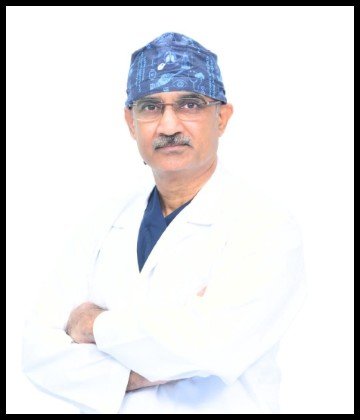
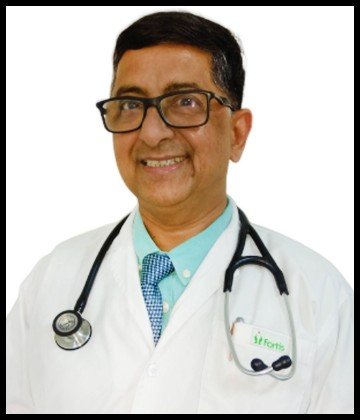
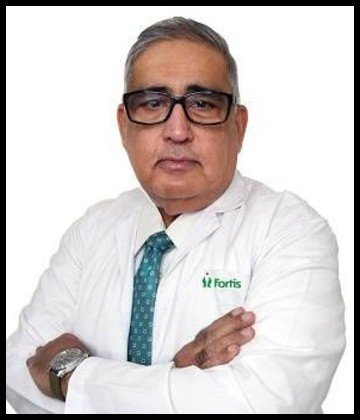
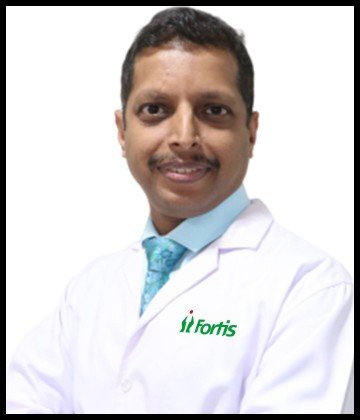
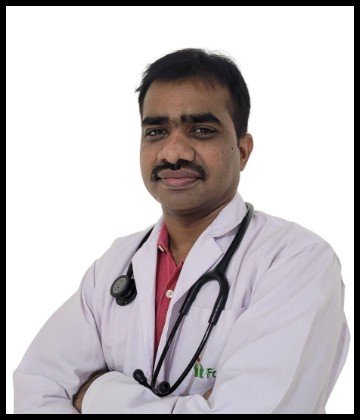
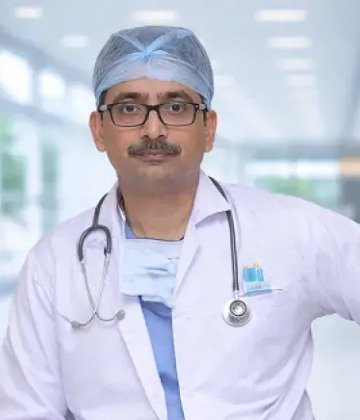
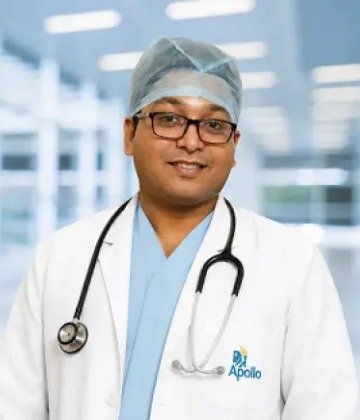
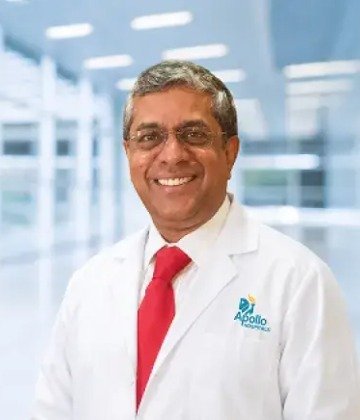
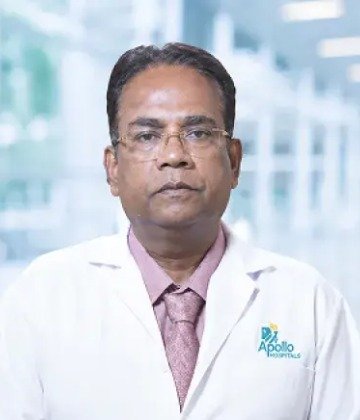
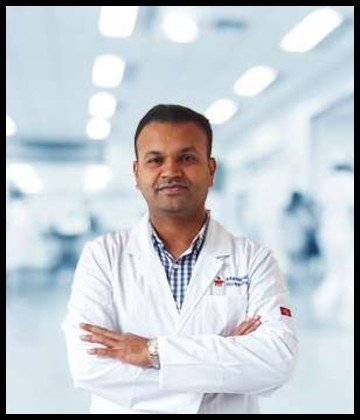
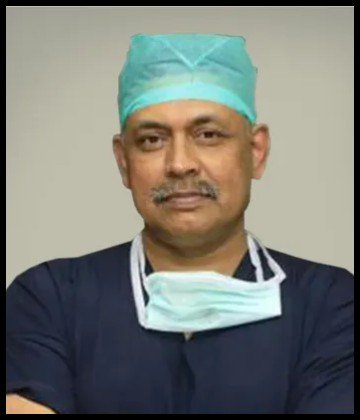
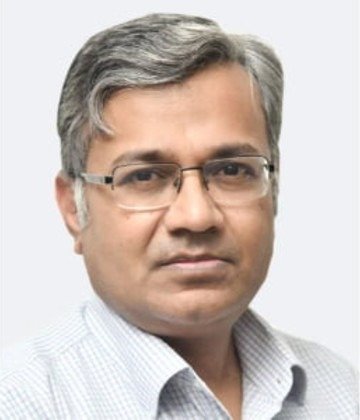
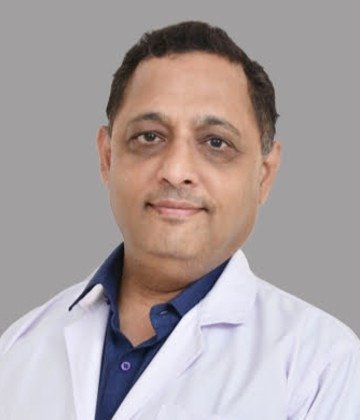


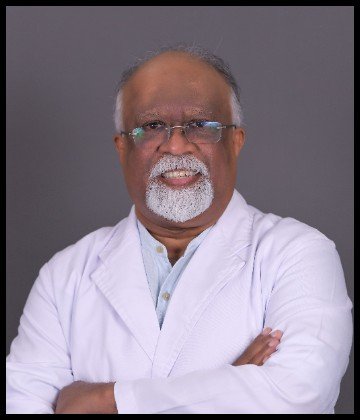
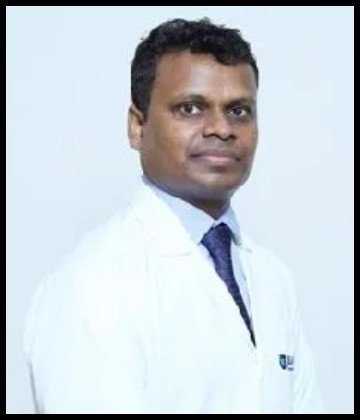
![Dr. Arul Dominic Furtado [MBBS, MS - General Surgery, DNB - General Surgery, MCh - CTVS, DNB - Cardiothoracic Surgery] - Doctor at Satyug Healthcare](https://satyughealthcare.com/uploads/doctors/dd6b51e339a53a465fc90a37134cdbc1.webp)
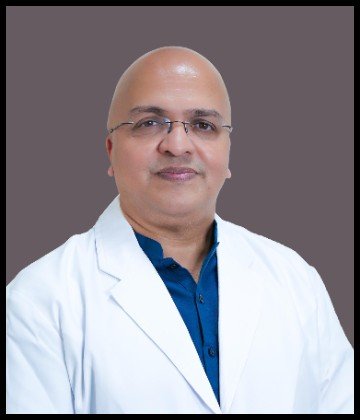
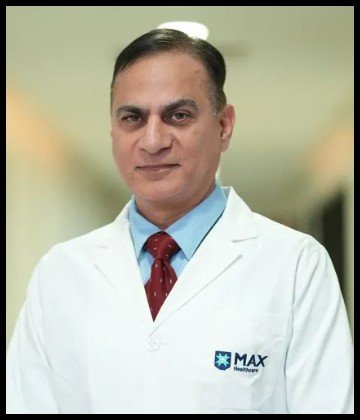
![Dr. Harsha Goutham H V [MBBS, MS - General Surgery, MCh - Cardiothoracic Surgery] - Doctor at Satyug Healthcare](https://satyughealthcare.com/uploads/doctors/0584f27da00fec63f8a13101f42d49c8.webp)































































TOP HOSPITALS
Special High-quality Hospitals


HAPPY PATIENTS
What Our Patients Are Saying




Our Gallery