| Surgery Name | Cost | Room | Hospitalization |
|---|---|---|---|
| Arterial Switch Procedure cost in India | $4477 | Single | Patient - 7 days stay in a single room. |
Overstay more than package days,
2. Any other Specialty Consultations,
3. Special Equipment,
4. Additional Procedure/Surgery.
5. Blood Components.
🇮🇳 Medical Package — India
World-class treatment • NABH & JCI Accredited Hospitals • Save up to 80% vs USA/UK
The arterial switch procedure is performed to correct transposition of the great arteries.
The main treatment to correct transposition of the great arteries (TGA) is the arterial switch procedure.
Without surgical correction, a newborn with TGA would suffer from lack of oxygen in the body and from heart failure, and would not be able to live long.
Before your newborn’s surgery, you will meet with the doctor. The timing of these visits may vary but the team will check with you to make sure you understand what is happening and you have a chance to ask all of your questions.
Before surgery all newborns have:
All of these tests are done routinely to help the team prepare for surgery.
You will also meet the surgeon and the anaesthesiologist. The anaesthesiologist will discuss general issues around having anesthetic and specific issues about your child. These will include things like pre-operative sedation, blood transfusion and monitoring procedures during the surgery.
Most children who need heart surgery will need blood products during their surgery. This can involve transfusing:
If your baby has been able to feed by mouth or through a tube, your nurse will make sure your baby stops feeding (fasting) at the right time before the surgery. Your baby will be kept hydrated through an IV line. The team will also make sure your baby gets the necessary medications.
Once your child is asleep, the team:
During this open heart surgery, the anaesthesiologist watches your child and the monitors, while communicating with other members of the surgery team, to make sure everything is stable. Heparin (a blood thinner) is given because your child needs to be on a heart-lung machine. During this time, the heart is stopped while the surgeon repairs the defect. The perfusionist, the anaesthesiologist and surgeon care for your child. They make sure that the heart-lung machine injects oxygen into the blood and is delivering the blood to the body and brain.

When the repair is complete, the heart is allowed to beat again and the heart-lung machine is turned down and off. If the heart is not quite functioning the way it should, medications are used to improve heart function. An echocardiogram is done by the cardiologist to make sure that the repair is working the way it should. The surgeon then makes sure there is no bleeding and closes the incision. Most heart surgery takes between three and six hours.
The anaesthesiologist will transfer your child to the cardiac critical care unit (CCCU) when:
The care is then handed over to the team in that unit.
Your baby will likely spend a few days in the CCCU when recovering from their heart surgery until they feel better. Your baby will then be transferred to the cardiac inpatient unit to finish their recovery. The cardiac team:
Your baby is ready to go home when they are breathing comfortably and can feed well by mouth. During the recovery, the cardiac team will teach you how to:
Many children have minor complications such as:
Complications of anaesthesia and heart surgery include:
Free Medical Opinion
Expert review in 48 hours
Best Surgeon
Top specialists in India
Hospital Booking
NABH / JCI accredited
Visa Assistance
Invitation letter provided
Airport Transfer
Safe pickup & drop
Tele-Consultation
Video consult before travel
Hotel Booking
Near hospital, affordable
Multilingual Support
Arabic, French, English
📞 Get Started Today — It Is Free
Send your medical reports and get a free expert opinion within 48 hours. Our coordinators speak Arabic, French and English.
Length of procedure, from initiation of anaesthesia to post-operative cease thereof, is approximately 6–8 hours.


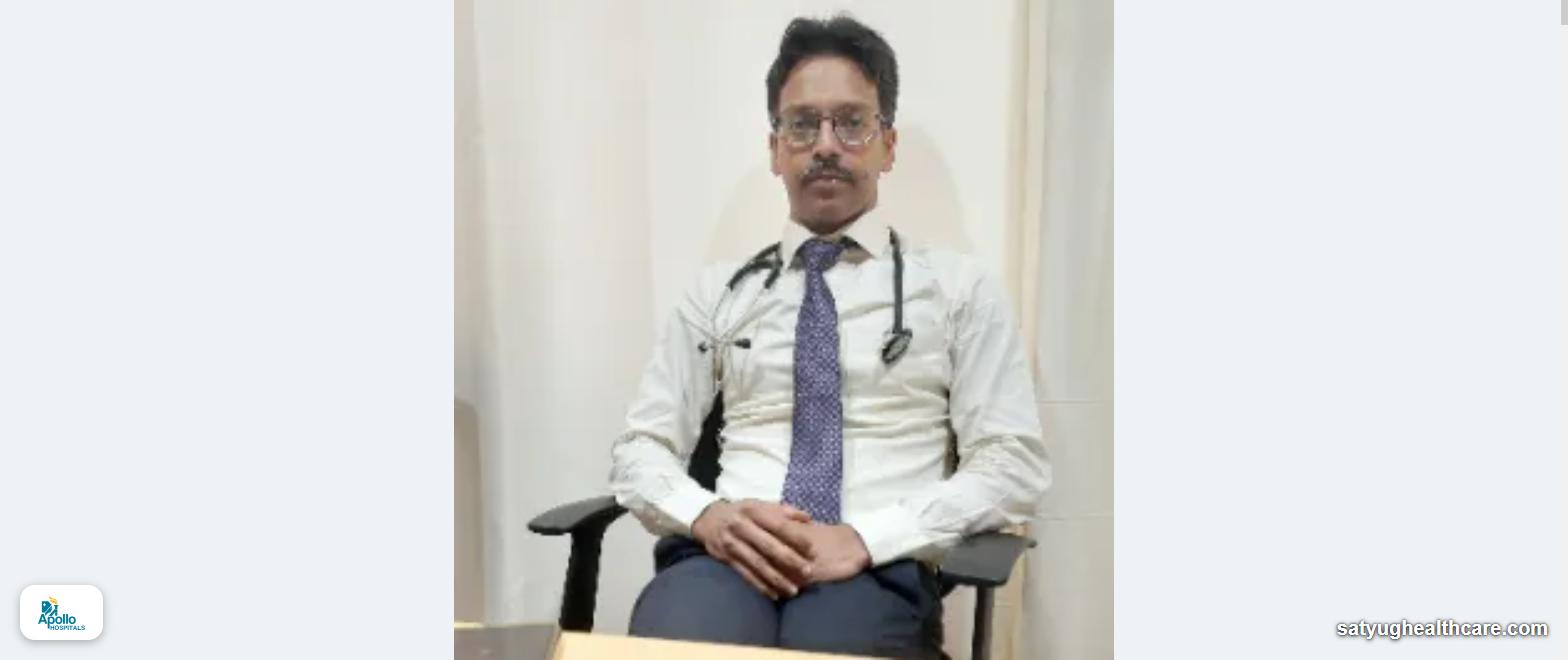
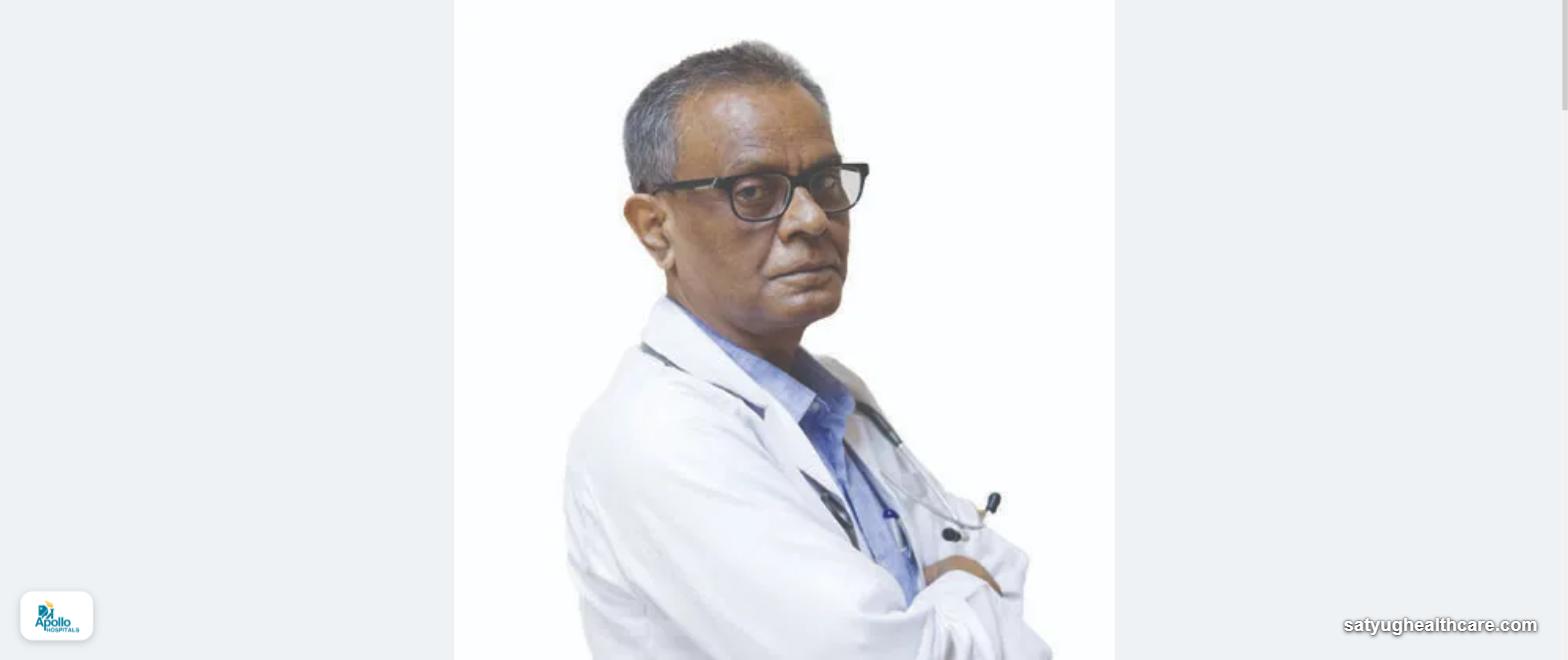


![Dr. Arul Dominic Furtado [MBBS, MS - General Surgery, DNB - General Surgery, MCh - CTVS, DNB - Cardiothoracic Surgery] - Doctor at Satyug Healthcare](https://satyughealthcare.com/uploads/doctors/dd6b51e339a53a465fc90a37134cdbc1.webp)
![Dr. Harsha Goutham H V [MBBS, MS - General Surgery, MCh - Cardiothoracic Surgery] - Doctor at Satyug Healthcare](https://satyughealthcare.com/uploads/doctors/0584f27da00fec63f8a13101f42d49c8.webp)