FESS Endoscopic sinus surgery cost in India
Assistance
Consultation
Services
Opinion
Care Coordination
What will your treatment cost?

| Surgery Name | Cost | Room | Hospitalization |
|---|---|---|---|
| FESS Endoscopic sinus surgery cost in India | USD 2500- USD 3000 | 1 day | Semi Private |
✓ Inclusion
1.Room Rent,
2.Cost of Surgery
3.Consultation by Primary Team in Package days
4. Basic Investigations
5. Routine Pharmacy and Consumables
6.Patient Food
✗ Exclusion
1.Overstay more than package days
2. Any other Speciality Consultations
3. Special Equipment
4.Additional Procedure/Surgery
5. Blood Components
Know More About Procedure & Surgery
🇮🇳 Medical Package — India
Functional endoscopic sinus surgery (FESS) cost in India
World-class treatment • NABH & JCI Accredited Hospitals • Save up to 80% vs USA/UK
Functional Endoscopic Sinus Surgery (FESS): A Comprehensive Guide
Functional Endoscopic Sinus Surgery (FESS) is a minimally invasive surgical procedure used to treat chronic sinusitis and other related conditions that affect the paranasal sinuses. Unlike traditional sinus surgeries that involved external incisions, FESS is performed entirely through the nostrils using an endoscope and specialized instruments. The primary goal is to restore the natural drainage pathways of the sinuses and improve airflow, thereby alleviating symptoms and preventing recurrent infections.
💉 1. Overview of FESS Surgery
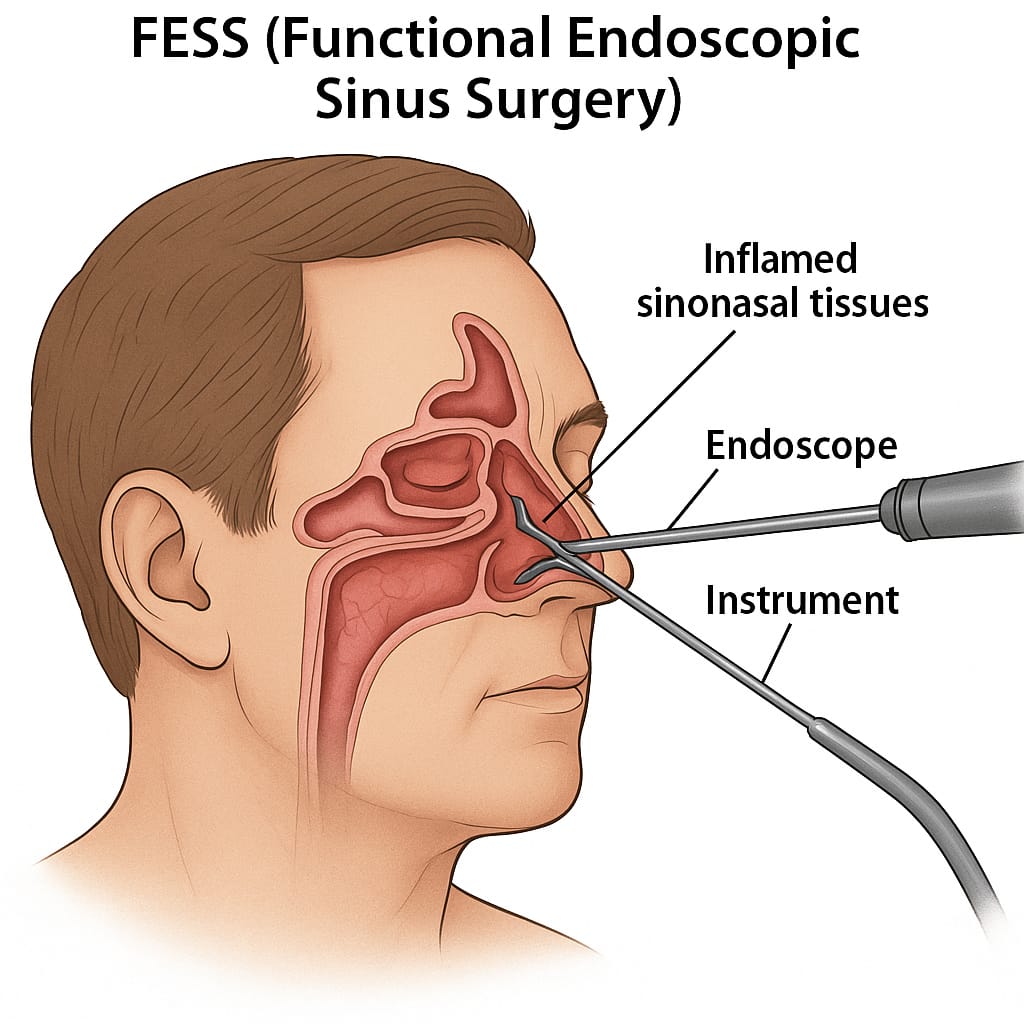
FESS is a precision-driven surgery that utilizes a thin, rigid tube with a light and camera (endoscope) inserted into the nostrils. This allows the surgeon a magnified, lighted view of the inside of the nose and sinus passages on a monitor. Through these magnified views, the surgeon can identify and remove blockages such as inflamed tissue, polyps, scar tissue, or correct anatomical abnormalities that impede proper sinus drainage and ventilation.
The philosophy behind FESS is "functional" – meaning it aims to preserve as much healthy tissue as possible while opening up the natural drainage pathways, allowing the sinuses to function normally again.
💉 2. Who Needs FESS Surgery?
FESS is typically recommended for patients who have not found sufficient relief from their chronic sinus symptoms through prolonged medical management, including antibiotics, nasal steroid sprays, saline rinses, and oral steroids.
Common conditions for which FESS is indicated include:
- ✓Chronic Sinusitis: Persistent inflammation of the sinuses lasting more than 12 weeks, despite appropriate medical therapy.
- ✓Recurrent Acute Sinusitis: Frequent episodes of acute sinus infections (e.g., four or more per year) that significantly impact quality of life.
- ✓Nasal Polyps: Benign (non-cancerous) growths in the nasal passages or sinuses that cause obstruction, loss of smell, and chronic inflammation.
- ✓Sinus Mucoceles: Mucus-filled cysts that can block sinus drainage.
- ✓Fungal Sinusitis: Fungal infections within the sinuses that often require surgical removal.
- ✓Deviated Nasal Septum: When a significant deviation of the septum (the wall dividing the nostrils) contributes to sinus blockage and recurrent infections. In such cases, a septoplasty may be performed concurrently with FESS.
- ✓Enlarged Turbinates: When the turbinates (structures that humidify and filter air) are enlarged and obstruct airflow; turbinate reduction may be performed.
- ✓Skull Base Lesions or Cerebrospinal Fluid (CSF) Leaks: In some rare cases, FESS can be used to access and repair defects in the skull base or manage certain tumors.
🔎 3. Evaluation to Confirm the Diagnosis
A thorough evaluation is essential to confirm the diagnosis and determine if FESS is the most appropriate treatment. This typically involves:
- ✓Detailed Medical History: The doctor will ask about the patient's symptoms (duration, frequency, severity), previous treatments, allergies, and any other relevant medical conditions.
Physical Examination: A comprehensive ENT examination, including:
- ✓Diagnostic Nasal Endoscopy: A thin, flexible or rigid endoscope with a light and camera is inserted into the nose to directly visualize the nasal passages and sinus openings. This helps identify inflammation, polyps, pus, anatomical variations, and blockages.
Imaging Studies:
- ✓Computed Tomography (CT) Scan of the Paranasal Sinuses: This is the gold standard imaging test for FESS planning. It provides detailed cross-sectional images of the bone and soft tissues, clearly showing anatomical variations, the extent of inflammation, fluid levels, and any structural abnormalities within the sinuses. A pre-surgical CT scan is mandatory for safe and effective FESS.
- ✓Allergy Testing: If allergies are suspected to be contributing to the sinus issues, allergy testing (skin prick test or blood test) may be performed.
- ✓Cultures: Swabs may be taken from the nose or sinuses to identify specific bacteria or fungi if infection is suspected.
💉 4. Procedure: Steps of FESS Surgery
FESS is performed under general anesthesia, meaning the patient will be asleep during the procedure. The typical steps include:
- ✓Anesthesia and Positioning: The patient is placed on the operating table, and general anesthesia is administered. The head is usually slightly elevated to reduce bleeding.
- ✓Nasal Preparation: The nasal passages are decongested with topical vasoconstrictors (medications that constrict blood vessels) and numbed with local anesthetic injections to minimize bleeding and discomfort.
- ✓Endoscope Insertion: A rigid nasal endoscope is carefully inserted into one nostril to visualize the sinus anatomy and pathology on a high-definition monitor.
- ✓Identification of Obstructions: The surgeon systematically identifies the natural drainage pathways of the sinuses and any areas of blockage or disease.
- 1
Targeted Tissue Removal/Correction: Using specialized micro-instruments (e.g., forceps, microdebriders), the surgeon precisely removes obstructive tissues such as:
- ✓
Uncinate Process: A small bony structure that can block the maxillary sinus opening. Its removal (uncinectomy) is often the first step.
- ✓
- 2✓
Enlarged Turbinates: If they are causing obstruction, a portion may be reduced (turbinate reduction).
- 3✓
Nasal Polyps: These are carefully removed from the nasal cavity and sinuses.
- 4✓
Diseased Mucosa: Inflamed or irreversibly damaged sinus lining may be removed.
- 5✓
Bone or Scar Tissue: Any bone or scar tissue obstructing drainage pathways is carefully removed to widen the openings.
- 6
Sinus Ostia Enlargement: The natural openings (ostia) of the maxillary, ethmoid, frontal, and/or sphenoid sinuses are enlarged to facilitate better drainage and ventilation.
- 7
Associated Procedures (if needed):
- ✓
Septoplasty: If a deviated septum is contributing to the problem, it may be straightened to improve nasal airflow.
- ✓
- 8✓
Balloon Sinuplasty: In some cases, a balloon catheter may be used to gently dilate sinus openings without removing tissue.
- 9
Post-Procedure Care: After the surgical work is complete, the surgeon may place dissolvable packing or a small stent/spacer in the nasal passages to prevent adhesions and support healing.
The procedure usually takes 1 to 3 hours, depending on the extent of the sinus disease.
💉 5. Alternatives to FESS Surgery
Before considering FESS, most patients will have undergone extensive medical management. Alternatives to FESS primarily involve non-surgical or less invasive approaches:
- ✓
Medical Management:
-
Antibiotics: For bacterial sinus infections.
-
- ✓
Nasal Steroid Sprays/Rinses: To reduce inflammation and clear mucus.
- ✓
Oral Steroids: For severe inflammation or polyps.
- ✓
Antihistamines/Decongestants: For allergy-related symptoms, used with caution.
- ✓
Saline Nasal Irrigation (Rinses): Daily high-volume saline rinses are crucial for washing out irritants, allergens, and mucus.
Lifestyle Modifications: Avoiding triggers like allergens, irritants, and smoking.
Balloon Sinuplasty: A less invasive procedure where a small balloon catheter is inflated inside the blocked sinus opening to widen it. It does not involve tissue removal and has a faster recovery, suitable for less complex blockages. It can sometimes be used in conjunction with FESS.
FESS is usually considered when these conservative measures fail to provide lasting relief or when specific anatomical blockages or polyps are present.
⚠ 6. Risks and Potential Complications of FESS Surgery
FESS is generally considered safe and effective, but like any surgical procedure, it carries potential risks and complications. These are rare, especially in the hands of experienced surgeons:
General Surgical Risks:
- ✓
Bleeding: Minor bleeding is common during and after surgery. Rarely, excessive bleeding may occur, requiring nasal packing or further intervention.
- ✓
Infection: Though antibiotics are often prescribed, a post-operative sinus infection can occur.
- ✓
Anesthesia Risks: Adverse reactions to general anesthesia.
Specific FESS Risks:
- ✓
Cerebrospinal Fluid (CSF) Leak: Extremely rare but serious. The sinuses are located very close to the brain, separated by a thin bone. Injury to this bone can lead to a leak of CSF, which can increase the risk of meningitis. If it occurs, it is usually repaired immediately.
- ✓
Eye Injury/Vision Changes: The sinuses are in close proximity to the eyes. Very rarely, injury to the eye structures, tear ducts, or optic nerve can occur, leading to temporary or permanent double vision, blurry vision, or vision loss. Swelling around the eyes is more common and usually resolves.
- ✓
Changes in Sense of Smell (Anosmia/Hyposmia): Temporary changes are common, but permanent loss or reduction of the sense of smell is rare.
- ✓
Recurrence of Symptoms/Disease: While FESS aims for long-term relief, chronic sinusitis and polyps can recur, sometimes requiring revision surgery or ongoing medical management.
- ✓
Adhesions (Synechiae): Scar tissue can form within the nasal passages, causing new blockages. This often requires minor in-office procedures to break them down.
- ✓
Numbness: Rarely, numbness in the teeth or upper lip can occur temporarily or permanently.
- ✓
Nasal Septum Perforation: If a septoplasty is performed, there's a small risk of a hole developing in the septum.
The surgeon will thoroughly discuss these risks with the patient during the consultation.
💉 7. Purpose of FESS Surgery
The primary purposes of FESS are:
- ✓Restore Natural Sinus Drainage: To open up the blocked sinus openings, allowing mucus to drain properly.
- ✓Improve Sinus Ventilation: To allow air to circulate freely within the sinuses.
- ✓Reduce Frequency and Severity of Sinus Infections: By preventing mucus stagnation, which is a breeding ground for bacteria.
- ✓Alleviate Symptoms: Reduce facial pain/pressure, headaches, nasal congestion, post-nasal drip, and improve sense of smell.
- ✓Remove Diseased Tissue: Such as polyps, cysts, or infected mucosa.
- ✓Enhance Efficacy of Medical Therapies: By opening the sinuses, topical nasal sprays and rinses can reach the affected areas more effectively.
- ✓Improve Quality of Life: By providing long-term relief from chronic, debilitating sinus symptoms.
💉 8. Pre-Surgery Preparation
Proper preparation is vital for a smooth surgery and recovery:
Patient Responsibilities:
- ✓Medical History Review: Provide a complete and accurate medical history, including all current medications (prescription, OTC, herbal supplements), allergies, and previous surgeries.
- ✓Medication Adjustments: Your doctor will instruct you to stop certain medications (especially blood thinners like aspirin, ibuprofen, warfarin, or specific supplements) for a specified period before surgery to minimize bleeding risk.
- ✓Fasting: Adhere strictly to fasting instructions (typically no food or drink for 6-8 hours before surgery).
- ✓Smoking Cessation: If you smoke, you will be strongly advised to stop several weeks before surgery, as smoking can impair healing and increase complication risks.
- ✓Alcohol Restriction: Avoid alcohol for at least a week before surgery.
- ✓Hygiene: You may be asked to use a specific antiseptic nasal wash or shower gel the night before or morning of surgery.
- ✓Transportation: Arrange for someone to drive you home after the surgery, as you will be recovering from anesthesia.
- ✓Home Preparation: Prepare your home for recovery, ensuring necessary supplies (saline rinses, pain medication) are at hand.
- ✓Questions: Ask any remaining questions you have about the surgery, recovery, or post-operative care.
Doctor/Hospital Responsibilities:
- ✓Pre-Anesthetic Check-up: The anesthesiologist will evaluate your fitness for general anesthesia.
- ✓Diagnostic Confirmation: Ensure all necessary diagnostic tests (CT scan, endoscopy) are complete and reviewed.
- ✓Surgical Planning: Develop a precise surgical plan based on imaging and endoscopic findings.
- ✓Informed Consent: Ensure the patient fully understands and consents to the procedure, risks, and alternatives.
- ✓Medication Management: Provide clear instructions for medication adjustments.
- ✓Patient Education: Offer detailed instructions regarding fasting, hygiene, and what to expect on the day of surgery.
- ✓Team Briefing: Conduct a pre-operative "time-out" with the surgical team to confirm patient, procedure, and site.
💉 9. Post-Op Planning (After Surgery)
Effective post-operative planning is crucial for optimal healing and to prevent complications.
- ✓
Immediate Post-Op:
-
Recovery Room Monitoring: You will be monitored closely in the recovery room as you wake up from anesthesia.
-
- ✓
Pain Management: Pain medication will be administered as needed. Mild headaches, facial pressure, and nasal stuffiness are common.
- ✓
Nasal Discharge: Bloody or blood-tinged discharge is expected for several days. A drip pad (small gauze under the nose) may be used.
Discharge Instructions:
- ✓
Medications: You will be prescribed antibiotics (to prevent infection) and pain relievers. Oral steroids may also be prescribed to reduce swelling.
- ✓
Nasal Rinses: Regular saline nasal rinses are critical. They help to clear blood clots, crusts, and mucus, promote healing, and keep the nasal passages moist. Instructions on frequency and technique will be provided.
- ✓
Activity Restrictions: Avoid strenuous activities, heavy lifting, nose blowing forcefully, and bending over for a specified period (typically 1-2 weeks) to prevent bleeding.
- ✓
Sneeze with Mouth Open: If you need to sneeze, do so with your mouth open to reduce pressure in the nasal passages.
- ✓
Avoid Irritants: Steer clear of smoke, dust, and other nasal irritants.
- ✓
Follow-up Appointments: Schedule post-operative follow-up visits with your ENT surgeon. These visits are essential for cleaning the nasal passages, removing any crusts or packing, and monitoring healing. Multiple follow-up appointments may be required in the initial weeks.
Diet and Hydration: Maintain good hydration. A soft, bland diet may be preferred initially.
10. Recovery After FESS Surgery
- ✓Most patients resume daily activities in 3–5 days
- ✓Complete recovery and healing take around 2–4 weeks
- ✓Symptom relief is noticed progressively over time
- ✓Some patients may require revision surgery for recurrent disease
💉 11. FAQ FESS Surgery (10 Common Questions)
- 1Is FESS painful? Pain is usually mild to moderate and well-controlled with prescribed pain medication. Nasal stuffiness and pressure are more common sensations than severe pain.
- 2How long do I need to stay in the hospital? FESS is typically an outpatient procedure, meaning you go home the same day. In some cases, an overnight stay might be recommended, especially for younger children or patients with specific medical conditions.
- 3When can I blow my nose after FESS? It is generally advised to avoid blowing your nose for at least 7-14 days after surgery to prevent bleeding and allow healing. Gentle sniffling is usually permissible.
- 4How soon can I return to work/school? Most patients can return to light work or school within 3-7 days, depending on the nature of their job and how they feel. Strenuous activities should be avoided for 2-4 weeks.
- 5Will my sense of smell improve after FESS? For many patients with impaired smell due to chronic sinusitis or polyps, FESS can significantly improve or restore the sense of smell by clearing obstructions.
- 6Do I still need to use nasal sprays and rinses after surgery? Yes, saline nasal rinses are crucial for post-operative healing and maintaining sinus health long-term. Nasal steroid sprays may also be continued to prevent recurrence of inflammation and polyps.
- 7What if my symptoms come back after FESS? While FESS is highly effective, chronic sinus disease can recur. If symptoms return, your doctor will assess if it's due to incomplete healing, new inflammation, or recurrence of polyps, and discuss further medical management or revision surgery if necessary.
- 8Are there visible scars? No, FESS is performed entirely through the nostrils, so there are no external incisions or visible scars.
- 9Can FESS treat all types of sinusitis? FESS is most effective for chronic sinusitis and recurrent acute sinusitis that haven't responded to medical treatment, especially when anatomical blockages or polyps are present. It's not typically indicated for acute, uncomplicated sinus infections.
- 10How successful is FESS? FESS has a high success rate, with many patients reporting significant improvement in symptoms and overall quality of life. Success rates can be as high as 85-90% for appropriate candidates.
How Satyug Healthcare Helps International Patients with FESS Surgery in India
Satyug Healthcare supports patients from across the world who come to India for ENT surgeries like FESS. Our dedicated services include:
● Before Arrival
- ✓Free second opinion from top ENT specialists
- ✓Cost estimate and personalized surgery package
- ✓Assistance with medical visa invitation
- ✓Interpreter coordination (Arabic, Russian, French, Uzbek, etc.)
🇮🇳 During Your Stay in India
- ✓Appointments with leading ENT hospitals (Max, Medanta, Apollo, Fortis, etc.)
- ✓Airport pickup and hotel support
- ✓Personal care manager during treatment
- ✓Coordination of all tests, surgery, and follow-ups
- ✓24/7 support throughout your journey
🛠 After Discharge
- ✓Reports and summary shared in your language
- ✓Online follow-up consultations with your doctor
- ✓Post-operative guidance till full recovery
"We ensure you receive expert care, safe surgery, and a stress-free medical experience in India."
Free Medical Opinion
Expert review in 48 hours
Best Surgeon
Top specialists in India
Hospital Booking
NABH / JCI accredited
Top ENT Surgeon in India











TOP HOSPITALS
Special High-quality Hospitals


HAPPY PATIENTS
What Our Patients Are Saying





















Our Gallery