Heart Transplantation in India
Assistance
Consultation
Services
Opinion
Care Coordination
What will your treatment cost?

| Surgery Name | Cost | Room | Hospitalization |
|---|---|---|---|
| Heart Transplantation in India | $50000 | Single | Patient - 1 month stay in a single room. |
✓ Inclusion
- Pre-transplant cardiac evaluation (echocardiography, right heart catheterisation, coronary angiography, cardiopulmonary exercise testing)
- Immunological and tissue-typing workup (HLA typing, panel reactive antibody testing, blood group confirmation)
- Donor organ waitlist registration and coordination
- Heart transplant surgery performed by a senior cardiothoracic transplant surgeon and team
- Cardiopulmonary bypass and intraoperative TEE monitoring
- ICU stay in a dedicated cardiac transplant ICU (typically 10-14 days)
- Post-op ward stay in a private room (typically 3-4 weeks total hospital stay)
- Induction and maintenance immunosuppression medication during hospital stay
- Endomyocardial biopsy monitoring for early rejection surveillance
- Physiotherapy and cardiac rehabilitation sessions during recovery
- Dietician consultations and nutrition planning
- Discharge medication kit and immunosuppression regimen for the initial post-discharge period
- Coordination of follow-up cardiology visits for the first 90 days after discharge
- Airport pickup, hospital-to-accommodation transfers, and interpreter assistance throughout the stay
✗ Exclusion
- Donor organ procurement and matching fees charged separately per Indian transplant regulations
- Long-term immunosuppressant medication beyond the initial post-discharge supply
- Treatment of transplant rejection episodes requiring additional hospitalisation
- Companion/attendant airfare, visa fees, and accommodation beyond the patient's own stay
- Pre-existing comorbidity management unrelated to the cardiac condition
- Extended ICU stay beyond the standard protocol due to complications
- Domestic travel within India outside the hub transplant cities
- Any repeat transplantation should the graft fail
Know More About Procedure & Surgery
Heart Transplant Cost in India
Heart transplantation remains the definitive treatment for end-stage heart failure in patients who have exhausted medical therapy, ventricular assist devices, and other surgical options, and India's leading cardiac transplant programs now perform several hundred transplants a year with survival rates comparable to established Western transplant centres. The procedure replaces a failing heart — most commonly the result of end-stage cardiomyopathy, ischemic heart disease, or unrepaired congenital defects — with a donor heart matched for blood type and body size, and is reserved for patients whose severe symptoms persist despite optimal drug and device therapy. India's transplant centres operate NABH- and JCI-accredited cardiac ICUs with 24/7 mechanical circulatory support backup, dedicated transplant coordinators, and immunosuppression protocols aligned with international guidelines, while charging a fraction of what a comparable transplant costs in the US, UK, or Europe.
Who needs a heart transplant?
- End-stage dilated or ischemic cardiomyopathy
- Advanced heart failure (NYHA Class III–IV) not controlled by medication, pacemakers, or ICDs
- Patients on or requiring a Ventricular Assist Device (VAD) as a bridge to transplant
- Certain complex congenital heart defects not correctable by repair surgery
- Restrictive or hypertrophic cardiomyopathy with severe symptoms
Donor Eligibility & Criteria for Heart Transplant
A heart transplant can only come from a deceased (brain-dead) donor — there is no living-donor option, unlike kidney or liver transplant, because no one can donate their heart and survive. Families considering this surgery should understand this clearly from the outset: you cannot bring a relative to India to donate, and no legitimate hospital will suggest otherwise.
Deceased organ donation in India is coordinated through the National Organ and Tissue Transplant Organisation (NOTTO) and state-level registries (ROTTO/SOTTO). When a brain-dead donor's family consents to donation, the heart is matched to a waiting recipient by blood group, body size, and medical urgency across the hospitals registered in that region's network.
What this means for your treatment journey:
- Once your evaluation confirms you're a transplant candidate, you're placed on the active waiting list at your treatment centre.
- Satyug Healthcare helps coordinate registration across more than one accredited cardiac transplant programme where hospital policy permits, which can meaningfully shorten the wait compared to listing at a single centre.
- Wait times vary by blood group and case urgency and genuinely cannot be guaranteed by any hospital or facilitator — typically ranging from a few weeks to several months.
- If your condition is unstable while waiting, the team may recommend a Ventricular Assist Device (VAD) as a bridge to transplant; we'll advise if this applies to your case.
Pre-Transplant Workup
- Echocardiogram and cardiac MRI to assess heart function and structure
- Right and left heart catheterization, including pulmonary artery pressure measurement
- Coronary angiography where indicated
- Blood group and HLA (tissue) typing, and panel-reactive antibody (PRA) testing
- Complete blood work, kidney and liver function, infectious disease screening (HIV, Hepatitis B & C)
- Pulmonary function tests and chest imaging
- Dental and ENT clearance to rule out infection sources before immunosuppression
- Nutritional, psychological, and social-support assessment
If you already have recent cardiology reports, echocardiograms, or catheterization results from home, send them with your enquiry — the transplant team can begin assessing your case before you travel.
Documentation & Paperwork Checklist
- Passport valid for at least 6 months from your planned travel date
- Indian Medical Visa (regular medical visa, supported by the hospital invitation letter Satyug arranges) plus a Medical Attendant Visa for one accompanying family member
- Complete cardiology records: diagnosis, echocardiogram/catheterization reports, current medication list, and your referring cardiologist's summary
- Passport-size photographs (patient and attendant)
- Financial undertaking / proof of funds — Indian hospitals require a payment guarantee before listing a patient for transplant
- Insurance documentation, if applicable
The Transplant Process, Step by Step
Step 1 — Free medical opinion: A cardiologist and transplant surgeon review your reports within 48 hours and confirm the recommended course of treatment.
Step 2 — Treatment planning: We match you to the right hospital and surgical team for your case and provide a detailed cost estimate.
Step 3 — Visa & travel: We arrange your hospital invitation letter and guide you through medical visa processing and travel planning.
Step 4 — Evaluation & waitlisting: On arrival, the complete pre-transplant workup is finished and you're formally added to the transplant waiting list.
Step 5 — The waiting period: You stay under specialist cardiac monitoring; if your condition requires it, mechanical support (VAD) may bridge you until a donor heart is available.
Step 6 — Surgery: Heart transplant surgery typically takes 4–6 hours under general anaesthesia with cardiopulmonary bypass.
Step 7 — ICU & hospital recovery: Expect roughly 1–2 weeks in the ICU, followed by continued ward monitoring for rejection, infection, and graft function.
Step 8 — Extended recovery in India: Most centres require 4–6 weeks (sometimes up to a few months) in India after discharge for close follow-up and immunosuppression stabilisation before it's safe to fly home.
Step 9 — Lifelong follow-up: Anti-rejection medication and regular cardiology follow-up are needed for life; we help coordinate this with a cardiologist in your home country in communication with your India-based transplant team.
Cost of Heart Transplant in India
Heart transplant surgery in India typically costs from around USD 50,000 depending on the hospital, ICU duration, VAD bridging if required, and any complications — compared to USD 1,000,000–1,500,000+ in the United States for the same procedure. This covers surgery, hospital stay, and standard post-operative care; extended recovery-period accommodation is additional, and we help plan this affordably. Contact us for a personalised estimate after your reports are reviewed.
How Satyug Healthcare Assists International Patients
- Expert consultation & treatment planning — free review of your case within 48 hours by a cardiologist/transplant surgeon
- Multi-centre waitlist coordination — helping you register at more than one accredited cardiac transplant programme
- Visa & travel assistance — hospital invitation letters, visa guidance, travel planning for you and your attendant
- Hospital admission & surgery coordination — direct liaison with the transplant team through workup, waiting period, and surgery
- Post-surgery care & follow-up — support through recovery and coordination with your home-country cardiologist afterward
- Accommodation & comfort services — suitable stay arranged for you and your family for the full treatment and recovery period
Ready to get started? Send us your cardiology reports for a free expert opinion within 48 hours, and we'll guide you through every step of your heart transplant journey in India.
Frequently Asked Questions
The amount of time for a heart transplant depends on the complexity of your case and if you need other procedures. If you do not have a VAD, surgery should take 3 or 4 hours. If you have a VAD surgeons needs to remove, or you've had prior chest surgeries, it should take 6 to 8 hours.
Top doctors for Heart Transplantation | Cost for Hernia repair|Book online appointment| Best treatment for Heart Transplantation in India. Search Results Web results for cost of Heart Transplantation|



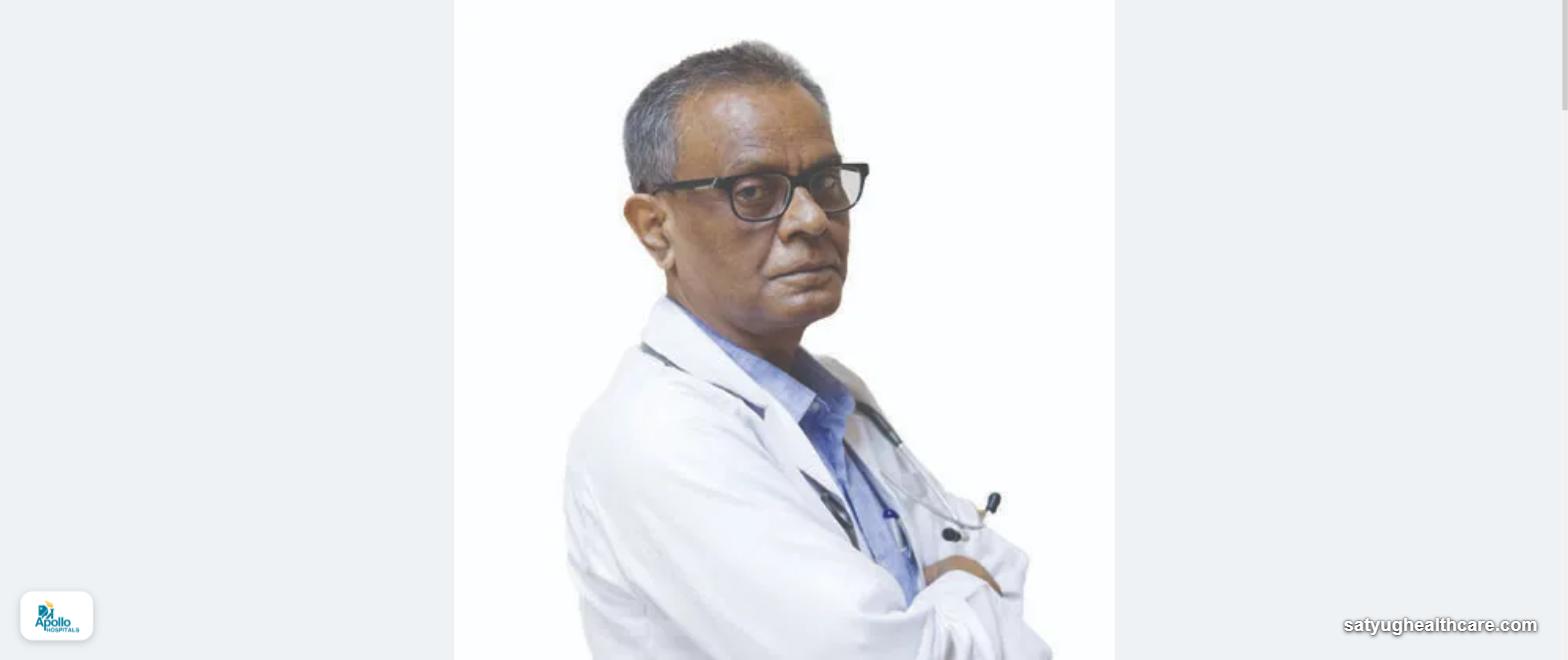


![Dr. Arul Dominic Furtado [MBBS, MS - General Surgery, DNB - General Surgery, MCh - CTVS, DNB - Cardiothoracic Surgery] - Doctor at Satyug Healthcare](https://satyughealthcare.com/uploads/doctors/dd6b51e339a53a465fc90a37134cdbc1.webp)
![Dr. Harsha Goutham H V [MBBS, MS - General Surgery, MCh - Cardiothoracic Surgery] - Doctor at Satyug Healthcare](https://satyughealthcare.com/uploads/doctors/0584f27da00fec63f8a13101f42d49c8.webp)


TOP HOSPITALS
Special High-quality Hospitals


HAPPY PATIENTS
What Our Patients Are Saying




















Our Gallery