Search from 500+ procedures across top NABH & JCI accredited hospitals of India
Assistance
Consultation
Services
Opinion
Care Coordination
What will your treatment cost?

| Surgery Name | Cost | Room | Hospitalization |
|---|---|---|---|
| Arthroscopic Bankart Repair cost in India | $3536 | Single | Patient - 2 days stay in a single room. |
✓ Inclusion
- The cost of all related investigations needed before the surgery.
- The cost of Surgery including the cost of surgeon’s fee and OT.
- The cost of the room stays of the patient and 1 attendant including all meals as per the hospital menu.
- The cost of pre surgical and post-surgical Physiotherapy / Dietetic consult during the entire hospital stay.
- Airport Transfers.
- In room wi fi and free internet.
- Needful concierge services.
✗ Exclusion
- Overstay more than package days,
- Any other Specialty Consultations,
- Special Equipment,
- Additional Procedure/Surgery.
- Blood Components.
Know More About Procedure & Surgery
🇮🇳 Medical Package — India
Arthroscopic Bankart Repair cost in India
World-class treatment • NABH & JCI Accredited Hospitals • Save up to 80% vs USA/UK
What is arthroscopic Banker Repair?
The Arthroscopic Bankart Repair is an effective procedure to treat patients that have anterior shoulder instability. The majority of patients who suffer a traumatic anterior dislocation of their shoulder will tear the fibro cartilage labrum at the front of the shoulder. Many of these patients will go on to develop recurrent instability in their shoulder and keep dislocating. This will have a significant effect on the ability to participate in sport and sometimes also their work. It is the tear in the labrum that is largely responsible for allowing their shoulder to continue to dislocate.
The aim of surgery is to return people to full normal sporting and work activities and the risk of a redislocation in this situation is less than 5% with a well-performed arthroscopic procedure. It has been established that if only patients with a pure labral tear are treated with an arthroscopic bankart repair then the results are as high as an open repair.
Symptoms
Instability is a common cause of shoulder injury; shoulder function can usually be improved by a surgical repair. Individuals with shoulder instability usually notice that the shoulder feels unsteady or the ball may actually slip out of the joint in certain positions, such as when the arm is out to the side or across the body. People with anterior (frontward) instability of the shoulder have difficulty throwing because this action depends on normal ligaments across the front of the joint.
Types of shoulder instability
The most common type of shoulder instability is traumatic anterior instability. In this type of instability, the ligaments and the labrum at the lower front part of the shoulder are torn by an injury that occurred when the arm was out to the side.
Common causes of this injury include a skiing fall with the arm out to the side, a clothesline tackle, or a blocked spike in volleyball. The shoulder may not pop back in the joint, but instead, often needs to be put back in place by experienced assistance such as in an emergency room. The dislocated shoulder is given a chance to heal; then the patient is started on a rehabilitation program. Not infrequently, the labrum and the ligaments do not heal completely and the shoulder continues to feel unsteady (for example, when the arm is moved out to the side and backward). These injuries seriously compromise the stability of the shoulder. An unhealed Bankart Lesion can result in recurrent anterior shoulder instability. When multiple dislocations have occurred the chances of healing without surgery become small.
A similar type of injury can occur to the back of the joint (traumatic posterior shoulder instability), but it is much less common. Traumatic posterior instability arises from mechanisms such as a fall on the outstretched hand. There is another type of instability which arises without an injury--atraumatic instability. In this condition, the shoulder loses its normal ability to center the ball in the glenoid socket. Not infrequently, atraumatic instability may allow the shoulder to slip in different directions (multidirectional instability). In this condition there is usually nothing torn, but rather, the stabilizing structures of the shoulder decompensate.
Diagnosis
Shoulder instability must be distinguished from other causes of shoulder dysfunction such as arthritis, rotator cuff tear, and snapping scapula. Arthritis usually results in shoulder stiffness and pain; X-rays show the loss of the joint space. Rotator cuff tear results in shoulder weakness. In snapping scapula, the shoulder pops when the shoulder blade is moved on the chest wall.
Shoulder dislocations are among the most common conditions of the shoulder. They are more likely to be found in people from 15 to 35 years of age. Individuals over the age of 40 who dislocate their shoulders are likely to also have a tear of the rotator cuff. Those who have instability of one shoulder are somewhat more likely to have instability of the opposite shoulder. People with loose joints are more likely to have atraumatic instability. Complex tests such as MRI or arthroscopy are rarely necessary to make the diagnosis.It is essential that the surgeon establish the diagnosis of shoulder instability before surgical treatment is considered.
Exercises
Shoulder Excercise to strengthen the rotator cuff, may help control an unstable shoulder. Particularly in atraumatic instability, rotator cuff strengthening and training the shoulder for stability are the mainstays of treatment. In traumatic instability, the repair of the labrum and the ligaments can usually restore stability to the joint. The restoration of stability often allows patients to return to their usual activities.
In atraumatic instability, there is no single lesion to repair. Thus, if exercises do not restore joint stability, careful consideration needs to be given to the advisability of any surgical procedure. While tightening or burning the ligaments and capsule of the joint have been used for this condition, it is recognized that these procedures may not specifically address the cause of the instability.
Risks of surgery
The risks of surgery for shoulder instability include but are not limited to the following:
- ✓infection
- ✓injury to nerves and blood vessels
- ✓inability to carry out the planned repair
- ✓stiffness of the joint
- ✓tear of the rotator cuff
- ✓pain
- ✓persistent instability
- ✓the need for additional surgeries
There are also risks associated with anesthesia including death. An experienced shoulder surgery team will use special techniques to minimize these risks but cannot totally eliminate them.
Advantages and Disadvantages
The advantages of the arthroscopic procedure are a lower complication rate, and an easier postoperative recovery in terms of pain and discomfort. Arthroscopic procedures typically have lower complication rates than the similar open operation. The anatomy can be better visualized at the time of surgery and if the tear is more extensive, particularly if it extends into the posterior part of the shoulder the arthroscopic procedure allows for this to be repaired at the same time. There are no real advantages of the open Bankart repair over the arthroscopic repair other than the relative simplicity of the procedure over the more technically demanding arthroscopic procedure.
Surgery
The arthroscopic Bankart repair is performed under a general anesthetic. The surgery takes about an hour. You will be in the operating theatre complex for several hours as you need to be prepared for anesthesia and then will need to wake up from the anesthetic. Normally patients stay one night in hospital. They will discharge from hospital the next day after seeing the physiotherapist. The arthroscopic Bankart repair is performed using bone anchors that are drilled into the Glenoid. The anchors that I am currently using are biocomposite anchors. They have a crystalline structure that is eventually replaced by bone. The bone anchors have sutures attached to them that are then used to tie the torn cartilage (labrum) back to where it has torn off from the anterior Glenoid. At the same time the shoulder joint capsule that has been stretched by the dislocation is sutured to the anchors further tightening the shoulder. This is termed a capsulolabral plication.

Physical therapy
A progressive rehabilitation program after instability surgery is critical for achieving optimal shoulder function. Instable shoulders may become stiff after surgery. Early, protected motion is often suggested to prevent the shoulder from becoming stiff. However, the repair needs to be protected from re-injury especially, during the healing period. Thus, the surgeon will often prescribe limited early motion for three to six weeks and then strengthening exercises for a second six-week period.
Rehabilitation options
It is often most effective for patients to carry out their own exercises so that they are done frequently, effectively and comfortably. Usually a physical therapist or the surgeon instructs the patient in the exercise program and advances it at a rate that is comfortable for the patient. For the first six weeks after surgery, emphasis is placed on protected motion. For the second six weeks, emphasis is placed on strengthening exercises so that strong muscles will protect the shoulder as it returns to normal activities.
Free Medical Opinion
Expert review in 48 hours
Best Surgeon
Top specialists in India
Hospital Booking
NABH / JCI accredited
Visa Assistance
Invitation letter provided
Airport Transfer
Safe pickup & drop
Tele-Consultation
Video consult before travel
Hotel Booking
Near hospital, affordable
Multilingual Support
Arabic, French, English
📞 Get Started Today — It Is Free
Ready to Plan Your Treatment in India?
Send your medical reports and get a free expert opinion within 48 hours. Our coordinators speak Arabic, French and English.
Frequently Asked Questions
There is a large amount of variability in the time it takes to fully recover from this procedure. It is usually estimated that it will take at least 4-6 months to feel as though you have completely regained the use of your arm. Some cases may take as long
Top doctors for ARTHROSCOPIC BANKART REPAIR treatment| ARTHROSCOPIC BANKART REPAIR for Hernia repair|Book online appointment| Best treatment for ARTHROSCOPIC BANKART REPAIR in India. Search Results Web results for cost of ARTHROSCOPIC BANKART REPAIR|



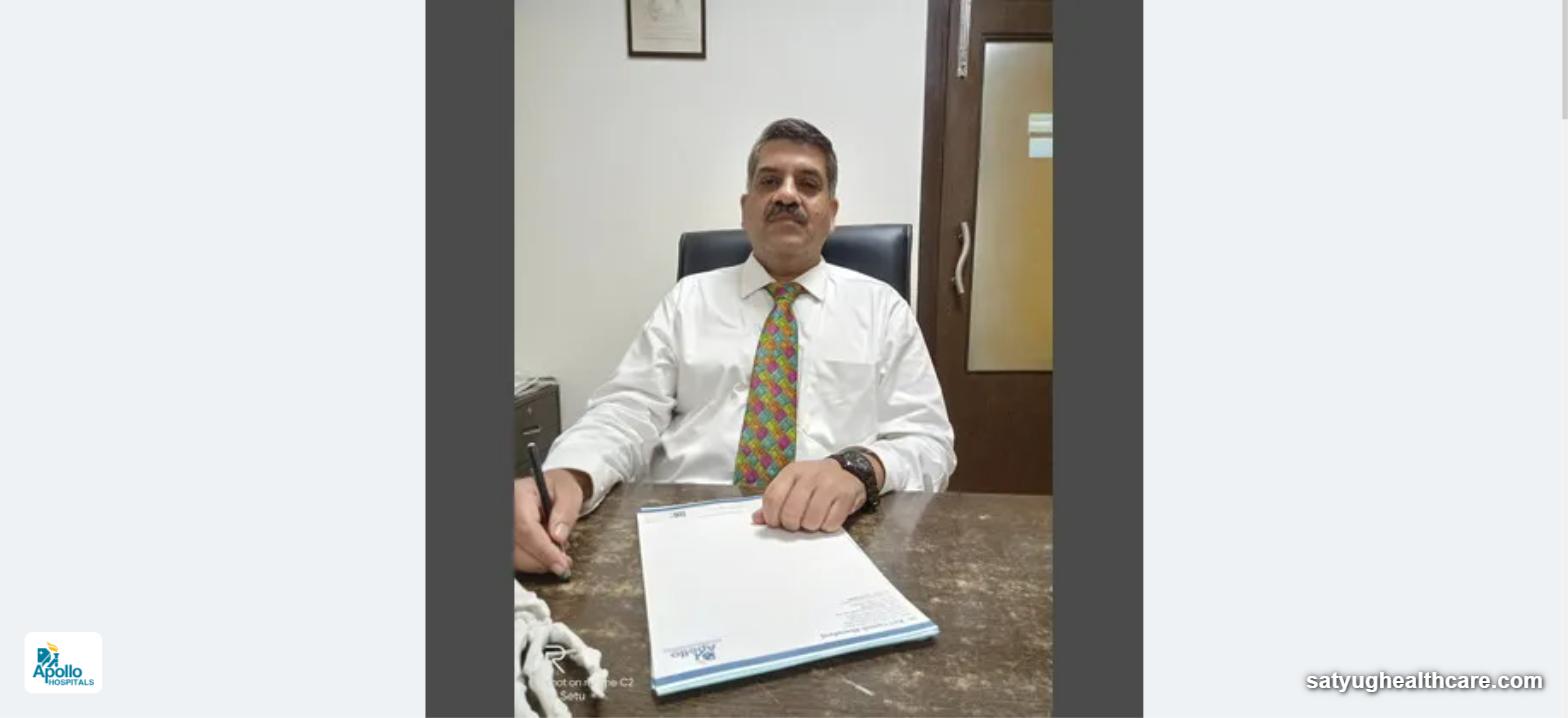



TOP HOSPITALS
Special High-quality Hospitals


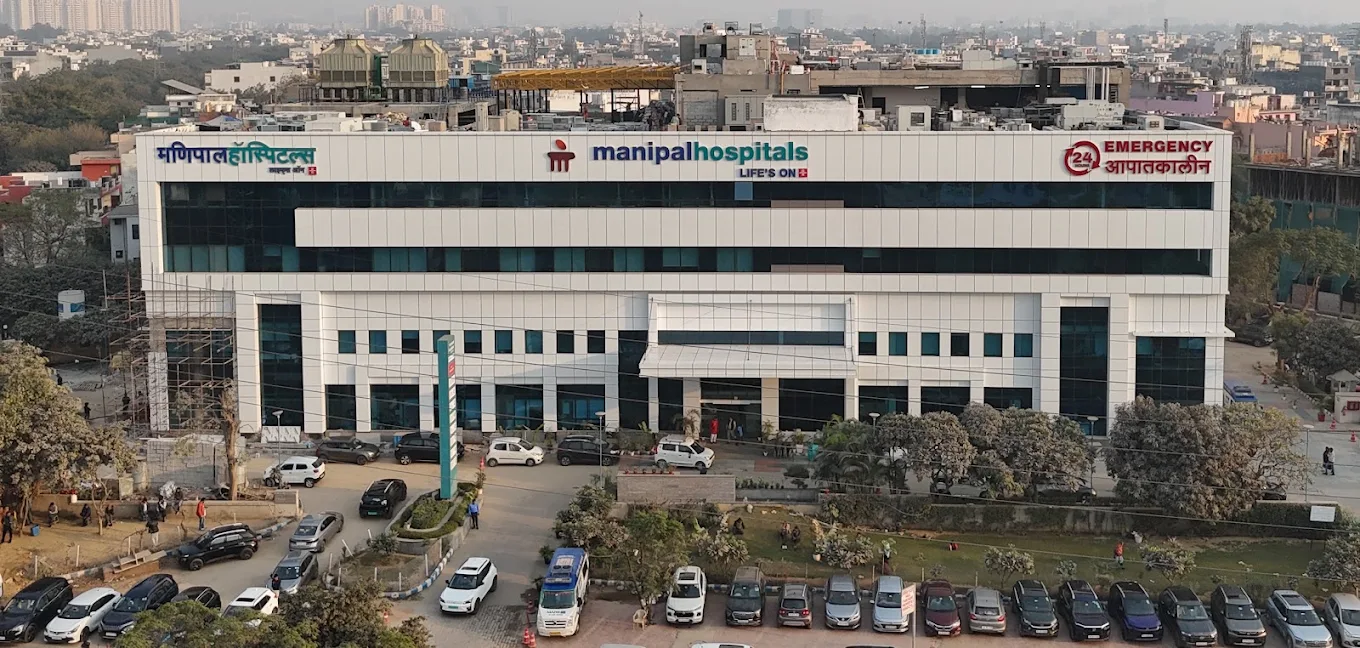


HAPPY PATIENTS
What Our Patients Are Saying




























Our Gallery