Peripheral Angioplasty with Balloon Cost Surgery in India
Assistance
Consultation
Services
Opinion
Care Coordination
What will your treatment cost?

| Surgery Name | Cost | Room | Hospitalization |
|---|---|---|---|
| Peripheral Angioplasty with Balloon Cost Surgery in India | USD 4000 - USD 5000 | Semi Private | 2 Days |
✓ Inclusion
1.Room Rent
2.Cost of Surgery
3.Consultation by Primary Team in Package days
4. Basic Investigations.
5. Blood Transfusion
6.Patient Food.
✗ Exclusion
1.Overstay more than package days
2. Any other Speciality Consultations
3. Special Equipment
4. Additional Procedure/Surgery
5. Routine Pharmacy and Consumables,
Know More About Procedure & Surgery
🇮🇳 Medical Package — India
Peripheral Angioplasty with Balloon Cost Surgery in India
World-class treatment • NABH & JCI Accredited Hospitals • Save up to 80% vs USA/UK
🤖 What is Peripheral Angioplasty with Balloon Surgery
Peripheral Angioplasty with Balloon Surgery is a minimally invasive procedure used to open narrowed or blocked peripheral arteries. A small balloon is inserted into the artery and inflated to widen it, improving blood flow. It is commonly performed to treat Peripheral Arterial Disease (PAD).
💉 Frequently Asked Questions: Peripheral Angioplasty with Balloon Surgery
Q1: How is Peripheral Angioplasty performed?
A: The procedure involves inserting a catheter with a deflated balloon at its tip into the affected artery. The balloon is inflated to compress plaque and widen the artery, and then it’s removed.
Q2: Is a stent always used during angioplasty?
A: Not always. A stent (a small mesh tube) is used in some cases to keep the artery open after the balloon is deflated and removed.
Q3: How long does the procedure take?
A: Peripheral angioplasty typically takes 30 minutes to an hour, but the duration can vary depending on the complexity of the blockage.
Q4: Is anesthesia required for this procedure?
A: The procedure is usually performed under local anesthesia, sometimes combined with mild sedation.
Q5: What are the risks associated with angioplasty?
A: Risks include bleeding, infection, artery damage, restenosis (re-narrowing of the artery), or blood clots. However, complications are rare.
Q6: How soon can I go home after angioplasty?
A: Most patients can go home the same day or the day after the procedure, depending on their recovery and health status.
Q7: What is the recovery time for angioplasty?
A: Recovery is typically quick, with most people resuming normal activities within a few days.
Q8: Does angioplasty cure PAD?
A: While angioplasty restores blood flow, it does not cure PAD. Lifestyle changes and medical management are essential to prevent further artery narrowing.
Q9: Who is a good candidate for this procedure?
A: Patients with significant arterial blockages causing symptoms like severe pain or non-healing ulcers may benefit from angioplasty.
Q10: Can angioplasty be repeated if needed?
A: Yes, angioplasty can be performed again if the artery becomes narrowed or blocked in the future.
Q11: Is there pain during or after the procedure?
A: The procedure itself is not painful due to anesthesia, but mild discomfort or bruising may occur at the catheter insertion site afterward.
Q12: Are there alternatives to angioplasty?
A: Alternatives include medication, lifestyle changes, or other procedures like bypass surgery, depending on the severity of the blockage.
Q13: How effective is angioplasty for treating PAD?
A: Angioplasty is highly effective for improving blood flow and relieving symptoms in most cases.
Q14: What are the follow-up requirements after angioplasty?
A: Regular follow-ups include physical exams, imaging studies, and monitoring for signs of restenosis or complications.
Q15: Can angioplasty prevent the need for surgery?
A: Yes, angioplasty can often delay or eliminate the need for more invasive surgeries, such as bypass surgery.
Free Medical Opinion
Expert review in 48 hours
Best Surgeon
Top specialists in India
Hospital Booking
NABH / JCI accredited
Visa Assistance
Invitation letter provided
Airport Transfer
Safe pickup & drop
Tele-Consultation
Video consult before travel
Hotel Booking
Near hospital, affordable
Multilingual Support
Arabic, French, English
📞 Get Started Today — It Is Free
Ready to Plan Your Treatment in India?
Send your medical reports and get a free expert opinion within 48 hours. Our coordinators speak Arabic, French and English.
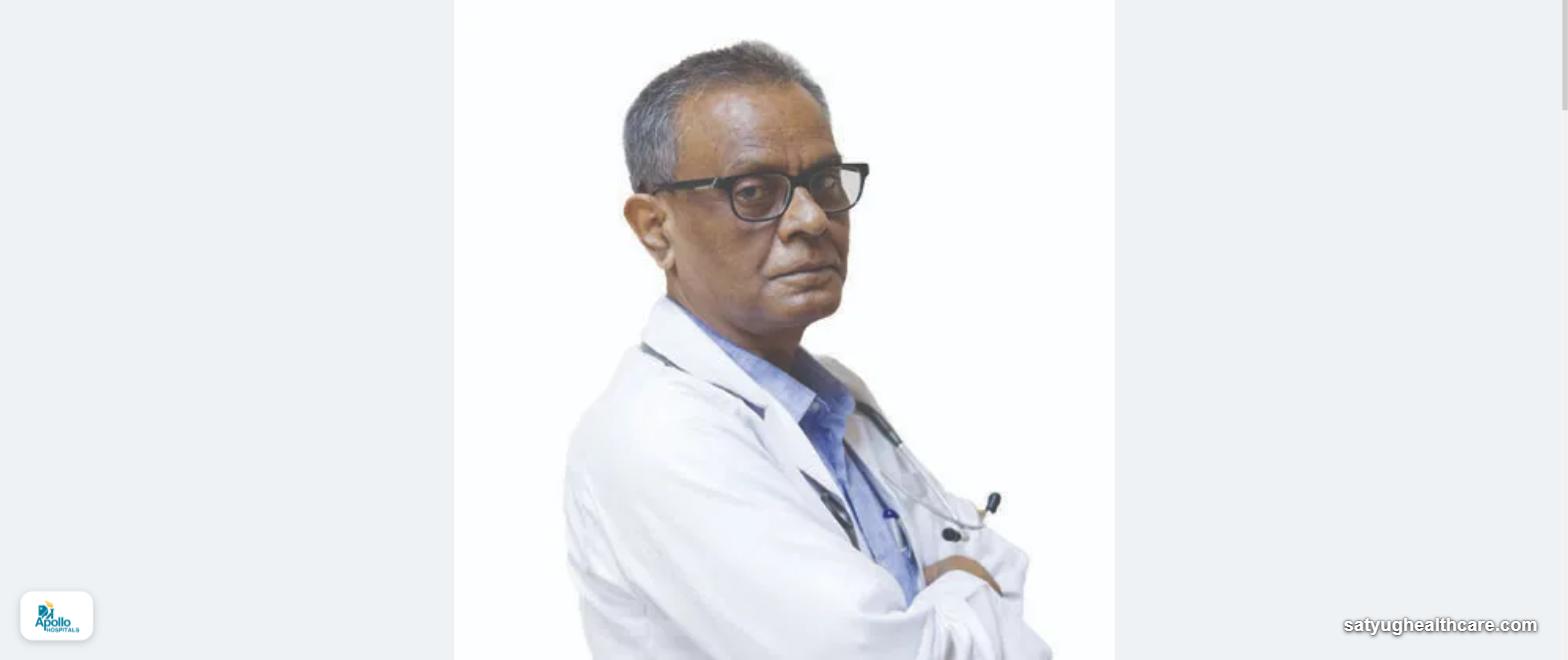
Best vascular surgeon in india


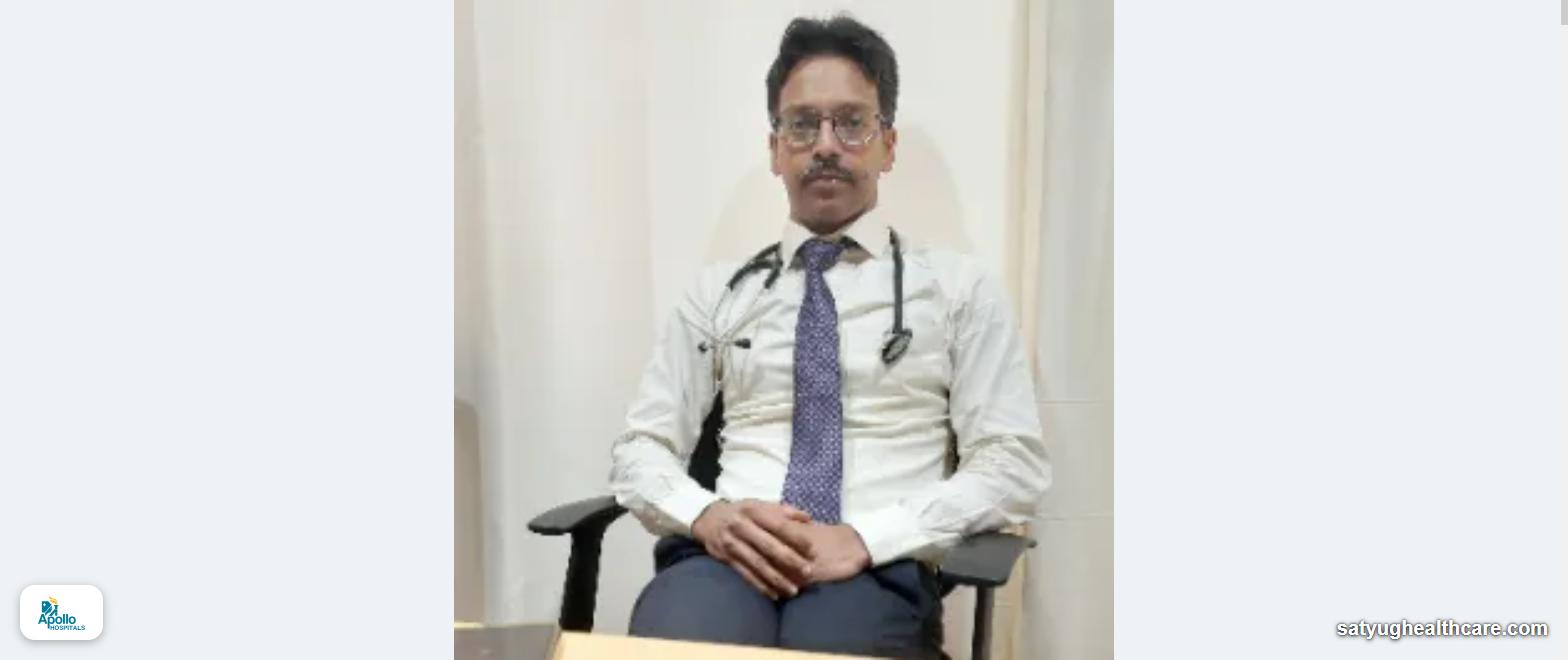


![Dr. Arul Dominic Furtado [MBBS, MS - General Surgery, DNB - General Surgery, MCh - CTVS, DNB - Cardiothoracic Surgery] - Doctor at Satyug Healthcare](https://satyughealthcare.com/uploads/doctors/dd6b51e339a53a465fc90a37134cdbc1.webp)
![Dr. Harsha Goutham H V [MBBS, MS - General Surgery, MCh - Cardiothoracic Surgery] - Doctor at Satyug Healthcare](https://satyughealthcare.com/uploads/doctors/0584f27da00fec63f8a13101f42d49c8.webp)

TOP HOSPITALS
Special High-quality Hospitals


HAPPY PATIENTS
What Our Patients Are Saying






Our Gallery