Assistance
Consultation
Services
Opinion
Care Coordination
What will your treatment cost?
Diabetic Foot/Peripheral Aterial Disease/Sensory Neuropathy affecting Treatment in India
Released Date: 2021-01-28

Diabetic Foot/Peripheral arterial disease
All people with diabetes can develop foot ulcers and foot pain, but good foot care can help prevent them. Foot ulcers are a common complication of poorly controlled diabetes, forming as a result of skin tissue breaking down and exposing the layers underneath. They’re most common under your big toes and the balls of your feet, and they can affect your feet down to the bones.
Treatment for diabetic foot ulcers and foot pain varies depending on their causes. A diabetic -foot is any pathology that results directly from peripheral arterial disease (PAD) and/or sensory neuropathy affecting the feet in diabetes mellitus; it is a long-term (or "chronic") complication of diabetes mellitus. Presence of several characteristic diabetic foot pathologies such as infection, diabetic foot ulcer and neuropathic osteoarthropathy is called diabetic foot syndrome.
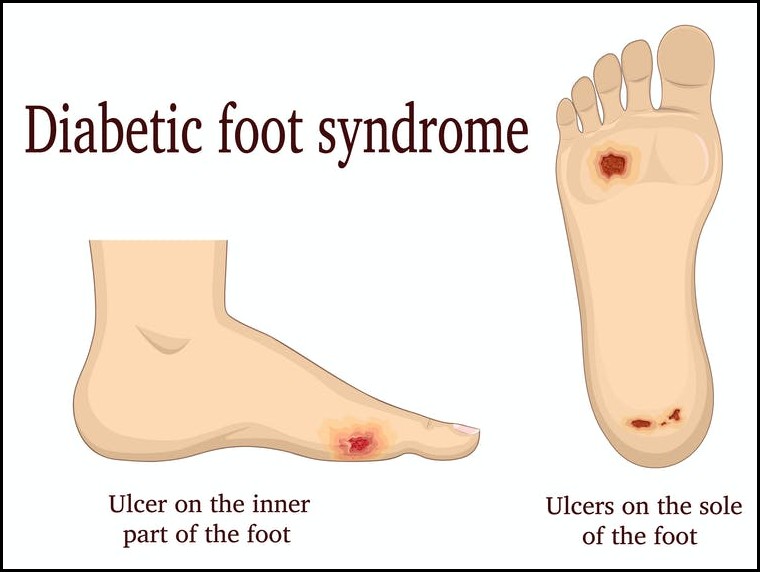
Due to advance peripheral nerve dysfunction associated with diabetes (diabetic neuropathy), patients' feet have a reduced ability to feel pain. This means that minor injuries may remain undiscovered for a long while, and hence may progress to a full-thickness diabetic foot ulcer.
Symptoms
- Drainage from your foot that might stain your socks or leak out in your shoe.
- Unusual swelling, irritation, redness, and odors from one or both feet are also common early symptoms of a foot ulcer.
- Black tissue (called eschar) surrounding the ulcer
- Partial or complete gangrene, which refers to tissue death due to infections, can appear around the ulcer. In this case, odorous discharge, pain, and numbness can occur.
Doctor identify the seriousness of your ulcer on a scale of 0 to 3 using the following criteria:
0: no ulcer but foot at risk
1: ulcer present but no infection
2:ulcer deep, exposing joints and tendons
3:extensive ulcers or abscesses from infection
Causes
Diabetic ulcers are most commonly caused by:
- Poor circulation
- High blood sugar (hyperglycemia)
- Nerve damage
- Irritated or wounded feet
Poor blood circulation is a form of vascular disease in which blood doesn’t flow to your feet efficiently. Poor circulation can also make it more difficult for ulcers to heal.
High glucose levels can slow down the healing process of an infected foot ulcer, so blood sugar management is critical. People with type 2 diabetes often have a harder time fighting off infections from ulcers.
Nerve damage is a long-term effect and can even lead to a loss of feeling in your feet. Damaged nerves can feel tingly and painful at first. Nerve damage reduces your sensitivity to foot pain and results in painless wounds that can cause ulcers.
Ulcers can be identified by drainage from the affected area and sometimes a noticeable lump that isn’t always painful.
Dry skin is common in diabetes. Your feet may be more prone to cracking. Calluses, corns, and bleeding wounds may occur.
Risk Factors
All people with diabetes are at risk for foot ulcers, which can have multiple causes. Some factors can increase the risk of foot ulcers, including:
- Poorly fitted or poor quality shoes
- Poor hygiene (not washing regularly or thoroughly)
- Improper trimming of toenails
- Alcohol consumption
- Eye disease from diabetes
- Heart disease
- Kidney disease
- Obesity
- Tobacco use (inhibits blood circulation)
Diabetic foot ulcers are also most common in older men.
Treatment
Stay off your feet to prevent pain and ulcers. This is called off-loading, and it’s helpful for all forms of diabetic foot ulcers. Pressure from walking can make an infection worse and an ulcer expand. For people who are overweight, extra pressure may be the cause of ongoing foot pain.Wearing certain items to protect your feet:
- Diabetic shoes
- Casts
- Foot braces
- Compression wraps
- Shoe inserts to prevent corns and calluses
Diabetic foot ulcers can be removed with a debridement, the removal of dead skin, foreign objects, or infections that may have caused the ulcer. An infection is a serious complication of a foot ulcer and requires immediate treatment. Not all infections are treated the same way. Tissue surrounding the ulcer may be sent to a lab to determine which antibiotic will help. If your doctor suspects a serious infection, he or she may order an X-ray to look for signs of bone infection. Infection of a foot ulcer can be prevented with:
- Foot baths
- Disinfecting the skin around an ulcer
- Keeping the ulcer dry with frequent dressing changes
- Enzyme treatments
- Dressings containing calcium alginates to inhibit bacterial growth
Medications
Your doctor may prescribe antibiotics, antiplatelets, or anti-clotting medications to treat your ulcer if the infection increases even after preventive or anti-pressure treatments.
Over-the-Counter Treatments
Many topical treatments are available for foot ulcers, including:
- Dressings containing silver or silver sulphadiazine cream
- Polyhexamethylene biguanide (PHMB) gel or solutions
- Iodine (either povidone or cadexomer)
- Medical grade honey in ointment or gel form
Surgical Procedures
Your doctor may recommend that you seek surgical help for your ulcers. A surgeon can help alleviate pressure around your ulcer by shaving down the bone or removing foot deformities such as bunions or hammertoes. If no other treatment option can help your ulcer heal or progress further into infection, surgery can prevent your ulcer from becoming worse or leading to amputation.
Preventions
- Optimising metabolic control via the regulation of blood glucose levels.
- Identification and screening of people at high risk for diabetic foot ulceration, especially those with advanced painless neuropathy.
- Patient education in order to promote foot self-examination and foot care knowledge.
- Patients would be taught routinely to inspect their feet for hyperkeratosis, fungal infection, skin lesions and foot deformities.
- Control of footwear is also important as repeated trauma from tight shoes can be a triggering factor, especially where peripheral neuropathy is present.
Frequently asked questions
Q.What are signs of diabetic feet?
- Changes in skin color.
- Changes in skin temperature.
- Swelling in the foot or ankle.
- Pain in the legs.
- Open sores on the feet that are slow to heal or are draining.
- Ingrown toenails or toenails infected with fungus.
- Corns or calluses.
- Dry cracks in the skin, especially around the heel.
Q.Is Vaseline good for diabetic feet?
Use unscented lotion or petroleum jelly (Vaseline) on your feet, though not between your toes. Diabetes can cause very dry skin, which in turn can cause cracking and other problems.
Q.Why can't diabetics soak their feet?
Soaking your feet may actually increase your risk of foot problems. It's recommended that you wash your feet every day, but you shouldn't soak them. Soaking can dry out your skin.
Q.How do you feel when your blood sugar is too high?
- Increased thirst.
- Frequent urination.
- Fatigue.
- Nausea and vomiting.
- Shortness of breath.
- Stomach pain.
- Fruity breath odor.
- A very dry mouth.
Q.What does the beginning of gangrene look like?
Initial redness and swelling either a loss of sensation or severe pain in the affected area. Sores or blisters that bleed or release a dirty-looking or foul-smelling discharge (if the gangrene is caused by an infection) the skin becoming cold and pale.
Q.How do you bring your sugar level down?
- Exercise regularly. Regular exercise can help you get to and maintain a moderate weight and increase insulin sensitivity.
- Manage your carb intake.
- Increase your fiber intake.
- Drink water and stay hydrated.
- Implement portion control.
- Choose foods with a low glycemic index.
- Manage stress levels.
- Monitor your blood sugar levels.
Q.How can diabetics improve circulation in their legs and feet?
- Biking, walking, running, swimming, and aerobics are good options. The most important thing is to be sure you're moving your toes, feet, ankles, and legs.
- Quit smoking: Smoking hardens your arteries, much like PAD, and decreases your circulation. Stopping can help improve how well your blood reaches your legs and feet.
If you have any related query, please contact us.
E-mail address- query@satyughealthcare.com
Phone number- +91888-242-4372, +91991-065-5125
Related Blogs


HAPPY PATIENTS
What Our Patients Are Saying































Our Gallery