Deep vein thrombosis (DVT) Surgery cost in India
Assistance
Consultation
Services
Opinion
Care Coordination
What will your treatment cost?

| Surgery Name | Cost | Room | Hospitalization |
|---|---|---|---|
| Deep vein thrombosis (DVT) Surgery cost in India | 4299 | Single | Patient - 2 days stay in a single room. |
✓ Inclusion
- Vascular surgeon's/interventional radiologist's fee for catheter-directed thrombolysis or mechanical thrombectomy
- Hospital accommodation including 1 to 2 days in the ICU/high-dependency unit and 2 to 3 days in a general ward
- Procedure/cath-lab charges and local or regional anesthesia
- Doppler ultrasound and venogram imaging for diagnosis and procedure planning
- Thrombolytic medication and catheter/device consumables used during the procedure
- Venous stent, if required for an underlying venous compression or narrowing (standard stent included)
- Routine pre-operative blood investigations including coagulation profile
- Compression stockings and post-procedure anticoagulation medication during admission
- One follow-up consultation with Doppler review before travel clearance
- Patient coordination and airport-to-hospital transfer assistance
✗ Exclusion
- International and domestic airfare, visa fees, and travel insurance
- Hotel accommodation for the patient and attendant before admission and after discharge
- Inferior vena cava (IVC) filter placement, if required in addition to or instead of thrombectomy (billed separately)
- Long-term oral anticoagulation medication required after discharge and return home
- Extended ICU stay beyond the standard days due to complications such as bleeding or recurrent clot
- Treatment of an underlying clotting disorder or cancer, if identified as the cause of the DVT
- Genetic or specialised thrombophilia testing, unless specifically requested
- Management of pulmonary embolism, if it has already occurred, treated as a separate critical-care admission
- Compression stockings and follow-up consultations needed after return to the home country
Know More About Procedure & Surgery
Deep vein thrombosis (DVT) occurs when a blood clot forms in one of the deep veins of the leg or pelvis, most often the iliac or femoral veins, and carries the serious risk of the clot breaking free and travelling to the lungs as a life-threatening pulmonary embolism. While most cases of DVT are managed with anticoagulant medication alone, patients with extensive iliofemoral clots, limb-threatening swelling, or a contraindication to blood thinners often require active intervention, which may include catheter-directed thrombolysis to dissolve the clot directly at its site, mechanical or aspiration thrombectomy to remove it, angioplasty and stenting of a compressed or narrowed vein, or placement of an inferior vena cava (IVC) filter to prevent embolism when anticoagulation is not possible. These are specialised vascular and interventional radiology procedures that require both advanced imaging and skilled catheter-based technique to restore blood flow and protect the limb from long-term post-thrombotic damage. India's vascular surgery and interventional radiology units, working out of NABH and JCI accredited hospitals, are well equipped for the full range of DVT interventions and treat a high volume of both domestic and international patients, at a fraction of the cost charged in the US, UK, or Gulf countries. With Satyug Healthcare, your case is reviewed by a vascular specialist ahead of travel to confirm the right intervention for your specific clot location and severity, with transparent package pricing, coordinated hospital admission, and structured follow-up including compression therapy guidance to reduce the risk of post-thrombotic syndrome after you return home.
Frequently Asked Questions
Most people are fully healed from a deep vein thrombosis (DVT) within a few weeks or months. But if you're recovering from this type of blood clot (which happens in a large vein, most often in your leg), you might be worried about how it will change your life and whether it will happen again.
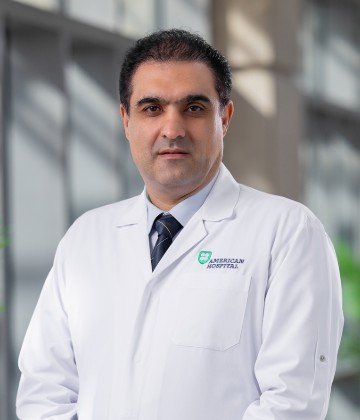
Top vascular surgeon in India




TOP HOSPITALS
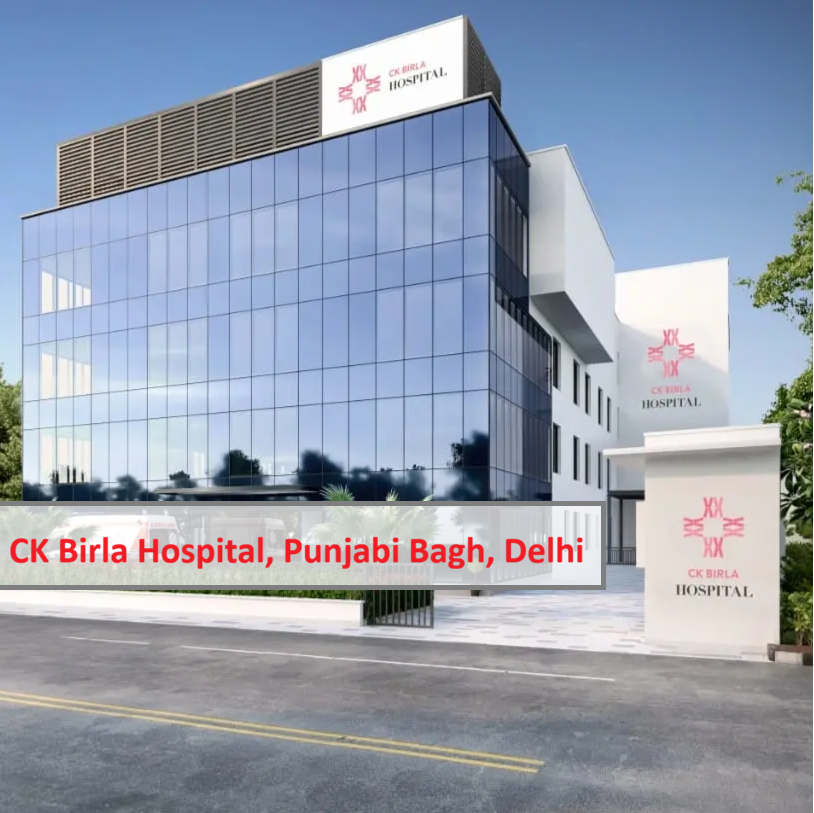
Special High-quality Hospitals




HAPPY PATIENTS
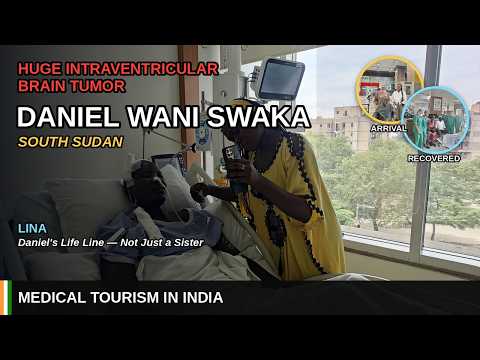
What Our Patients Are Saying
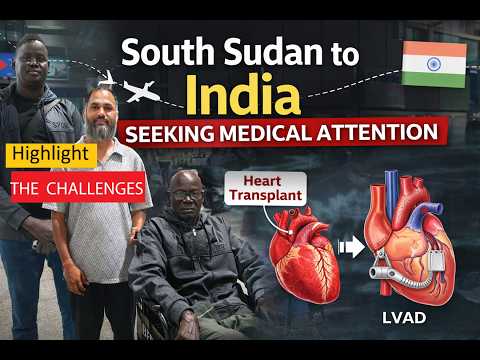



















Our Gallery