AV Fistula Creation (radiocephalic or brachiocephalic)
Assistance
Consultation
Services
Opinion
Care Coordination
What will your treatment cost?

| Surgery Name | Cost | Room | Hospitalization |
|---|---|---|---|
| AV Fistula Creation (radiocephalic or brachiocephalic) | 1000 USD | Private / Twin Sharing Room | Day care to 1 day in hospital; total stay in India 1-2 weeks (4-6 weeks if fistula maturation and dialysis are planned in India) |
| AV Fistula Creation (radiocephalic or brachiocephalic) | 1000 USD | Twin Sharing | Day care to 1 day hospital |
| AV Fistula + 12 Haemodialysis Sessions | 2200 USD | Twin Sharing | 1 day hospital plus outpatient dialysis over 4 weeks |
| AV Graft (PTFE) + 12 Haemodialysis Sessions | 3200 USD | Private Room | 1-2 days hospital plus outpatient dialysis over 4 weeks |
✓ Inclusion
- Pre-operative consultation with a vascular surgeon and nephrologist
- Doppler vein mapping and routine pre-operative blood tests
- Surgeon, anaesthesia and operation theatre charges
- Hospital stay in the room category of the chosen package
- Medicines and consumables used during the hospital stay
- Haemodialysis sessions and consumables in dialysis packages
- Follow-up review and fistula maturation check
- Satyug Healthcare airport pick-up, interpreter and patient coordination support
✗ Exclusion
- Flights, visa fees and travel insurance
- Hotel / guest-house stay outside the hospital and food for attendants
- Pre-existing illness treatment, additional procedures or devices not mentioned in inclusions
- Extra hospital days, ICU stay or complications beyond the package
- Blood and blood products, special high-cost drugs and medicines after discharge
- Pre-procedure investigations done outside the package (if any)
Know More About Procedure & Surgery
AV Fistula Surgery and Dialysis in India
An arteriovenous (AV) fistula is a direct surgical connection between an artery and a vein, usually in the arm, created to give patients with kidney failure a strong, long-lasting access point for haemodialysis. It is regarded as the gold-standard dialysis access because it has fewer infections and blockages than catheters or grafts. India's accredited hospitals offer AV fistula creation by experienced vascular and transplant surgeons, along with high-quality haemodialysis units, at a fraction of Western costs. International patients can have the fistula made, start dialysis safely, and return home with a working access and a clear dialysis plan.
Cost of AV fistula surgery and dialysis in India starts from USD 1000 at leading JCI / NABH accredited hospitals. Day care to 1 day in hospital; total stay in India 1-2 weeks (4-6 weeks if fistula maturation and dialysis are planned in India).
| Package | Cost (USD) | Room | Hospital stay |
|---|---|---|---|
| AV Fistula Creation (radiocephalic or brachiocephalic) | 1000 USD | Twin Sharing | Day care to 1 day hospital |
| AV Fistula + 12 Haemodialysis Sessions | 2200 USD | Twin Sharing | 1 day hospital plus outpatient dialysis over 4 weeks |
| AV Graft (PTFE) + 12 Haemodialysis Sessions | 3200 USD | Private Room | 1-2 days hospital plus outpatient dialysis over 4 weeks |
Final cost depends on the hospital, room category, doctor, implants/medicines used and the patient's medical condition. Share your reports with Satyug Healthcare for a free written estimate.
About the Procedure
- An AV fistula joins an artery to a nearby vein so that high-pressure arterial blood flows into the vein, making it grow larger and thicker over 6-12 weeks; this process is called maturation.
- The most common types are the radiocephalic fistula at the wrist, the brachiocephalic fistula at the elbow and the brachiobasilic fistula with vein transposition in the upper arm, chosen according to the size and quality of the patient's vessels.
- When a patient's own veins are too small or damaged, an AV graft using a synthetic PTFE tube can be placed between the artery and vein; a graft can be used sooner but has a higher risk of clotting and infection.
- Patients who need dialysis urgently, before the fistula matures, are dialysed through a temporary or tunnelled central venous catheter placed in the neck.
- Haemodialysis is usually performed three times a week for about four hours per session, filtering waste products and excess fluid from the blood through an artificial kidney (dialyser).
- Leading Delhi/NCR hospitals combine vascular surgery, nephrology and dialysis services under one roof, so access surgery, dialysis and transplant evaluation can be coordinated together.
Purpose of the Procedure
- To create a reliable, long-term vascular access for patients with end-stage kidney disease (chronic kidney disease stage 5) who need regular haemodialysis.
- To provide blood flow high enough for efficient dialysis, improving how well toxins and fluid are removed.
- To reduce dependence on central venous catheters, which carry a much higher risk of bloodstream infection and vein narrowing.
- To plan access early, ideally several months before dialysis is needed, so the fistula has time to mature.
- To stabilise patients on dialysis while they are evaluated for a kidney transplant.
- To give patients an access that, with good care, can last for many years.
Diagnosis and Tests Before the Procedure
- Review of kidney function tests, including serum creatinine, urea, estimated GFR and electrolytes, by a nephrologist.
- Complete blood count, coagulation profile, blood sugar and viral markers (HBsAg, HCV, HIV) required before dialysis.
- Vein mapping by Doppler ultrasound of both arms to measure vein diameter and depth and to check arterial flow.
- Physical examination of the arms, including the Allen test to confirm good blood supply to the hand.
- Assessment of the non-dominant arm as the preferred site, and avoidance of arms with previous lines or injuries.
- Cardiac evaluation with ECG and echocardiogram, as many kidney patients have heart disease.
- Chest X-ray and, where needed, venography to check the central veins for narrowing caused by previous catheters.
- Review of medications such as blood thinners and diabetes medicines before surgery.
Step-by-Step Procedure
- The patient is admitted on the day of surgery after a final review by the vascular surgeon and nephrologist.
- The chosen arm is marked using the ultrasound vein map and the area is cleaned and draped.
- Anaesthesia is given, usually a local anaesthetic or a regional nerve block of the arm, so the patient stays awake but comfortable.
- A small incision of about 3-5 cm is made at the wrist or elbow to expose the selected artery and vein.
- The vein is carefully divided and joined to the side of the artery with very fine sutures under magnification (anastomosis).
- The surgeon checks for a 'thrill', a buzzing vibration that confirms good blood flow through the new fistula, and closes the wound.
- If dialysis is needed immediately, a temporary or tunnelled dialysis catheter is placed in the neck under ultrasound guidance.
- Most patients go home the same day or the next morning with instructions on arm exercises and fistula care.
- Haemodialysis sessions continue through the catheter while the fistula matures, and a follow-up Doppler confirms when it is ready for needling.
Risks and Possible Complications
- Failure of the fistula to mature, which may need a minor procedure such as balloon angioplasty or a revision.
- Clotting (thrombosis) of the fistula, especially if blood pressure drops or the arm is compressed.
- Bleeding or a collection of blood (haematoma) around the wound.
- Wound infection, which is uncommon with fistulas but more frequent with synthetic grafts.
- Steal syndrome, where too much blood is diverted from the hand, causing coldness, pain or numbness.
- Swelling of the arm from narrowing of the central veins, more likely in patients who had previous catheters.
- Aneurysm or enlargement of the fistula over time, which needs monitoring.
- During dialysis: low blood pressure, cramps, nausea and, rarely, catheter-related infection.
Your specialist will explain the risks specific to your condition. Choosing an experienced, high-volume hospital keeps complication rates low.
Recovery and Aftercare
- Mild pain and swelling settle within a few days; simple painkillers are usually enough.
- Stitches are removed after 10-14 days, and the wound should be kept clean and dry until then.
- From the first week, gentle hand-squeezing exercises with a soft ball help the vein grow and mature.
- A native fistula typically matures in 6-12 weeks; an AV graft can often be used after 2-3 weeks.
- Patients must avoid blood pressure cuffs, injections, tight sleeves, heavy lifting and sleeping on the fistula arm.
- Checking the thrill daily is important; any loss of the buzzing feeling should be reported to the doctor urgently.
- Patients are usually fit to fly within a few days of surgery, but those on dialysis should arrange dialysis sessions in their home country before travelling.
Why Choose India for AV fistula surgery and dialysis?
- JCI and NABH accredited hospitals with the latest medical technology
- Highly experienced specialists, many trained in the USA, UK and Europe
- Cost 60-80% lower than the USA, UK, Gulf countries and Singapore, with the same international-standard care
- No waiting lists - treatment can usually be scheduled within days of arrival
- Free end-to-end support from Satyug Healthcare: opinions, visa letter, airport pickup, interpreter and accommodation
Step-by-Step Process to Travel to India for Treatment
- Share your reports - send your latest reports, scans/CD, angiography or echo films and passport copy to Satyug Healthcare on WhatsApp (+91-8860606766 / +91-9910655125) or email.
- Free medical opinion & cost estimate - within 24-72 hours we share opinions and written cost estimates from 2-3 JCI/NABH-accredited hospitals and specialists.
- Choose hospital & doctor - compare doctor experience, hospital, room category and total cost; we help you decide with no extra charge.
- Visa Invitation Letter (VIL) - the hospital issues a VIL for the patient and up to two attendants; we arrange it within 24-48 hours.
- Apply for Indian e-Medical Visa - apply online for the e-Medical Visa (patient) and e-Medical Attendant Visa (family) using the VIL; most approvals come in 3-5 working days.
- Book flights & accommodation - we suggest flights and arrange a guest house, service apartment or hotel near the hospital to suit your budget.
- Free airport pickup - our representative receives you at the airport and takes you to your hotel or directly to the hospital.
- Hospital admission & treatment - a dedicated coordinator and language interpreter stay with you for registration, tests, doctor consultations, the procedure and billing.
- Discharge & follow-up - you receive the discharge summary, prescriptions and fitness-to-fly certificate; follow-up checks are done before you fly.
- Return home & tele-follow-up - we arrange airport drop and stay connected for online follow-up consultations with your doctor in India.
Contact Satyug Healthcare - International Patient Helpdesk: +91-8860606766 | +91-9910655125 (WhatsApp available) for a free medical opinion and cost estimate.
Frequently Asked Questions
The cost of AV fistula surgery and dialysis in India starts from USD 1000. AV Fistula Creation (radiocephalic or brachiocephalic): USD 1000; AV Fistula + 12 Haemodialysis Sessions: USD 2200; AV Graft (PTFE) + 12 Haemodialysis Sessions: USD 3200. The final cost depends on the hospital, room category and medical condition.
AV Fistula Surgery and Dialysis Cost in India starts from USD 1000 at JCI/NABH hospitals. Procedure, purpose, tests, risks, recovery and travel steps. Free opinion from Satyug Healthcare.


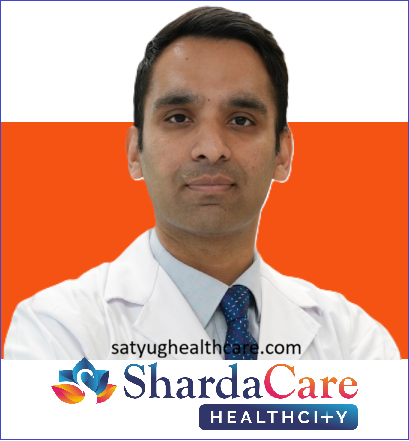



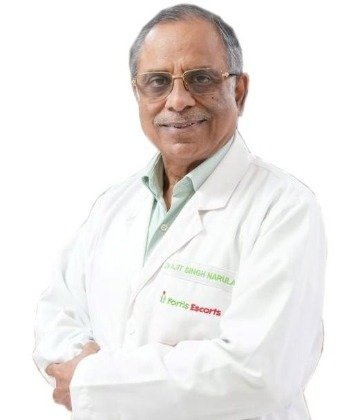
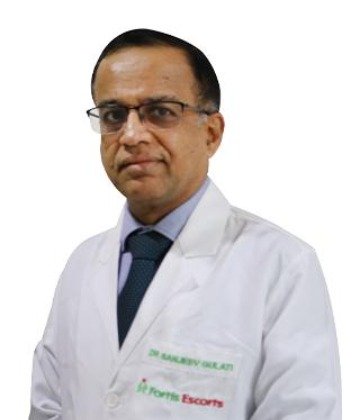
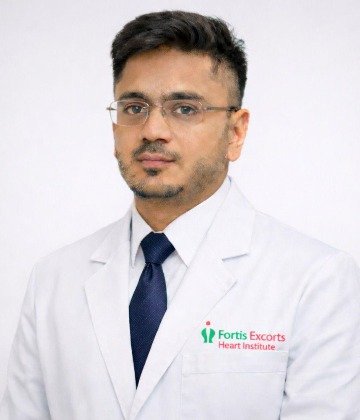
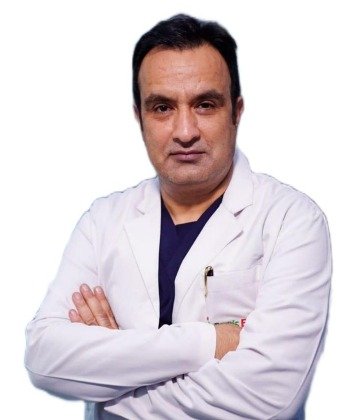



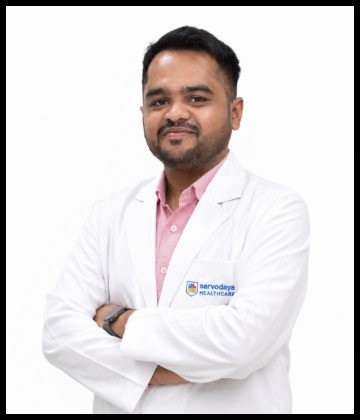
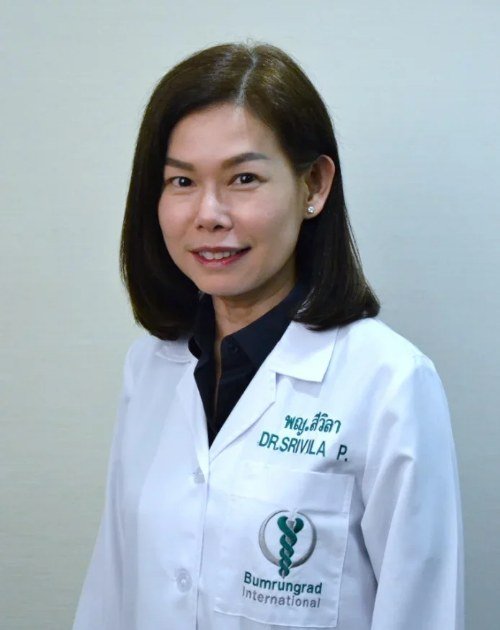
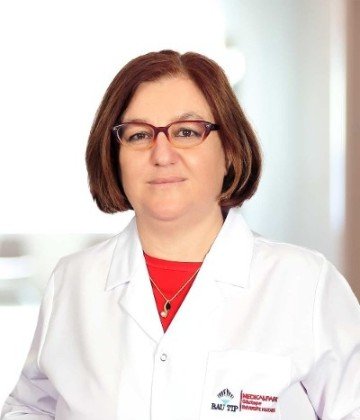
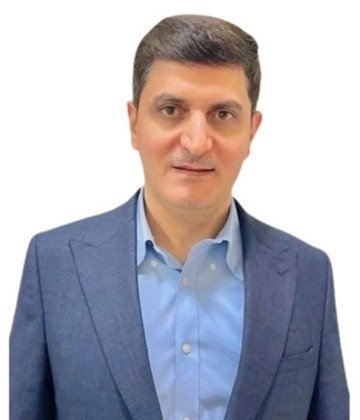
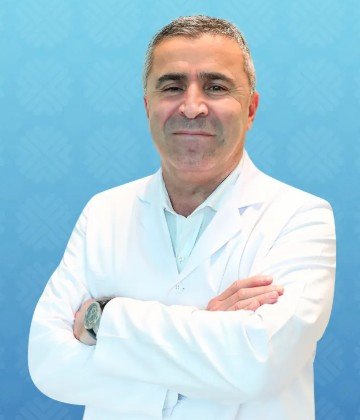
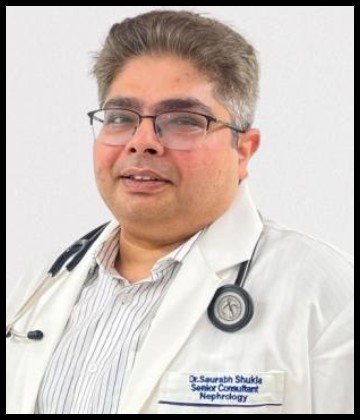
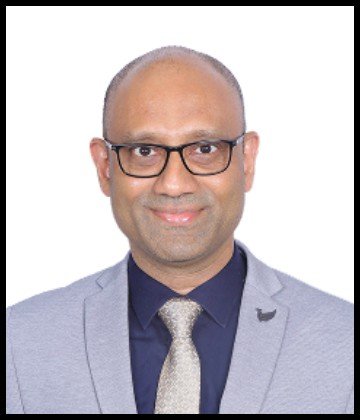
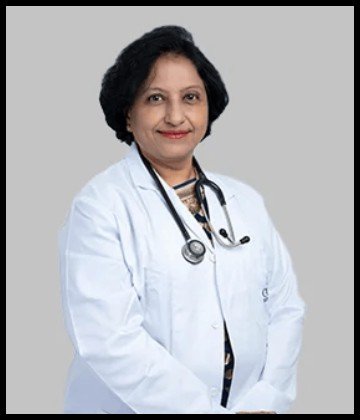
![Dr. Anish Garg [MBBS, MD, DM - Nephrology] - Doctor at Satyug Healthcare](https://satyughealthcare.com/uploads/doctors/0a88b1f0a3d214c4fcf93836362773df.jpg)
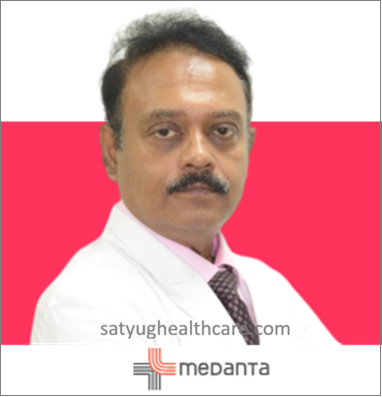
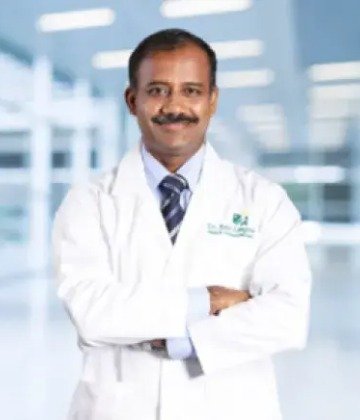
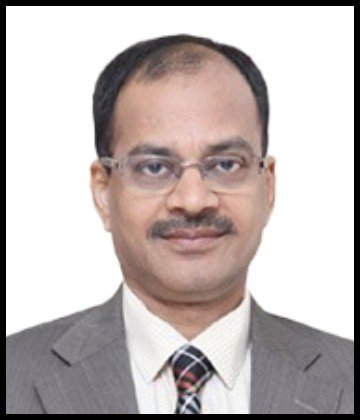
![Dr. Anish Garg [MBBS, MD, DM - Nephrology] - Doctor at Satyug Healthcare](https://satyughealthcare.com/uploads/doctors/a72f20f50bd1b77ea8327eae305ad0c5.jpg)










TOP HOSPITALS
Special High-quality Hospitals


HAPPY PATIENTS
What Our Patients Are Saying















Our Gallery