Encephalitis is an acute inflammation (swelling) of the brain usually resulting from either a viral infection or due to the body’s own immune system mistakenly attacking brain tissue.The most common cause is a viral infection. The brain becomes inflamed as a result of the body’s attempt to fight off the virus. Encephalitis generally begins with fever and headache. The symptoms rapidly worsen, and there may be seizures (fits), confusion, drowsiness, and loss of consciousness, and even coma. Encephalitis can be life-threatening, but this is rare. Mortality depends on a number of factors, including the severity of the disease and age.
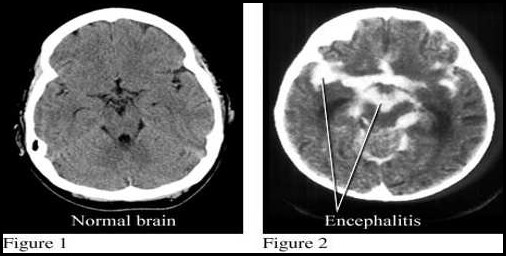
Primary or infectious encephalitis can result if a fungus, virus, or bacterium infects the brain.
Secondary, or post-infectious, encephalitis is when the immune system responds to a previous infection and mistakenly attacks the brain.
Age. Some types of encephalitis are more common or more severe in certain age groups. In general, young children and older adults are at greater risk of most types of viral encephalitis.
Weakened immune system. People who have HIV/AIDS, take immune-suppressing drugs or have another condition causing a weakened immune system are at increased risk of encephalitis.
Geographical regions. Mosquito- or tick-borne viruses are common in particular geographical regions.
Season of the year. Mosquito- and tick-borne diseases tend to be more common in summer.
Treatment for encephalitis focuses on alleviating symptoms. There are only a limited number of reliably tested specific antiviral agents that can help, one of which is acyclovir; success is limited for most infections except when the condition is due to herpes simplex.
Corticosteroids may be administered to reduce the brain’s inflammation, especially in cases of post-infectious (secondary) encephalitis. If the patient has severe symptoms, they may need mechanical ventilation to help them breathe and other supportive treatment.
Anticonvulsants are sometimes given to patients who have seizures. Sedatives can be effective for seizures, restlessness, and irritability. For patients with mild symptoms, the best treatment is rest, plenty of fluids, and Tylenol (paracetamol) for fever and headaches.
Practice good hygiene. Wash hands frequently and thoroughly with soap and water, particularly after using the toilet and before and after meals.
Don't share utensils. Don't share tableware and beverages.
Teach your children good habits. Make sure they practice good hygiene and avoid sharing utensils at home and school.
Get vaccinations. Keep your own and your children's vaccinations current. Before traveling, talk to your doctor about recommended vaccinations for different destinations.
Frequently asked questions
Q.What is the main cause of encephalitis?
Encephalitis is most often due to a virus, such as: herpes simplex viruses, which cause cold sores and genital herpes the varicella zoster virus, which causes chickenpox and shingles. measles, mumps and rubella viruses.
Q.How is encephalitis diagnosed?
Q.Who is at risk for encephalitis?
In general, young children and older adults are at greater risk of most types of viral encephalitis. Weakened immune system. People who have HIV/AIDS, take immune-suppressing drugs or have another condition causing a weakened immune system are at increased risk of encephalitis.
Q.What are the long term effects of viral encephalitis?
Encephalitis can damage the brain and cause long-term problems including: memory problems. Personality and behavioural changes. Speech and language problems.
Q.How long does it take to recover from encephalitis?
In most cases, people with very mild encephalitis can make a full recovery, although the process may be slow. Individuals who experience only headache, fever, and stiff neck may recover in 2-4 weeks.