
Amputation Surgery Package
Assistance
Consultation
Services
Opinion
Care Coordination
What will your treatment cost?
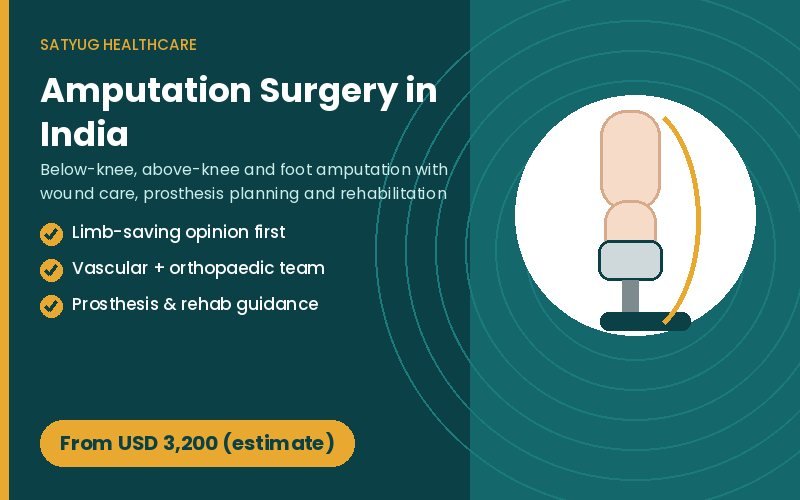
See the cost breakdown by option, hospital and city →
| Surgery Name | Cost | Room | Hospitalization |
|---|---|---|---|
| Amputation Surgery Package | 3200 | Twin Sharing | 5-7 Days in Hospital; Total Stay in India 3-4 Weeks |
✓ Inclusion
- ✔Consultation with vascular and orthopaedic surgeons
- ✔Routine pre-operative blood tests, ECG and X-ray
- ✔Surgeon, anaesthesia and operation theatre charges
- ✔Hospital stay of 5–7 days in a twin-sharing room with nursing care
- ✔Routine medicines, dressings and consumables during the stay
- ✔Physiotherapy during the hospital stay
- ✔Satyug coordinator, free interpreter (Arabic, French, Russian) and airport pick-up
✗ Exclusion
- ✖Angiography, angioplasty or bypass (separate packages)
- ✖Prosthesis (artificial limb) and prosthetic fitting
- ✖ICU stay, dialysis or treatment of heart / kidney complications
- ✖Extra hospital days or a repeat operation
- ✖Outpatient dressings and physiotherapy after discharge
- ✖Hotel, flights, visa fees and meals
Know More About Procedure & Surgery
Amputation Surgery in India (Below-Knee, Above-Knee & Foot)
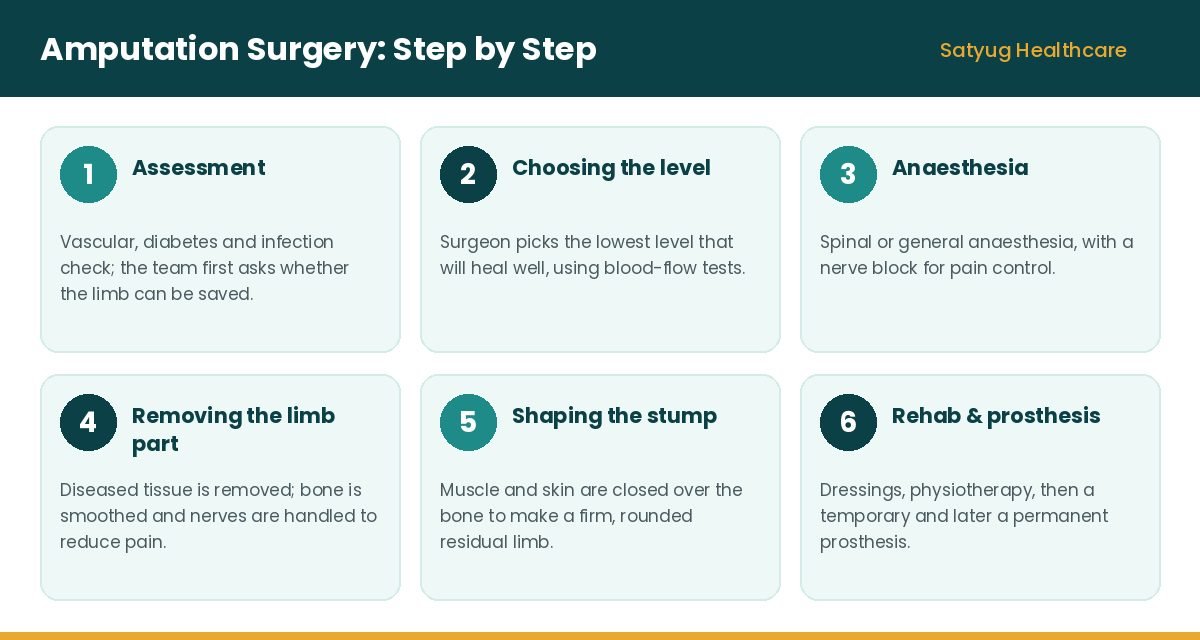
Amputation is the planned surgical removal of part of a limb that is dead, badly infected, crushed beyond repair or affected by a tumour. In India it is done by vascular, orthopaedic and plastic surgeons working together at accredited hospitals, with wound care, physiotherapy and prosthesis planning. Before any amputation, our partner teams first check whether the limb can be saved with blood-flow treatment or infection control.
🦷 What is Amputation Surgery?
An amputation removes a toe, foot, leg, finger, hand or arm when the tissue cannot survive or is a danger to the patient’s life. The most common reasons are poor blood flow (peripheral arterial disease, often with diabetes), severe infection or gangrene, major injuries and bone or soft-tissue cancers. In the United States, vascular disease (including diabetes) accounts for about 54% of people living with limb loss, trauma about 45% and cancer under 2% (Ziegler-Graham et al., Archives of Physical Medicine and Rehabilitation, 2008).
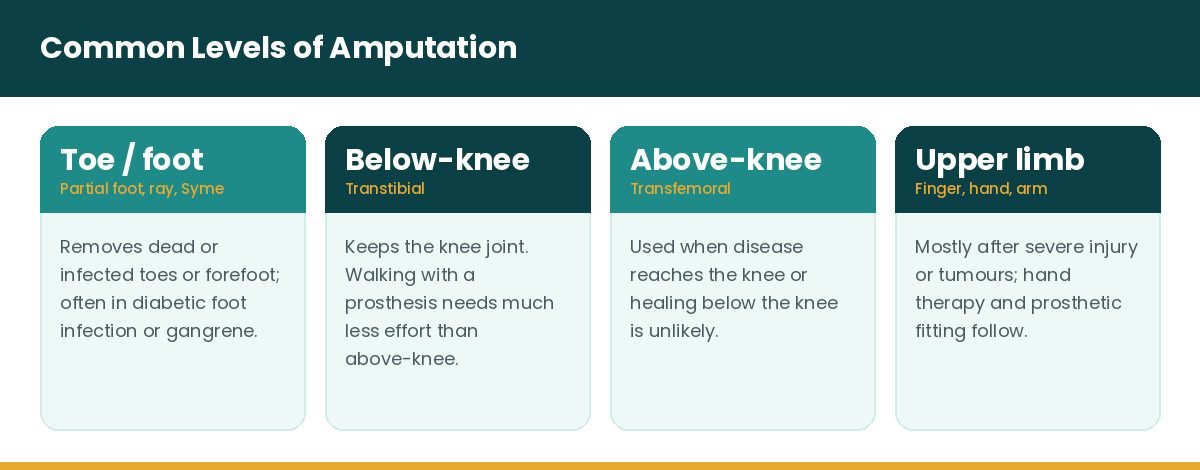
The surgeon removes the diseased part at the lowest level that will heal. Keeping the knee is very valuable: people with a below-knee amputation usually walk with a prosthesis more easily than people with an above-knee amputation. The bone end is smoothed, nerves are cut cleanly so they sit away from pressure points, and muscle and skin are closed to form a well-padded residual limb (stump) that can later fit an artificial limb.
Amputation is often a life-saving operation, not a failure of treatment. If the leg can be saved, our partner hospitals also offer Peripheral Balloon Angioplasty, Femoro-Popliteal Bypass and, for bone tumours, Limb Salvage Surgery.
🖼️ Understand It in Pictures
Levels of amputation
Life after below-knee amputation

Learning to walk again with a prosthesis

🔍 Why Amputation May Be Needed
⚠️ Warning Signs and When Amputation Can Be Avoided
- ➤Black or blue toes or skin (gangrene)
- ➤Foot ulcer that is not healing after weeks of treatment
- ➤Severe pain in the foot at rest, worse at night
- ➤Spreading redness, swelling, pus or foul smell
- ➤Fever and high blood sugar with a foot wound
- ➤Cold, pale foot with weak or absent pulses
- ➤Bone visible in a wound
- ➤Crush injury with no feeling or blood flow below it
🔬 Tests Before the Procedure
| Test / check | Why it matters |
|---|---|
| Doppler ultrasound / ankle-brachial index (ABI) | Measures blood flow; shows whether a lower level will heal. |
| CT or MR angiography | Maps blocked arteries and checks whether angioplasty or bypass is possible. |
| X-ray and MRI of the foot or limb | Detects bone infection (osteomyelitis), gas or fractures. |
| Blood tests: CBC, HbA1c, kidney function, CRP, clotting | Infection level, diabetes control and fitness for surgery. |
| Wound swab / tissue culture | Chooses the right antibiotics. |
| ECG, echo and anaesthesia check | Most patients have heart and kidney risks that must be checked. |
🏥 The Procedure — Step by Step
⚖️ Types of Amputation Compared
| Type | What is removed | Typical hospital stay | Walking afterwards |
|---|---|---|---|
| Toe / ray amputation | One or more toes with part of the foot bone | 2–4 days | Usually walk with special shoes or insoles |
| Transmetatarsal / Syme | Front of the foot / foot at the ankle | 3–5 days | Special shoe or short prosthesis |
| Below-knee (transtibial) | Leg below the knee; knee kept | 5–7 days | Most active patients walk well with a prosthesis |
| Through-knee / above-knee | Leg at or above the knee | 5–10 days | More effort to walk; prosthetic knee needed |
| Upper-limb (finger, hand, arm) | Part of the arm or hand | 2–5 days | Hand therapy; body-powered or myoelectric prosthesis |
📅 Your Day-by-Day Plan in India
| Day | What happens |
|---|---|
| Day 1 | Arrival in India ✈️, airport pick-up, hotel check-in |
| Day 2 | Consultation with vascular and orthopaedic surgeons; Doppler, X-ray, blood tests, ECG/echo |
| Day 3 | Admission; antibiotics and sugar control; angiography if needed |
| Day 4 | Surgery (1–3 hours) |
| Days 5–9 | Ward stay: pain control, wound checks, physiotherapy, sitting and transfers |
| Days 10–20 | Hotel stay with dressing changes, exercises and stump bandaging; stitches out at about 2–3 weeks |
| Days 20–28 | Final review, rehab plan and prosthesis advice; fitness to fly ✈️ |
🌱 Recovery & Aftercare
🏆 Outcomes After Amputation
| Measure | What to expect |
|---|---|
| Main aim | Remove dead or infected tissue and save life; relieve severe pain |
| Wound healing | Best when blood flow at the chosen level is adequate and diabetes is controlled |
| Walking | Most active below-knee amputees walk with a prosthesis; above-knee walking needs more energy and training |
| Phantom limb pain | Common in the first months; usually improves with time, medicines and therapy |
| Return to work | Depends on the job and level; many return after rehabilitation |
🩹 Risks & Possible Complications
- •Wound infection or slow healing - more common with diabetes, smoking and poor circulation
- •Need for a further operation or a higher amputation if the wound does not heal
- •Bleeding or haematoma
- •Blood clots in the legs or lungs (DVT / pulmonary embolism) - prevented with blood thinners and early movement
- •Phantom limb pain and stump (residual limb) pain or neuroma
- •Joint stiffness (contracture) of the knee or hip if exercises are not done
- •Heart attack, stroke or kidney problems in high-risk patients
- •Skin breakdown from a poorly fitting prosthesis
💰 Cost of Amputation Surgery in India
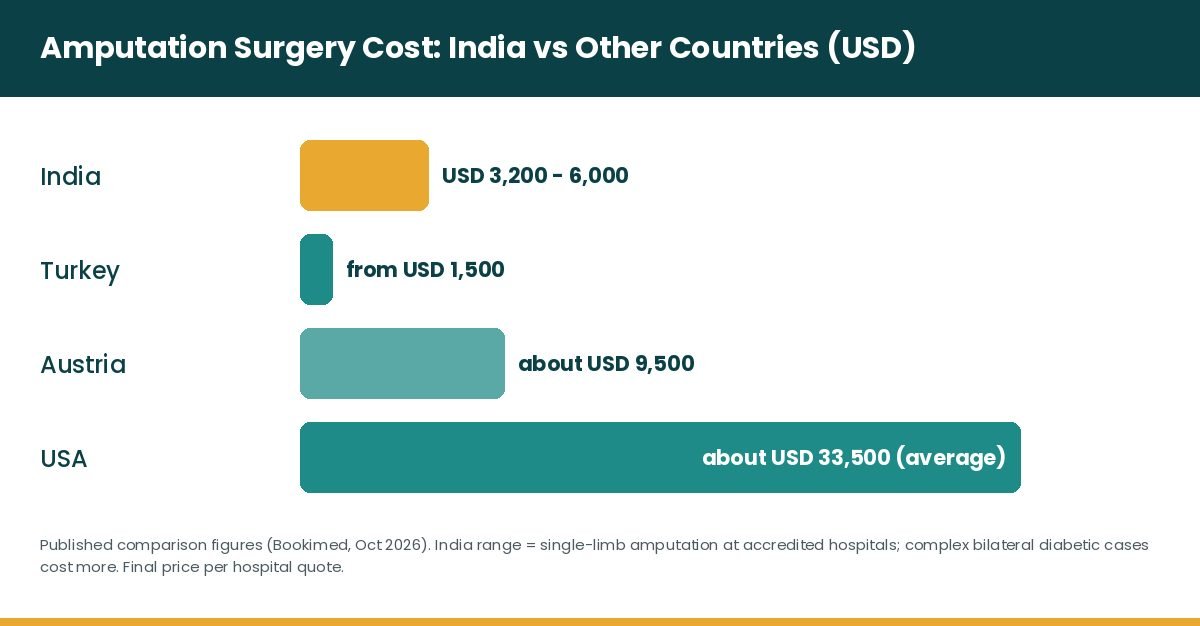
Amputation surgery in India costs an estimated USD 3,200–6,000 for a single-limb operation at an accredited hospital, depending on the level, infection, diabetes control, room type and length of stay. Complex cases with both feet, severe infection or major medical problems cost more.
Estimated cost range (USD), final price per hospital quote
| Treatment | Estimated cost (USD) | Notes |
|---|---|---|
| Below-knee or above-knee amputation (single limb) | 3,200–6,000 | 5–7 days in hospital; surgery, anaesthesia, room, routine medicines |
| Toe / ray / partial foot amputation | quoted per case | Often shorter stay; depends on infection and wound care |
| Complex bilateral foot amputation in a diabetic patient | about 8,000 | Written hospital quote received by Satyug (Sept 2026), 5–7 days in hospital |
| Angioplasty / bypass to save the limb (if possible) | see linked packages | Done before or instead of amputation |
| Prosthesis (artificial limb) | quoted separately | Price depends on level, socket and foot or knee type |
📋 What the Package Includes
- ✔Consultation with vascular and orthopaedic surgeons
- ✔Routine pre-operative blood tests, ECG and X-ray
- ✔Surgeon, anaesthesia and operation theatre charges
- ✔Hospital stay of 5–7 days in a twin-sharing room with nursing care
- ✔Routine medicines, dressings and consumables during the stay
- ✔Physiotherapy during the hospital stay
- ✔Satyug coordinator, free interpreter (Arabic, French, Russian) and airport pick-up
- ✖Angiography, angioplasty or bypass (separate packages)
- ✖Prosthesis (artificial limb) and prosthetic fitting
- ✖ICU stay, dialysis or treatment of heart / kidney complications
- ✖Extra hospital days or a repeat operation
- ✖Outpatient dressings and physiotherapy after discharge
- ✖Hotel, flights, visa fees and meals
✈️ Your Medical Travel Process with Satyug Healthcare

| Step | Details |
|---|---|
| 1. Send reports | Clear photos of the wound or limb, recent Doppler or angiography reports, X-rays/MRI, blood sugar (HbA1c) and kidney tests, and a list of your medicines. |
| 2. Free opinion & quotes | Within 48-72 hours you receive opinions and cost estimates from 3-5 leading hospitals to compare. |
| 3. Choose hospital & doctor | We help you compare surgeons, success data, room options and total cost – with no hidden charges. |
| 4. Medical visa | The hospital issues a Visa Invitation Letter (VIL) and we help with the e-Medical visa for the patient and up to 2 attendants. |
| 5. Travel & arrival | Free airport pick-up, help with a local SIM card and currency, and a hotel or guest house close to the hospital. |
| 6. Treatment | A coordinator (English, Arabic, French or Portuguese) and a free interpreter (Arabic, French or Russian) stay with you for admission, tests, surgery and ward stay, and help with bills and insurance papers. |
| 7. Recovery & follow-up | FRRO registration if needed, fitness-to-fly certificate, discharge summary, and teleconsultation follow-up with your surgeon after you return home. |
🎒 Travel Checklist
- 📌Valid passport (6+ months) for the patient and attendants, plus 10 passport-size photos each
- 📌e-Medical visa / medical visa and the hospital’s Visa Invitation Letter (VIL)
- 📌All reports: Doppler / angiography, X-ray or MRI of the limb, HbA1c, kidney function, ECG/echo, wound culture and photos of the wound
- 📌Yellow fever vaccination certificate (mandatory for travellers from African countries)
- 📌Polio vaccination certificate where applicable
- 📌Cash above USD 5,000 (or equivalent) must be declared to Indian Customs on arrival; carry an international debit/credit card
- 📌FRRO registration within 14 days if your visa or stay requires it (Satyug helps with this)
- 📌Comfortable clothes, phone charger, adapter, and a list of emergency contacts
⭐ Why Choose Satyug Healthcare?
❓ Frequently Asked Questions
➤ How much does amputation surgery cost in India?
➤ Can my leg be saved instead of amputated?
➤ How long will I stay in hospital?
➤ How long should I stay in India?
➤ When can I get an artificial leg?
➤ What is phantom limb pain?
➤ Is below-knee better than above-knee amputation?
➤ Is amputation done under general anaesthesia?
➤ I have diabetes and kidney disease. Can I still have surgery?
➤ What happens if the wound does not heal?
➤ Will I be able to walk again?
➤ Is the prosthesis included in the package?
➤ Do you provide an interpreter?
Medical disclaimer: This page is for general information and does not replace a consultation with a qualified vascular or orthopaedic surgeon. The level of amputation, treatment plan and price are confirmed only after examination and tests. Sources: NHS: Amputation; StatPearls (NCBI): Lower Extremity Amputation; Ziegler-Graham K et al. Estimating the prevalence of limb loss in the United States: 2005 to 2050. Arch Phys Med Rehabil 2008 (vascular 54%, trauma 45%, cancer <2%); Amputee Coalition: Limb loss statistics; Bookimed: Amputation in India (USD 3,200–6,000; Turkey from USD 1,500; Austria about USD 9,500; USA average USD 33,500; accessed Nov 2026); Medicover Hospitals: Amputation surgery cost (INR 80,000–2,50,000; accessed Nov 2026); partner hospital written quote, Sept 2026. Image credits: Below-knee prosthesis photo: Axiles Bionics, CC BY-SA 2.0; gait training photo: Kelvin Haukila, CC BY-SA 4.0 (both via Wikimedia Commons). Infographics and banner: Satyug Healthcare.
✍️ Written & reviewed by Vikram Kashyap, Medical Consultant, Satyug Healthcare · Last updated: October 2026
Frequently Asked Questions
An estimated USD 3,200–6,000 for a single-limb (below-knee or above-knee) amputation at an accredited hospital, with 5–7 days in hospital. Complex cases cost more; one partner hospital quoted about USD 8,000 for a bilateral diabetic foot amputation. The final price comes from the hospital after reviewing reports.
Amputation surgery in India from an estimated USD 3,200: below-knee, above-knee and foot amputation, 5-7 day stay, limb-salvage opinion and rehab support.


















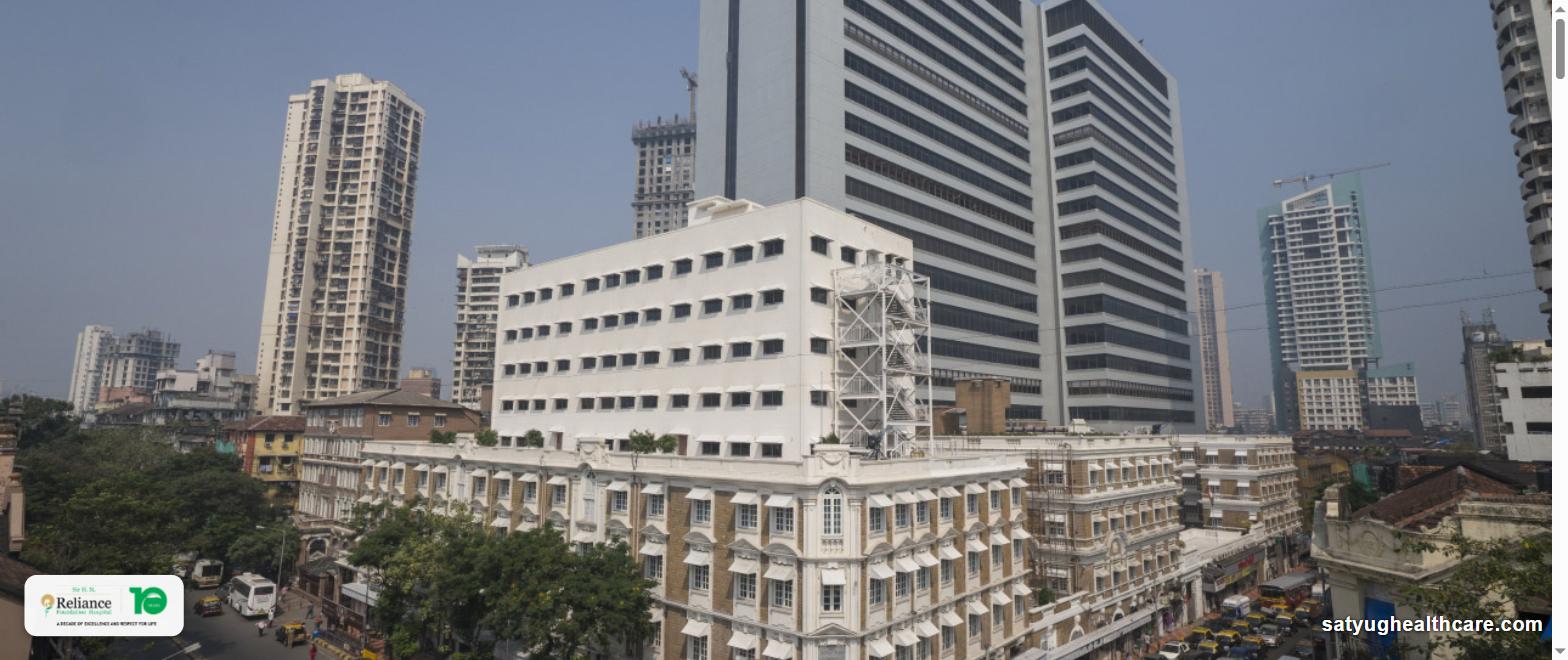
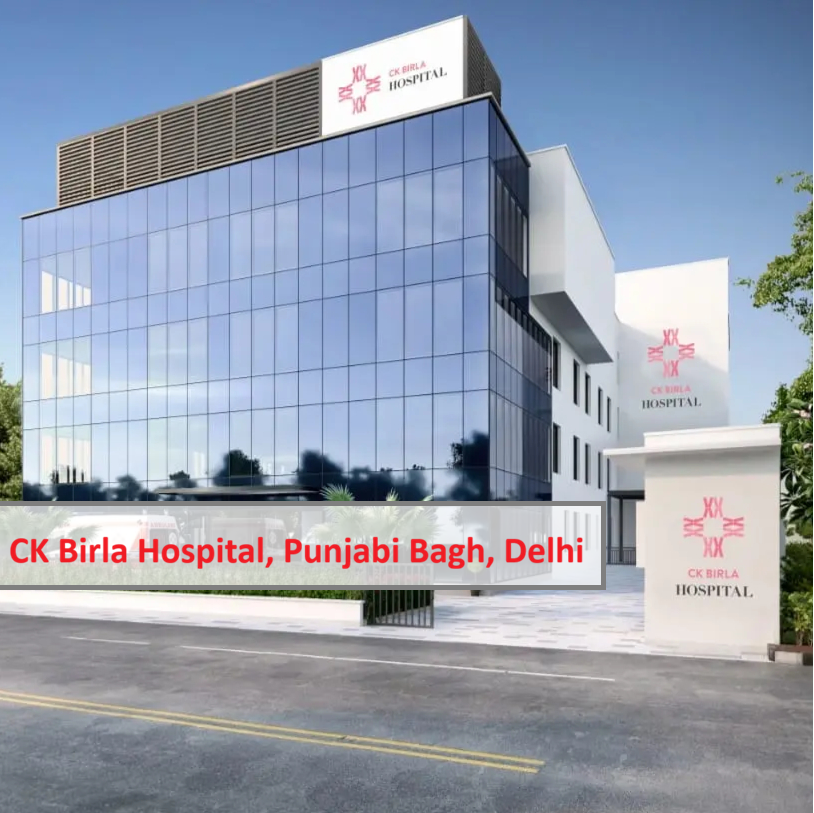
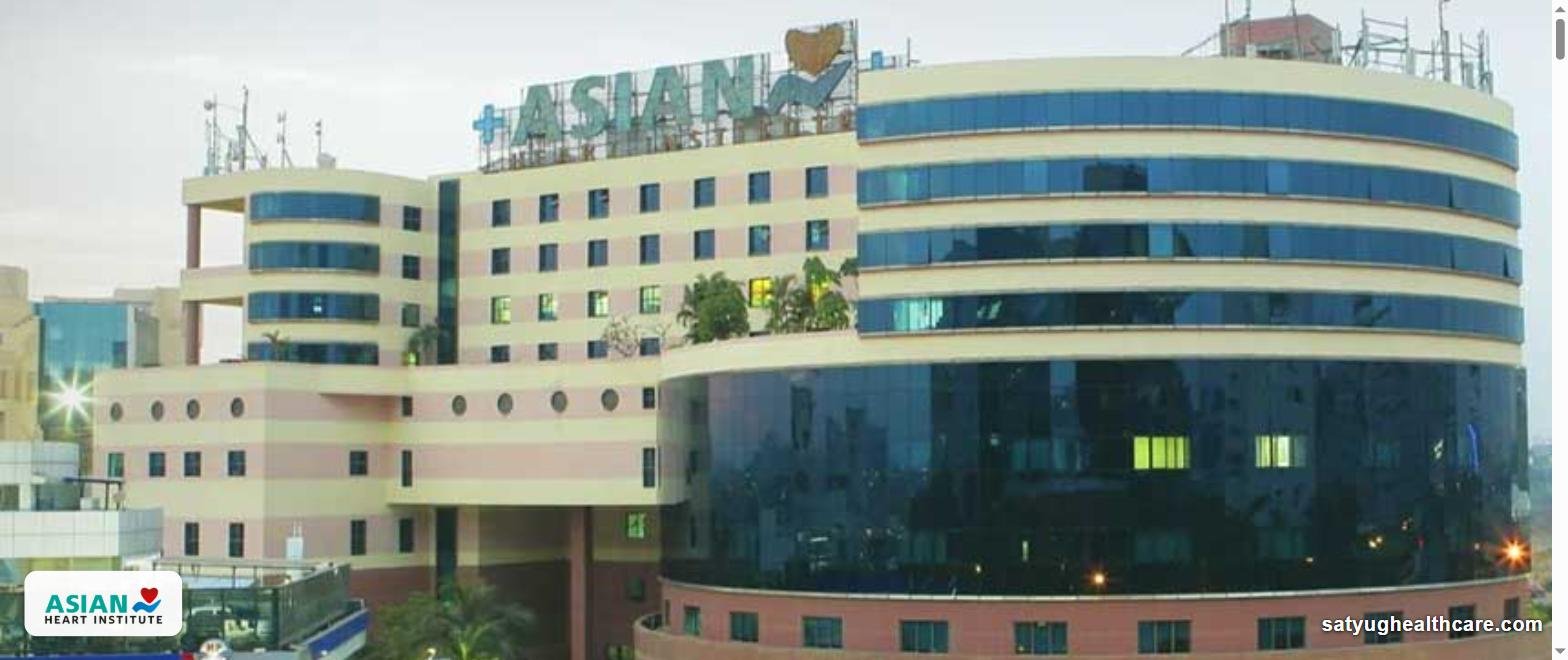
TOP HOSPITALS
Special High-quality Hospitals




HAPPY PATIENTS
What Our Patients Are Saying

























Our Gallery



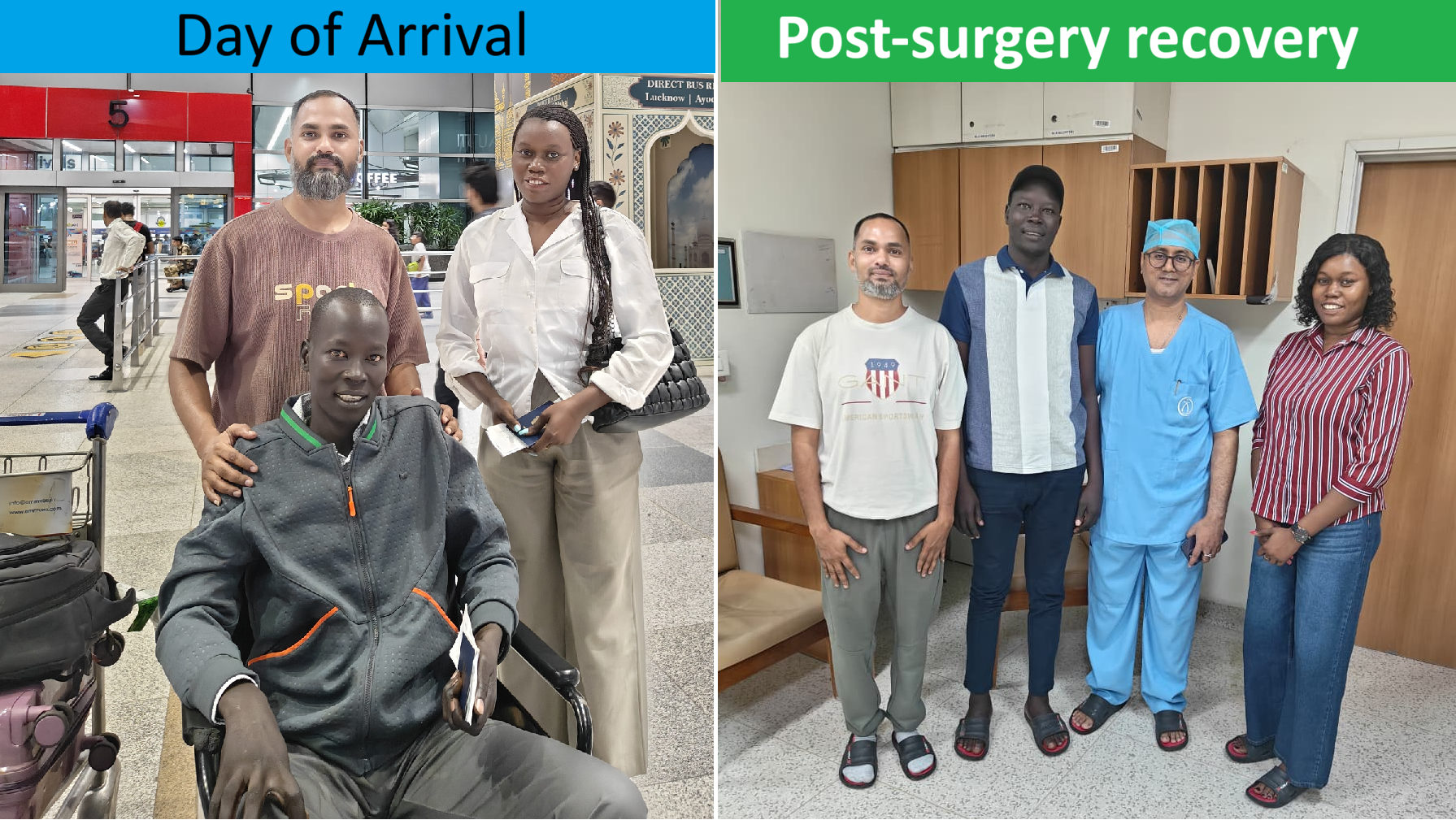
Get a Free Quote
Tell us what you need and share your medical reports. Our medical team prepares your treatment plan and cost estimate.
- Free medical opinion on your reports
- Your quote within 24–48 hours
- Help with visa invitation letter, travel and airport pickup
- Coordinators available on WhatsApp
Prefer to talk? Call +91-8860606766 or WhatsApp us.
Thank you! Your request is received.
Reference . Our medical team will send your free quote within 24–48 hours by e-mail or WhatsApp.
Chat on WhatsApp now