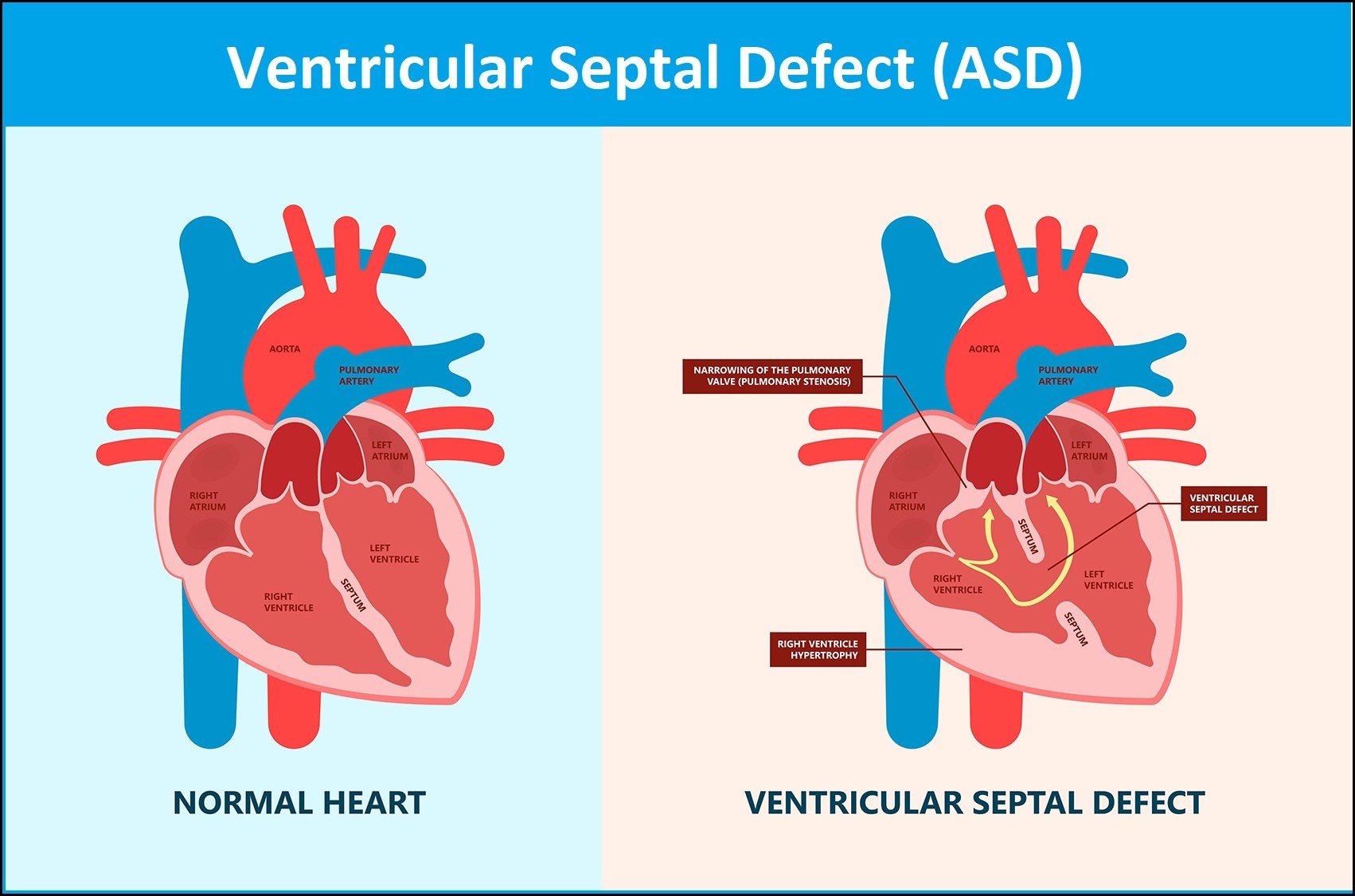
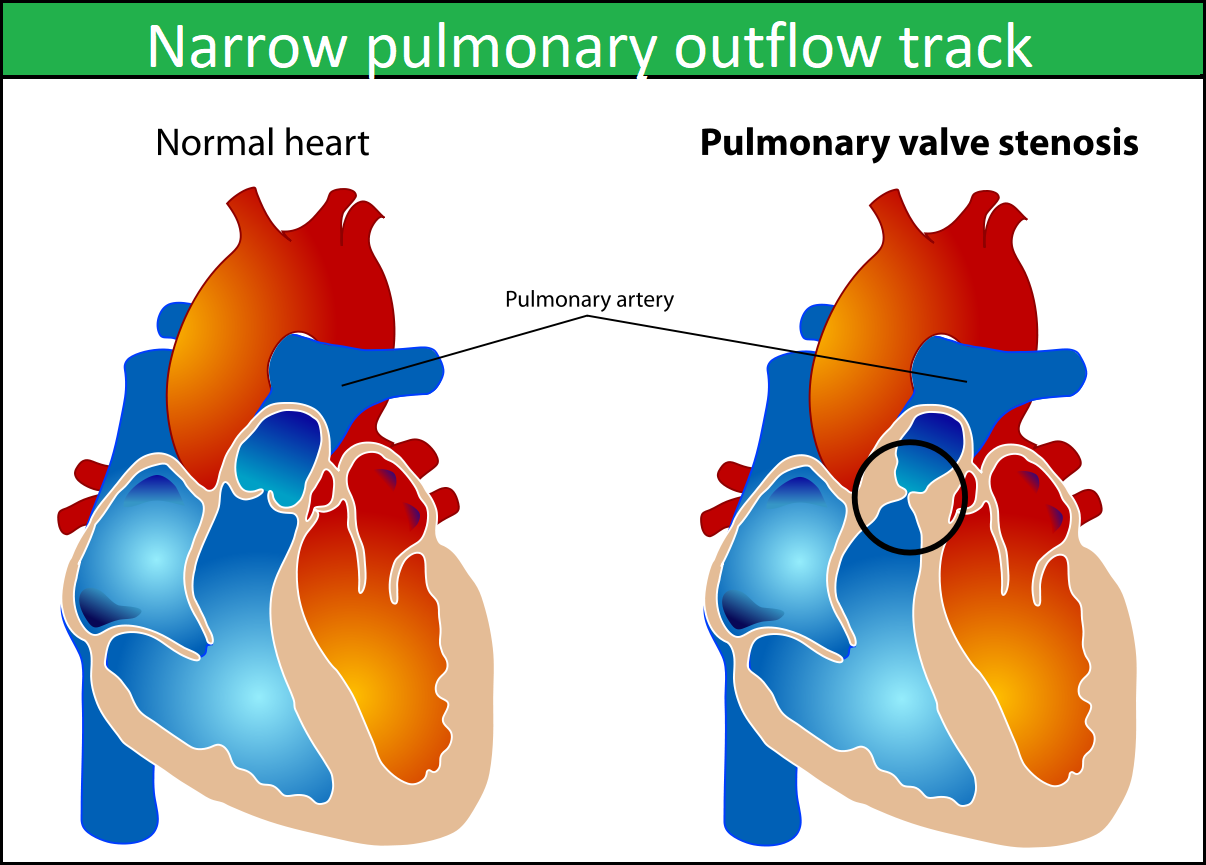
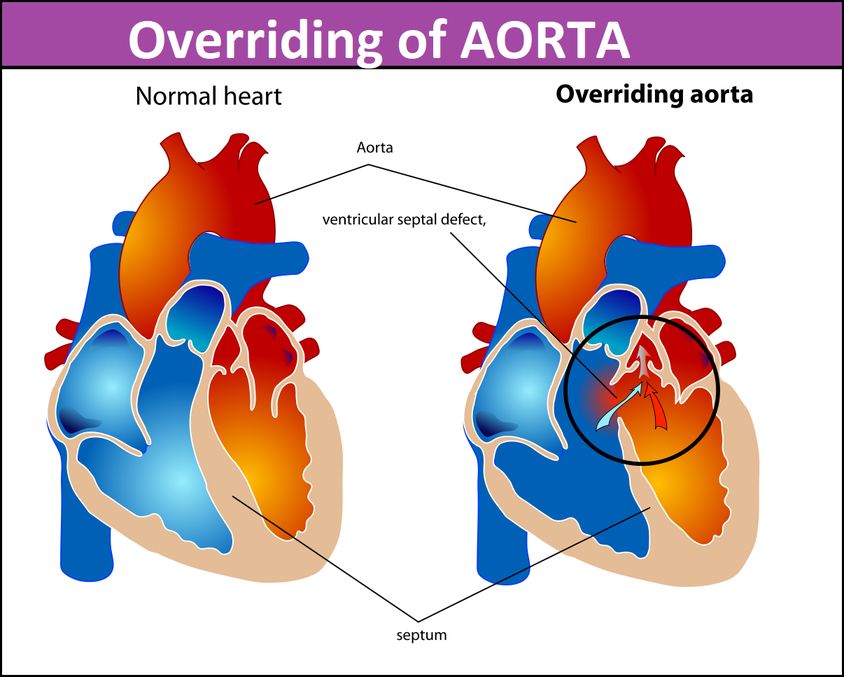
The four heart defects associated with TOF are:
 |
 |
 |
_60aa659882801.jpg "Right Ventricular Hypertrophy defect surgery in india") |
The condition causes cyanosis. This means it causes the skin to have a bluish hue due to the lack of circulating oxygen. Typically, oxygenated blood gives the skin its pinkish hue.
TOF is rare, but it’s the most common cyanotic congenital heart disease.
The symptoms of TOF may be present at birth or shortly afterward. They include:
The exact cause of TOF is unknown, but several risk factors have been associated with the condition. These include:
Tests that can aid in the diagnosis of TOF are:
Surgery is the only effective treatment for tetralogy of Fallot. Surgical options include intracardiac repair or a temporary procedure that uses a shunt. However, most babies and older children have intracardiac repair.
In some cases your child may need medicine to keep the opening between two large blood vessels in the heart open. This can help to maintain blood flow from the heart to the lungs before intracardiac repair.
This open-heart surgery is usually done during the first year after birth and involves several repairs. Adults with tetralogy of Fallot rarely may undergo this procedure if they didn't have surgical repair as children. The surgeon places a patch over the ventricular septal defect to close the hole between the lower chambers of the heart (ventricles). He or she also repairs or replaces the narrowed pulmonary valve and widens the pulmonary arteries to increase blood flow to the lungs. Because the right ventricle won't need to work as hard to pump blood after this procedure, the right ventricle wall will go back to its normal thickness. After intracardiac repair, the oxygen level in the blood increases and symptoms will lessen.
Occasionally babies need to undergo a temporary (palliative) surgery before having intracardiac repair in order to improve blood flow to the lungs. This procedure may be done if your baby was born prematurely or has pulmonary arteries that are undeveloped (hypoplastic). In this procedure, the surgeon creates a bypass (shunt) between a large artery that branches off from the aorta and the pulmonary artery. When your baby is ready for intracardiac repair, the surgeon removes the shunt during the procedure for intracardiac repair.
Complications can continue throughout childhood, adolescence and adulthood for people with tetralogy of Fallot. Most adults with repaired tetralogy of Fallot may require another procedure or intervention during their lifetimes. It's very important to have regular follow-up with a cardiologist trained in caring for people with congenital heart disease (pediatric cardiologist or adult congenital cardiologist) who can evaluate you and determine the appropriate timing of another intervention or procedure.
If you have any related query, you can send us your report on below mention email address or you can call us or whatsApp for any second opinion.
Video/tele consultation also available.
E-mail address- query@satyughealthcare.com
Phone number- +91888-242-4372, +91991-065-5125
Frequently asked questions
Q.What is the cause of tetralogy of Fallot?
Tetralogy of Fallot occurs during fetal growth, when the baby's heart is developing. While factors such as poor maternal nutrition, viral illness or genetic disorders might increase the risk of this condition, in most cases the cause of tetralogy of Fallot is unknown.
Q.Is Fallot Tetralogy hereditary?
For the majority of individuals with tetralogy of Fallot, there has been no identified genetic cause. Some individuals may have other birth defects and/or health issues, in addition to TOF, that may be part of a genetic syndrome.
Q.Can Tetralogy of Fallot be cured?
Surgery is the only effective treatment for tetralogy of Fallot. Surgical options include intracardiac repair or a temporary procedure that uses a shunt. However, most babies and older children have intracardiac repair.
Q.What is the life expectancy of someone with Tetralogy of Fallot?
The vast majority of the patients seemed to live normal lives 20–37 years after Tetralogy of Fallot repair. Late deaths were cardiac in origin, including sudden death from arrhythmias.
Q.What is the optimal age for repair of tetralogy of Fallot?
On the basis of mortality and physiological outcomes, the optimal age for elective repair of tetralogy of Fallot is 3 to 11 months of age.
Q.How long will it take to recover after surgery?
Your baby will stay in cardiac intensive care unit (CICU) after surgery. CICUs provide 24-hour specialized monitoring and care.