Overview of Primary Sclerosing Cholangitis (PSC)
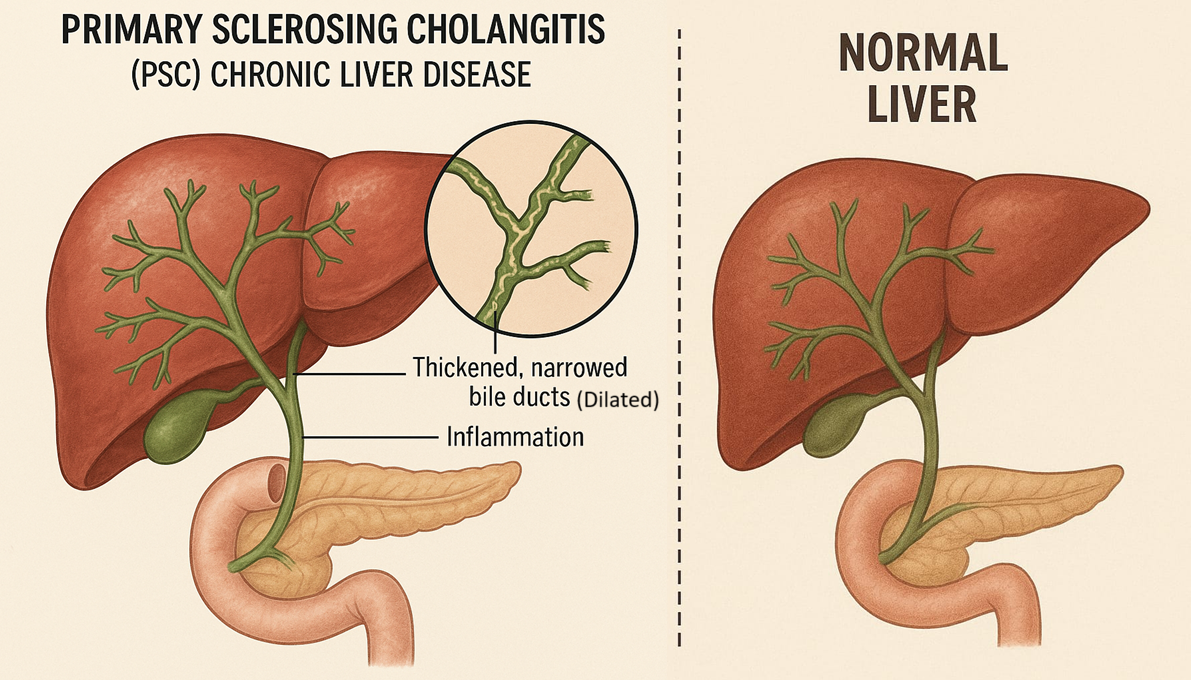
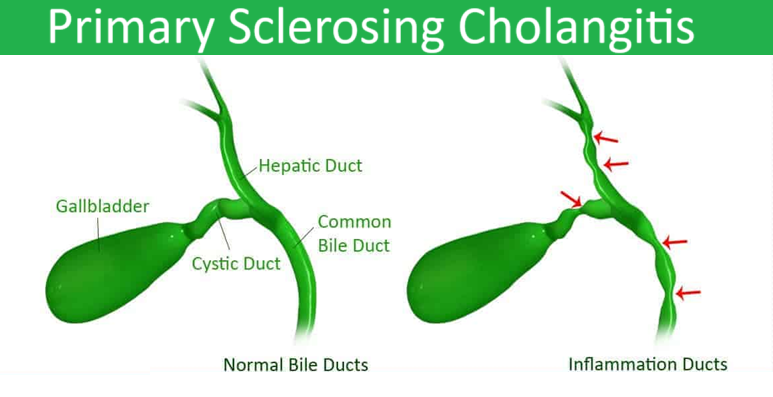
Primary Sclerosing Cholangitis (PSC) is a progressive disease that primarily affects the bile ducts, both inside (intrahepatic) and outside (extrahepatic) the liver. Bile ducts are tubes that carry bile, a digestive liquid produced in the liver, to the small intestine. In PSC, inflammation leads to scarring (sclerosis) and narrowing of these ducts. This scarring obstructs the flow of bile, causing it to accumulate in the liver. Over time, this buildup can damage liver cells, leading to fibrosis (scarring) and eventually cirrhosis (severe scarring), which impairs the liver's ability to function properly and can ultimately result in liver failure. PSC is a slow-progressing disease, and many patients may not experience symptoms for years.
Causes of Primary Sclerosing Cholangitis (PSC)
The exact cause of PSC is not fully understood. However, it is believed to be an autoimmune disease, where the body's immune system mistakenly attacks its own bile ducts. Research suggests a combination of genetic predisposition and environmental factors, such as infections or toxins, may trigger the disease in susceptible individuals. There is a strong association between PSC and inflammatory bowel disease (IBD), particularly ulcerative colitis, with about 70% of PSC patients also having IBD. This connection suggests that changes in gut bacteria might play a role in the disease's development.
Symptoms of Primary Sclerosing Cholangitis (PSC)
Many individuals with PSC, especially in the early stages, may not experience any noticeable symptoms, and the condition might be discovered incidentally through abnormal liver function tests during routine blood work. When symptoms do develop, they are often a result of obstructed bile flow and can include:
- Fatigue: Persistent and often debilitating tiredness.
- Pruritus (itching): Intense itching, particularly over the palms and soles.
- Jaundice: Yellowing of the skin and whites of the eyes due to bilirubin buildup.
- Pain: In the upper right part of the abdomen.
- Fever and chills: Especially if bile duct infections (cholangitis) occur.
- Unexplained weight loss.
- Dark urine and pale stools: Due to blocked bile ducts.
- Enlarged spleen (splenomegaly): As liver damage progresses.
- Bone, muscle, or joint pain.
- Swollen feet and ankles.
- Ascites: Fluid buildup in the abdomen due to liver failure.
Diagnosis of Primary Sclerosing Cholangitis (PSC)
Diagnosing PSC typically involves a combination of medical and family history, physical examination, and various medical tests:
- Blood Tests: Liver function tests can reveal abnormal levels of liver enzymes (especially alkaline phosphatase and gamma-glutamyltransferase), which indicate bile duct or liver damage.
- Magnetic Resonance Cholangiopancreatography (MRCP): This is often the preferred imaging test. It uses MRI to create detailed images of the liver and bile ducts, helping to visualize the characteristic narrowing and strictures.
- Endoscopic Retrograde Cholangiopancreatography (ERCP): This procedure involves inserting a thin, flexible tube with a camera (endoscope) into the small intestine. A dye is injected to highlight the bile ducts on X-ray images, allowing for visualization of strictures and dilations, which give the ducts a "beaded" appearance. ERCP can also be used therapeutically to dilate strictures or place stents.
- Liver Biopsy: While not always necessary for diagnosis, a liver biopsy involves taking a small tissue sample from the liver for microscopic examination. It can help confirm the diagnosis, assess the extent of liver damage (staging), and rule out other liver diseases.
- Colonoscopy: Since PSC is strongly associated with IBD, a colonoscopy may be recommended to check for inflammatory bowel disease, even if the patient doesn't have gastrointestinal symptoms.
Treatment Options for Primary Sclerosing Cholangitis (PSC)
Currently, there is no cure for PSC, and no medication has been definitively proven to stop or reverse the progression of the disease. Treatment focuses on managing symptoms, preventing complications, and improving quality of life.
-
Medication:
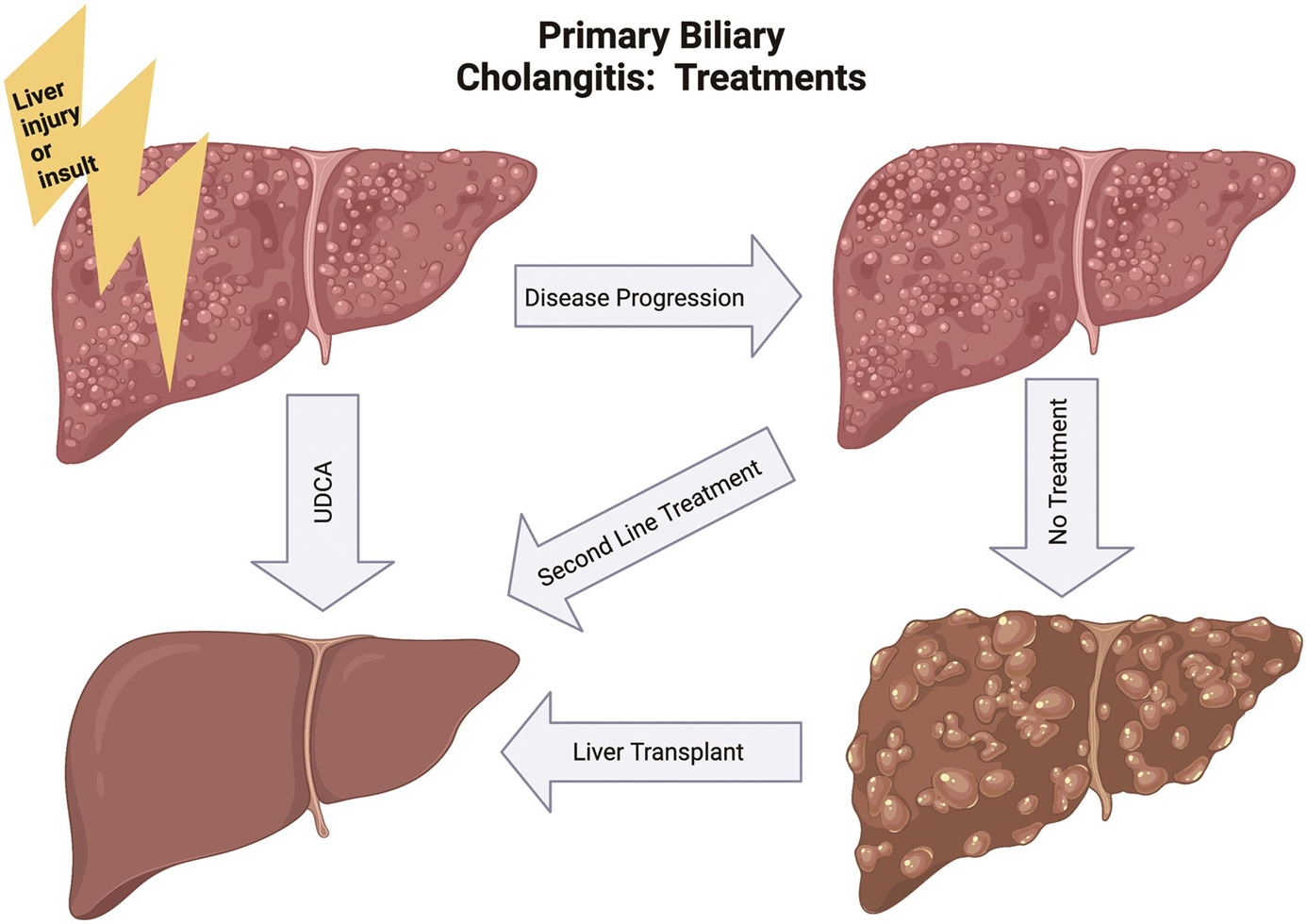
- Ursodeoxycholic acid (UDCA): While it can improve liver blood tests and bile flow, studies have not conclusively shown it to slow disease progression or prevent the need for liver transplantation. High doses may even be harmful.
- Antibiotics: Used to treat recurrent bile duct infections (cholangitis).
- Medications for itching: Such as bile acid sequestrants to relieve pruritus.
- Vitamin supplements: Due to impaired absorption of fat-soluble vitamins (A, D, E, K) caused by poor bile flow.
- Endoscopic and Percutaneous Therapies: These procedures aim to open narrowed bile ducts to improve bile flow and reduce symptoms like jaundice and infections.
- Balloon Dilation: A balloon-tipped catheter is inserted into a blocked bile duct and inflated to widen it.
- Stent Placement: A small plastic or metal tube (stent) is placed in a stricture to keep the bile duct open.
- Surgery (Non-transplant): In some cases, surgical removal of affected extrahepatic bile ducts or permanent stenting might be considered to improve bile flow. However, these procedures can sometimes make future liver transplantation more challenging.
- Liver Transplantation: This is the only definitive treatment for advanced PSC leading to end-stage liver disease or severe, intractable complications. It involves replacing the diseased liver with a healthy donor liver. Outcomes for PSC patients undergoing transplantation are generally good, although PSC can recur in the transplanted liver in a significant percentage of cases.
Risk if not treated Primary Sclerosing Cholangitis (PSC)
If left untreated or unmanaged, PSC can lead to serious and life-threatening complications as the disease progresses:
- Cirrhosis and Liver Failure: Chronic inflammation and scarring will eventually lead to cirrhosis, severely impairing liver function and potentially progressing to liver failure, a life-threatening condition.
- Bile Duct Infections (Cholangitis): Blocked bile ducts create an environment ripe for bacterial infections, which can be severe and recurrent.
- Cholangiocarcinoma (Bile Duct Cancer): PSC significantly increases the risk of developing bile duct cancer, a particularly aggressive form of cancer. Regular surveillance for this complication is often necessary.
- Gallbladder Cancer: There's also an increased risk of developing gallbladder cancer.
- Portal Hypertension: Increased pressure in the portal vein (which carries blood from the digestive system to the liver) due to liver scarring. This can lead to fluid buildup in the abdomen (ascites) and enlarged veins (varices) in the esophagus or stomach, which can rupture and cause life-threatening bleeding.
- Osteoporosis: Weak and brittle bones are a common complication due to malabsorption of vitamin D and other factors.
- Vitamin Deficiencies: Impaired fat and fat-soluble vitamin absorption can lead to deficiencies with various health consequences.
- Increased Risk of Other Autoimmune Diseases: PSC patients are at a higher risk of developing other autoimmune conditions.
- Colorectal Cancer: Patients with PSC and co-existing inflammatory bowel disease (especially ulcerative colitis) have a significantly increased risk of colorectal cancer, requiring regular screening.
FAQ 20 Primary Sclerosing Cholangitis (PSC)
- What is Primary Sclerosing Cholangitis (PSC)? A chronic liver disease where inflammation and scarring narrow the bile ducts, obstructing bile flow and leading to liver damage.
- Is PSC a common disease? No, it is a rare disease, but recent studies suggest it might be more common than previously thought.
- Who is most affected by PSC? It tends to affect men more often than women, typically diagnosed between the ages of 30 and 60.
- Is PSC an autoimmune disease? It is believed to be, as the immune system attacks the bile ducts.
- What is the main cause of PSC? The exact cause is unknown, but genetics, immune system dysfunction, and environmental factors are suspected.
- Is PSC hereditary? While not strictly hereditary, a genetic predisposition is thought to play a role.
- What are the early symptoms of PSC? Many people have no early symptoms; it's often detected by abnormal blood tests. When symptoms appear, fatigue and itching are common.
- Can PSC be cured? Currently, there is no cure for PSC.
- What are the main treatments for PSC? Treatments focus on managing symptoms and complications, including medications, endoscopic procedures, and ultimately liver transplantation.
- Does Ursodeoxycholic Acid (UDCA) cure PSC? No, UDCA can improve liver blood tests but hasn't been shown to stop disease progression or prevent transplantation.
- What is MRCP used for in PSC? It's the primary imaging test to visualize the bile ducts and diagnose PSC.
- What is ERCP used for in PSC? It's used for both diagnosis and therapeutic interventions, such as dilating strictures or placing stents.
- Is a liver biopsy always needed for PSC diagnosis? Not always, especially if MRCP findings are classic, but it can confirm the diagnosis and assess damage.
- What is the link between PSC and Inflammatory Bowel Disease (IBD)? A strong association exists; about 70% of PSC patients also have IBD, most commonly ulcerative colitis.
- What are the serious complications of PSC? Cirrhosis, liver failure, bile duct infections, bile duct cancer (cholangiocarcinoma), and portal hypertension.
- Is liver transplantation an option for PSC? Yes, it is the only definitive treatment for advanced PSC and end-stage liver disease.
- Can PSC recur after a liver transplant? Yes, PSC can recur in the transplanted liver.
- How can diet help with PSC? While no specific diet cures PSC, a healthy, balanced diet is generally recommended. Addressing vitamin deficiencies with supplements is important.
- What is the prognosis for PSC? It varies greatly. Some have slow progression, while others may experience rapid worsening and require a transplant within years.
- Should PSC patients avoid alcohol? Yes, avoiding alcohol is strongly recommended to protect the liver.
Why do international patients consider India for Primary Sclerosing Cholangitis treatment?
International patients often consider India for medical treatment, including for complex conditions like Primary Sclerosing Cholangitis, due to several factors:
- Cost-Effectiveness: Medical procedures and treatments in India are generally significantly more affordable compared to Western countries, without compromising on quality.
- Experienced Medical Professionals: India boasts a large pool of highly skilled and experienced gastroenterologists, hepatologists, and transplant surgeons, many of whom have international training and affiliations.
- Advanced Medical Technology: Many leading hospitals in India are equipped with state-of-the-art medical technology and infrastructure, comparable to global standards.
- Comprehensive Care: Hospitals often offer a wide range of services, from diagnosis and medical management to advanced endoscopic procedures and liver transplantation.
- Reduced Waiting Times: In some countries, there can be long waiting lists for specialized treatments or procedures, whereas in India, access to care can be quicker.
- Language and Cultural Support: Many healthcare facilities in India have dedicated international patient departments that provide language interpreters, cultural support, and assistance with travel and accommodation.
How Satyug Healthcare Helps International PSC Patients in India
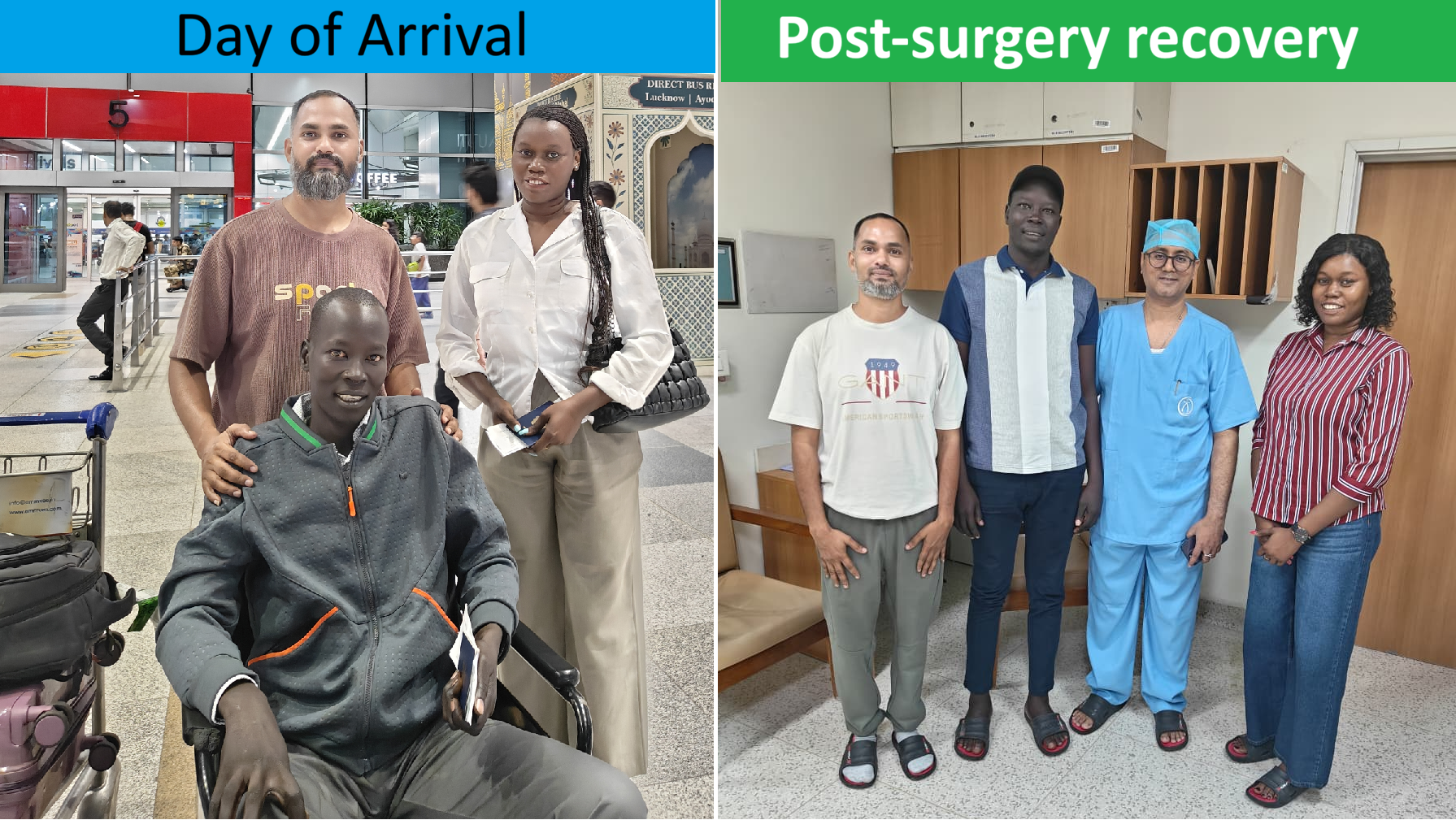
Satyug Healthcare is a trusted medical facilitation company assisting international patients with PSC and other complex liver conditions. Services include:
- Expert doctor/hospital coordination
- Pre-arrival medical opinion and treatment planning
- Visa and travel assistance
- Language interpreters (Arabic, Russian, French, etc.)
- 24/7 personal care manager during stay in India
- Post-treatment follow-up and teleconsultations
- Assistance with liver transplantation referrals and donor matching if needed