Not sure what your treatment will cost?Free, instant, itemised estimate -- treatment, visa, flights, hotel & food
What will your treatment cost?
Chat Assistance
Satyug Assistant
Online · usually replies instantly
Answers are informational, not medical advice.
Polyostotic Fibrous Dysplasia Treatment in India
Released Date: 2025-09-11
What is Polyostotic Fibrous Dysplasia?
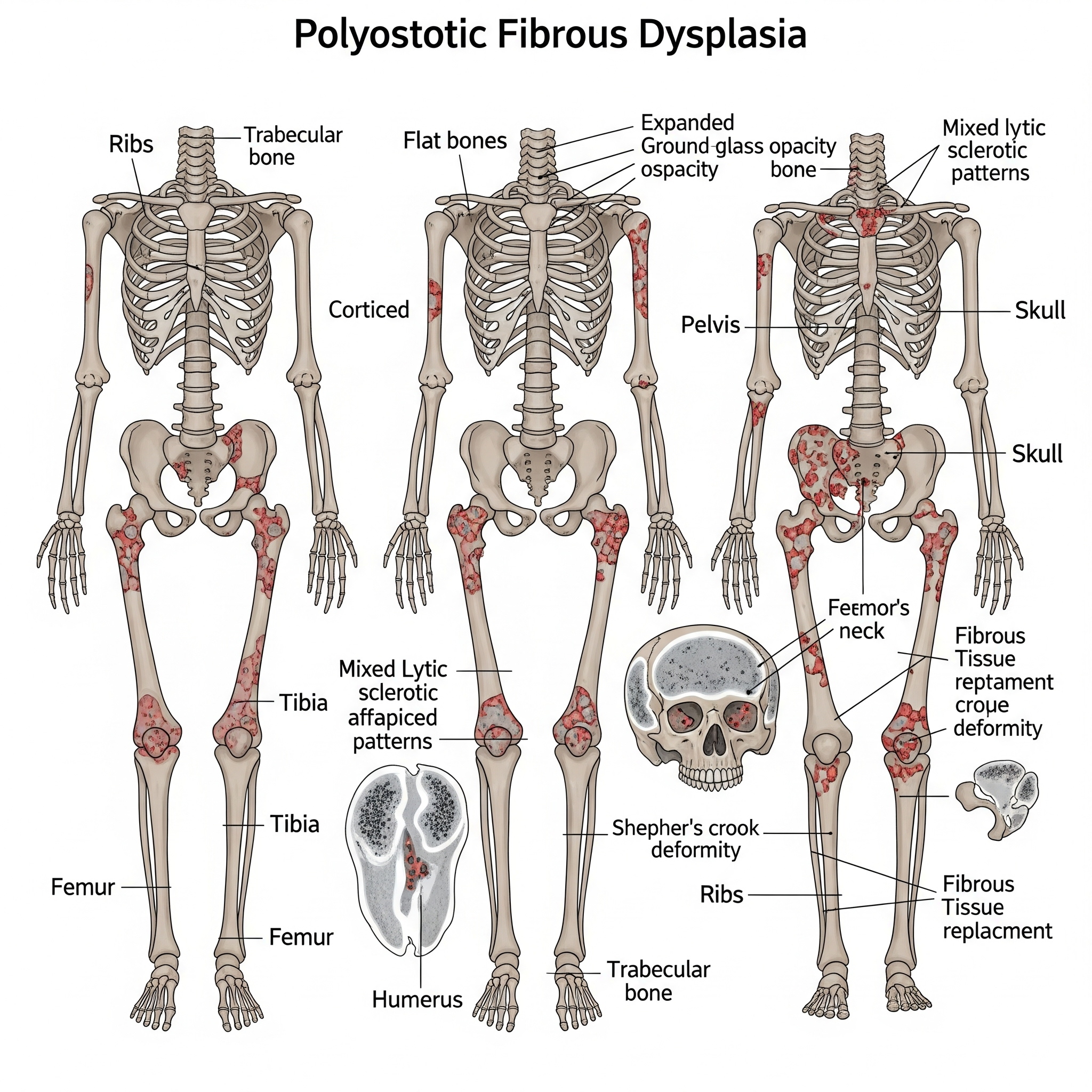
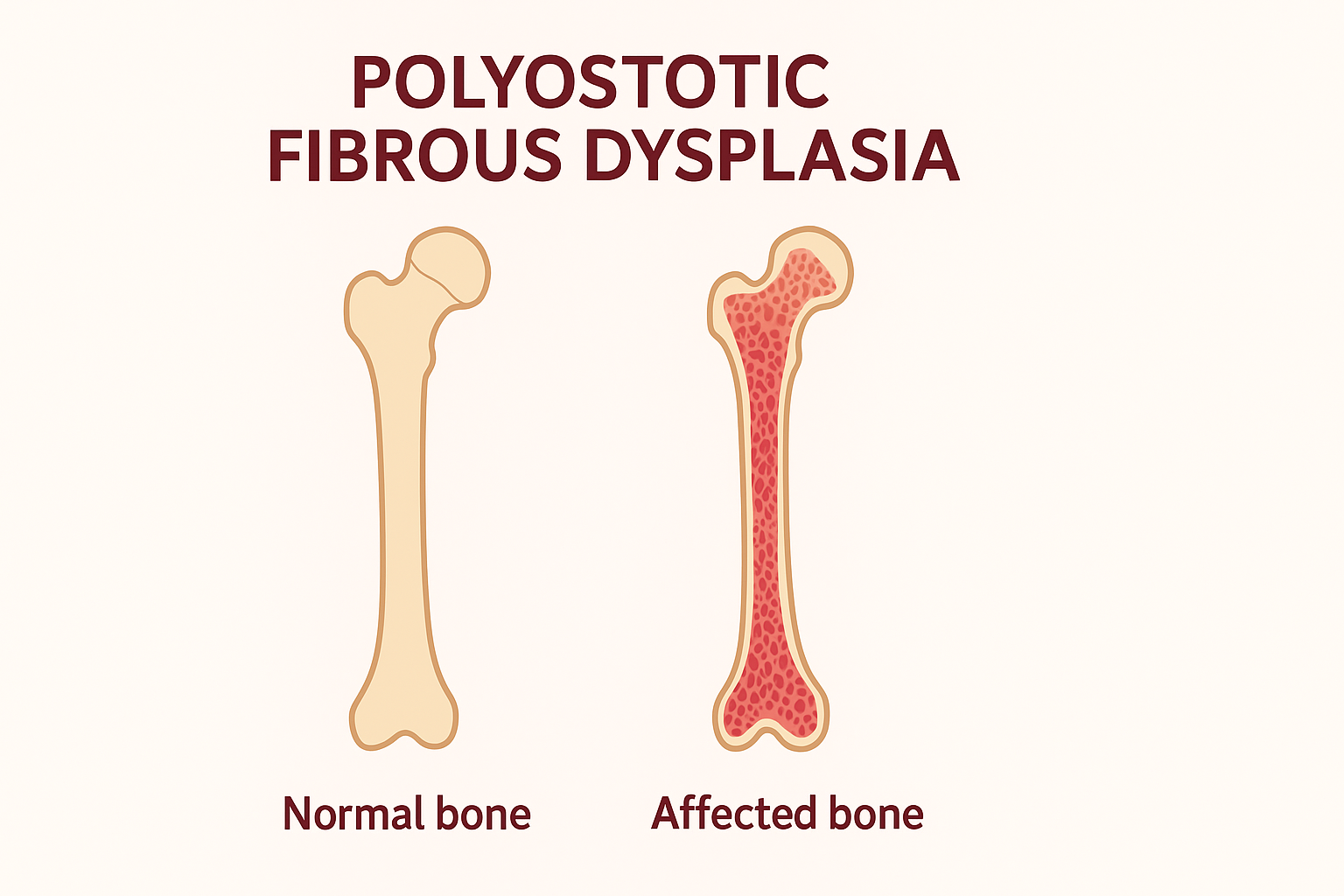
Polyostotic Fibrous Dysplasia (PFD) is a rare bone disorder where normal bone is replaced by fibrous (scar-like) tissue. This weakens the bones, makes them prone to fractures, and often leads to deformities.
Polyostotic means that the condition affects multiple bones in the body (unlike monostotic fibrous dysplasia, which involves just one bone).
PFD can appear in childhood and usually progresses during the growing years.
Types of Polyostotic Fibrous Dysplasia
Fibrous dysplasia is generally classified into three types, although there is a fourth, rarer classification:
Monostotic Fibrous Dysplasia: This is the most common form, affecting only a single bone. It often stabilizes after puberty and may be mild or asymptomatic.
Polyostotic Fibrous Dysplasia (PFD): This type affects multiple bones and is more severe than the monostotic form. It can lead to pain, fractures, and bone deformities.
McCune-Albright Syndrome (MAS): This is a specific subtype of polyostotic fibrous dysplasia that also includes additional symptoms like skin pigmentation ("café-au-lait" spots) and endocrine (hormonal) problems, such as early puberty.
Mazabraud's Syndrome: This is a very rare form where fibrous dysplasia of a single or multiple bones co-occurs with soft tissue tumors, typically intramuscular myxomas.
What Causes Polyostotic Fibrous Dysplasia?
Cause: PFD is caused by a spontaneous genetic mutation in the GNAS gene that occurs early in embryonic development. It is not an inherited condition, meaning it is not passed down from a parent to a child.
What are the Common Symptoms of Polyostotic Fibrous Dysplasia?
Bone pain (mild to severe, chronic, or activity-related)
Facial asymmetry (if skull/facial bones are involved)
Difficulty walking or limping
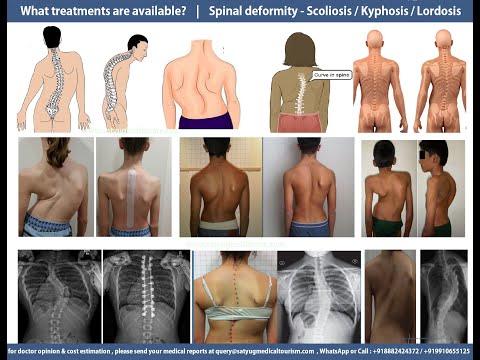
Scoliosis (spinal curvature)
Hearing or vision loss (if skull bones compress nerves)
Hormonal issues (in cases linked with McCune-Albright Syndrome)
How is Polyostotic Fibrous Dysplasia Diagnosed?
Doctors use a combination of clinical history, imaging, and tests:
X-rays – to show characteristic “ground-glass” bone appearance
CT / MRI scans – for detailed bone and soft tissue assessment
Bone scan – to detect all affected areas
Biopsy – sometimes done to confirm the diagnosis
Blood tests – to check markers like alkaline phosphatase
Treatment and Management of Polyostotic Fibrous Dysplasia
Currently, there is no permanent cure for PFD, but treatment helps manage symptoms, reduce complications, and improve quality of life.
1. Medications:
Bisphosphonates (like pamidronate) – to reduce bone pain and slow bone weakening.
Pain management with analgesics.
2. Surgical Management:
Internal fixation with rods/plates to strengthen weak bones.
Corrective surgery for deformities (e.g., bowed legs, facial asymmetry).
Bone grafting in selected cases.
Surgery for fractures.
3. Rehabilitation:
Physiotherapy to improve mobility and muscle strength.
Orthopedic aids (braces, crutches if needed).
4. Monitoring & Lifestyle Care:
Regular check-ups with orthopedics and endocrinologists.
Adequate calcium and Vitamin D intake.
Avoiding high-impact sports that may increase fracture risk.
FAQ on Polyostotic Fibrous Dysplasia
Q1. Is Polyostotic Fibrous Dysplasia cancer?
No, it is a benign (non-cancerous) condition. Very rarely, long-standing cases may transform into malignant bone tumors.
Q2. Can children with PFD live a normal life?
Yes. With proper treatment and monitoring, many children adapt well and maintain good quality of life.
Q3. Can fibrous dysplasia spread to other bones later in life?
Usually, the condition is established during childhood and adolescence; it does not spread, but symptoms may worsen with age.
Q4. Is surgery always required?
Not always. Surgery is considered when there are severe deformities, frequent fractures, or functional disability.
Q5. Is Polyostotic Fibrous Dysplasia hereditary?
No. It is caused by a random genetic mutation, not passed from parents to children.
How Satyug Healthcare Supports International Patients Seeking Treatment for Polyostotic Fibrous Dysplasia in India
At Satyug Healthcare, we specialize in assisting international patients, including those with rare conditions like Polyostotic Fibrous Dysplasia. We provide end-to-end medical tourism services:
Expert Hospital Selection: Collaboration with India’s leading hospitals specializing in orthopedics, endocrinology, and pediatric bone disorders.
Specialist Doctors: Access to top orthopedic surgeons, pediatric specialists, and endocrinologists with experience in rare bone diseases.
Visa & Documentation Support: Smooth medical visa guidance for patients and attendants.
Travel & Stay Arrangements: Affordable apartments, hotel bookings, airport pickup, and local transport.
Language & Communication: Interpreter support for non-English-speaking patients.
24x7 Patient Support: From first consultation until recovery and follow-up after returning home.....
Transparent Process: Clear cost estimates, treatment plans, and full guidance for families.