Lysosomal Storage Disorders (LSDs)
Lysosomal Storage Disorders (LSDs) are a group of inherited metabolic diseases caused by enzyme deficiencies in the lysosomes—the cell's "recycling centers." Lysosomes contain enzymes responsible for breaking down complex molecules. When one of these enzymes is missing or nonfunctional, the molecules accumulate inside the cell, causing damage to tissues and organs over time.
There are over 70 known types of LSDs, each associated with a specific enzyme deficiency. These disorders often affect multiple systems in the body and can lead to progressive physical and neurological decline.
Lysosomal Storage Disorders History
The scientific understanding of Lysosomal Storage Disorders began to emerge in the mid-20th century. The lysosome itself was first identified and characterized by Belgian scientist Christian de Duve and his colleagues in the late 1950s and early 1960s. This groundbreaking discovery laid the foundation for understanding the physiological basis of LSDs.
Prior to the full understanding of lysosomal function, some of these disorders had already been clinically described:
- Gaucher disease was the first LSD to be described in 1882 by Philippe Gaucher.
- Fabry disease was described independently by Johannes Fabry and William Anderson in 1898.
- Pompe disease was the first disorder to be formally identified as an LSD in 1963 by Henri G. Hers, who linked it to a deficiency of the enzyme alpha-glucosidase.
LSD Cause
The primary cause of Lysosomal Storage Disorders is a genetic mutation that affects the production or function of specific lysosomal proteins. These proteins are typically enzymes, but can also include enzyme activators, membrane transporters, or other proteins critical for lysosomal function.
- Enzyme Deficiency: The vast majority of LSDs are caused by a mutation in a gene that codes for a lysosomal enzyme. This mutation leads to the enzyme being either absent, deficient, or improperly formed, rendering it unable to effectively break down its specific substrate.
- Defective Activator or Transporter Proteins: In some cases, the enzyme itself might be present, but a related protein (like an enzyme activator or a membrane transport protein) that is necessary for the enzyme to function correctly or for substrates to enter/exit the lysosome is defective.
Inheritance Patterns:
- Autosomal Recessive: Most LSDs are inherited in an autosomal recessive pattern. This means an individual must inherit two copies of the mutated gene (one from each parent) to develop the disorder. Parents who carry one copy of the mutated gene are typically unaffected carriers.
- X-linked Recessive: A few LSDs, such as Fabry disease and Hunter syndrome (MPS II), are inherited in an X-linked recessive manner. This means the mutated gene is located on the X chromosome. Males, who have only one X chromosome, are more severely affected than females, who have two X chromosomes (and often a healthy copy to compensate).
Onset of Symptoms
Symptoms can begin in infancy, childhood, or even adulthood, depending on the disorder. Early-onset forms tend to be more severe.
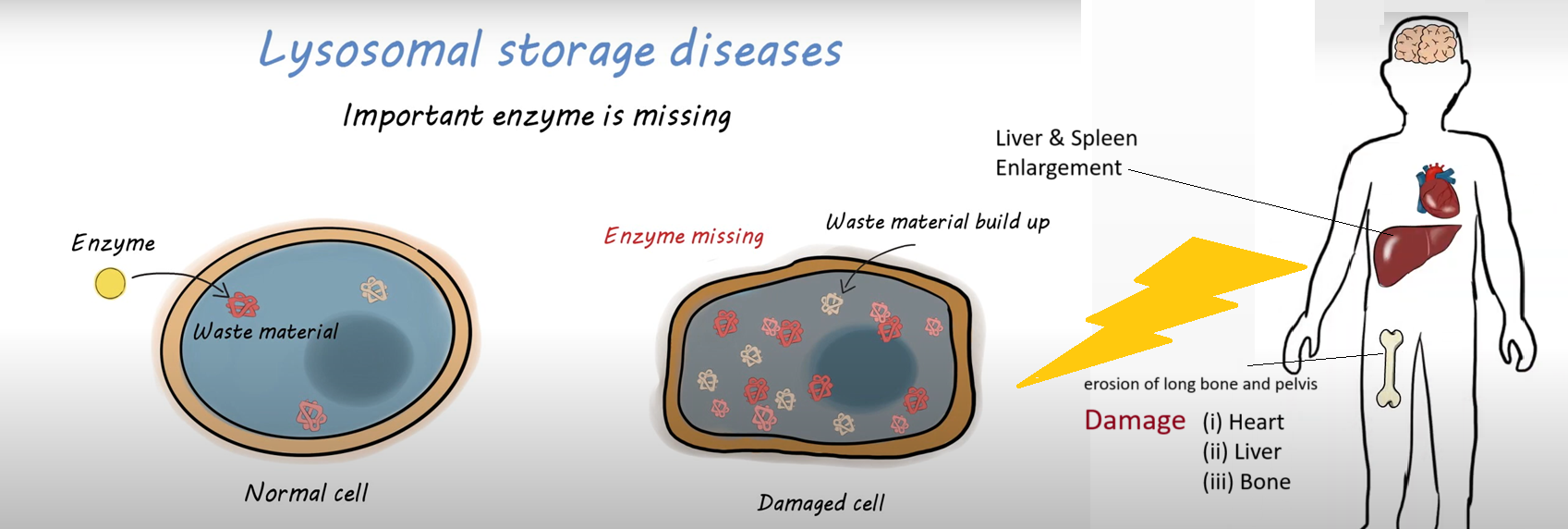
Common symptoms include:
- Developmental delays
- Enlarged liver or spleen (hepatosplenomegaly)
- Bone and joint problems
- Vision or hearing loss
- Neurological decline
- Respiratory or heart issues
LSD Diagnosis
Diagnosing Lysosomal Storage Disorders can be challenging due to their rarity, varied symptoms, and progressive nature, often leading to delays or misdiagnoses. A definitive diagnosis typically involves a multi-step process:
- Clinical Evaluation: A thorough medical history, physical examination, and assessment of presenting symptoms help identify patterns suggestive of an LSD.
- Biochemical Tests:
- Enzyme Assays: This is a crucial step, measuring the activity of specific lysosomal enzymes in various samples such as blood (dried blood spots, plasma, leukocytes), urine, cultured skin fibroblasts, or tissue biopsies. Low or absent enzyme activity indicates a deficiency.
- Measurement of Accumulated Substrates: Modern techniques like tandem mass spectrometry (MS/MS) can identify and quantify the specific substances that accumulate in affected individuals (e.g., glycosphingolipids, oligosaccharides). This is particularly useful in newborn screening.
- Urinary Glycosaminoglycans (GAGs): For mucopolysaccharidoses (MPS), elevated levels of specific GAGs in urine can be an indicator.
- Genetic Testing: Once an enzyme deficiency is suspected, genetic testing can confirm the diagnosis by identifying the specific mutations in the gene responsible for the affected enzyme or protein. This is vital for confirming the diagnosis, genetic counseling, and sometimes for guiding treatment.
- Prenatal Diagnosis: For families with a known history of an LSD, prenatal diagnostic tests can be performed during pregnancy using:
- Amniocentesis: A sample of amniotic fluid is taken for enzyme analysis and/or genetic testing.
- Chorionic Villus Sampling (CVS): A small tissue sample from the placenta is taken for similar analysis.
- Newborn Screening: In some regions, newborn screening programs include tests for certain LSDs (e.g., Pompe, Fabry, Gaucher, MPS I), allowing for early diagnosis and intervention, which can significantly improve outcomes.
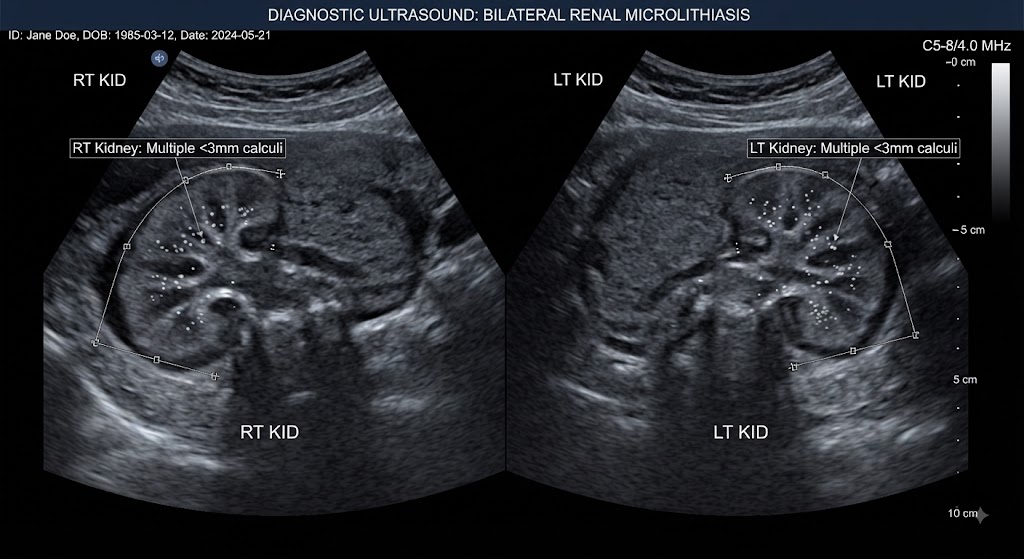
- Imaging Studies: MRI, X-rays, and ultrasounds can reveal organ enlargement, bone abnormalities, or brain changes associated with LSDs
Treatment Options Lysosomal Storage Disorders
While there is currently no universal cure for all Lysosomal Storage Disorders, significant advancements in treatment have been made for several types, aiming to manage symptoms, slow disease progression, and improve quality of life.
- Enzyme Replacement Therapy (ERT): This is a cornerstone treatment for several LSDs (e.g., Gaucher, Fabry, Pompe, MPS I, II, IV, VI). It involves intravenously infusing a manufactured version of the deficient enzyme into the patient's bloodstream. ERT helps break down the accumulating substrates in various organs, reducing organomegaly, improving bone health, and reducing pain. However, ERT generally has limited ability to cross the blood-brain barrier (BBB), meaning it is less effective for neurological symptoms.
- Substrate Reduction Therapy (SRT): This approach aims to reduce the production of the accumulating substrate in the body, thereby decreasing the "load" on the deficient enzyme. It typically involves oral medications that inhibit an enzyme upstream in the metabolic pathway. SRT can be effective for some LSDs and can sometimes cross the BBB, offering a potential benefit for neurological manifestations (e.g., miglustat for Gaucher and Niemann-Pick type C).
- Hematopoietic Stem Cell Transplantation (HSCT) / Bone Marrow Transplantation (BMT): For certain LSDs, particularly some mucopolysaccharidoses (e.g., severe MPS I/Hurler syndrome), HSCT can introduce cells that produce the missing enzyme. If performed early in life, it can prevent or stabilize some of the neurological and somatic symptoms by providing a continuous source of the enzyme. However, it carries significant risks and is not suitable for all LSDs or all patients.
- Pharmacological Chaperone Therapy (PCT): This involves administering small molecules that help stabilize the patient's own misfolded, but still partially functional, deficient enzyme. This allows the enzyme to fold correctly, enter the lysosome, and gain some activity, thereby reducing substrate accumulation. This therapy is enzyme-specific and only works if the patient has a residual amount of the enzyme.
- Gene Therapy: This is a promising area of research aiming to correct the underlying genetic defect. It involves introducing a functional copy of the gene into the patient's cells, often using viral vectors, so that the body can produce the missing enzyme itself. Clinical trials are underway for several LSDs, with the potential to address neurological symptoms by allowing enzyme production directly within the brain.
- Symptomatic and Supportive Care: This is crucial for all LSD patients and includes a multidisciplinary approach involving specialists such as neurologists, cardiologists, orthopedists, ophthalmologists, physical therapists, and dietitians. This care manages specific symptoms, prevents complications, and improves quality of life. Examples include pain management, physical therapy, nutritional support, and surgical interventions for skeletal or organ issues.
Risks & Complications
- Progressive Organ Damage: Over time, the accumulation of substances can lead to severe and irreversible damage to multiple organs, including the brain, heart, liver, spleen, kidneys, bones, and lungs.
- Neurological Deterioration: Many LSDs involve the central nervous system, leading to progressive cognitive decline, motor impairment, seizures, and neurodegeneration. This can result in significant disability and loss of previously acquired skills.
- Reduced Life Expectancy: While treatments have improved outcomes for some LSDs, many still lead to a shortened lifespan, especially in severe, early-onset forms.
- Diagnostic Delay: The rarity and diverse symptoms can lead to prolonged diagnostic journeys, during which irreversible damage may occur.
- Treatment Limitations: Current treatments are not cures and may not address all aspects of the disease (e.g., neurological manifestations for ERT due to the blood-brain barrier).
- Genetic Inheritance: The risk of recurrence in future pregnancies for affected families is a significant concern, necessitating genetic counseling.
LSD Data Worldwide
Lysosomal Storage Disorders, individually, are rare diseases, but as a group, their collective incidence is more significant. Accurate global data can be challenging to obtain due to variations in diagnostic capabilities, reporting systems, and awareness across different regions.
- Overall Incidence: The estimated combined incidence of all LSDs is approximately 1 in 5,000 to 1 in 10,000 live births worldwide.
- Individual Prevalences: Individual LSDs vary greatly in their prevalence.
- Gaucher disease is generally considered the most common LSD, with an estimated incidence of 1 in 40,000 to 1 in 60,000 live births, and higher incidence in certain populations (e.g., Ashkenazi Jewish population).
- Other relatively more common LSDs include Fabry disease, Metachromatic Leukodystrophy, Pompe disease, and various types of Mucopolysaccharidoses (MPS).
- Many LSDs are exceedingly rare, with only a few reported cases globally.
- Geographic and Ethnic Variations: The incidence of specific LSDs can vary significantly among different ethnic groups or geographic populations due to founder effects and population-specific genetic mutations (e.g., Tay-Sachs disease in Ashkenazi Jews, some MPS types in specific communities).
- Underdiagnosis and Misdiagnosis: Due to their rarity and heterogeneous symptoms, LSDs are often underdiagnosed or misdiagnosed, particularly in regions with limited access to specialized diagnostic tools and genetic testing. This means the actual number of affected individuals might be higher than reported statistics.
- Global Burden: Despite being rare, the progressive and often severe nature of LSDs represents a significant burden on patients, families, healthcare systems, and societies worldwide, emphasizing the need for increased awareness, early diagnosis, and access to treatment.
LSDs Frequently Asked Questions (FAQs)
-
What are lysosomal storage disorders?
Rare genetic conditions caused by defective enzymes in lysosomes.
-
How are LSDs inherited?
Most are autosomal recessive; some are X-linked.
-
Can LSDs be diagnosed in newborns?
Yes, some countries have newborn screening programs.
-
Is there a cure for LSDs?
No complete cure yet, but therapies can manage the disease.
-
What is enzyme replacement therapy (ERT)?
It replaces the missing or deficient enzyme via IV infusion.
-
What is substrate reduction therapy (SRT)?
A treatment that reduces production of toxic substances.
-
Which LSDs are treatable with ERT?
Gaucher, Fabry, Pompe, and some MPS types.
-
Are these disorders fatal?
Some forms can be life-threatening if untreated.
-
What organs are affected in LSDs?
Brain, liver, spleen, bones, heart, lungs, and eyes.
-
Can adults get LSDs?
Yes, some milder types may present in adulthood.
-
What is the role of genetic counseling?
It helps at-risk families understand inheritance and testing.
-
Are treatments available in India?
Yes, select centers in India offer ERT and supportive care.
-
Is gene therapy available in India?
Gene therapy is still under trial and limited in availability.
-
What is the cost of treatment in India?
Treatment like ERT can be expensive (₹10–₹50 lakh/year) but assistance programs exist.
-
Are there support groups for LSD patients?
Yes, NGOs and rare disease foundations provide support.
-
How can I get tested for an LSD?
Through enzyme assay or genetic testing in specialized labs.
-
Can LSDs be prevented?
Carrier screening and prenatal testing can help.
-
What are some common LSDs?
Gaucher, Fabry, Pompe, Tay-Sachs, MPS I-VII.
-
What is MPS?
Mucopolysaccharidosis – a group of LSDs affecting connective tissue.
-
Can a child with LSD live a normal life?
With early diagnosis and proper care, many lead longer, better-quality lives.