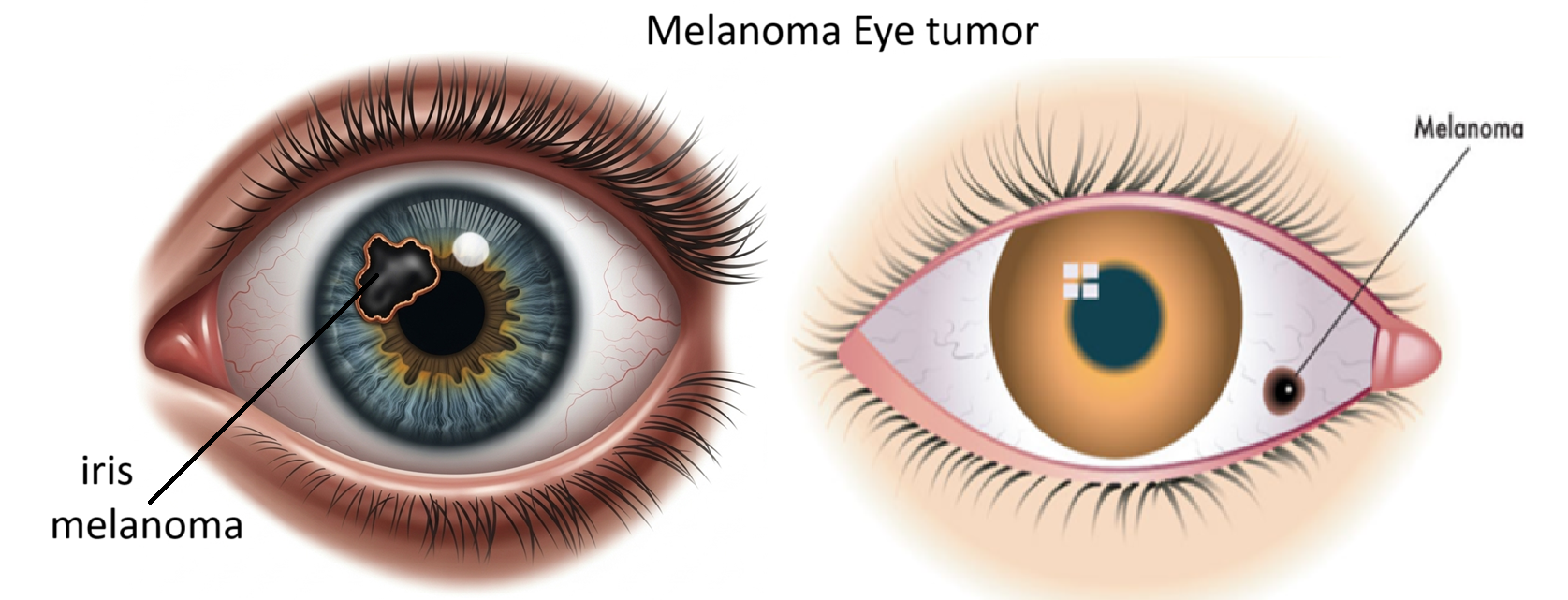
Eye plaque brachytherapy is a highly specialized and effective form of radiation therapy used to treat certain eye cancers, primarily melanoma (ocular melanoma) and retinoblastoma. It involves placing a small, radioactive device (plaque) directly onto the surface of the eye, over the tumor, to deliver a precise dose of radiation.
Overview: Eye Plaque Brachytherapy
Eye plaque brachytherapy is a form of internal radiation therapy. It uses a small, custom-made disc, or "plaque," typically made of gold or another metal, which holds tiny radioactive seeds (such as Iodine-125, Ruthenium-106, or Palladium-103). The plaque is designed to conform to the curvature of the eye and cover the tumor precisely. This allows for a very localized dose of radiation to the tumor while minimizing exposure to surrounding healthy eye tissues and critical structures like the optic nerve and macula.
How Eye Plaque Brachytherapy Works
-
Diagnosis and Planning:
- Once an eye cancer is diagnosed and deemed suitable for brachytherapy (based on tumor size, location, and type), detailed imaging (ultrasound, MRI) is performed to precisely map the tumor's dimensions and location.
- A multidisciplinary team, including an ocular oncologist, radiation oncologist, medical physicist, and ophthalmologist, plans the treatment.
- A custom plaque is fabricated to match the shape and size of the tumor, ensuring maximum coverage and minimal radiation scatter. The type and strength of radioactive seeds are determined based on the tumor characteristics.
-
Surgical Implantation:
- The procedure to implant the plaque is performed under general anesthesia.
- The surgeon carefully attaches the radioactive plaque to the outer wall of the eyeball (sclera), directly over the tumor. The plaque is secured with sutures.
- The plaque remains in place for a specific duration, typically 2 to 5 days, depending on the type of radioactive isotope used and the prescribed radiation dose. This period allows for continuous, precise radiation delivery to the tumor.
-
Radiation Delivery:
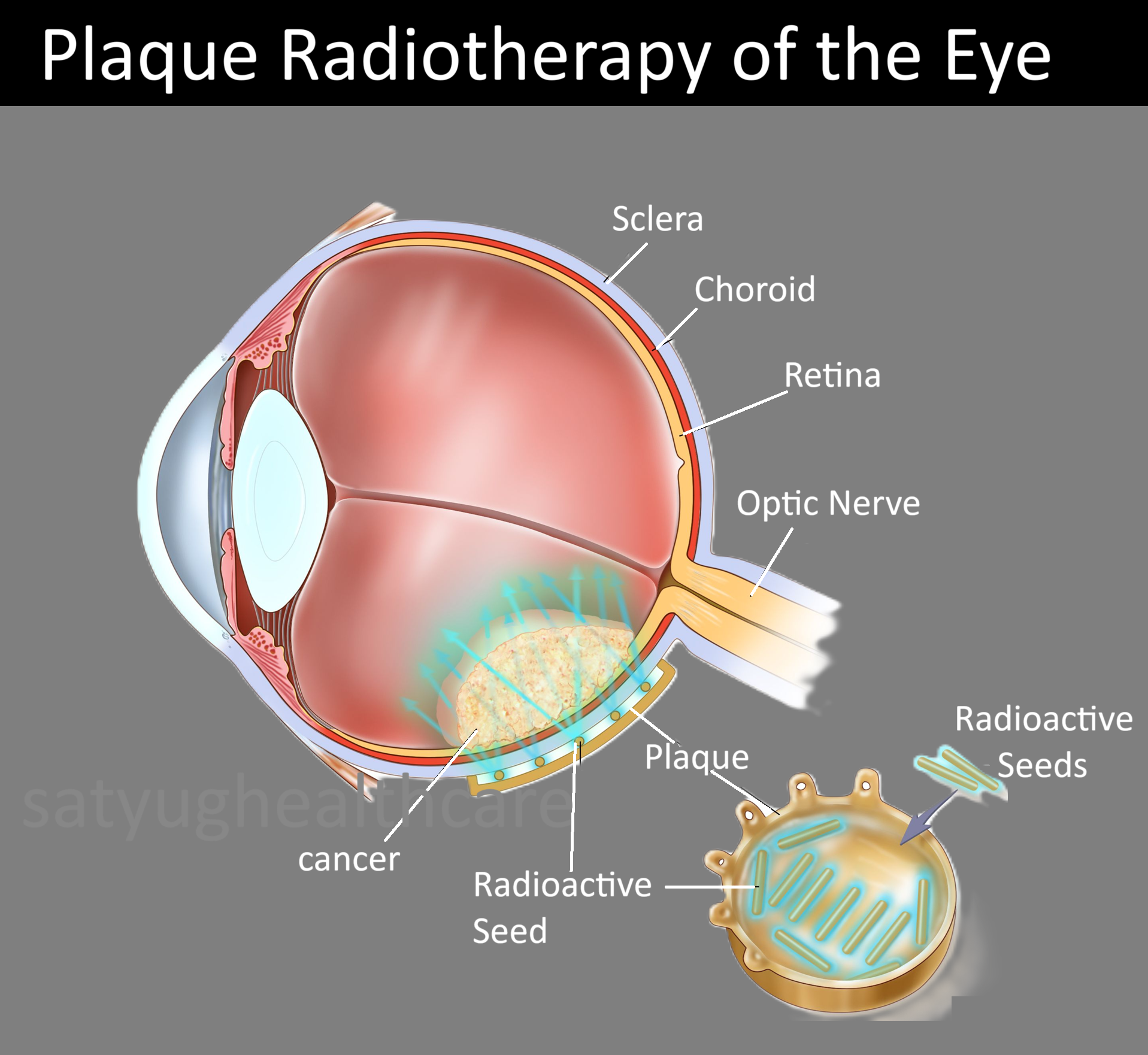
- During the implantation period, the radioactive seeds in the plaque continuously emit radiation, targeting the tumor cells and causing damage to their DNA, leading to tumor shrinkage and destruction.
- The gold backing of the plaque acts as a shield, preventing radiation from traveling backward into the orbit (eye socket) and brain, thereby protecting surrounding healthy tissues.
-
Surgical Removal:
- After the prescribed treatment time, a second, brief surgical procedure (again, under general anesthesia) is performed to remove the plaque.
Benefits of Eye Plaque Brachytherapy
- Organ Preservation: One of the most significant benefits is the ability to preserve the eye and vision, as opposed to enucleation (surgical removal of the eye), which was historically a common treatment for larger eye tumors.
- Localized Treatment: Delivers a high dose of radiation directly to the tumor while sparing healthy surrounding tissues, such as the optic nerve and macula, which are crucial for vision. This precision helps to minimize collateral damage.
- High Success Rates: Effective in controlling tumor growth and achieving local tumor control for various types of ocular melanoma and retinoblastoma.
- Convenience: The patient can be in a hospital room during the treatment period, and the radiation is contained within the eye, posing minimal risk to others.
- Outpatient Procedure (for removal): The removal of the plaque is a relatively quick outpatient procedure.
Complications of Eye Plaque Brachytherapy
While generally safe and effective, eye plaque brachytherapy can lead to complications, primarily due to the radiation effects on healthy eye structures over time. These can include:
- Radiation Retinopathy: Damage to the retina's blood vessels, leading to vision loss, bleeding, or fluid leakage. This is a common and serious long-term complication.
- Radiation Maculopathy: Specific damage to the macula (the central part of the retina responsible for sharp, central vision), often resulting in significant central vision loss.
- Radiation Optic Neuropathy: Damage to the optic nerve, which can lead to vision loss or blindness.
- Cataract Formation: Opacification of the eye's natural lens, which can occur years after treatment. This is often treatable with cataract surgery.
- Glaucoma (Neovascular Glaucoma): Increased eye pressure due to new, abnormal blood vessels growing in the eye.
- Dry Eye Syndrome: Reduced tear production leading to discomfort and vision issues.
- Conjunctivitis/Scleritis: Inflammation of the conjunctiva (outer membrane of the eye) or sclera (white of the eye).
- Eyelid Changes: Loss of eyelashes (madarosis), redness, or swelling of the eyelids.
- Double Vision (Diplopia): Due to damage to eye muscles.
- Temporary Discomfort: Pain, redness, and swelling in the eye immediately after plaque insertion and removal.
- Rarely: Infection, wound healing issues, or, in very rare cases, plaque migration.
The risk and severity of complications depend on the tumor's size, location (especially its proximity to the optic nerve and macula), the radiation dose, and individual patient factors.
How Long Does It Take for an Eye to Heal After Brachytherapy?
Initial healing from the surgical insertion and removal of the plaque usually takes a few weeks. During this time, the eye may be red, swollen, and feel gritty or uncomfortable. Vision might be blurry.
However, the full effects of radiation and subsequent healing, especially concerning vision and long-term complications, can take months to years to fully manifest and stabilize.
- Immediate Post-Op: Redness, swelling, mild pain, and blurred vision are common for the first few days to weeks.
- First Few Months: Vision may fluctuate. The tumor may start to shrink. Regular follow-up appointments are crucial to monitor recovery and detect early complications.
- Long-Term (Months to Years): This is when radiation-induced complications like retinopathy, maculopathy, optic neuropathy, or cataracts may develop. These require ongoing monitoring and may need further treatment (e.g., injections for retinopathy, cataract surgery).
Eye Plaque Brachytherapy Side Effects
Side effects can be categorized as acute (short-term) and chronic (long-term).
Acute (Short-term) Side Effects (within weeks of treatment):
- Redness and irritation of the eye.
- Swelling of the eyelids and conjunctiva.
- Pain or discomfort (usually manageable with medication).
- Blurred vision (temporary).
- Light sensitivity (photophobia).
- Tearing or discharge.
Chronic (Long-term) Side Effects (months to years after treatment):
- Vision Loss: Due to radiation retinopathy, maculopathy, or optic neuropathy, potentially irreversible.
- Cataract: Clouding of the natural lens.
- Glaucoma: Increased eye pressure.
- Dry Eye Syndrome.
- Eyelid and Lash Changes: Scarring, lash loss.
- Neovascularization: Growth of abnormal blood vessels in the eye.
- Retinal Detachment (less common, but possible).
- Tumor Recurrence: Though the goal is eradication, recurrence is a possibility and requires ongoing monitoring.
Patients will require lifelong follow-up care with their ocular oncologist to monitor for tumor recurrence and manage any long-term side effects.
FAQ: Eye Plaque Brachytherapy
Q1: What types of eye cancer are treated with eye plaque brachytherapy? A1: Primarily treated are ocular melanoma (uveal melanoma, choroidal melanoma, ciliary body melanoma, iris melanoma) and retinoblastoma (a childhood eye cancer). It can also be used for some other rare intraocular tumors.
Q2: Is eye plaque brachytherapy painful? A2: The surgical procedures for implantation and removal are performed under general anesthesia, so you won't feel pain during the surgery. Afterward, you might experience mild to moderate discomfort, redness, and irritation, which can be managed with prescribed pain medication and eye drops.
Q3: How long do I stay in the hospital? A3: You will typically stay in the hospital for the duration the plaque is implanted, which is usually 2 to 5 days, depending on the prescribed radiation dose.
Q4: Will I be radioactive after the plaque is removed? A4: No. Once the radioactive plaque is removed from your eye, there is no radioactive material left in your body, and you are not a risk to others.
Q5: Will my vision be affected after the treatment? A5: Vision can be blurry in the short term due to swelling. Long-term vision changes depend significantly on the tumor's size and location, especially its proximity to the macula and optic nerve. There is a risk of long-term vision loss due to radiation-induced complications like retinopathy or maculopathy. Your doctor will discuss your specific prognosis.
Q6: What is the success rate of eye plaque brachytherapy? A6: Eye plaque brachytherapy has high rates of local tumor control, often above 90% for appropriately selected tumors. The goal is to eradicate the tumor while preserving as much vision as possible.
Q7: Will I need follow-up appointments after the surgery? A7: Yes, very frequent and regular follow-up appointments are crucial. These will involve comprehensive eye exams, imaging (ultrasound, OCT), and potentially other tests to monitor for tumor regression, recurrence, and the development of any radiation-induced complications. Lifelong follow-up is typically recommended.
Q8: Can I return to normal activities after the plaque is removed? A8: You will need to follow your doctor's specific instructions. Generally, you can resume most light activities within a few days to a week after plaque removal. Strenuous activities, heavy lifting, and swimming should be avoided for a few weeks as the eye heals.
Q9: What happens if the brachytherapy doesn't work? A9: If the tumor doesn't respond adequately to brachytherapy, or if it recurs, your doctor will discuss alternative or additional treatment options, which may include further radiation, laser therapy, or, in some cases, enucleation (eye removal).
Why Choose India for Eye Plaque Brachytherapy?
- World-class ocular oncology specialists
- Advanced radiation therapy infrastructure
- Affordable treatment compared to Western countries
- Satyug Healthcare can assist international patients with: