Assistance
Consultation
Services
Opinion
Care Coordination
What will your treatment cost?
Arthritic foot pain/ Rheumatoid arthritis (RA) Treatment in India
Released Date: 2021-01-28

Arthritic foot pain/ Rheumatoid arthritis (RA)
Rheumatoid arthritis (RA) or Arthritic foot pain is a condition that happens when your immune system attacks your joint lining tissue, causing painful inflammation and stiffness. RA can also affect many parts of your body, including your skin and internal organs like your heart. There are several types of symptoms that RA can cause in your feet.

Symptoms
- Pain or stiffness in the toe joints or in the joints and ligaments throughout the foot
- Persistent aching or soreness in the feet, especially after walking, running, or standing for long periods of time
- Abnormal warmth in one or more areas of the foot, even if the rest of the body is relatively cool
- Swelling, especially in one or more toe joints or in your ankles
These symptoms don’t always show up right away. The average age of onset of RA is anywhere between 30 and 60. Over time, these symptoms can cause your foot to become increasingly painful and difficult to use. One of these long-term symptoms is known as joint destruction. This happens when the bone, cartilage, and other joint tissue breaks down.
Diagnosis
- A preliminary medical history in which the provider asks questions about when and where the pain began, as well as aggravating or alleviating factors.
- A test called a gait analysis, in which the healthcare provider measures your stride and the way you walk.
- X-rays.
Musculoskeletal issues
- Interphalangeal (IP) joints. These are the little joints between the bones that make up your toes.
- Metatarsophalangeal (MP) joints. These are the joints that connect your toe bones, or phalanges, to the longer bones that make up most of your foot, called the metatarsals.
- Subtalar joint. This joint is sandwiched between your heel bones, or calcaneus, and the bone that connects your foot to your leg bones, called the talar bone.
- Ankle joint. This joint connects your two leg bones — the tibia and fibula — to the talar bone.
Over time, untreated RA can also cause the following to form:
- Claw toes
- Hammer toes
Skin and nail issues
Changes in your foot shape can result in pressure spreading out unevenly across your foot as you walk. Excess pressure can result in skin conditions:
- Bunions are thick, bony bumps that develop in the joint at the base of your big toe or fifth toe.
- Corns are thick, hardened skin patches that may be larger and less sensitive than the rest of your foot skin.
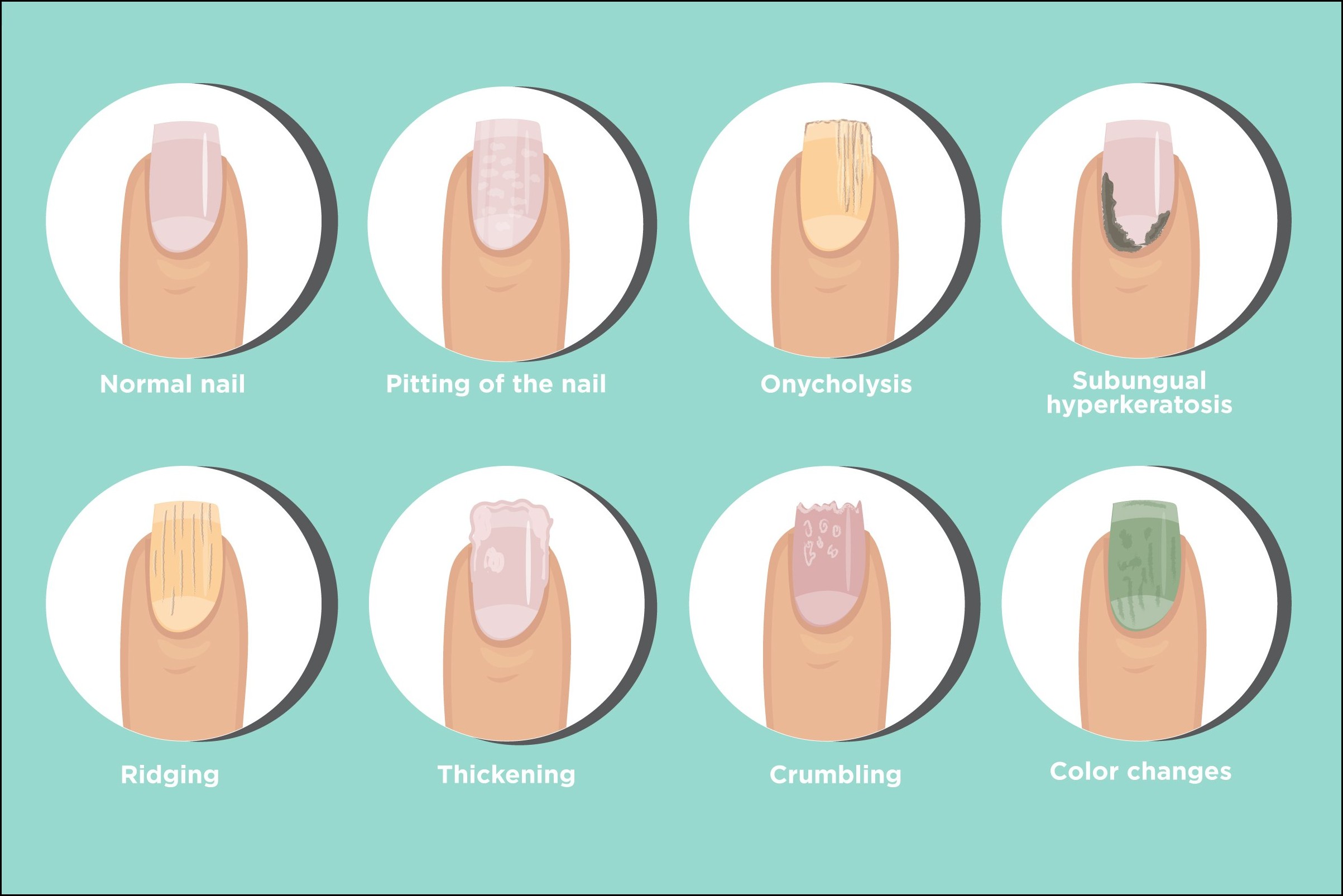
If they’re not treated, both bunions and corns can develop into ulcers. These are open sores that result from skin breaking down due to a lack of circulation or tissue damage in the foot. Ulcers can become infected and cause further foot pain and damage.
Circulatory problems
Atherosclerosis. Also called hardening of the arteries, this happens when your arteries become narrow from plaque buildup. This can cause pain and cramps in your lower leg muscles.
Raynaud’s phenomena. This happens when blood is partially or fully blocked from reaching your toes. This results in blood vessels spasming and causing numbness and abnormal color changes in your toes from white to blue to red. The toes can feel cold due to decreased blood flow.
Vasculitis. This happens when your blood vessels get inflamed. This results in skin rashes and other possible symptoms like fever, loss of appetite, and fatigue.
Treatments
RA can’t be fully cured, but there are plenty of treatments to help relieve the symptoms of a flare-up as well as reduce how many flare-ups you have.
Here are some of the most common treatments for RA in your foot:
- Using the RICE method (Rest, Ice, Compression, Elevation) to relieve pain and swelling
- Soaking feet in warm water or using warm compresses for chronic inflammation
- Wearing customized insoles or orthotic inserts in your shoes that help reduce pressure on your foot when you take a step
- Taking nonsteroidal anti-inflammatory drugs (NSAIDs), such as ibuprofen (Advil), to help with pain from inflammation
- Wearing braces or specialized boots to relieve pressure on joints in the back of your foot
- Injecting steroids straight into the joints for temporary relief from inflammation
- Taking prescription medications, such as disease modifying antirheumatic drugs (DMARDs), which help stop pain and inflammation, and a newer form of a DMARD called biologics, which target certain pathways of inflammation
- getting surgery to remove excess debris or inflamed tissue in the joint, remove damaged cartilage and fuse two bones together, or completely replace a joint
Lifestyle tips
- Wear open-toed shoes. These prevent your toes and feet from being too cramped or uncomfortable.
- Keep warm. Keep your joints warm with thick, comfortable socks or shoes to reduce stiffness.
- Take a hot bath or hop in the jacuzzi. Warm water can help loosen up stiffness in your joints in addition to resting your feet while you’re lying down in the tub.
- Don’t exercise when you have a flare-up. This can put extra pressure and strain on your joints, which can make symptoms much harder to bear.
- Try an anti-inflammatory diet. A diet of fruits, vegetables, whole grains, and omega-3s from fish may help reduce inflammation that causes RA symptoms.
- Get regular sleep. Getting enough rest, about 6 to 8 hours per night, allows your body time to relax and heal itself, which can help relieve RA symptoms.
- Reduce stress. Stress can trigger inflammation that results in flare-ups. Try meditating, listening to music, taking a nap, or anything that helps you feel less anxious.
- Quit smoking.If you smoke, talk with your doctor about a plan to quit. Smoking can increase RA symptom severity and may trigger the onset of RA.
Frequently asked questions
Q.What does arthritis in the foot feel like?
Pain when you move it. Trouble moving, walking, or putting weight on it. Joint stiffness, warmth, or swelling. More pain and swelling after you rest, such as sitting or sleeping.
Q.Is walking well for arthritis in the feet?
One proven way to help ease symptoms of arthritis in the feet is with exercise, both general full-body exercises (such as walking) as well as specific stretches and moves that target the feet.
Q.What are the 5 worst foods to eat if you have arthritis?
- Processed foods. Avoid processed foods, such as baked goods and prepackaged meals and snacks.
- Omega-6 fatty acids.
- Sugar and certain sugar alternatives.
- Red meat and fried foods.
- Refined carbohydrates.
- Cheese and high-fat dairy.
- Alcohol
Q.Is Soaking in Epsom salt good for arthritis?
An Epsom salt bath may provide pain relief and reduce swelling in people living with certain types of inflammatory conditions, such as rheumatoid arthritis, lupus, gout, and psoriatic arthritis. Low levels of magnesium can ease the pain in people with arthritis.
Q.Can arthritis in feet be cured?
There are more than 100 forms of arthritis, many of which affect the foot and ankle. All types can make it difficult to walk and perform activities you enjoy. Although there is no cure for arthritis, there are many treatment options available to slow the progress of the disease and relieve symptoms.
Q.What fruit is good for arthritis?
- Tart cherries. Tart cherries get their dark red color and many of their powerful anti-inflammatory and antioxidant benefits from the flavonoid anthocyanin.
- Strawberries.
- Red Raspberries.
- Avocado.
- Watermelon.
- Grapes.
If you have any related query, please contact us.
E-mail address- query@satyughealthcare.com
Phone number- +91888-242-4372, +91991-065-5125
Related Blogs


HAPPY PATIENTS
What Our Patients Are Saying






























Our Gallery